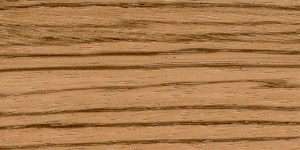
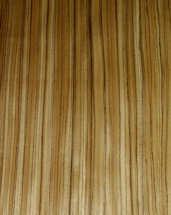
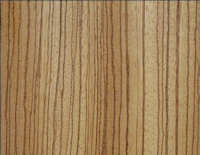
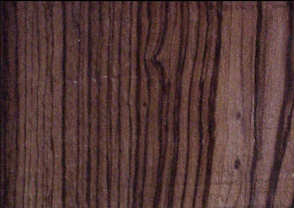
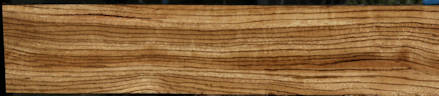
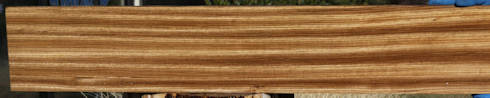
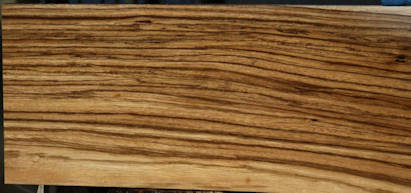
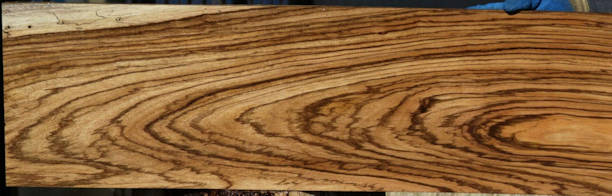
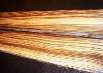
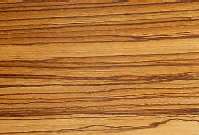
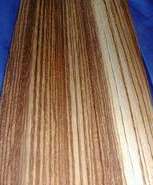
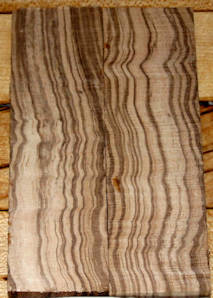
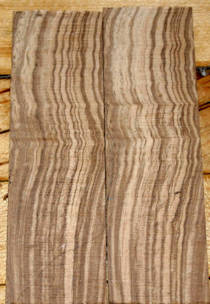
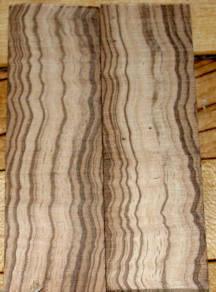
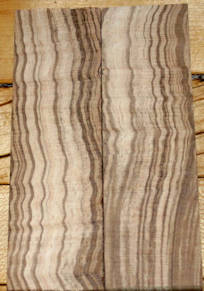
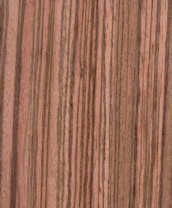
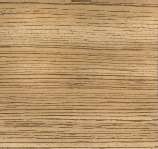
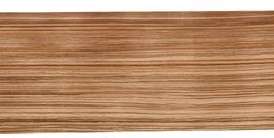
open main page here with limited thumbnails
open main page here with ALL thumbnails
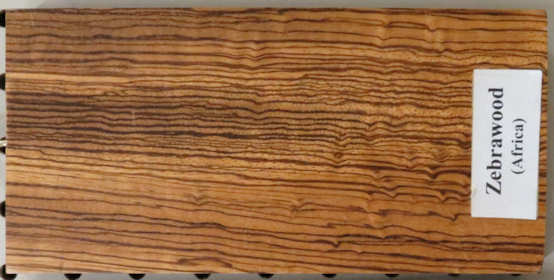
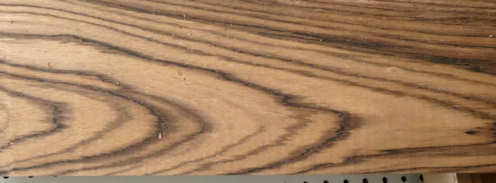
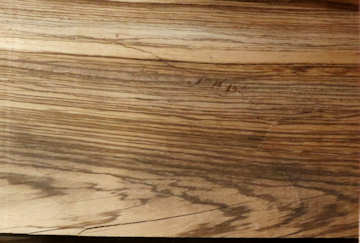
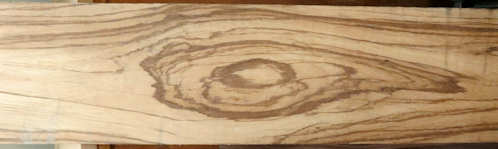
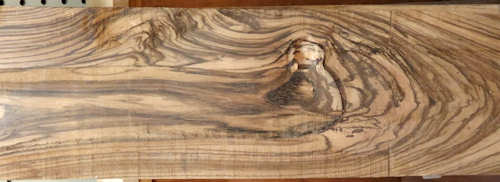
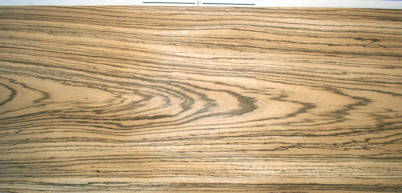
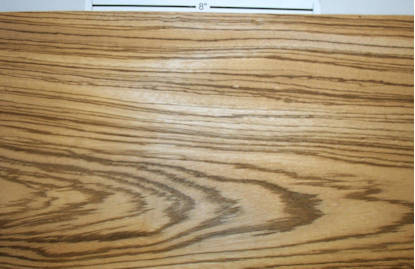
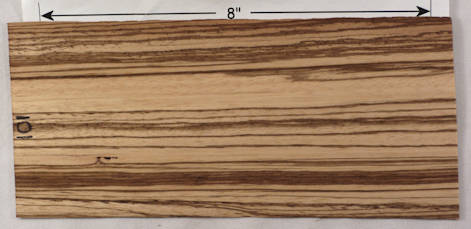
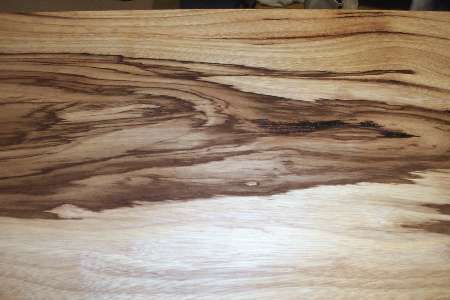
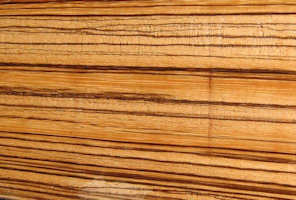
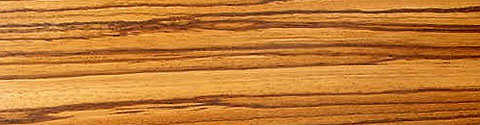
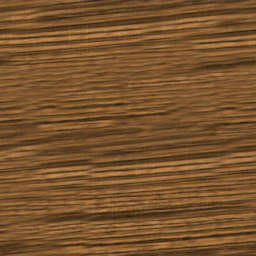
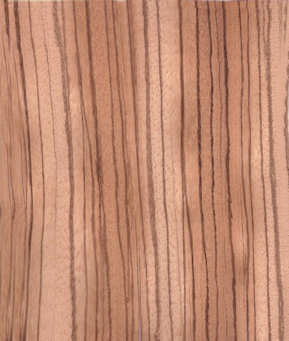
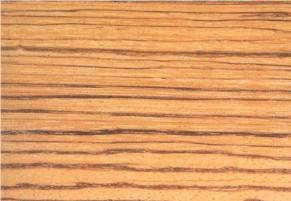
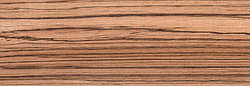
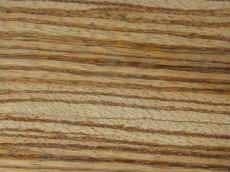
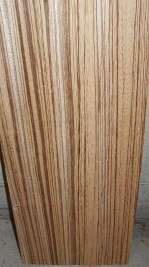
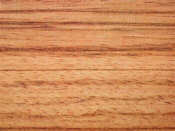
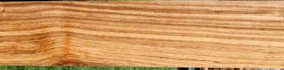
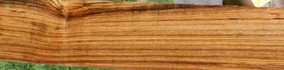
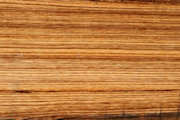
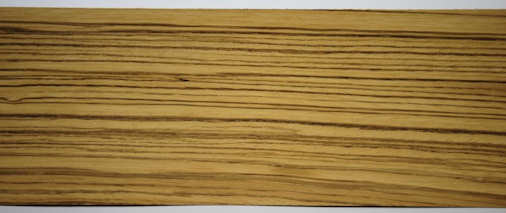
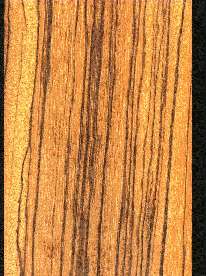
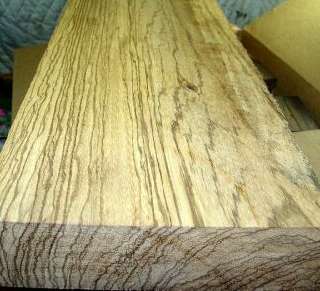
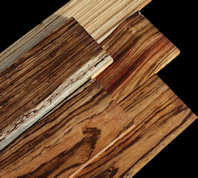
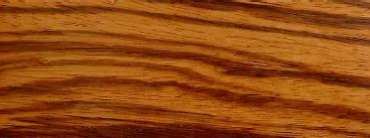
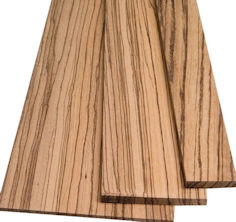
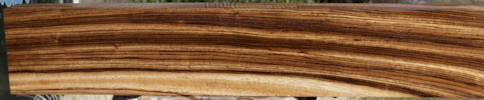
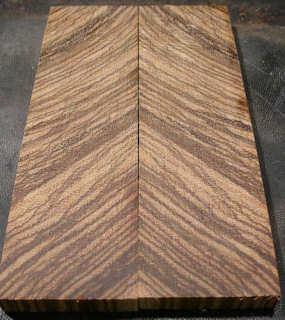
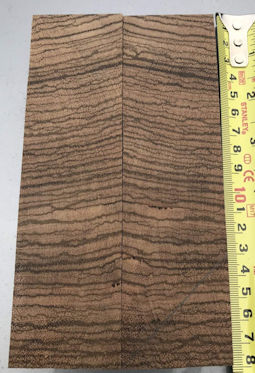
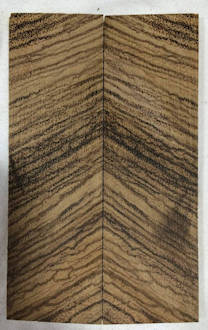
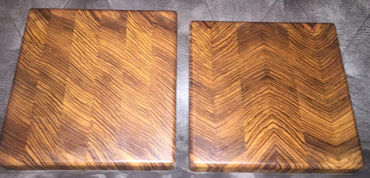
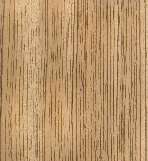
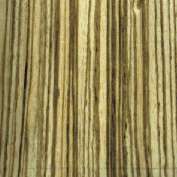
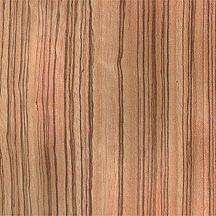
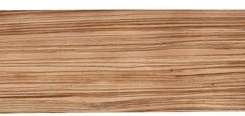
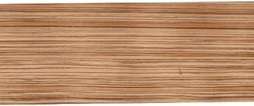
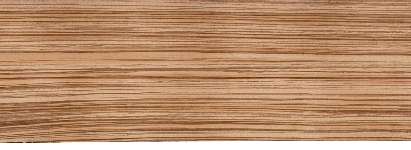
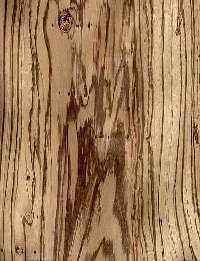
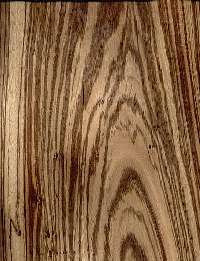
ZEBRAWOOD
Microberlinia Brazzavillensis
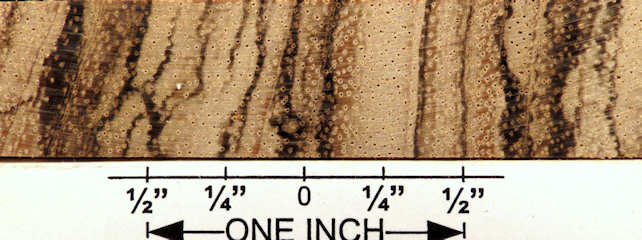
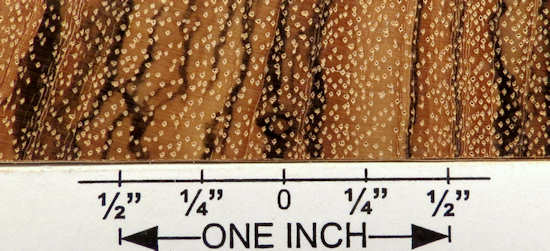
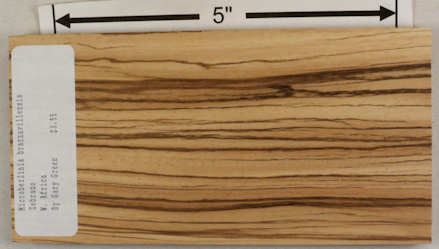
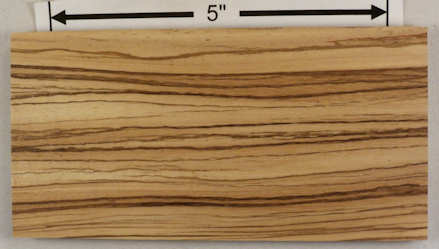
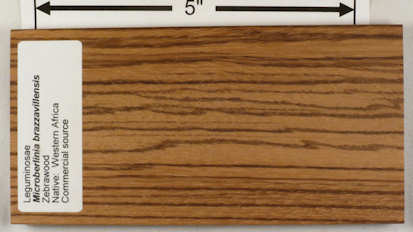
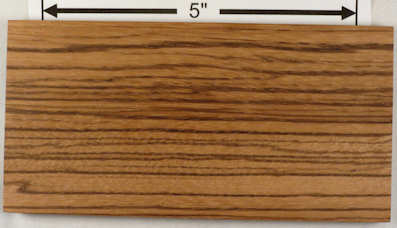
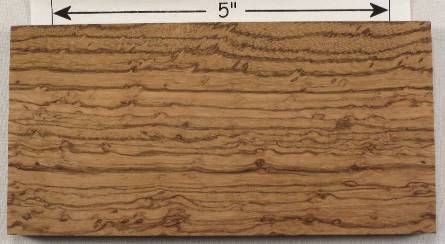
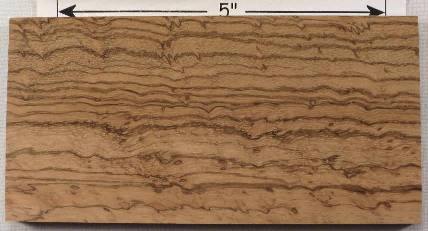
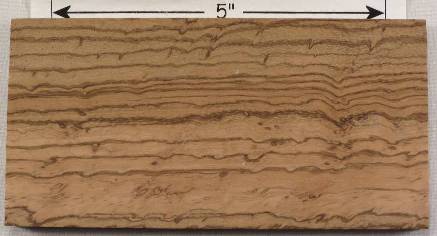
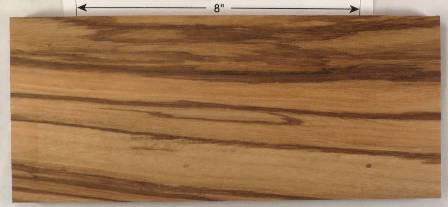
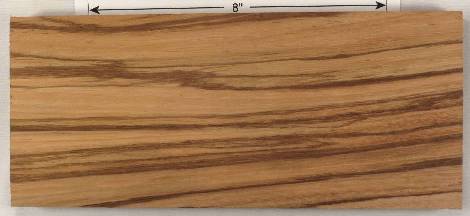
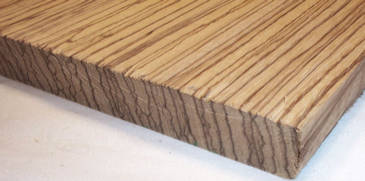
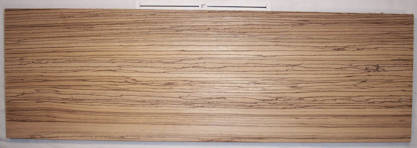
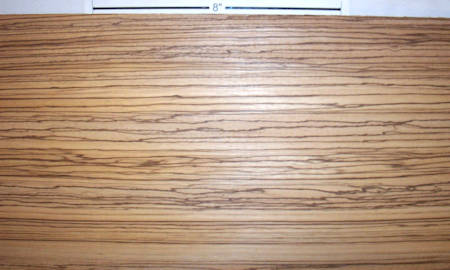
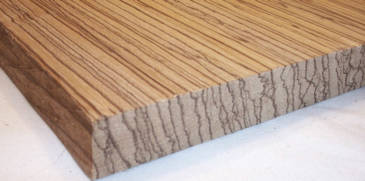
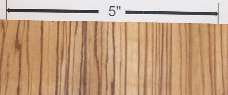
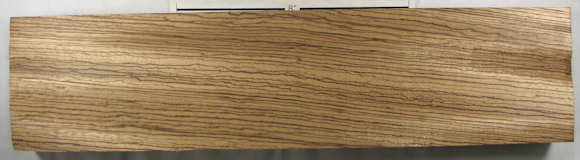
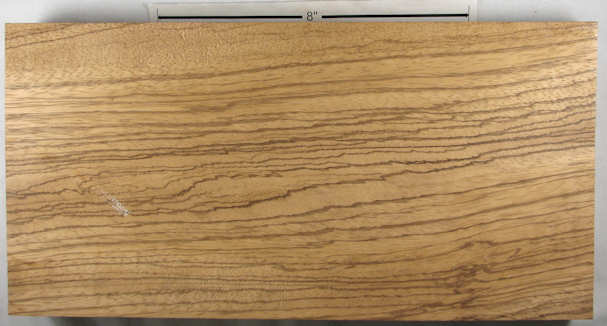
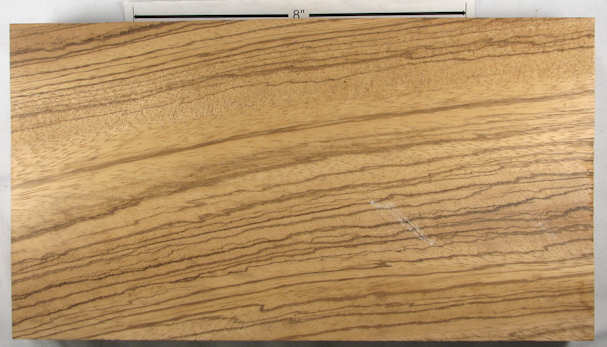
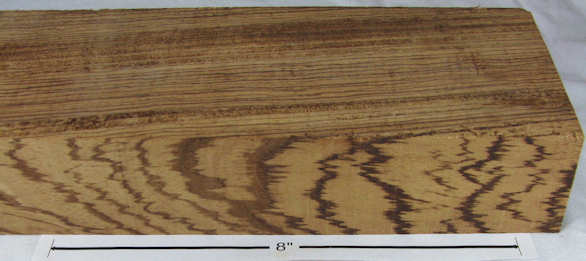
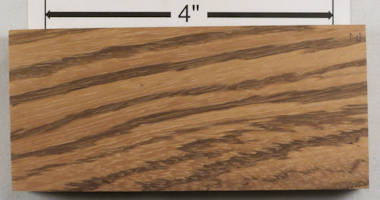
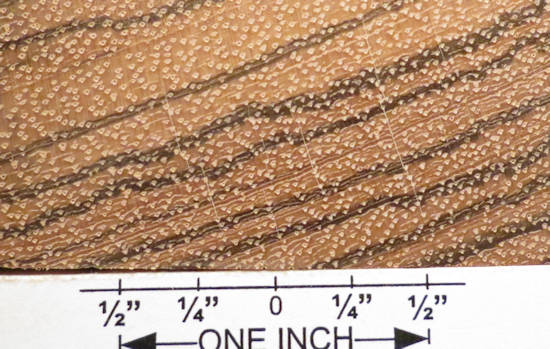
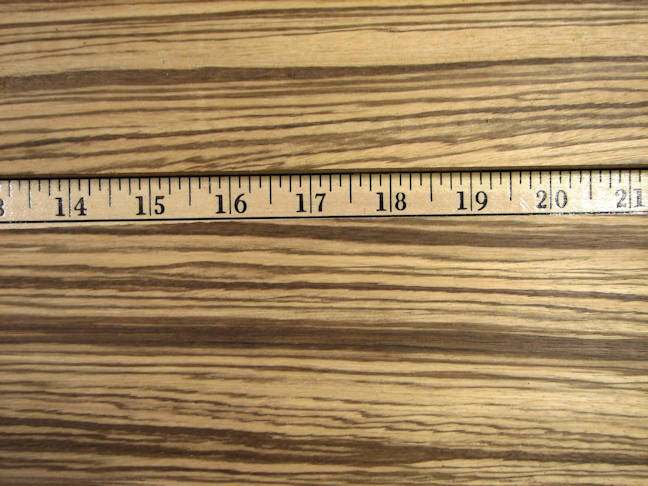
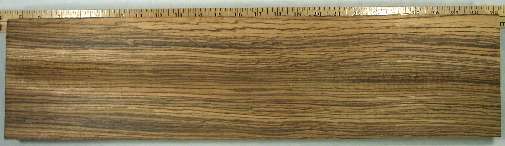
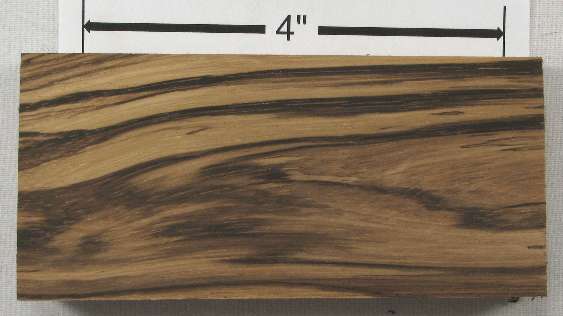
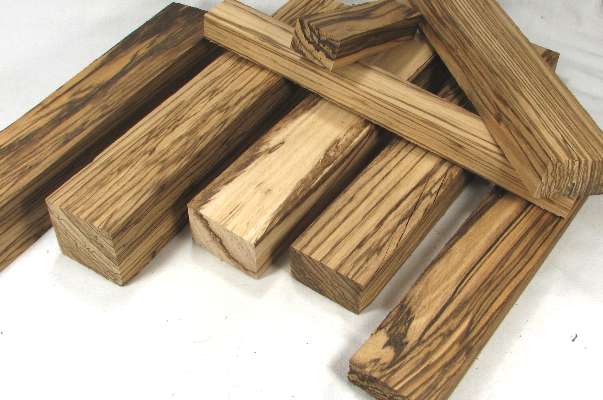
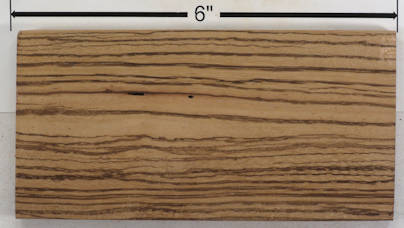
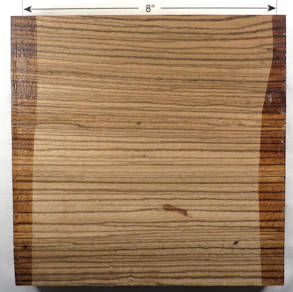
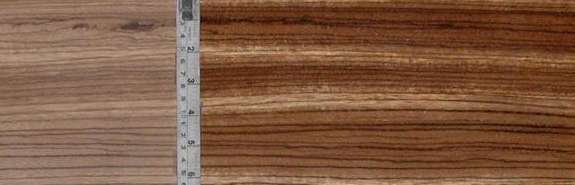
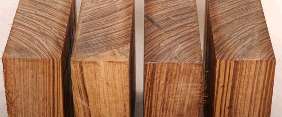
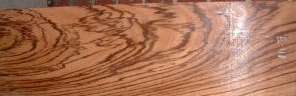
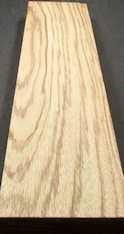
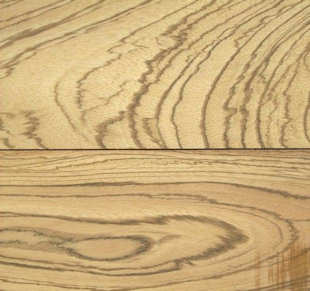
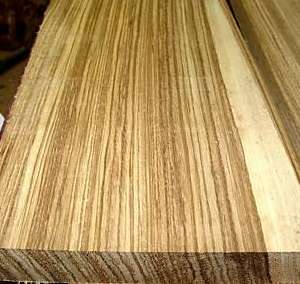
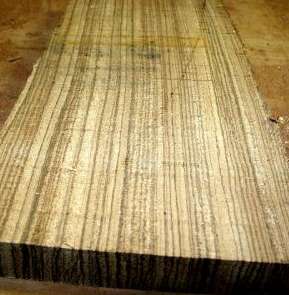
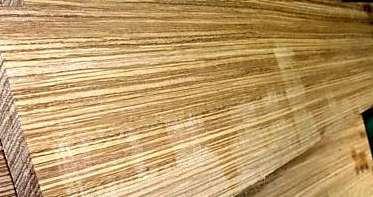
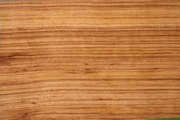
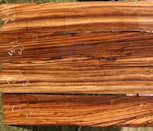
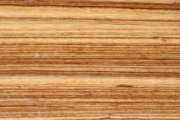
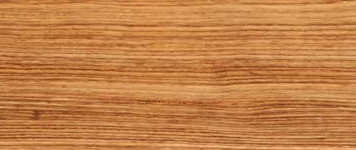
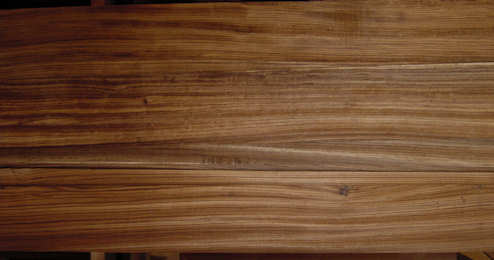
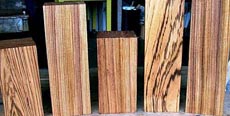
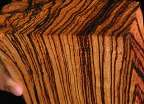
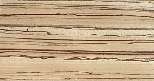
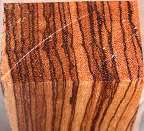
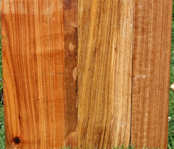
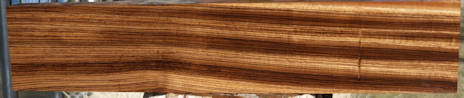
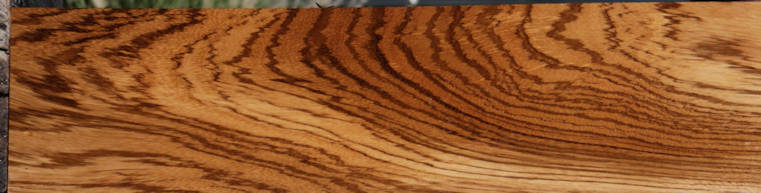
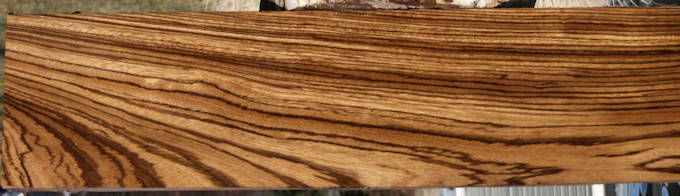
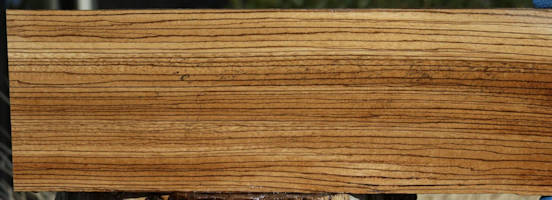
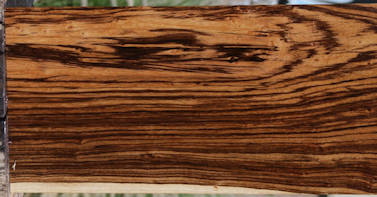
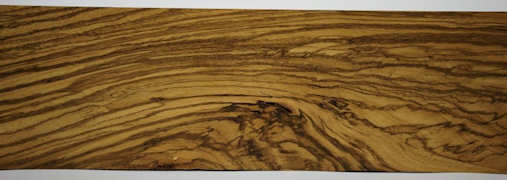
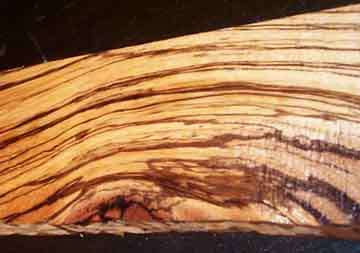
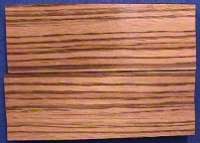
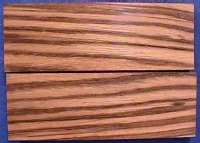
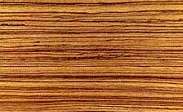
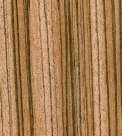
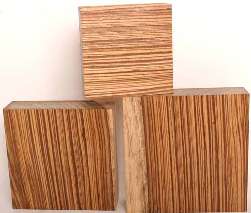
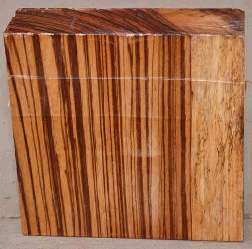
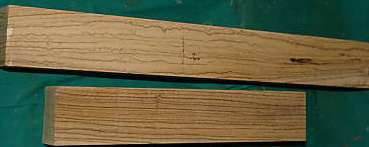
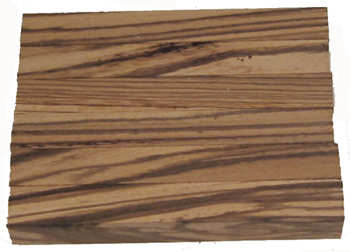
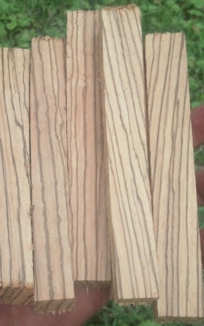
my samples --- colors are accurate
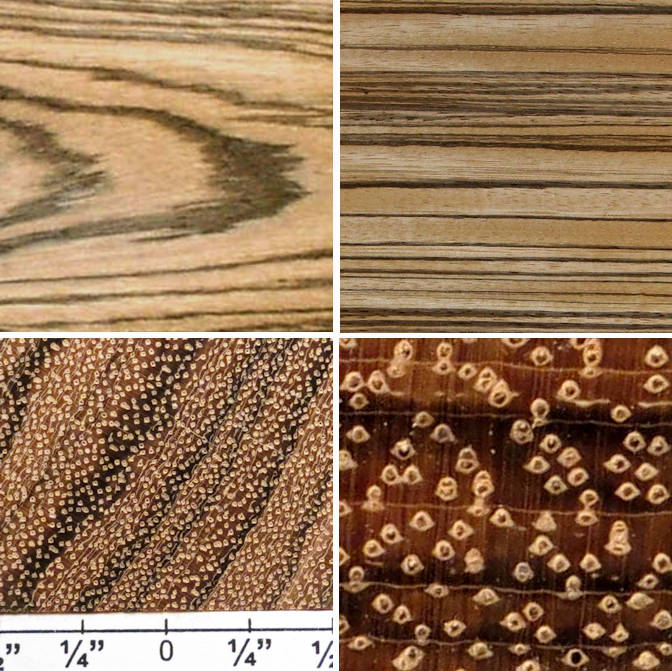
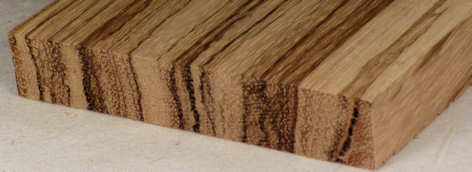
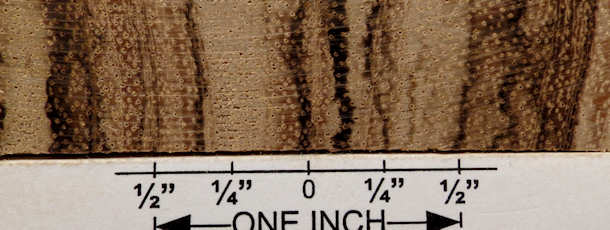
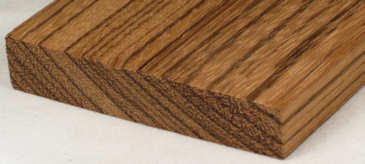
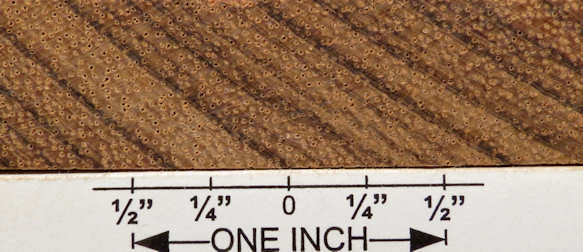
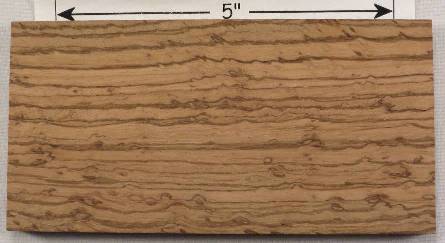
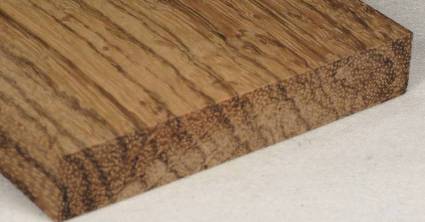
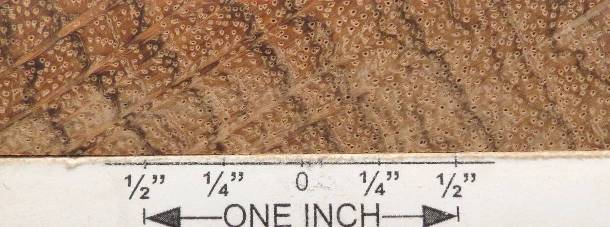
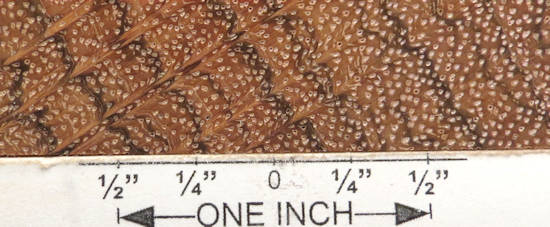
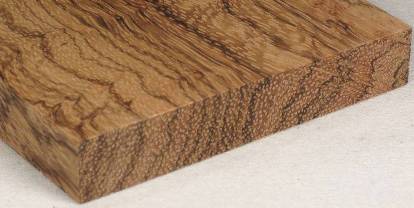
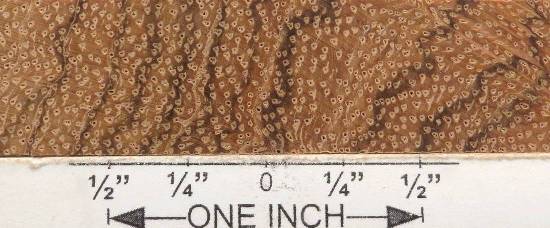
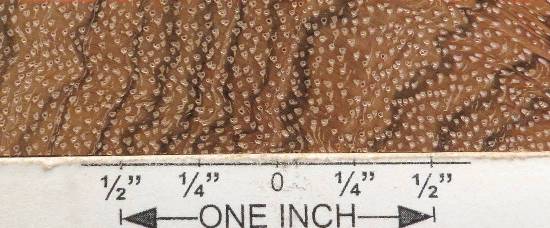
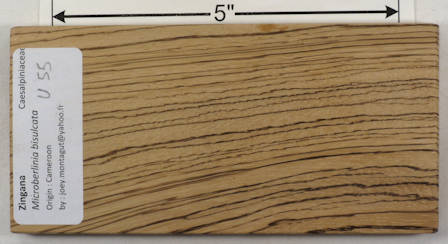
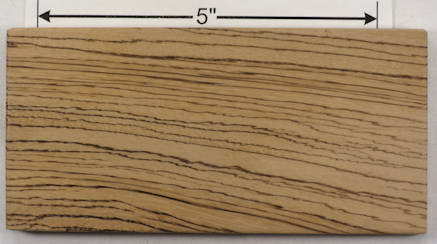
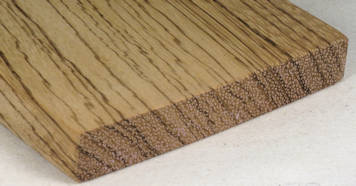
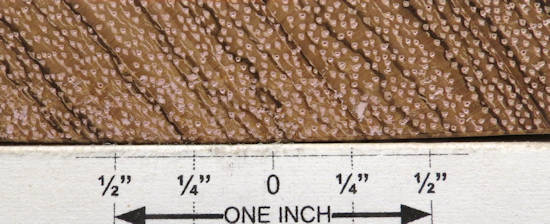
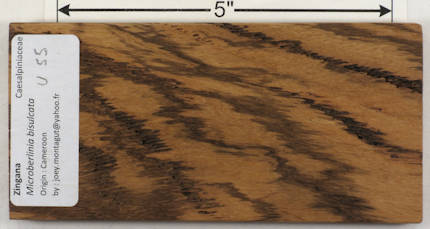
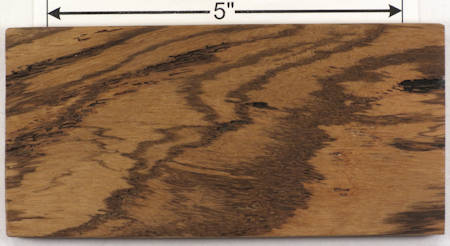
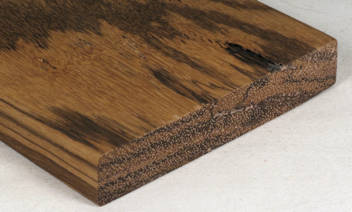
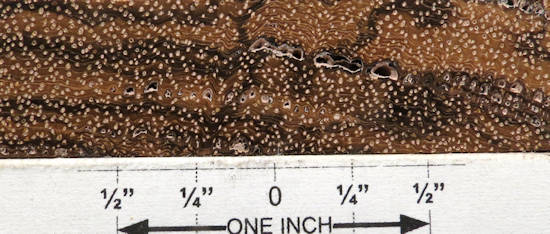
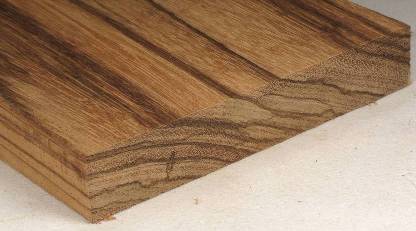
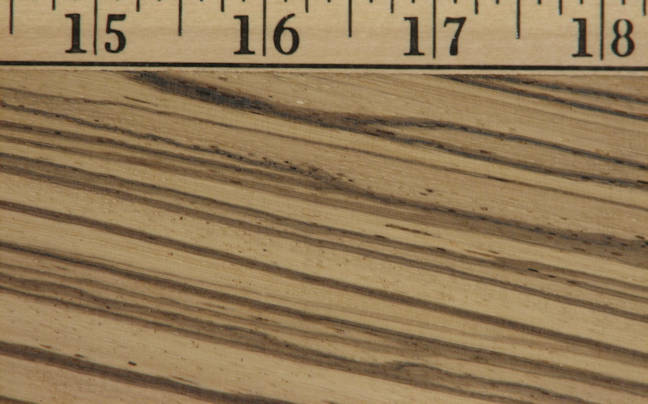
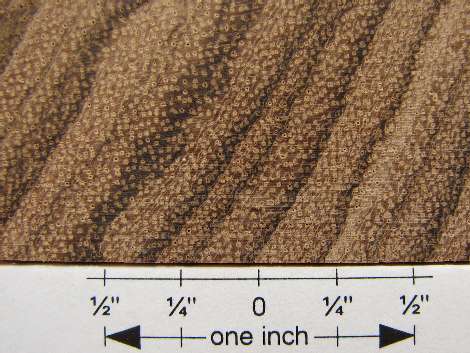
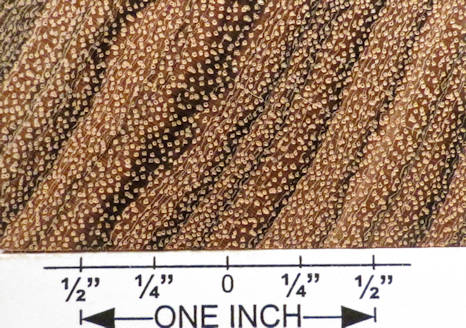
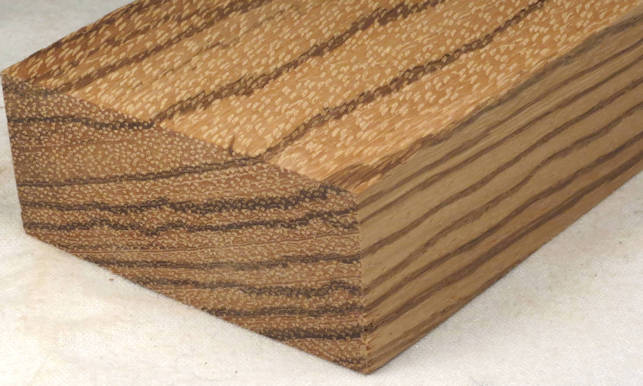
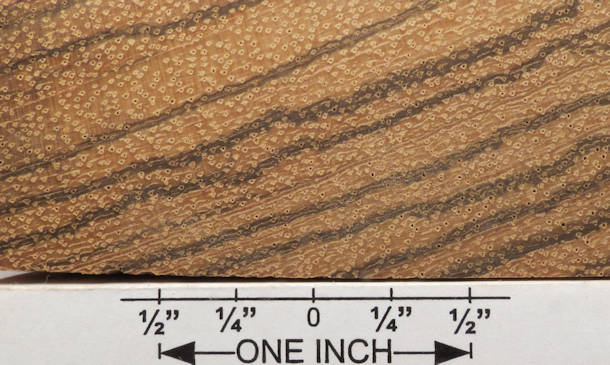
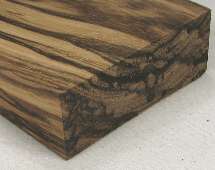
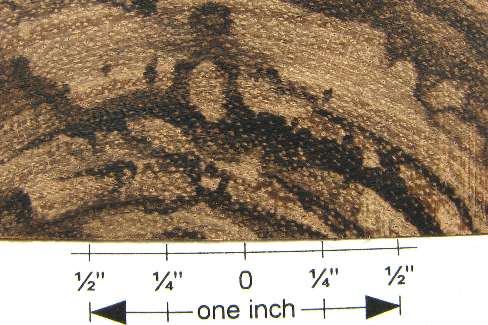
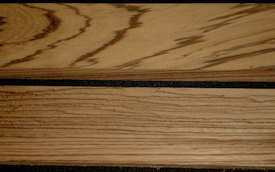
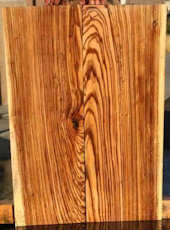
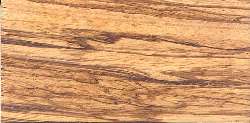
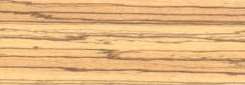
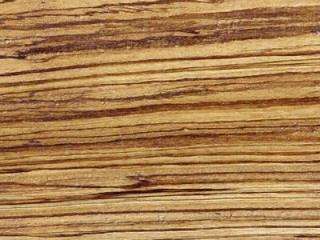
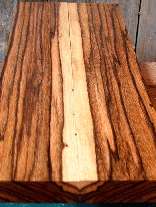
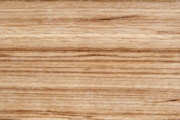
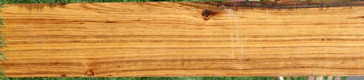
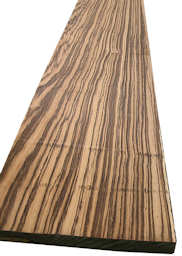
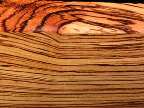
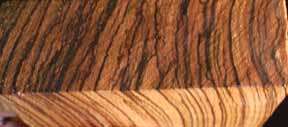
plank and closeup and end grain shot --- the end grain shot has the most accurate color representation
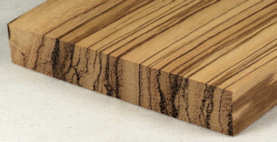
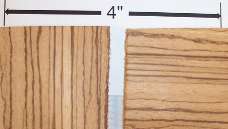
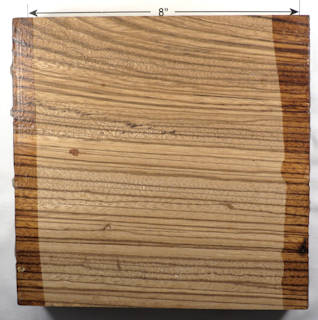
plank and end grain
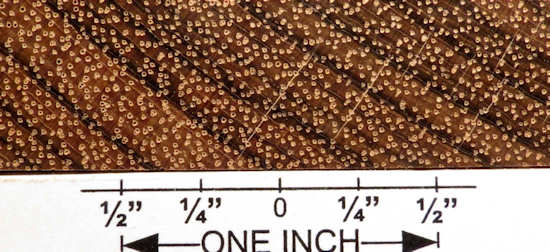
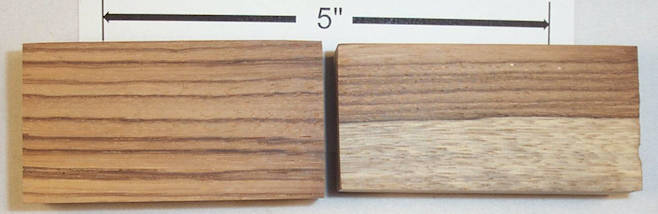
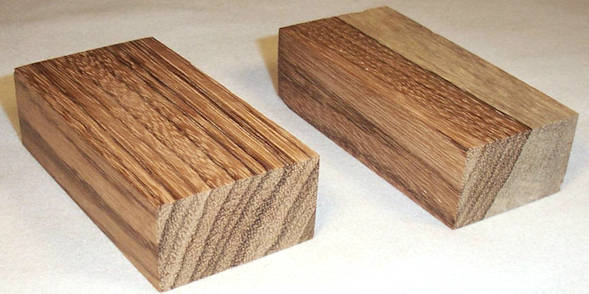
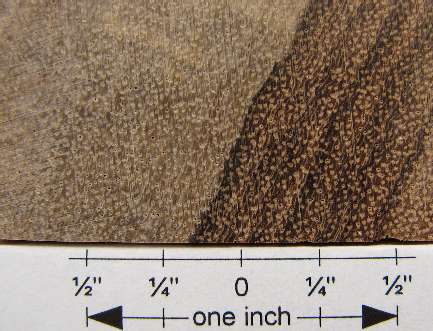
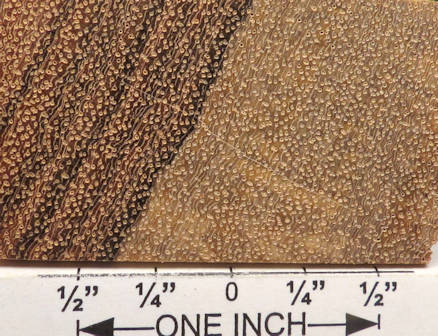
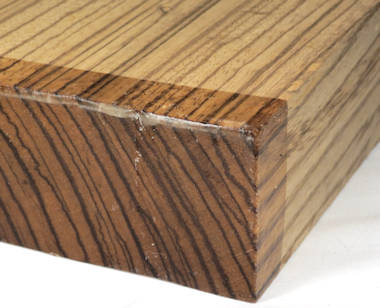
a couple of small pieces with end grain including one with some sapwood. The end grain shot was well focused, so there is a 2nd enlargement to really show the end grain up close, but the color on all these shots has just a hint too much red.
end grain closeups of the two small pieces directly above --- the color is slightly too dark
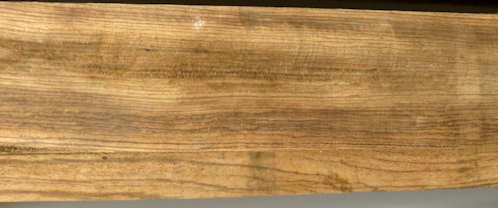
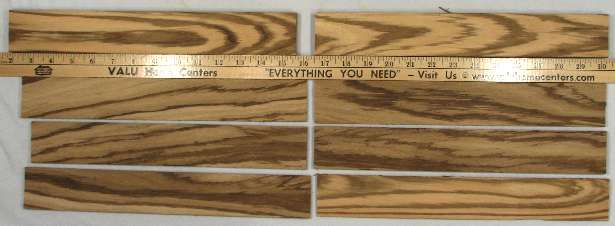
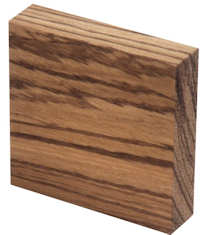
a couple of small thin pieces
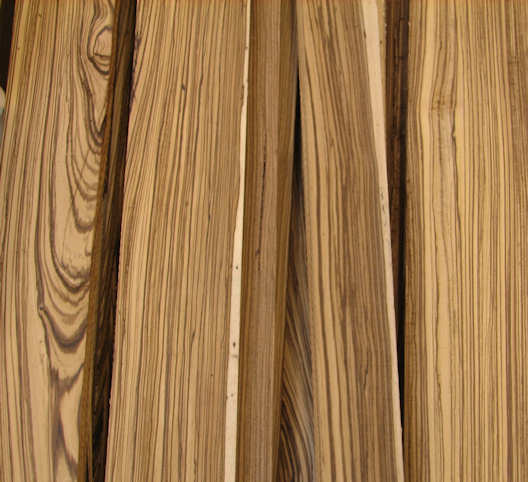
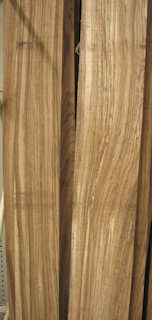
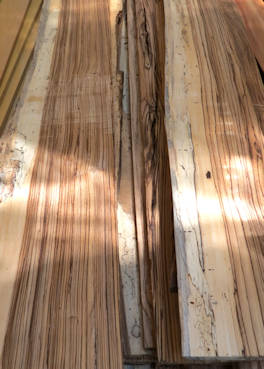
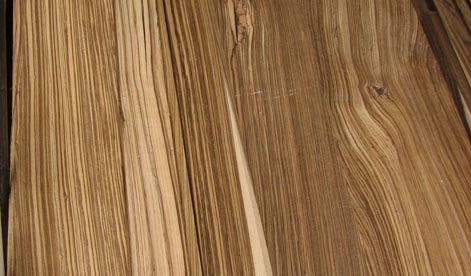
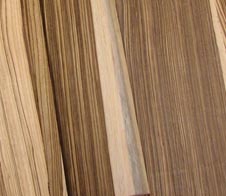
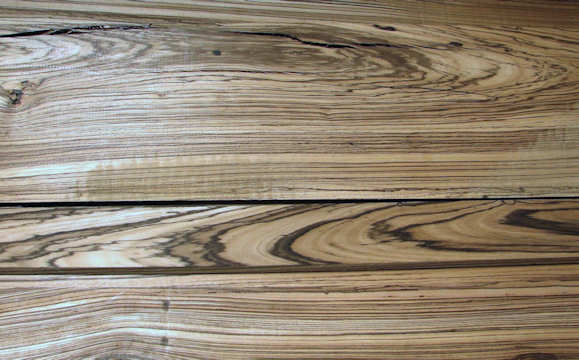
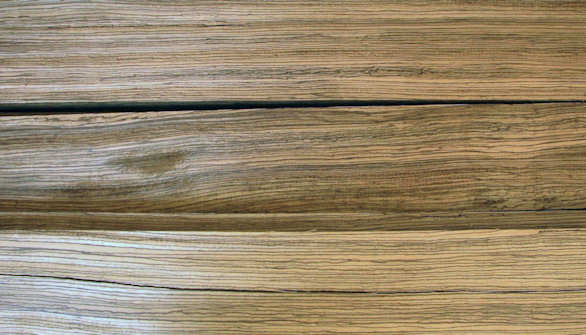
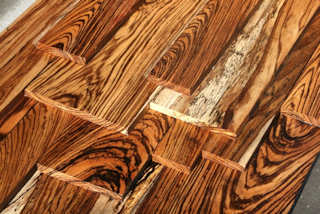
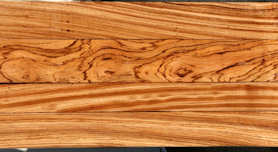
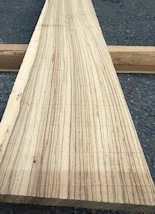
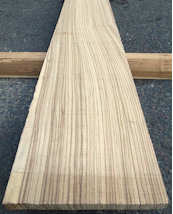
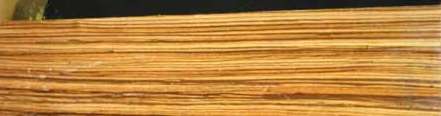
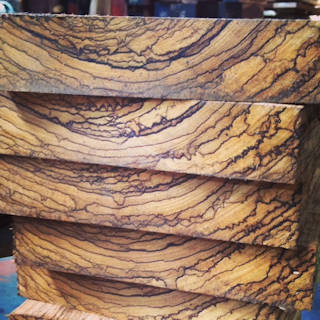
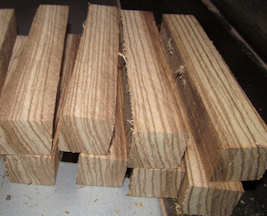
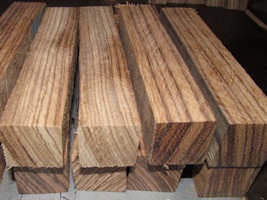
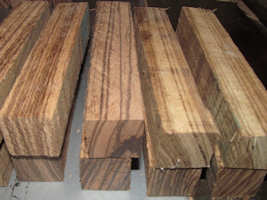
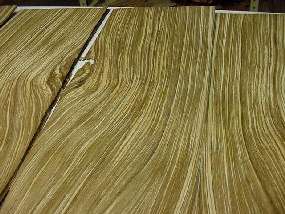
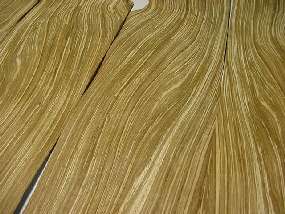
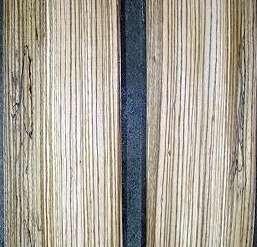
sections of a couple of shots I took at a lumber yard --- the right hand pic is of the same pile down below where the first pic was taken, and it shows some sapwood with a small amount stain that is either a mineral stain or the fairly common "blue stain"
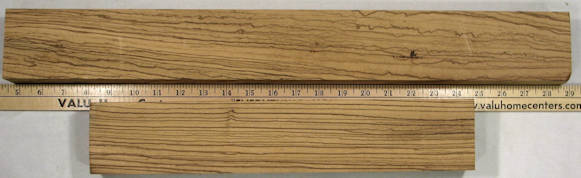
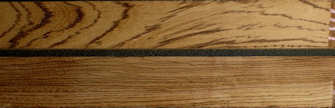
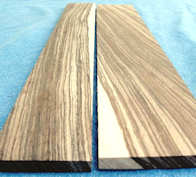
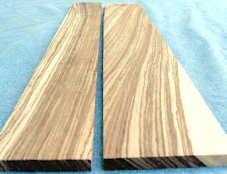
two sections cut from the same long plank, and a closeup of the pair
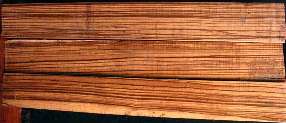
some small, thin planks
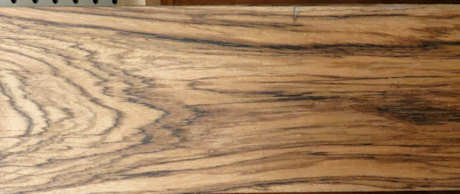
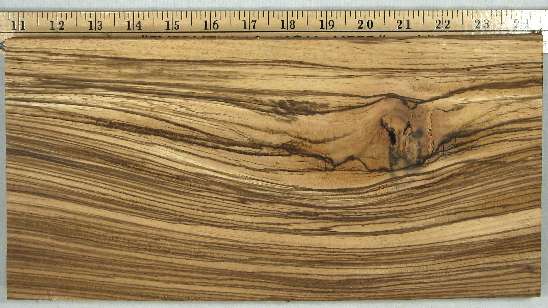
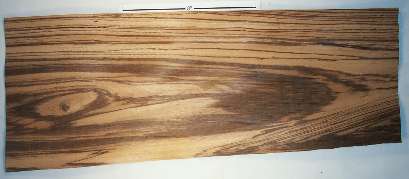
small plank purchased specifically because it has a knot area that has created some nice swirl in the pattern. Having now cut this up into smaller pieces to use in my bowls, I am glad I got it since the pieces did, as I had hoped the would, come out to be ones that will look great on the rim of a bowl.
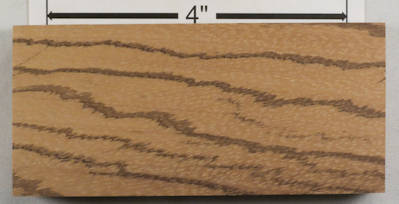
small plank and end grain. I chose this one to photograph because of the very strong color contrast in the grain that almost makes it look like macassar ebony
end grain closeup of the piece directly above
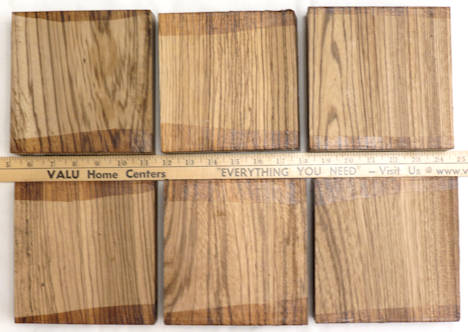
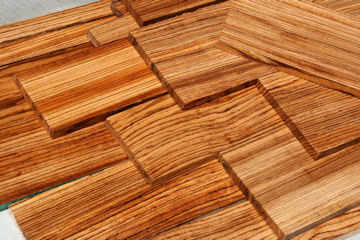
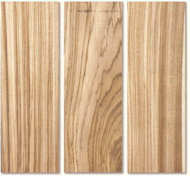
set of small pieces, showing a wide variety of grain patterns and at least some variations in color. Both enlargements are available for all three pics.
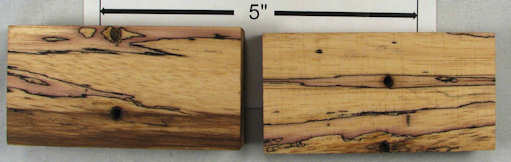
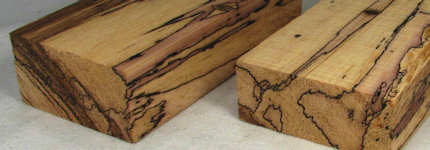
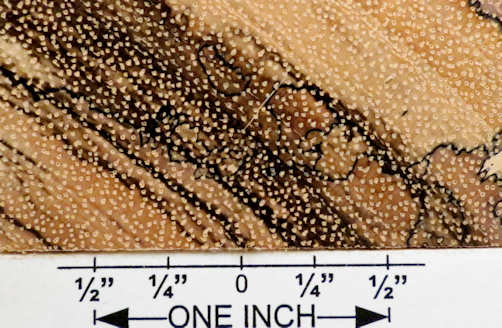
face and end grain of two little pieces of spalted zebrawood that I got in a mixed lot
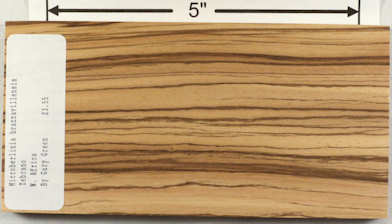
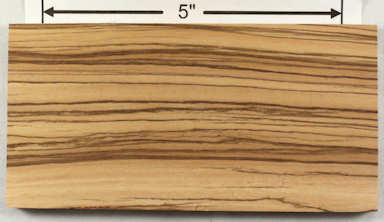
plank
plank
plank
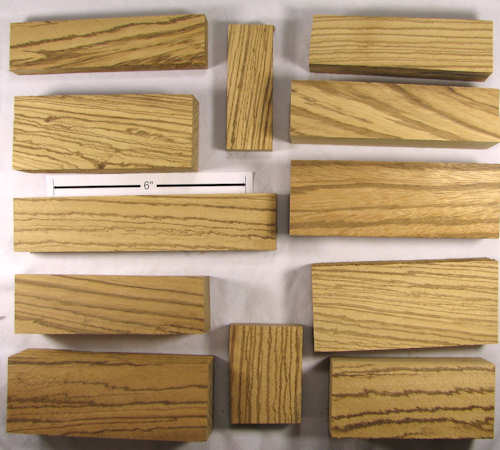
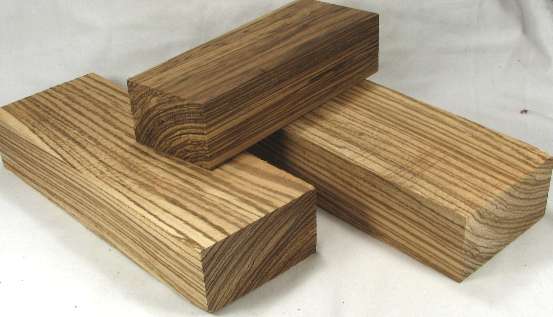
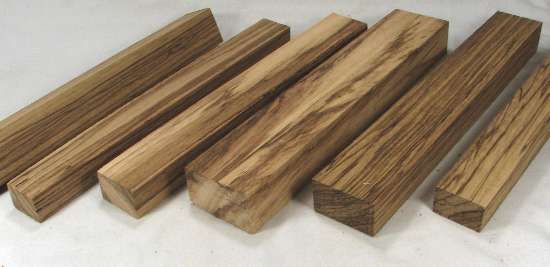
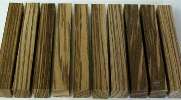
large turning sticks
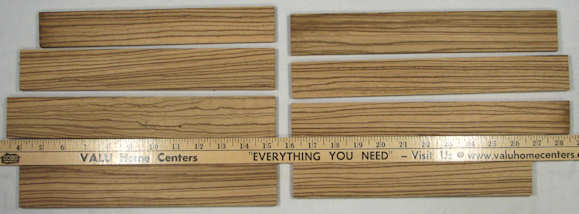
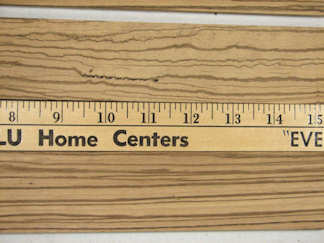
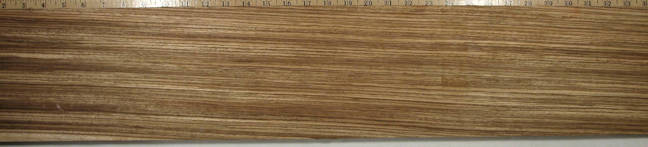
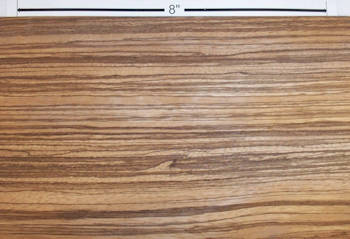
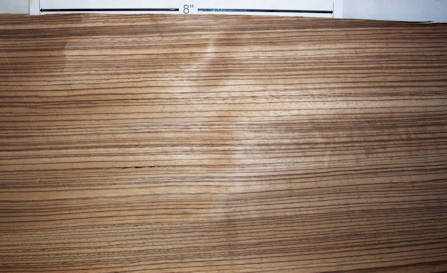
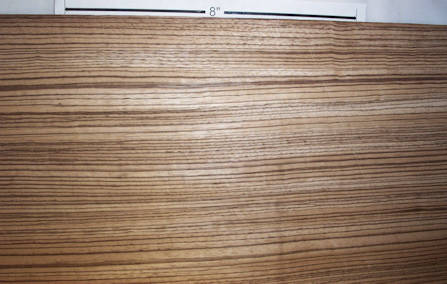
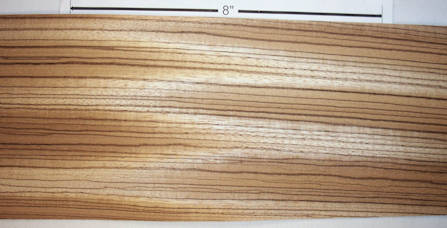
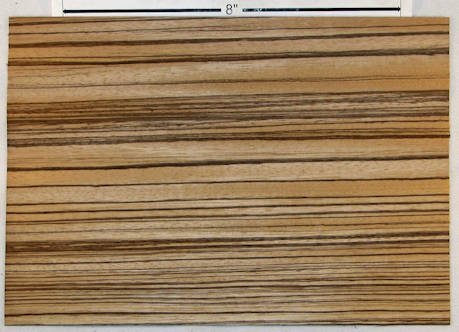
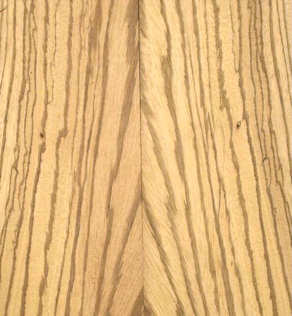
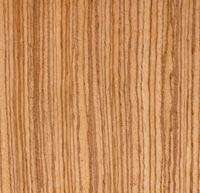
veneer with accurate color, although somehow the pic makes this piece look just a little more rich in color than reality, it is a good representation of the grain pattern.
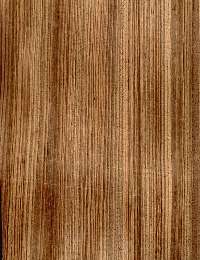
veneer --- very accurate representation
slightly more lively veneer with accurate color which is more red than is usually the case for this wood.
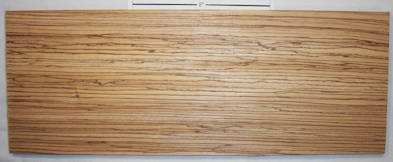
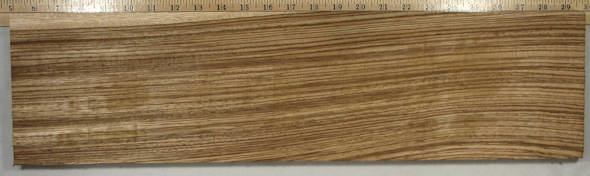
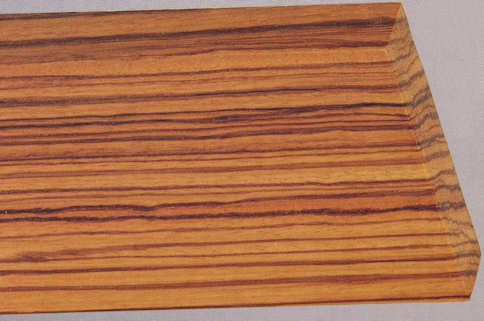
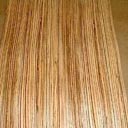
absolute "classic" quartersawn zebrawood. In both color and grain pattern, this sheet is about as "typical" as you can find.
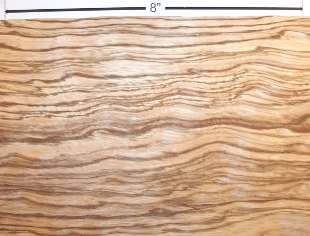
another veneer sheet just showing some variation in the pattern --- in this sheet, the light colored areas are larger and lighter than is usually the case, and the grain is more wavy than usual.
"bird's eye" zebrawood veneer --- the first sheet is 2 feet long and has absolutlely no eyes at all but comes from a longer sheet that did in fact have a few "eyes", as shown in the 2nd pic. Reputable vendors list "bird's eye" zebrawood, but the number of eyes is a joke. These sheets are fairly representative and there are a couple of web pics down at the bottom of this page.
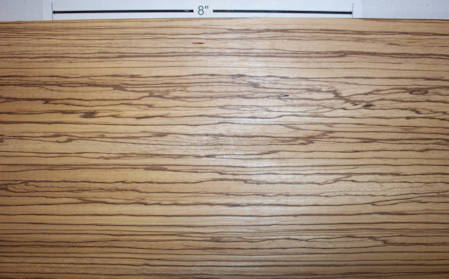
flat cut veneer sheet and closeup --- the color on the distance pic is just slightly off but the closeup is very accurate.
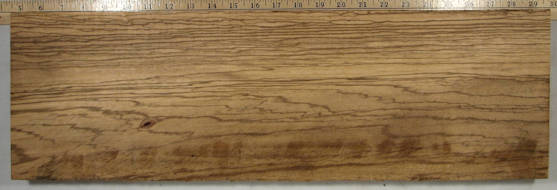
mildly oddball plank that was on sale at a wood show
web pics
a plank with both wet and dry sections
nice shot of end grain
web pic of a board that looks exactly like one I once had, so I consider it to be very accurate in color even though it is more green than the other pics on this page.
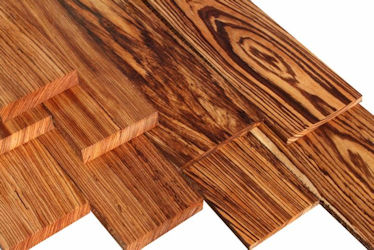
a 9-inch wide plank and a two veneer pieces
long plank
planks
a closeup
an unusually swirly piece
on these two pics of long planks, there is an apparent optical interference pattern in the picture that goes away when you click to the biggest enlargement
planks --- on the very last pic, the color includes too much yellow to be anywere near normal.
planks --- the first two seem to me to have too much red and the last one looks very accurate in color
planks
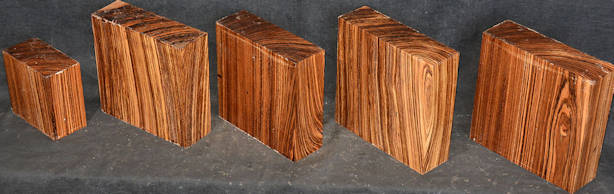
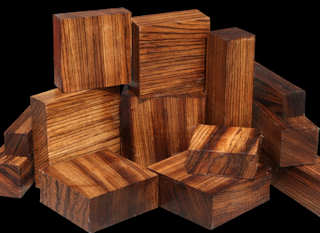
bowl blanks
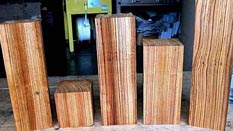
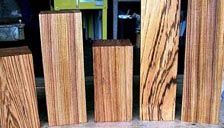
turning stock (enlargement gets rid of the optical interference pattern that makes the lines look jagged)
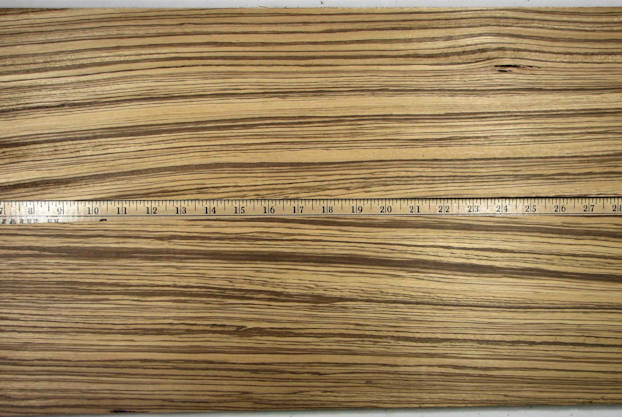
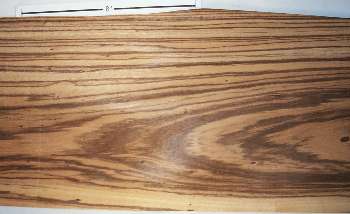
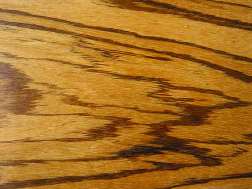
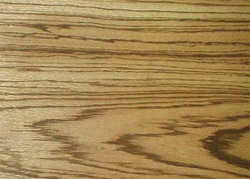
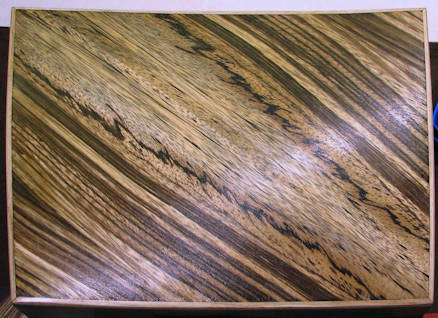
both sides of a really nice flat cut plank --- as you can see from the pics on this page, zebrawood is usually quartersawn since that's what gives it the distinctive zebra striping, but obviously flat cut can have spectacular results.
plank, side grain and end grain --- this is from the BogusColorVendor so the red color on the top of the side grain is likely bogus. The upper surface on the top of the side grain picture shows another example of what flat cut zebrawood looks like and also shows quite clearly how the difference in cutting results in the quartersawn zebra-strip look and the swirly-grain flat cut look.
pen blanks with way off-color greed tint --- zebrawood can have a green tint, but nothing like this.
veneer
veneer, all from the same vendor, and it's a vendor whos pics tend to make veneer look more bland than it really is
veneer sheet closeup with both levels of enlargement
"birdseye" veneer --- a VERY few tiny eyes doesn't (to me anyway) justify calling this birdseye.
spalted veneer
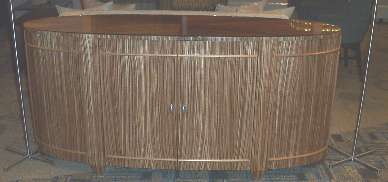
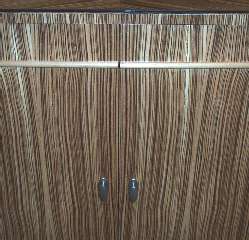
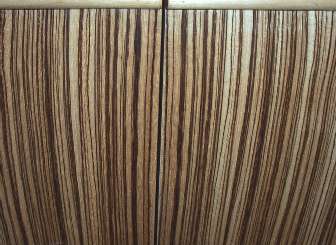
a zebrawood cabinet (and closeups) found in a Hyatt hotel in Jersey City. The lighting was poor and my flash could not overcome it, so the distance pic appears much more washed out than the cabinet really was. The last closeup gives a better representation of what the wood really looks like, but none of these pics really does justice to the piece.
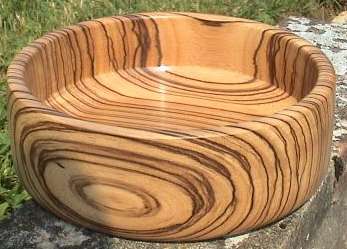
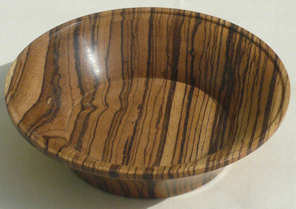
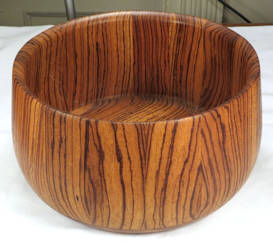
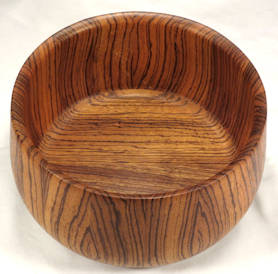
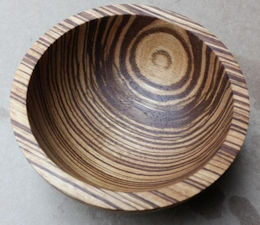
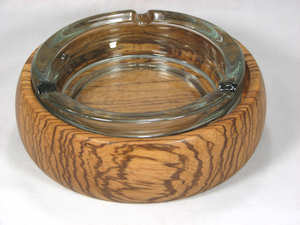
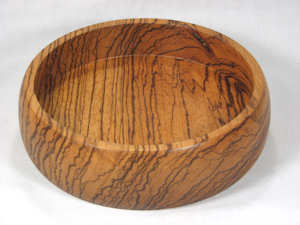
bowl turned by one of my correspondants, whose name I have temporarily misplaced
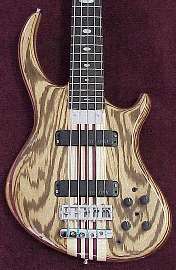
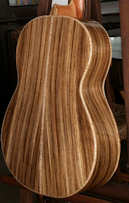
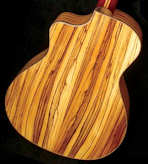
guitar --- very nice use of flat cut zebrawood
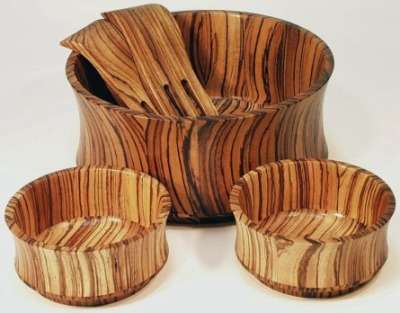
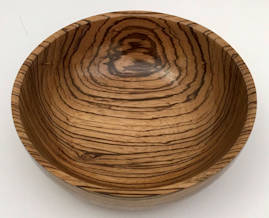
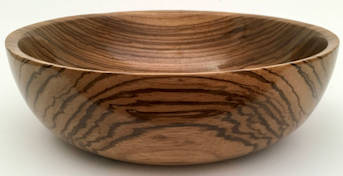
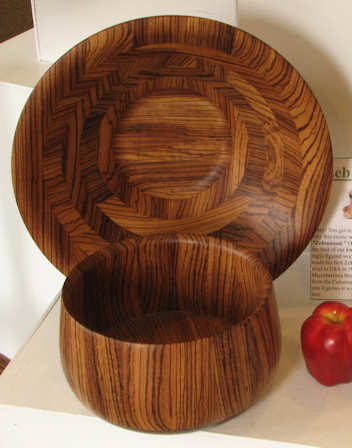
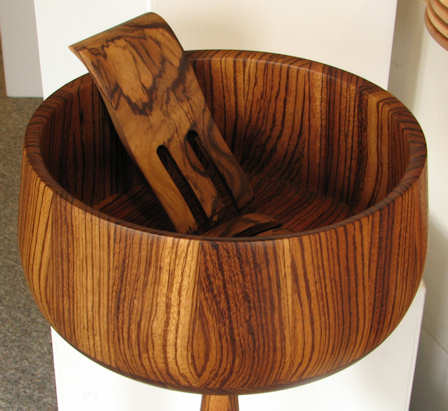
bowls --- really nicely done set
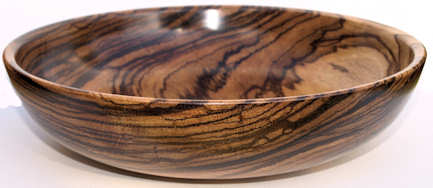
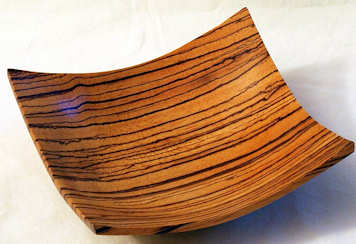
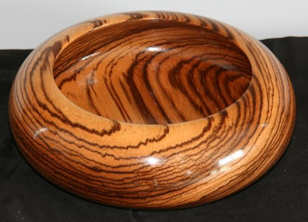
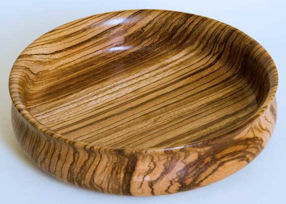
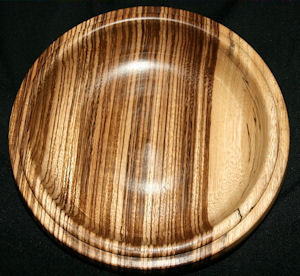
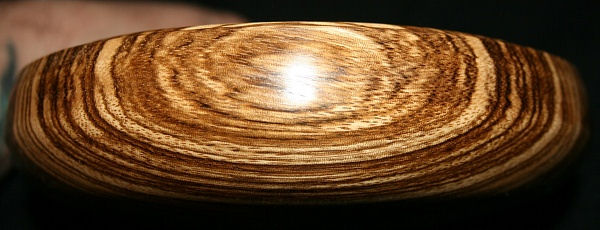
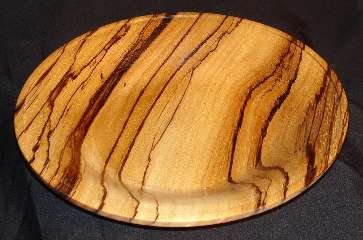
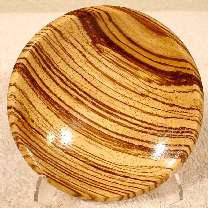
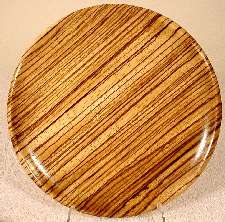
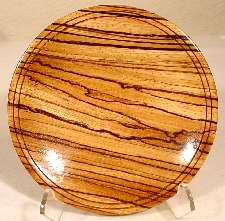
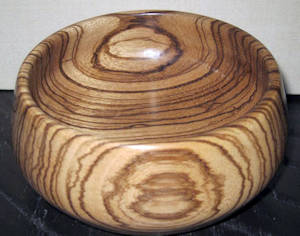
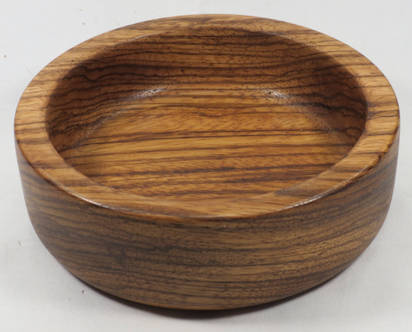
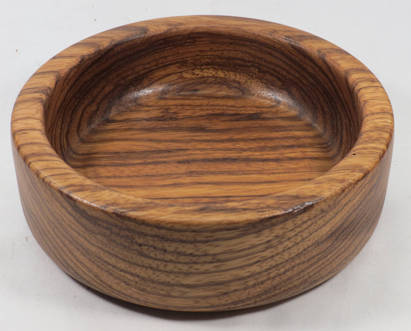
shallow bowls
bowls by Bryan Nelson (NelsonWood). Bryan fine-polishes his bowls with 1200 or even higher grit sandpaper while they are spinning at high speed on the lathe and then finishes them there with a friction polish of his own devising, thus achieving a shine and color vibrancy that is beautiful to behold. These bowls are all about 5" across.
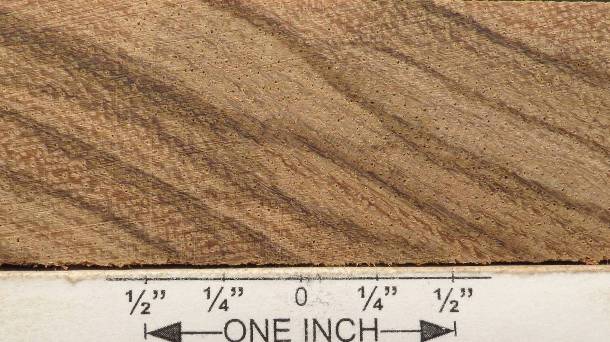
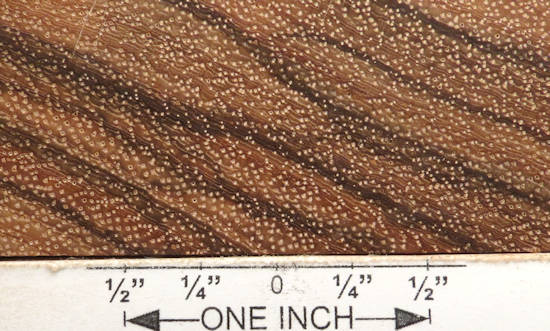
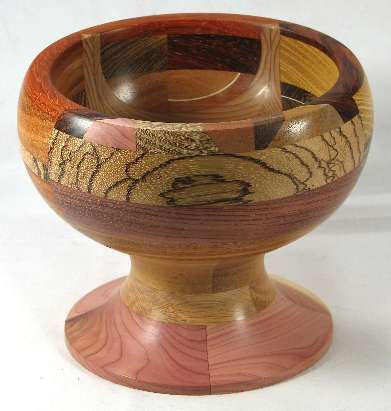
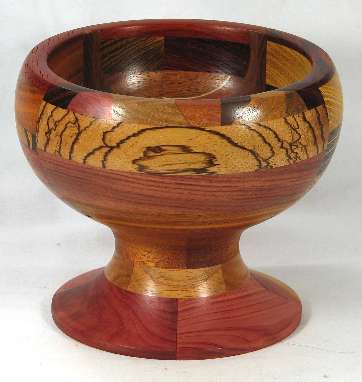
zebrawood highlight on one of my laminated bowls. On the left is the raw wood and on the right is after a single application of natural stain. Polyurethane will follow later. The enlargements will show particularly clearly how the pores are quite visible. They (the pores) show up quite white in the raw pic but that's because they are clogged with zebrawood sawdust. After the stain was applied they were less visible, although certainly not INvisible. With the application of polyurethane, they will become quite subdued.