In the USA, mulberry is generally Morus citrifolia of the family Moraceae but there are several others including:
Morus alba = white mulberry, weeping mulberry
Morus bombycis/bombysis = Korean mulberry, Japanese mulberry
Morus intermedia = white mulberry
Morus lactea = African mulberry
Morus macroura = Asian mulberry, yellow mulberry
Morus mesozygia = African mulberry (some authorities now say this is Afromorus mesozygia, which actually makes more sense ... see sample below)
Morus microphylla = littleleaf mulberry, Texas mulberry, mountain mulberry, Mexican mulberry
Morus nigra = black mulberry, English mulberry
Morus notabilis = Chinese mulberry
Morus rubra = red mulberry, black mulberry, silkworm mulberry
Morus serrata = mulberry (an Asian variety)
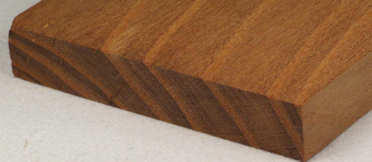
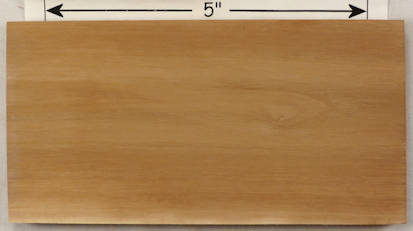
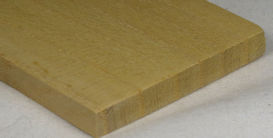
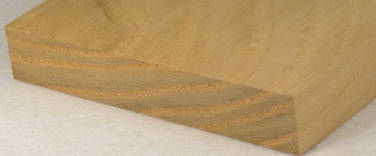
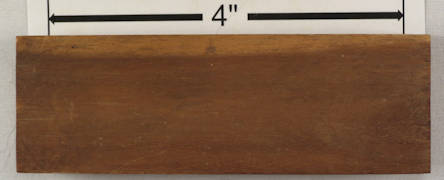
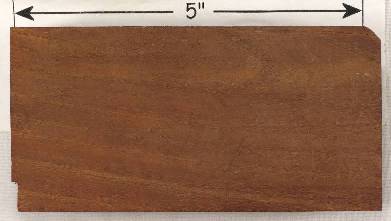
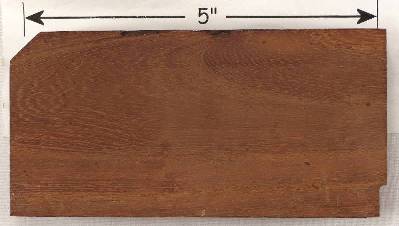
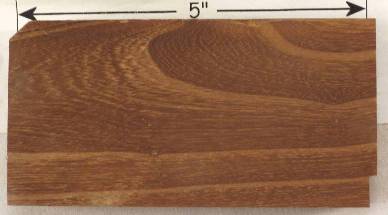
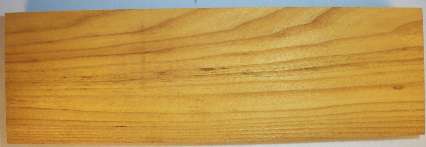
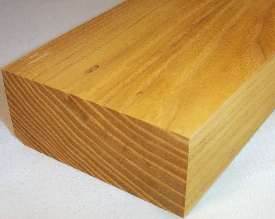
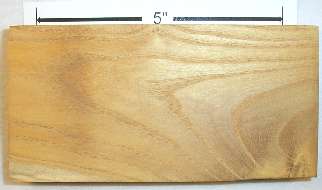
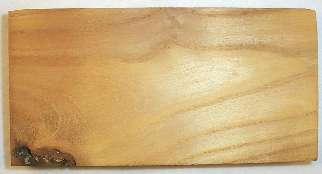
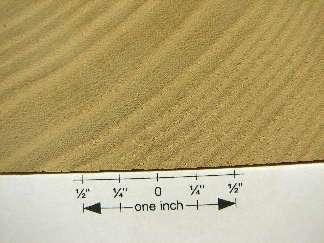
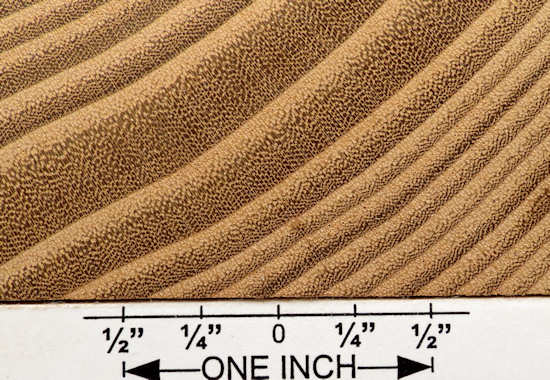
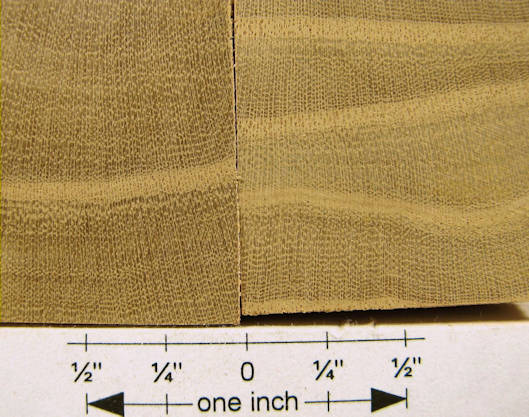
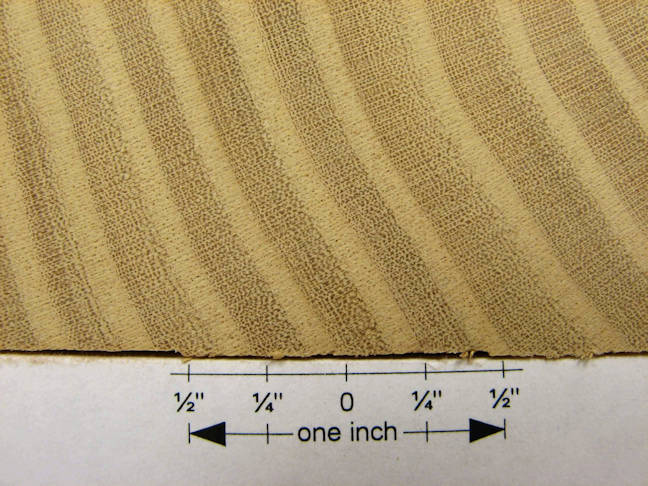
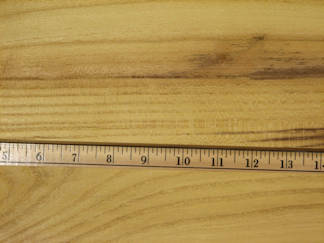
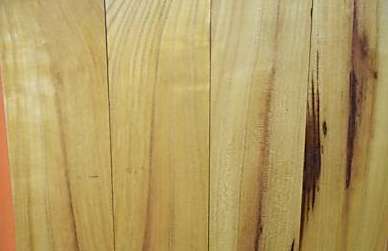
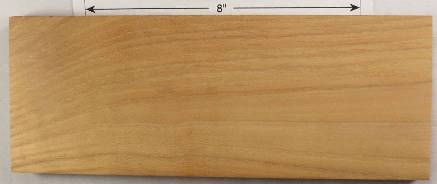
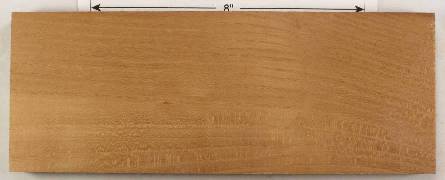
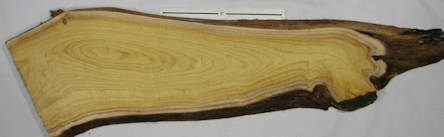
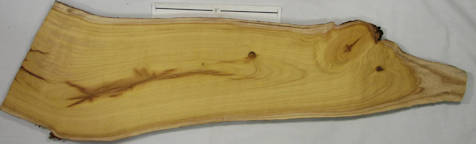
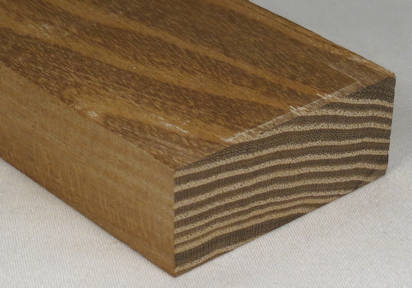
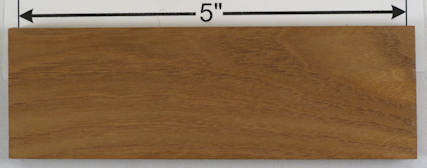
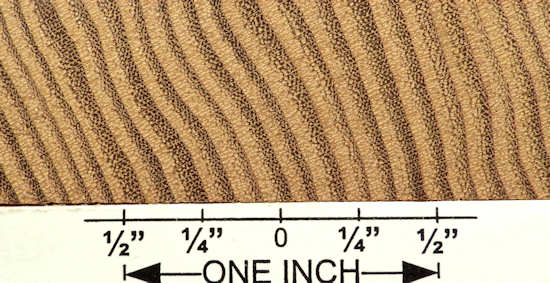
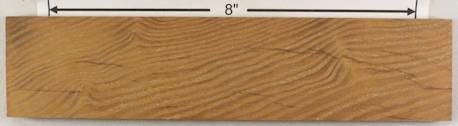
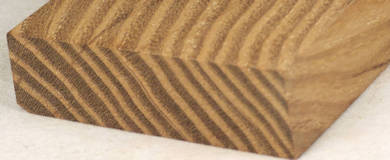
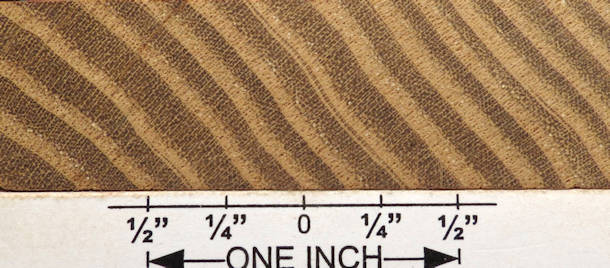
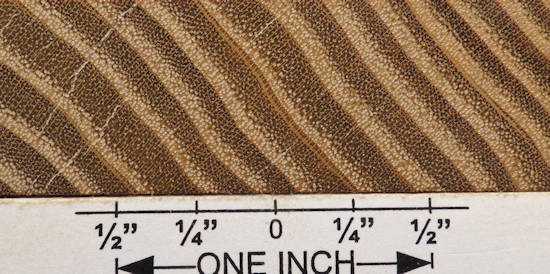
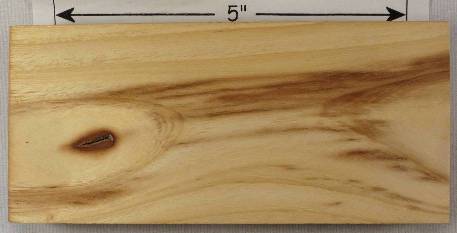
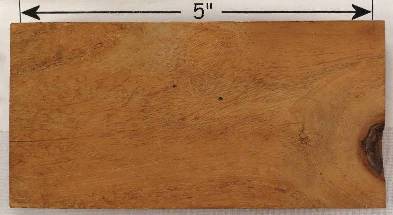
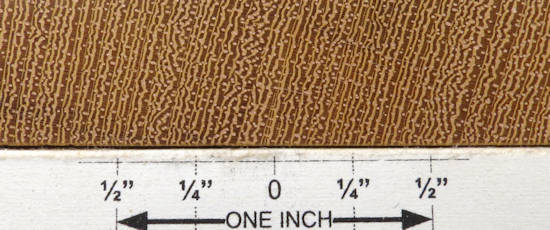
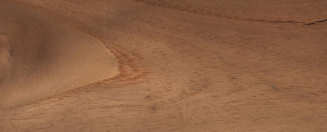
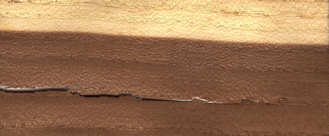
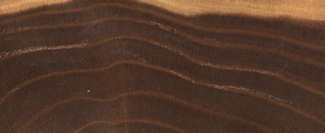
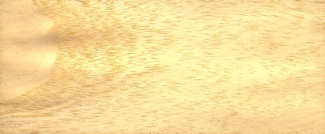
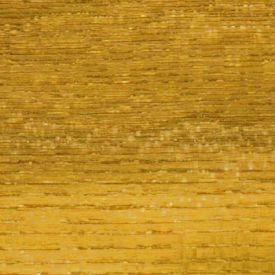
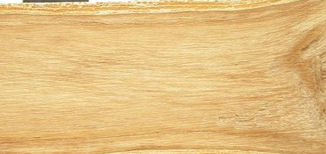
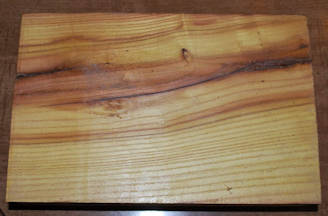
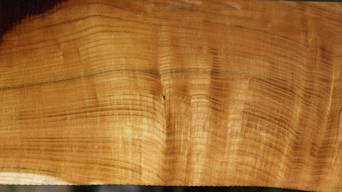
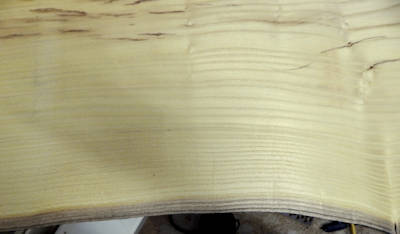
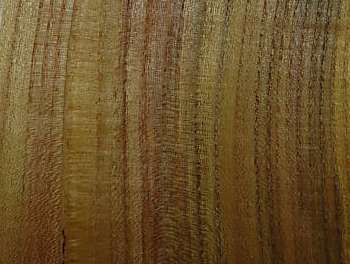
A medium density hardwood with a closed, straight grain. Color is a bright yellow sapwood with a light tan heart wood. Color tends to turn brown with exposure to sunlight --- see the bowl example near the bottom of this page. I've seen sawyer's comments that when cutting a fresh piece the chips and surface are bright yellow but with just little sunlight, for perhaps an hour, the heartwood clearly starts burning brown and the sapwood stays bright white. And again, in my experience, the darkening continues from there and pieces can become quite a dark brown given enough exposure to UV.
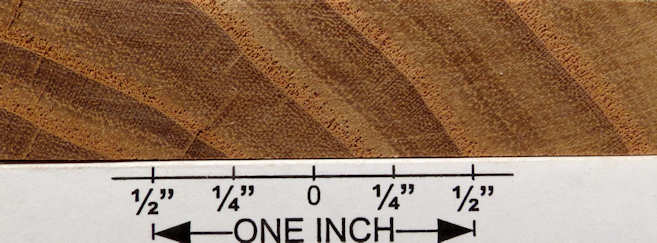
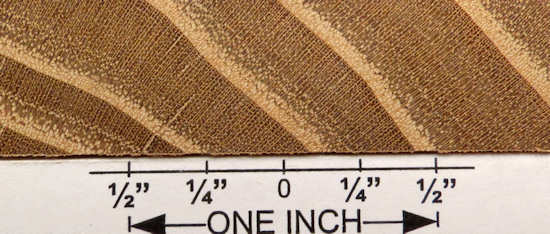
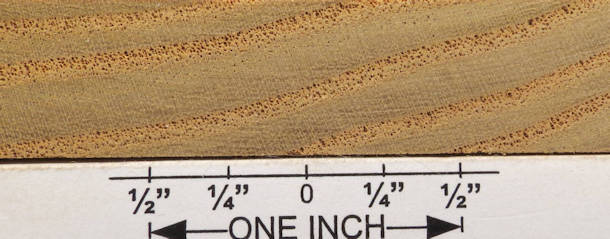
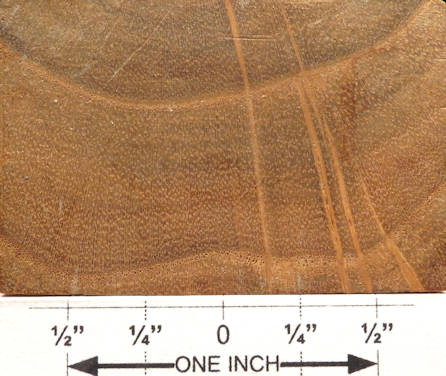
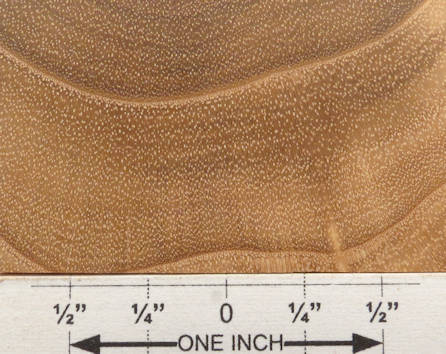
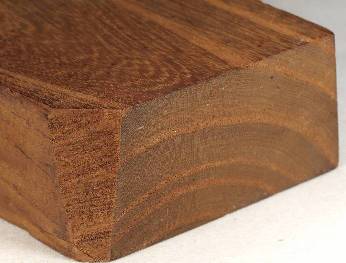
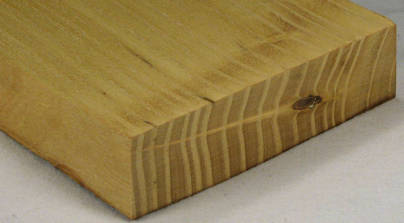
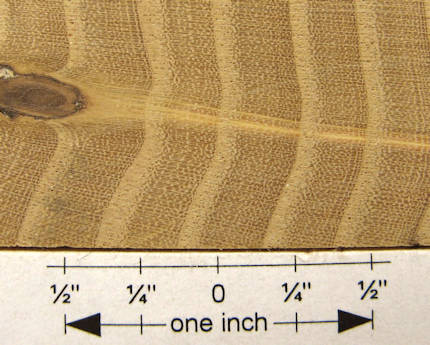
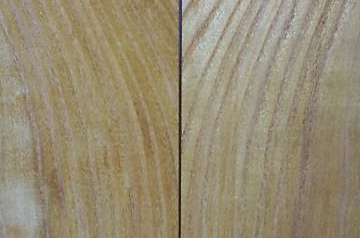
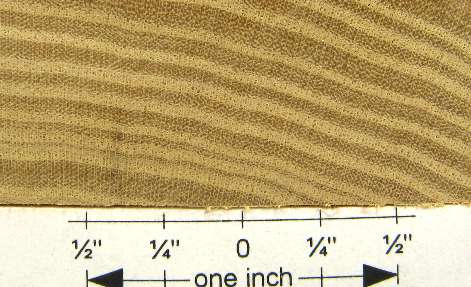
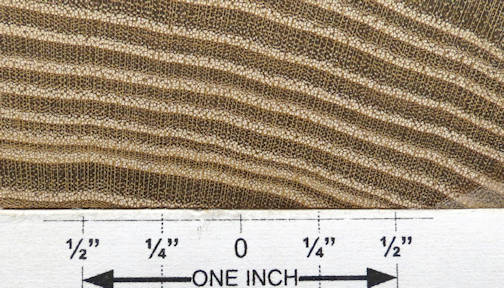
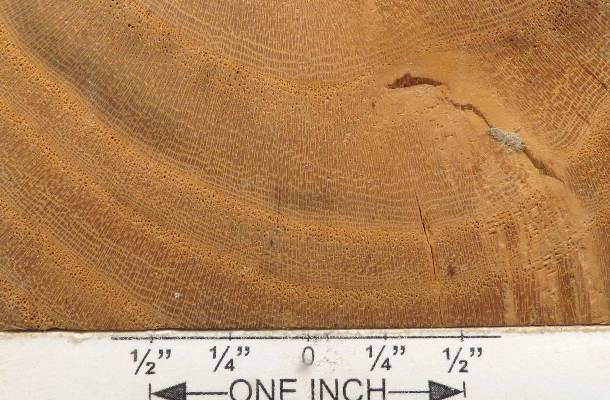
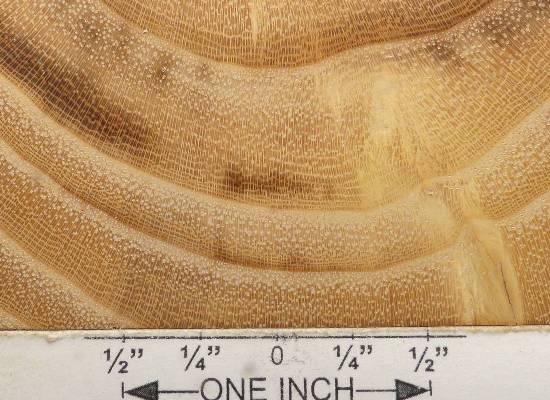
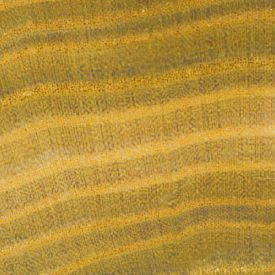
To the uninitiated, this wood can be confused with osage orange, but differences in the wood structure are trivially easy to spot, most particularly in the end grain. The late growth in mulberry is full of open pores, much like ash, whereas the late growth in osage orange is solid. Also, the rays and general structure are different but that's harder to detect. See the end grain closeups of both on this site. Another thing that makes them very easy to distinguish is that mulberry is about 40 pounds per cubic foot where as osage orange is about 55.
my samples: NOTE: these pics were all taken in very bright incandescent lighting ("soft white" at 2700K) colors will vary under other lighting conditions
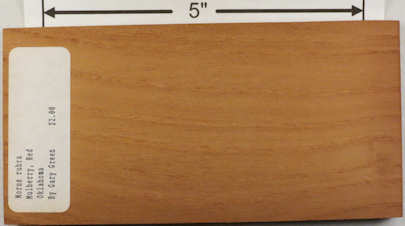
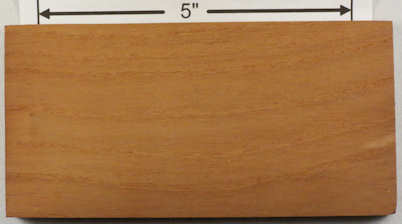
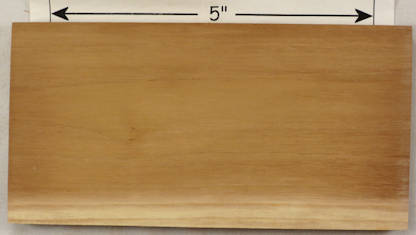
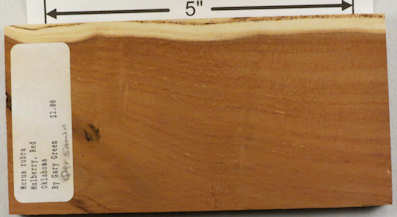
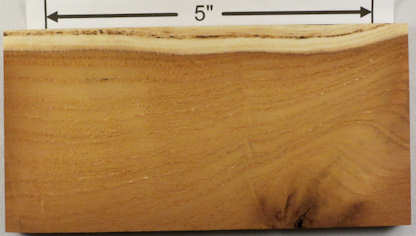
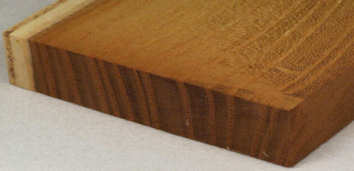
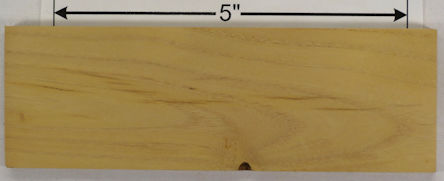
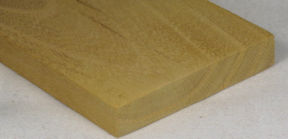
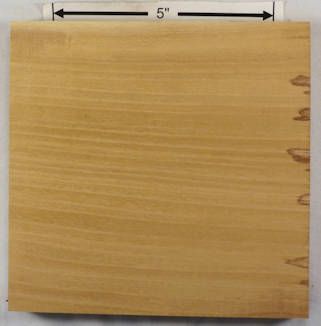
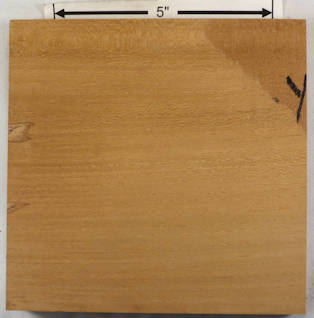
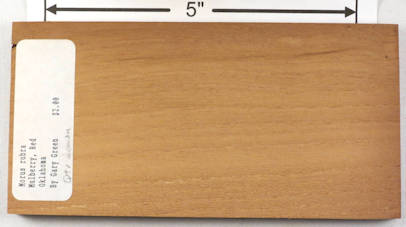
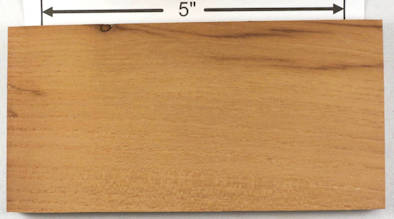
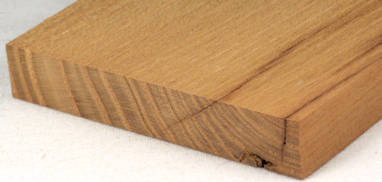
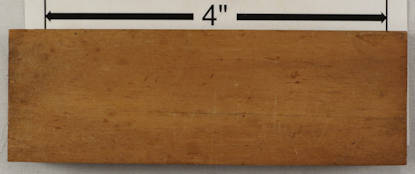
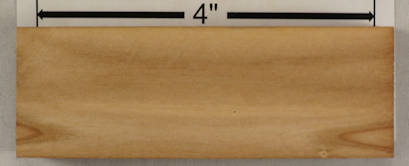
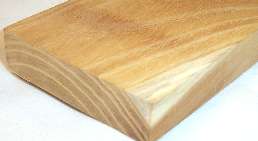
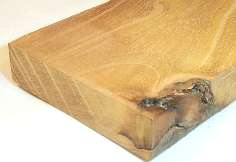
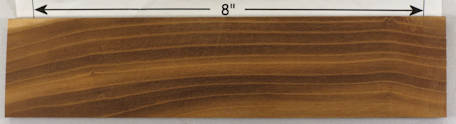
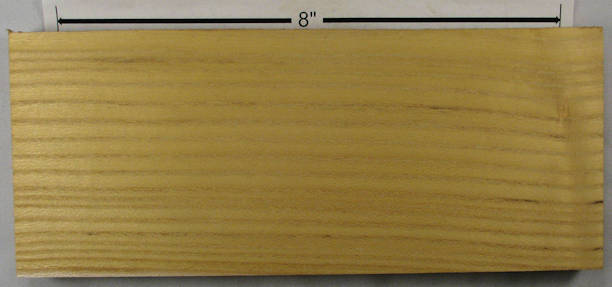
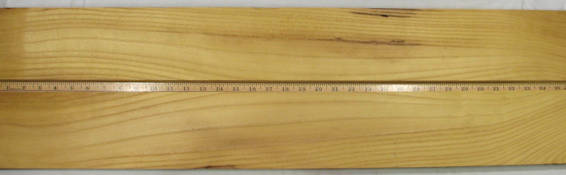
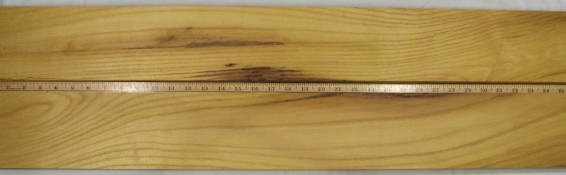
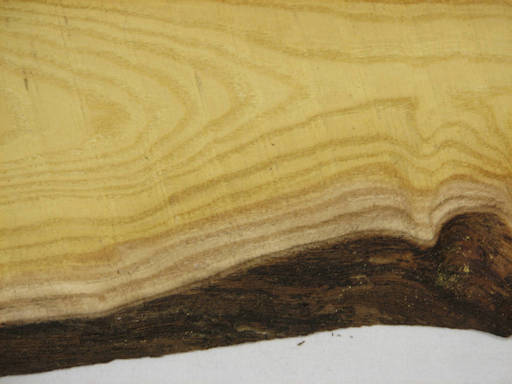
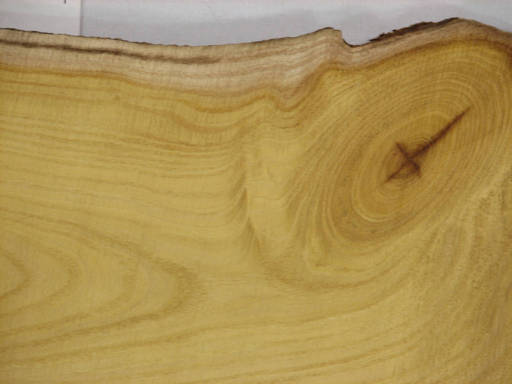
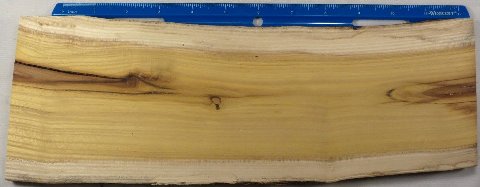
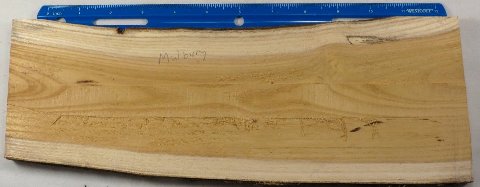
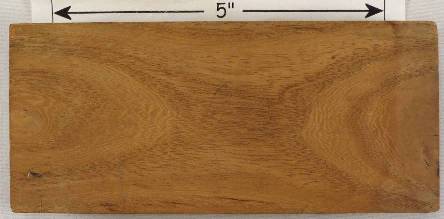
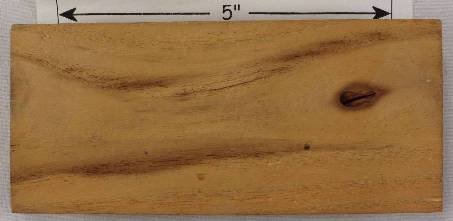
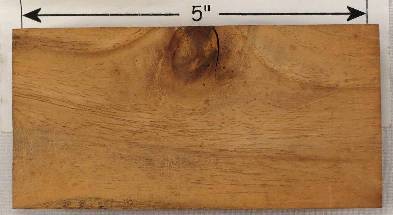
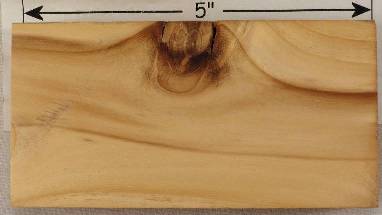
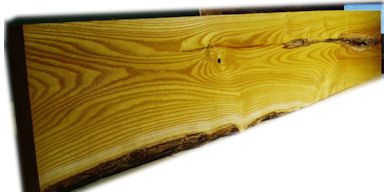
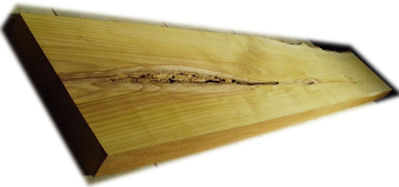
both sides of a sample plank of red mulberry / Morus rubra --- HUGE enlargements are present
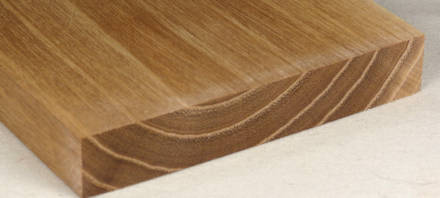
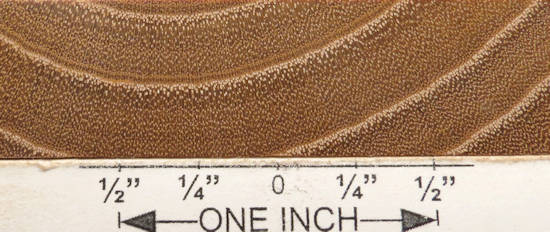
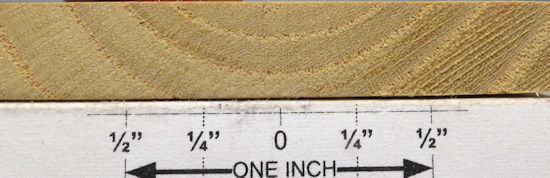
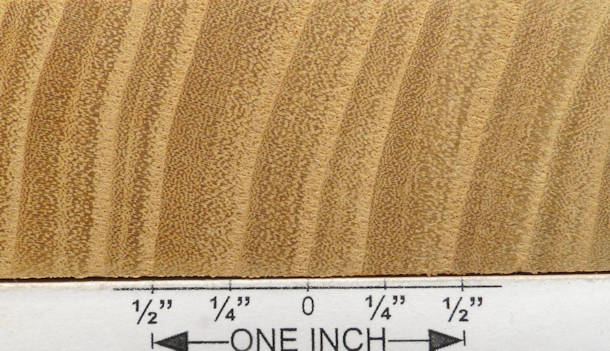
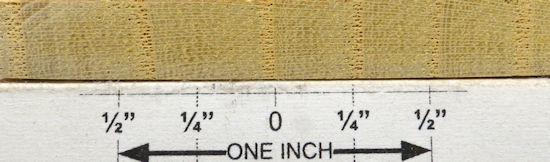
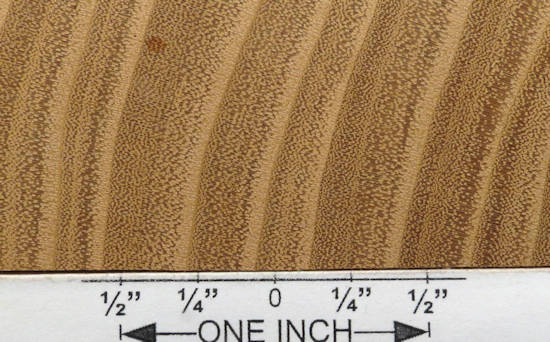
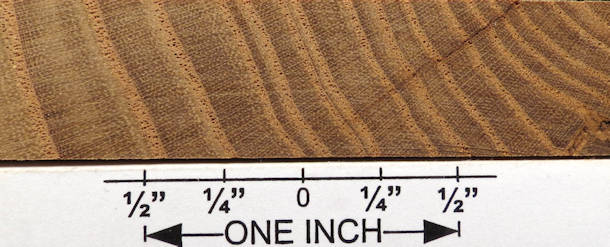
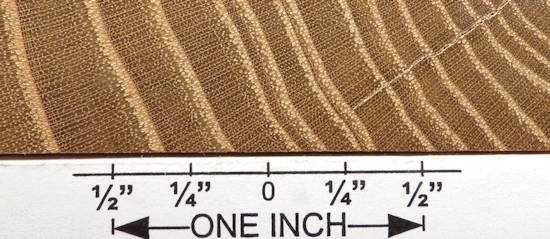
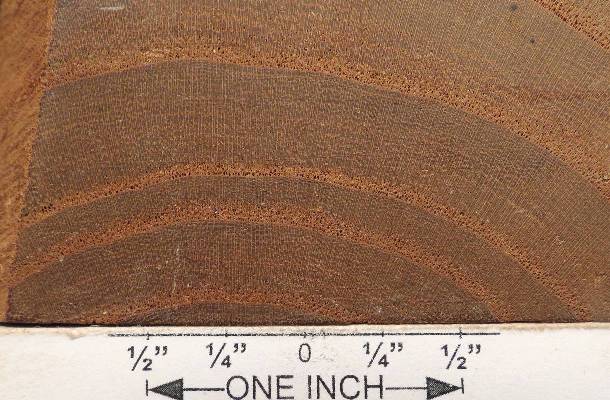
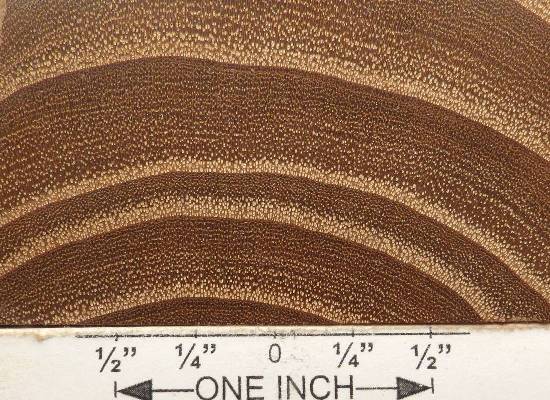
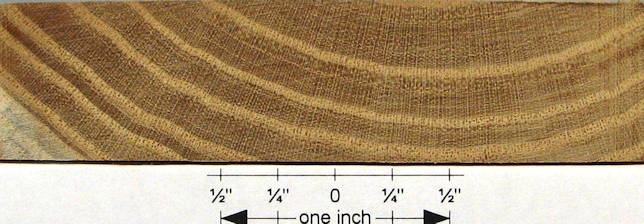
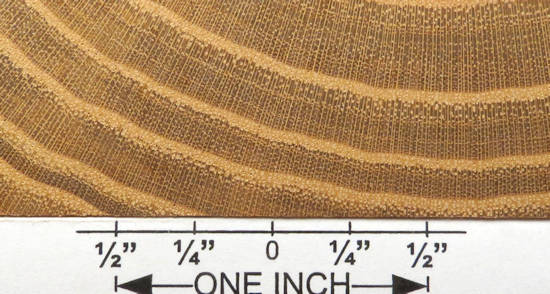
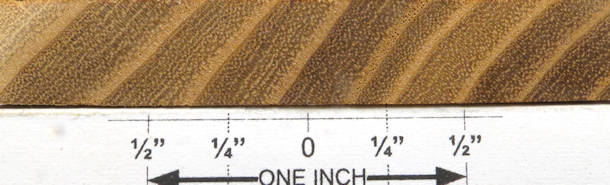
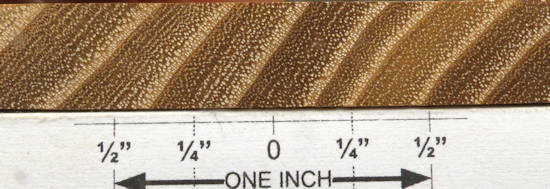
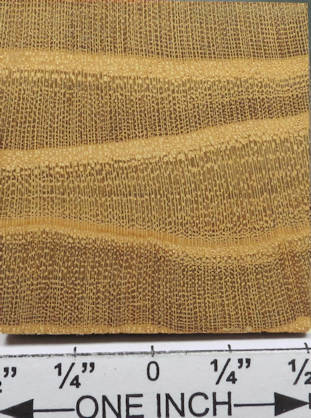
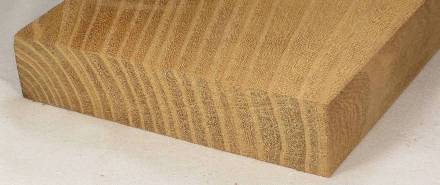
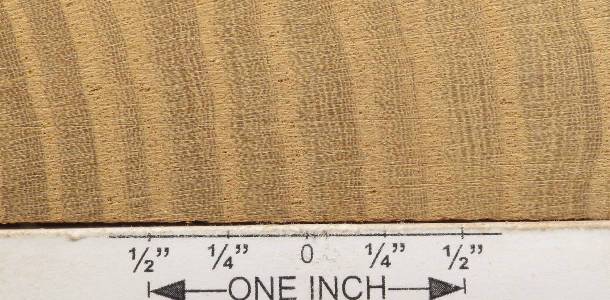
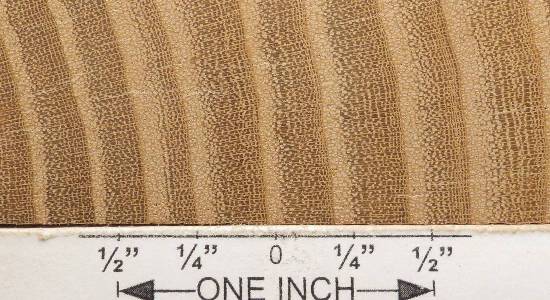
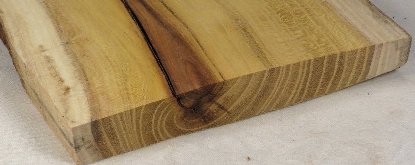
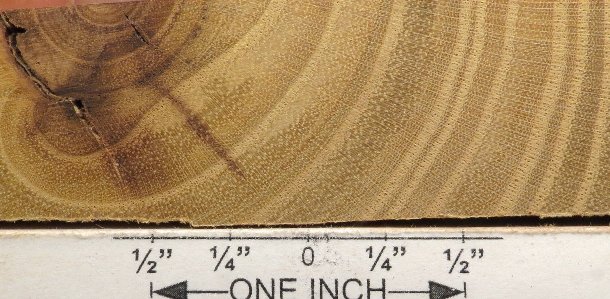
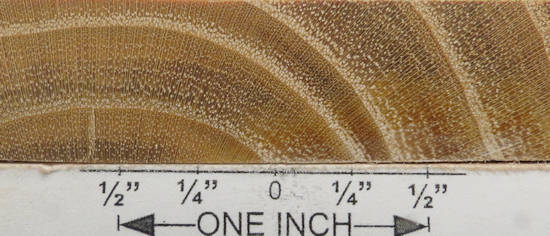
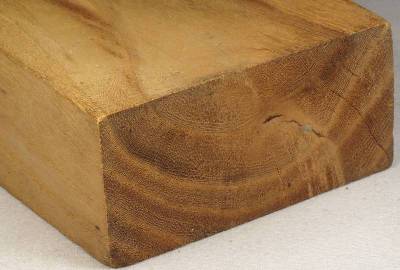
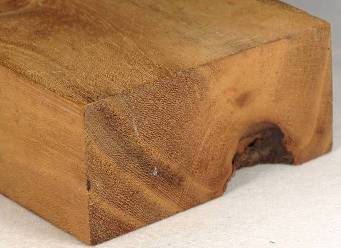
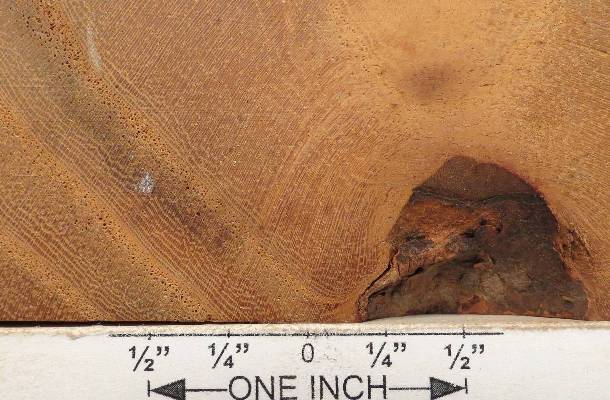
end grain and end grain closeup of the piece directly above
both sides of a sample plank of red mulberry / Morus rubra --- HUGE enlargements are present. This sample was loaned to me by David Clark whom I thank for this and other contributions to the site.
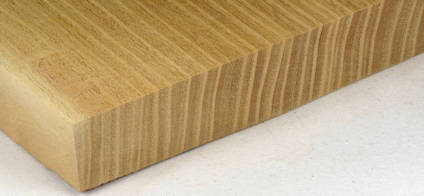
both sides of a sample plank of quartersawn red mulberry / Morus rubra --- HUGE enlargements are present. The second side has been sanded and does not show the patina seen on the first side.
end grain and end grain closeup of the piece directly above
end grain and end grain closeup of the piece directly above
both sides of a piece of quartersawn red mulberry / Morus rubra --- HUGE enlargements are present. This sample was loaned to me by Mark Peet whom I thank for this and other contributions to the site. Note that the first face was sanded to 240 grit and the second face was not and this accounts for the obvious difference in color between the two (the second face still has a patina) and the better resolution of the detail characteristics as seen in the first one.
end grain and end grain closeup of the piece directly above
quartersawn red mulberry
end grain and end grain closeup of the piece directly above
both sides of a sample plank of quartersawn red mulberry / Morus rubra --- HUGE enlargements are present. This sample was loaned to me by David Clark whom I thank for this and other contributions to the site. Note that this piece is NOT acutally true quartersawn, it is quarterCUT and would more properly be called rift sawn not quartersawn.
end grain and end grain closeup of the piece directly above
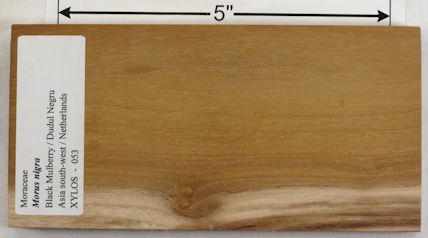
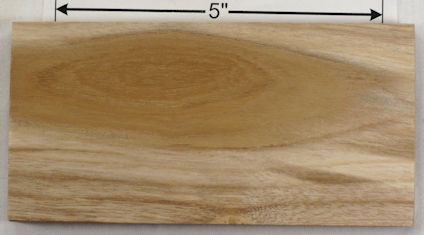
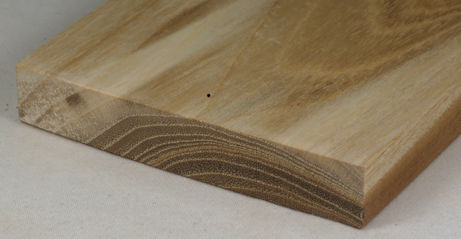
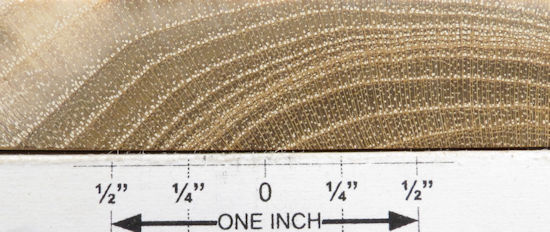
both sides of a sample plank of black mulberry / Morus nigra --- HUGE enlargements are present. This sample was loaned to me by Mark Peet whom I thank for this and other contributions to the site.
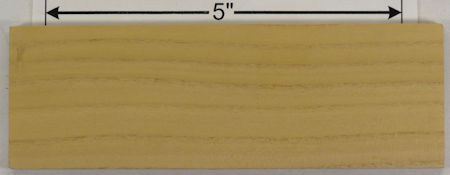
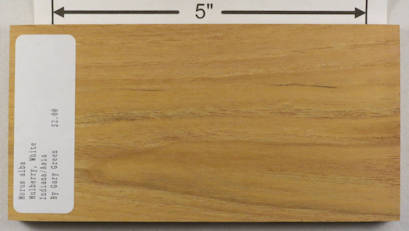
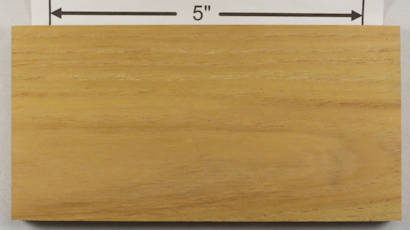
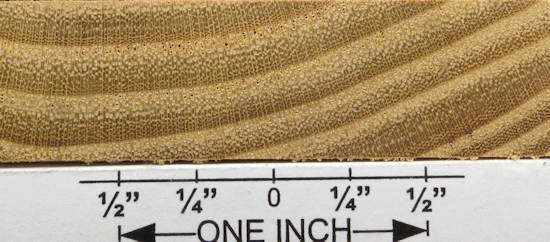
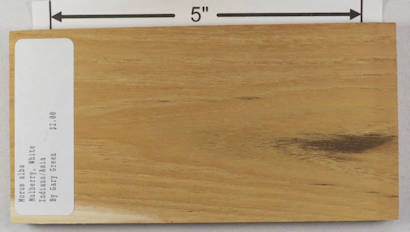
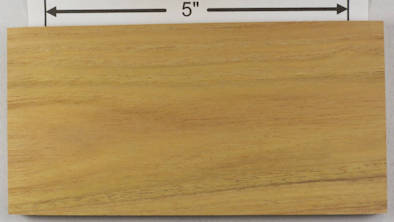
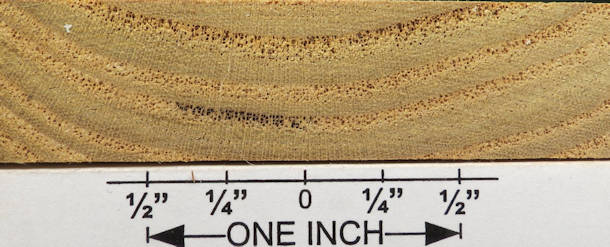
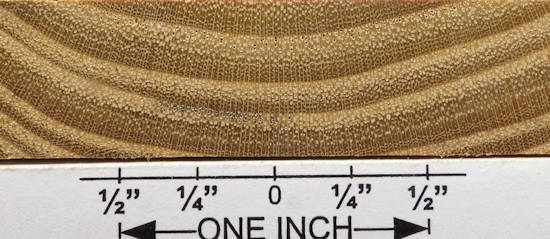
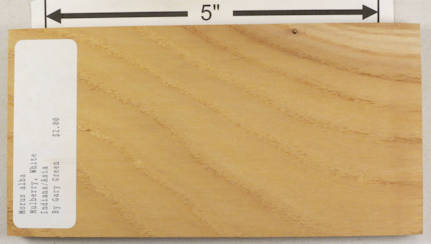
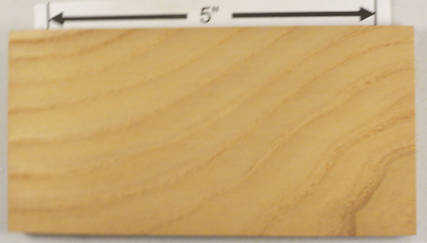
both sides of a sample plank of white mulberry / Morus alba
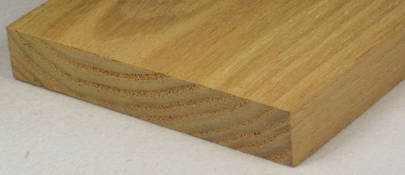
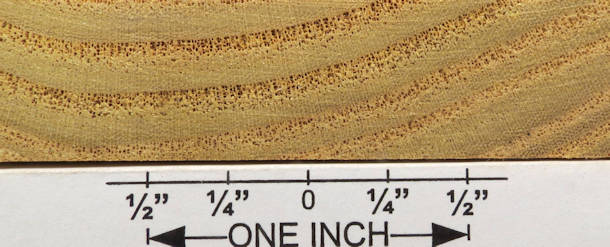
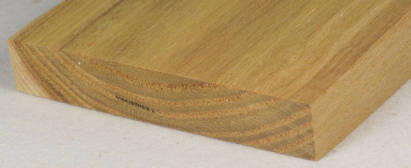
end grain and end grain closeup of the piece directly above
END GRAIN UPDATE from directly above --- the pores have been filled in with fine dust but the fine-grain detail is much more clear
both sides of a sample plank of white mulberry / Morus alba --- HUGE enlargements are present. This sample was loaned to me by David Clark whom I thank for this and other contributions to the site.
end grain and end grain closeup of the piece directly above
both sides of a sample plank of white mulberry / Morus alba --- HUGE enlargements are present. This sample was loaned to me by David Clark whom I thank for this and other contributions to the site.
end grain and end grain closeup of the piece directly above
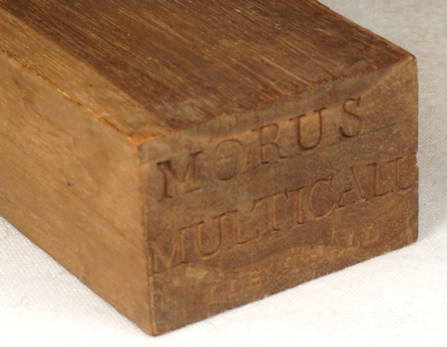
first face and the end grain of a sample of white mulberry / Morus alba --- This part of a collection which is discussed here: COLLECTION C. This sample was stamped "Morus multicaulis" but this is now considered as just a synonym of Morus alba. NOTE: the end grain of this piece does not show the strong area of larger earlywood pores of Morus alba, so I am dubious about the ID.
the second face, before and after slicing off 1/8" showing how the patina from aging is only surface deep.
end grain closeup and END GRAIN UPDATE of the piece directly above
first face and the end grain of a sample of mulberry, / Morus spp. This part of a collection which is discussed here: COLLECTION B
the second face, before and after slicing off 1/8" showing how the color change to brown goes all the way through the wood. I think it takes some years for this to happen but as discussed in the link provided, this piece is likely about 100 years old.
plank and end grain --- plank contributed by Chris Arvidson, whom I thank for this and other contributions. The end grain shot makes this look remarkably like a color-faded osage orange, but the plank up close and in person doesn't really look all that much like osage orange.
same plank as directly above but moistened with water
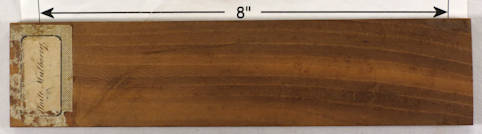
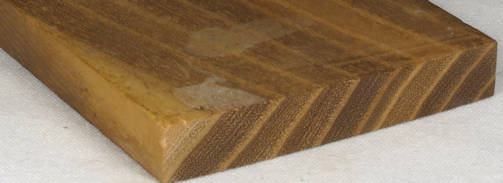
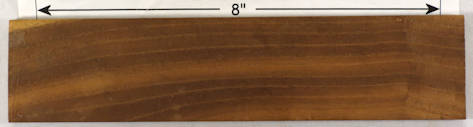
both sides and both ends of a sample piece
end grain closeup of the piece directly above
END GRAIN UPDATE from directly above --- NOTE: this was taken 8 years after the original and the wood has turned substantially more brown even though it's been tucked away in a cardboard box all that time.
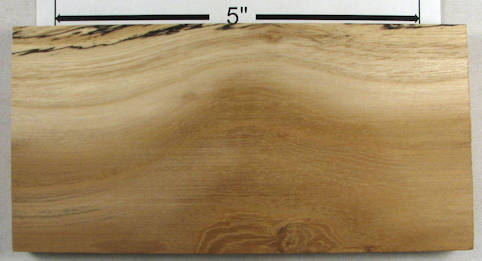
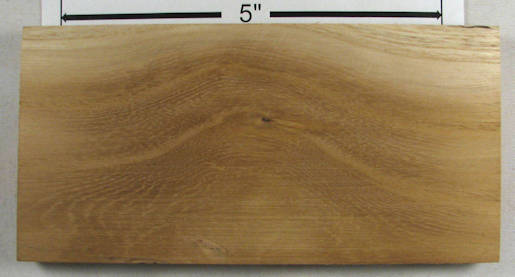
both sides of a sample plank listed as mulberry / Morus spp. --- the darker color of the 2nd pic is due to poor color correction; the pic on the left has accurate color. There is some black-line spalting in the sapwood.
end grain and end grain closeup of the sample plank directly above
first face and the end grain of a sample of white mulberry / Morus spp. --- This part of a collection which is discussed here: COLLECTION G
the second face, before and after sanding it down a bit, showing how the patina from aging is only surface deep although in the case of mulberry while it is true that there is a mild age patina that has been sanded off, the darkening of the color of the wood goes throughout since this piece is more than a few years old. That is, I'm sure this piece was much lighter and with a yellowish tint when it was fresh but sanding off a bit from the surface cannot show this because the yellow tint is long gone. See the bowl section at the bottom of this page for another example of darkening.
end grain closeup and END GRAIN UPDATE of the piece directly above
another mulberry block and an end grain closeup which is a little too green
END GRAIN UPDATE from directly above --- in addition to the natural darkening due to the update process, the piece has darkened somewhat, as mulberry does, from green to more brown. This pinkish tint is weird but it really is there in the wood
small sticks and end grain closeups
HIGH GRIT END GRAIN CLOSEUP of the piece directly above --- in addition to the color being darker because of the fine sanding, this piece is now quite a bit older than it was above and it has begun the process of turning brown.
plank and end grain --- the color of this plank in a strong light is a brighter yellow than I have been able to reproduce here. It's almost as bright as osage orange.
end grain closeup of the piece directly above.
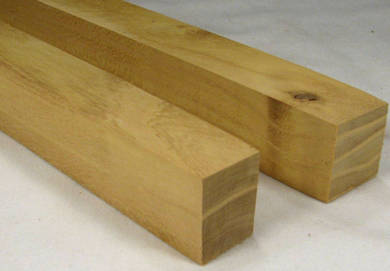
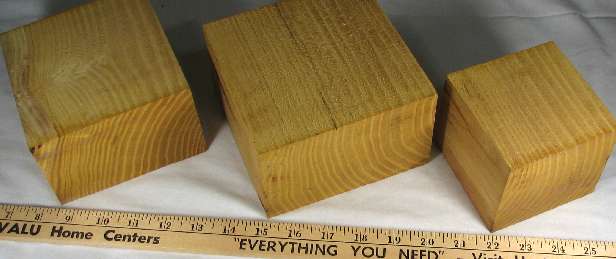
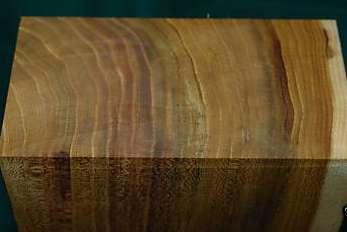
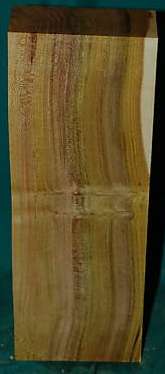
turning stock --- ends are sealed with Anchorseal but the enlargements do a good job of showing the grain. Color is accurate
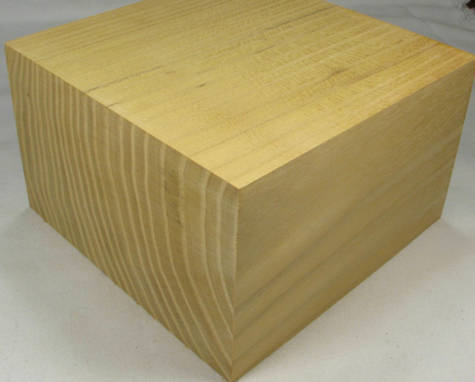
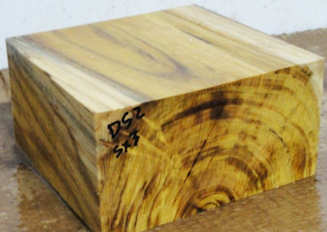
mulberry bowl blank; this is the larger of the three pieces directly above, after a small amount of sanding on the faces to clean them up for the pic
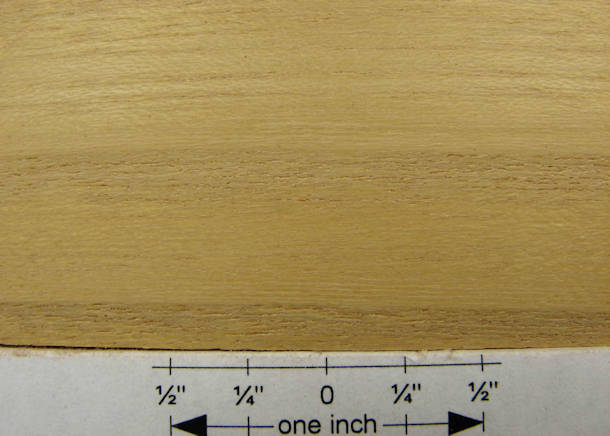
closeup of the flat cut face of the bowl blank directly above but cleaned up and sanded --- color is a shade too orange; should be more yellow, no orange
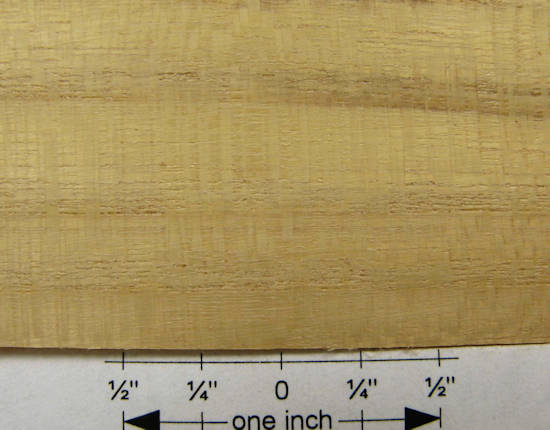
closeup of the quartersawn face of the bowl blank directly above --- color is a shade too orange; should be more yellow, no orange
end grain closeup of the bowl blank directly above --- color is a shade too orange; should be more yellow, no orange
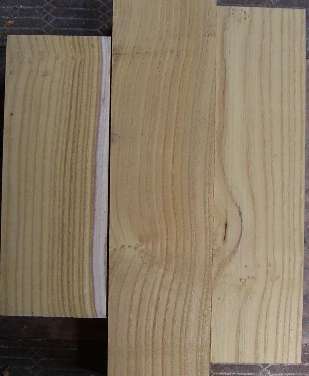
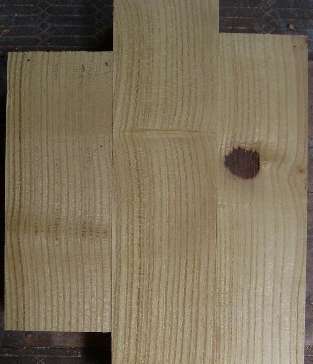
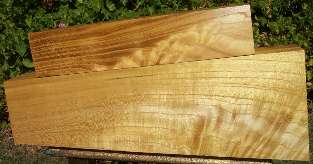
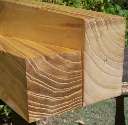
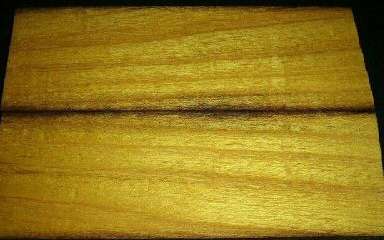
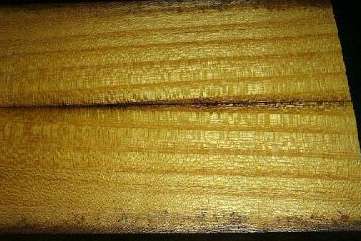
two planks and a closeup --- these and the set directly below are all from the same lot and they were sold to me as osage orange by a vendor whom I currently assume to be merely ignorant, not dishonest. If you're not experienced, they can be a little hard to tell apart, although with any experience at all it is trivially easy to do so.
Note that in both sets, the upper plank has some nice ray flakes, best seen in the closeup since the distance pic is just a tad out of focus and the enlargements do not show the sharp detail that they should. Also, part of one of the planks below was, many years later, made into a smaller sample and as you can see, it exhibits the browning of the color with age.
two planks and a closeup
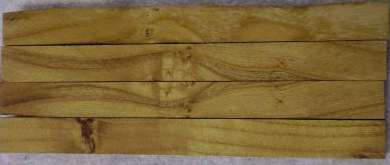
these are the web pics of the "osage orange" that I bought (shown directly above) --- the closeup is way too washed out and the distance pic is a little washed out --- my pics colors are accurate
both sides of a sample of mulberry / Morus spp. --- HUGE enlargements are present. This was cut from the lower of the two planks directly above. The plank sat in my garage for years before this piece was cut off, thus the darkening of the color and the slight reddish tint. The first face on this piece was sanded a bit so has a lighter color than the other face
end grain and end grain closeup of the piece directly above
small piece with a coat of linseed oil ... pic provided by Iain Rankin, whom I thank for this and other contributions to the site.
end grain closeup sent to me by Miles Hember, whom I thank for this and other contributions
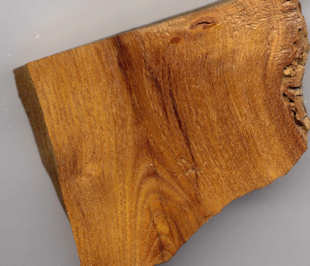
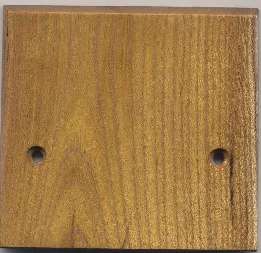
a face plate that Miles made from mulberry. He hasn't decided yet whether the light will be permanently on or permanently off, but since he neglected to put in a hole for the switch, it will have to be one or the other. :-)
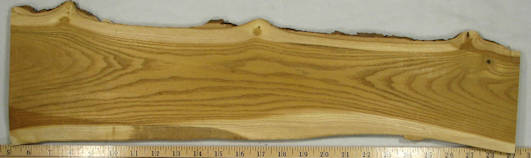
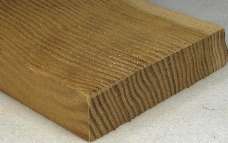
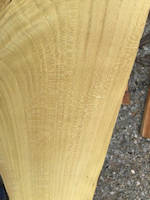
white mulberry plank
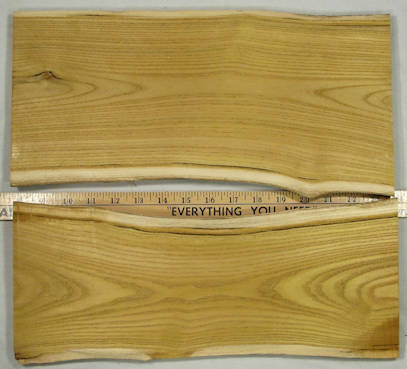
pair of white mulberry planks and closeup
white mulberry small plank --- this was cut from one of the larger planks above and the washed-out color of the face grain is correct; the piece has been fine sanded and reflects the light in a way that makes it appear less yellow than it did before sanding.
the end grain of the piece directly above and then again after it had been sitting in a closed cardboard box for several years.
both sides of a piece cut from the right end of the piece directly above, after it had been sitting in a closed cardboard box for several years.
end grain closeup of the piece directly above and the END GRAIN UPDATE after the piece had been sitting in a closed cardboard box for many years.
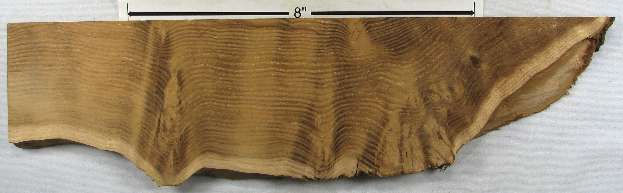
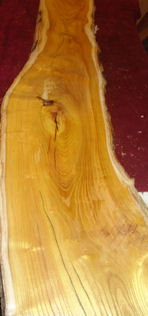
white mulberry slab
closeup of the slab directly above --- lots of cracks in this but marvelous grain. Lighter color of closeup is due to bright light up close.
smaller section of the slab above, sanded down for the pic, and an end grain shot.
end grain closeup and END GRAIN UPDATE of the piece directly above
white mulberry plank and closeup
both sides of a small slab of white mulberry, cut from another larger piece from somewhere on this page, shown because I needed to get another end grain update for this wood --- HUGE enlargements are present. By the time I took this cutoff, the wood had darkened a bit and taken on a very slight red tinge
end grain and end grain closeup of the piece directly above
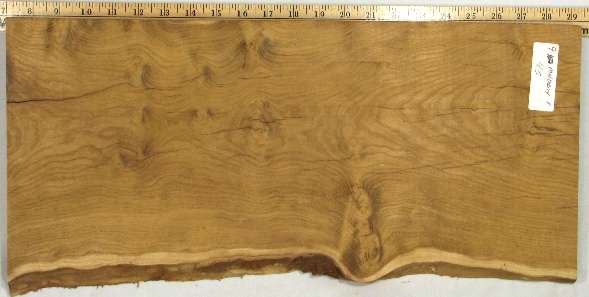
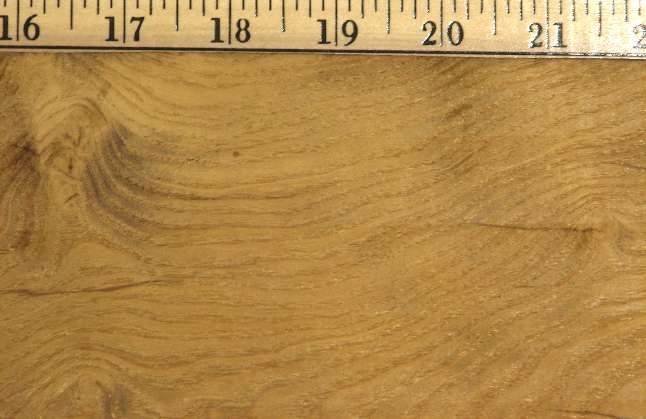
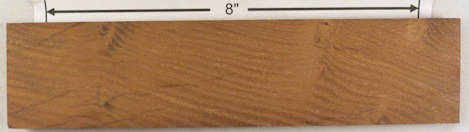
both sides of a plank of mulberry. HUGE enlargements are present. This sample was loaned to me by Mark Peet whom I thank for this and other contributions to the site. Mark did not have any species noted with this piece.
end grain and end grain closeup of the piece directly above
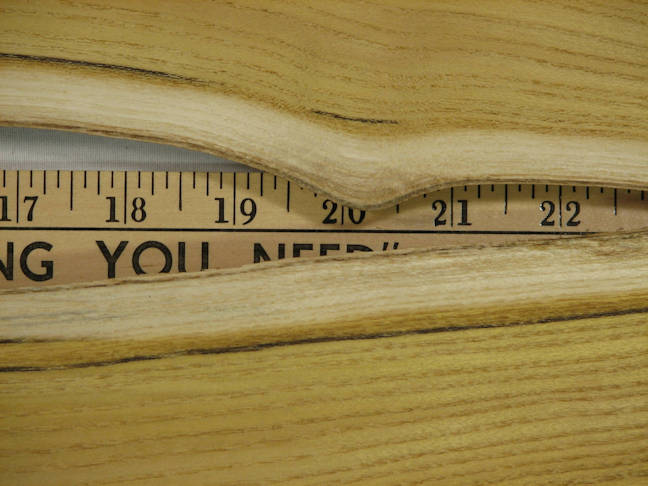
both sides of a small plank contributed to the site by Clint Wiener whom I thank for this and other contributions to the site. Clint just had this as mulberry, not red or white. HUGE enlargements are present. As you can see, one side is all heartwood but the other is mostly sapwood
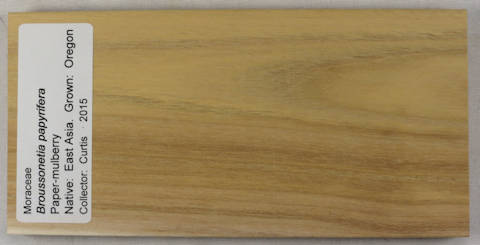
PAPER MULBERRY (not a true mulberry)
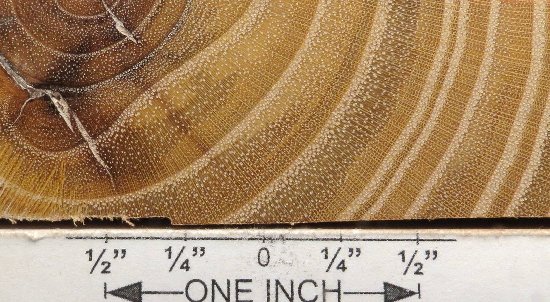
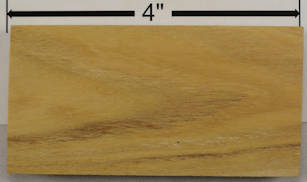
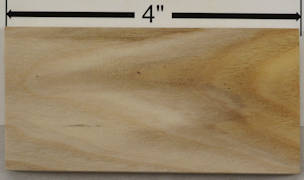
face grain and END GRAIN UPDATE of a sample of paper mulberry / Broussonetia papyrifera --- HUGE enlargements are present. This sample was loaned to me by David Clark whom I thank for this and other contributions to the site. I have only the face and end grain update shots because originally I did not intend to put Broussonetia papyrifera on the site since it is not a true mulberry. This is an Asian species and not closely related to the American mulberrys which are in the genus Morus and which are clearly ring porous. In fact, it is not even in the same family. I have shown it on this page because it is CALLED mulberry
first face and the end grain of a sample of paper mulberry / Broussonetia papyrifera (presumed). This part of a collection which is discussed here: COLLECTION B. This is an Asian species and not closely related to the American mulberrys which are in the genus Morus and which are clearly ring porous. In fact, it is not even in the same family. I have shown it on this page because it is CALLED mulberry
the second face, before and after slicing off 1/8" showing how the patina from aging is only surface deep.
first face and the end grain of a sample of paper mulberry / Broussonetia papyrifera (presumed). This part of a collection which is discussed here: COLLECTION B. This is an Asian species and not closely related to the American mulberrys which are in the genus Morus and which are clearly ring porous. In fact, it is not even in the same family. I have shown it on this page because it is CALLED mulberry
the second face, before and after slicing off 1/8" showing how the patina from aging is only surface deep.
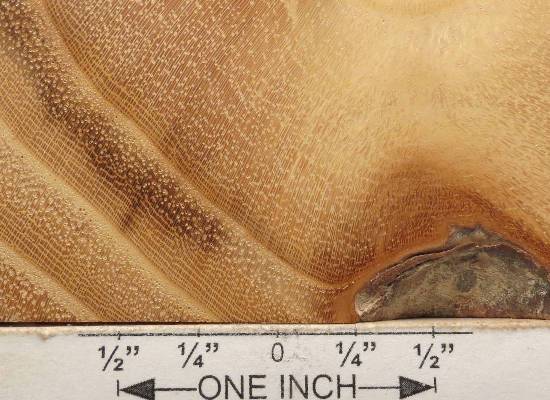
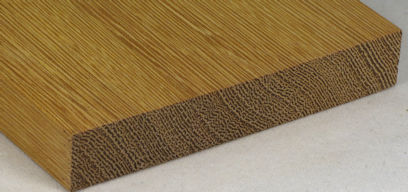
NOTE: This one is/was more than a little confusing. If you look at the end grain, you'll see that it is not even remotely similar to the rest of the Morus spp. on this page and yet the NCSU web site, which I use for verifications, clearly shows that this IS Morus mesozygia. Also, The Plant List, which I use as a reference for names, says that Morus mesozygia is a valid name.
BUT it was the the external characteristics that caused the tree to be classified as a Morus spp. even though the anatomy says it is not and some references now say that "Morus mesozygia" has now been reclassified to Afromorus mesozygia, which makes a lot more sense to me.
both sides of a sample plank of African mulberry / Afromorus mesozygia --- HUGE enlargements are present. This sample was loaned to me by Mark Peet whom I thank for this and other contributions to the site. See the comments above for a discussion of Morus mesozygia vs Afromorus mesozygia.
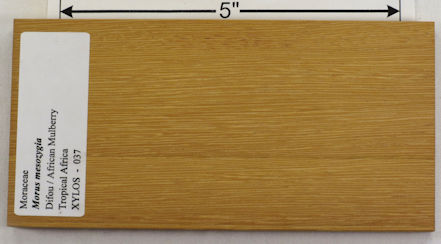
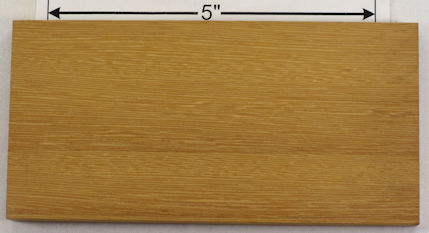
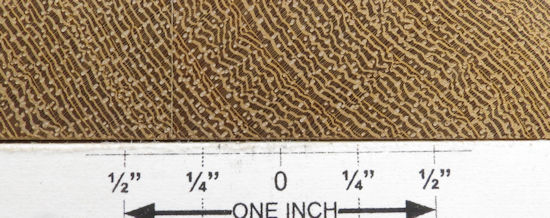
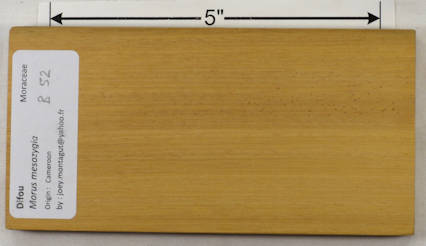
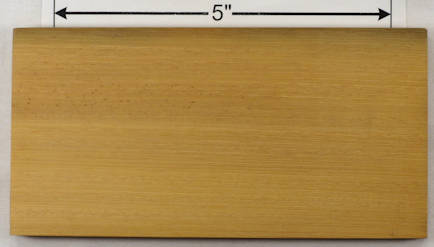
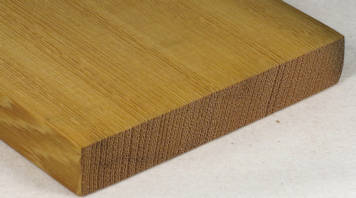
both sides of a quartersawn sample plank of East African mulberry / Afromorus mesozygia --- HUGE enlargements are present. This sample was loaned to me by Mark Peet whom I thank for this and other contributions to the site. The vendor has this as difou which is the a French common name for the species. See the comments up above the previous sample for a discussion of Morus mesozygia vs Afromorus mesozygia.
Clear, for the first two pieces, it's a case of the wood darkening with age and as on many of the ncsu pics, the purple tint is an effect of the photography, not a true wood color.
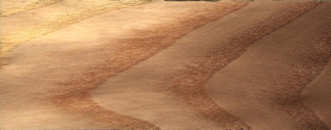
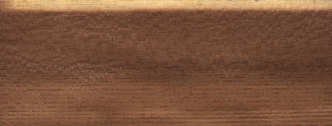
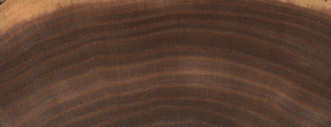
flat cut, quartersawn, end grain
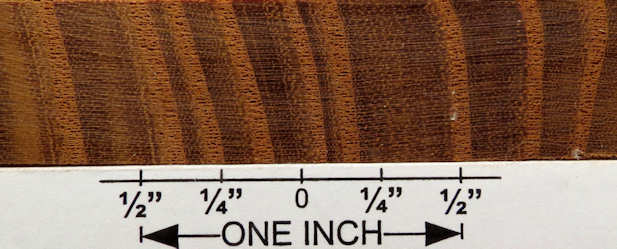
red mulberry (Morus rubra) from The Wood Book --- both levels of enlargement are present for all 3 views
flat cut, quartersawn, end grain
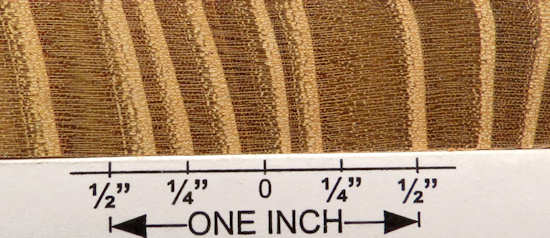
white mulberry (Morus alba) from The Wood Book --- both levels of enlargement are present for all 3 views
flat cut, quartersawn, end grain
paper mulberry (Broussonetia papyrifera) from The Wood Book --- both levels of enlargement are available for each of the 3 views. This is an Asian species and not closely related to the American mulberrys which are in the genus Morus and which are clearly ring porous. In fact, it is not even in the same family.
web pics:
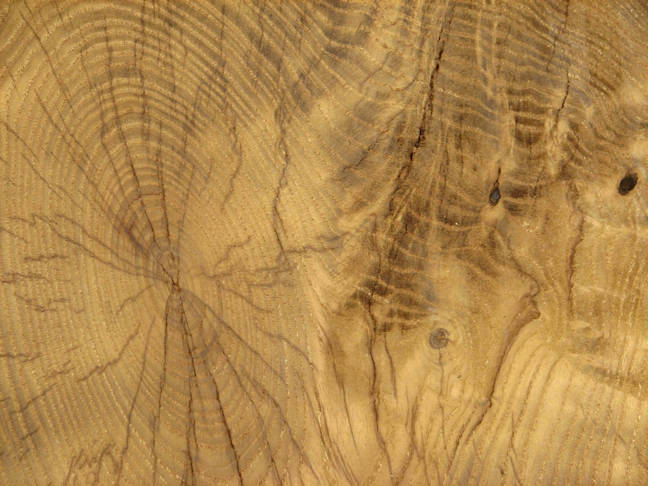
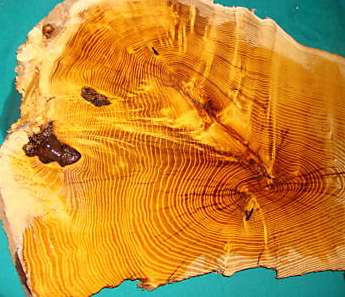
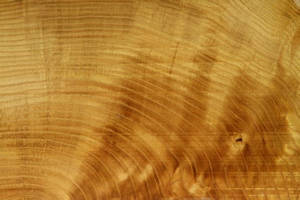
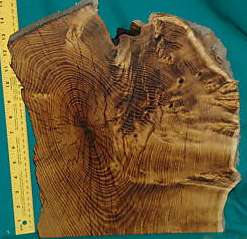
log end of white mulberry / Morus alba --- HUGE enlargements are present, showing the end grain very nicely
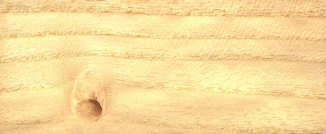
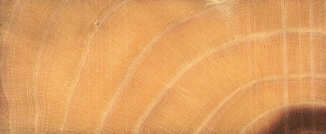
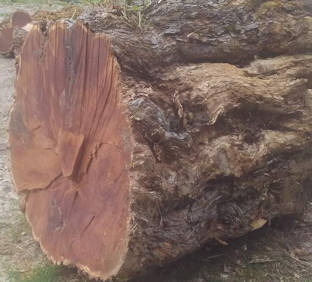
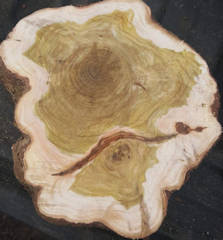
log end listed as red mulberry
flat cut, quartersawn, and end grain
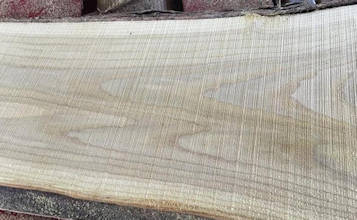
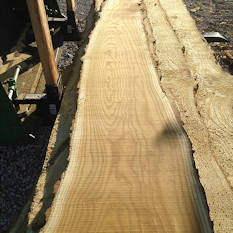
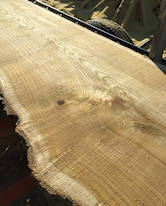
mulberry fresh off a bandsaw mill
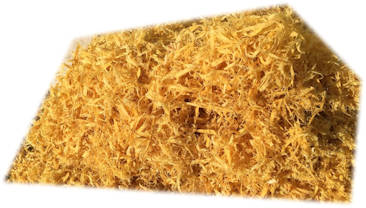
a bunch of shavings from a fresh turning showing how bright yellow this wood sometimes is when freshly exposed.
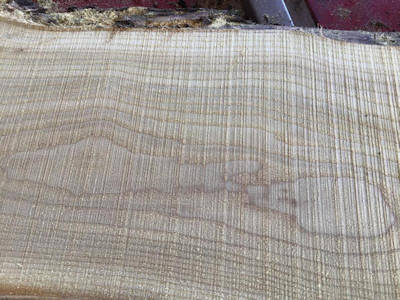
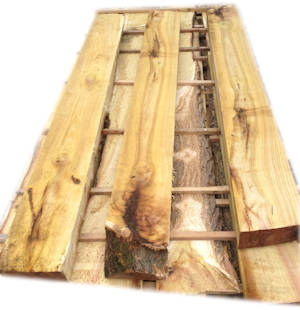
freshly milled mulberry
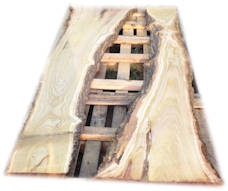
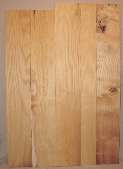
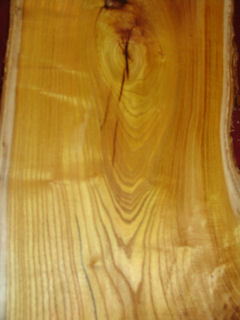
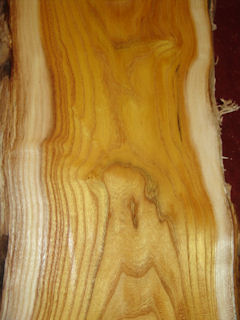
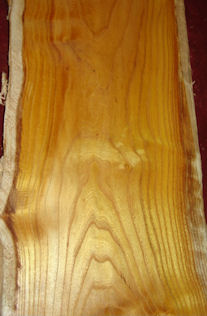
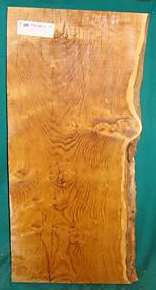
planks --- the 2nd one is 8 feet long and was listed as European mulberry
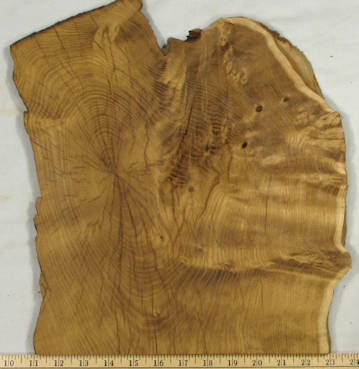
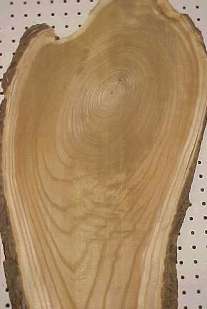
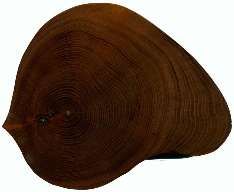
log cross section --- this has been moistened for the pic --- you can see dry (and much lighter) areas at the upper and lower edges
a raw log end and then one that has a sealer on it
freshly milled slabs
bowl blanks listed as red mulberry / Morus rubra
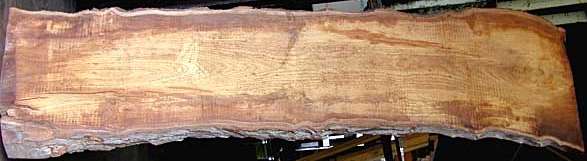
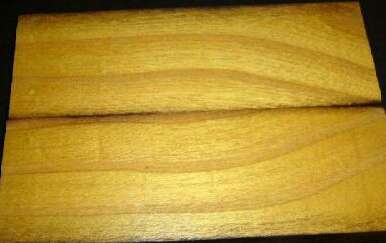
slabs just listed as mulberry
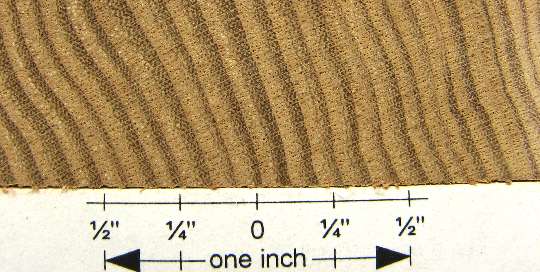
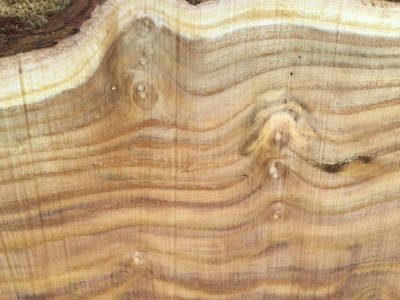
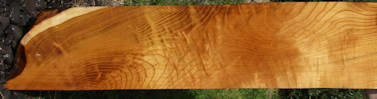
quartersawn plank with both levels of enlargement, showing the ray flakes quite nicely
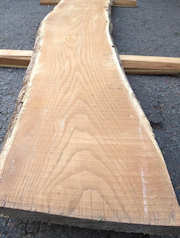
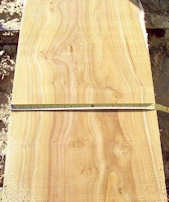
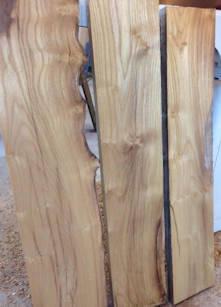
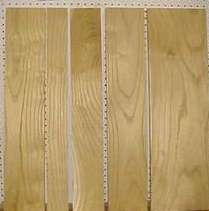
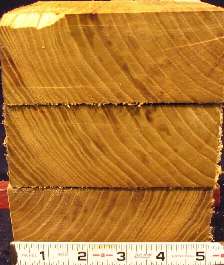
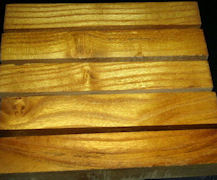
planks all listed as just mulberry
both sides of a plank (I think these were shot in different lights)
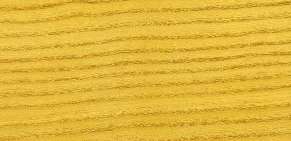
plank with very accurate color
set of mulberry planks --- pic on left is wet, on right is the other side dry
planks and a closeup, all listed as European mulberry / Morus nigra
both sides of a set of small planks
slab moistened for the pic
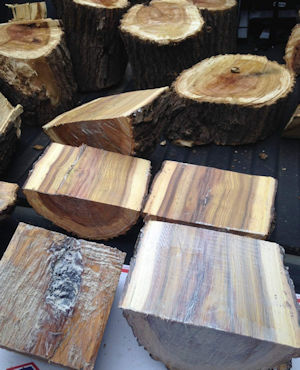
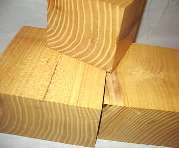
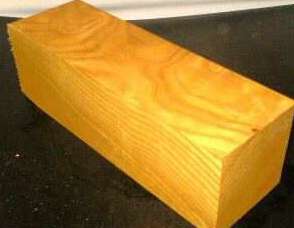
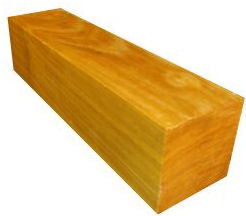
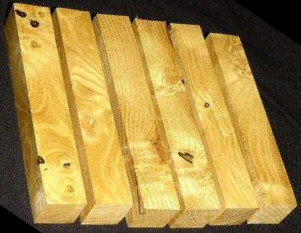
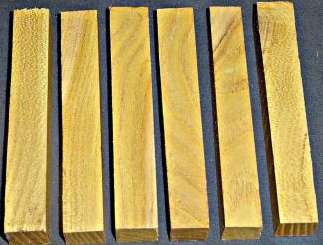
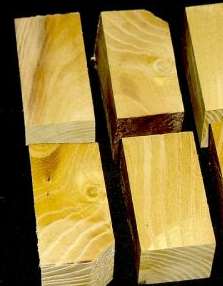
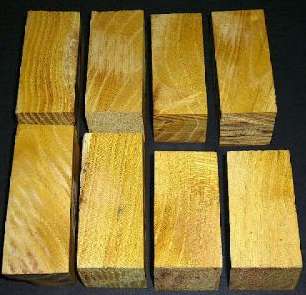
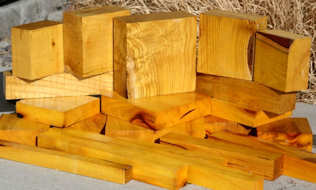
turning blocks
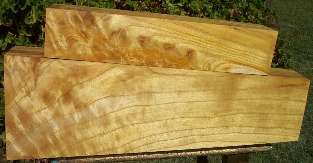
turning blocks with cluster burls
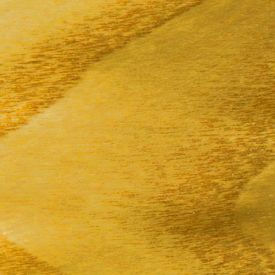
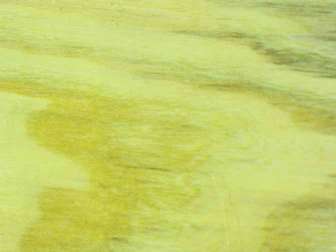
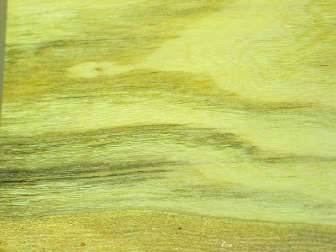
turning blanks with a brilliant color that is not believable as a raw wood color for this species ... either the pics have been doctored or possibly the wood is moistened with mineral spirits
turning stock, all from the same vendor and listed as mulberry / Morus nigra
several views of a couple of pieces with a crotch area at one end
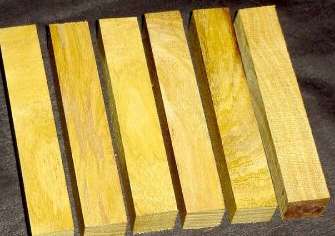
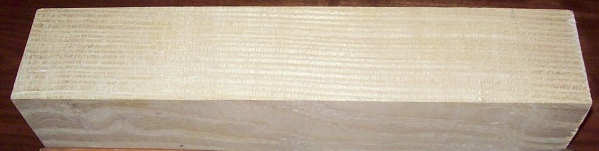
pen blanks
red mulberry plank and 3 closeups
pen blanks, all listed as American red mulberry
red mulberry scales
three views of a piece of red mulberry
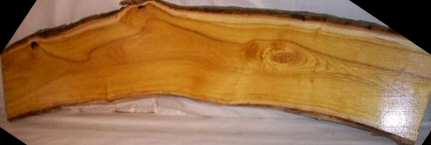
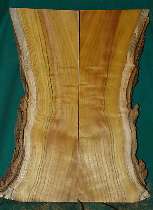
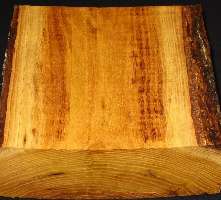
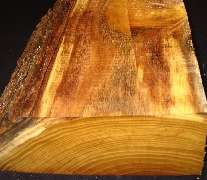
red mulberry, bookmatched planks with bark
turning stock listed as red mulberry --- I suspect the orange color is incorrect although possibly it is an effect of waxing
turning stock listed as red mulberry / Morus rubra
turning stock and end grain, just listed as mulberry
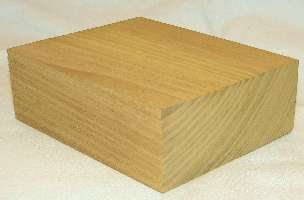
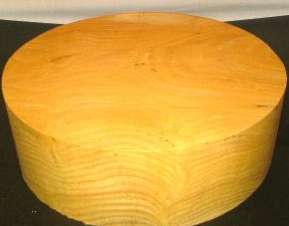
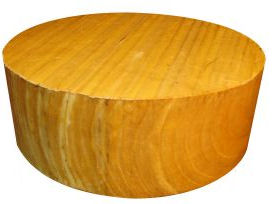
mulberry bowl blank
two pices of red mulbery from the same branch but the one on the left was exposed for about 30 years and the one on the right is freshly cut. Pics submitted by Iain Rankin, whom I thank. Great example of how this wood will darken with long exposure to UV.
listed as white mulberry --- I bought this and as you will see in my pics of it, the color is not as dark as shown here --- this is probably moistened for the pic
listed as white mulberry --- I bought this and as you will see in my pics of it, this pic is a little too orange
planks listed as Bulgarian mulberry, Morus nigra (black mulberry)
listed as carpathian mulberry burl
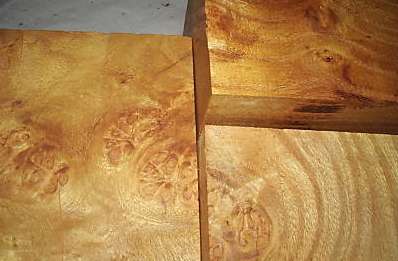
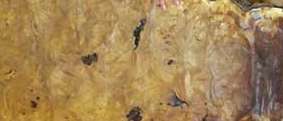
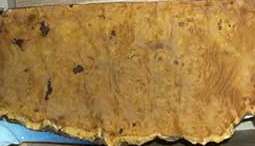
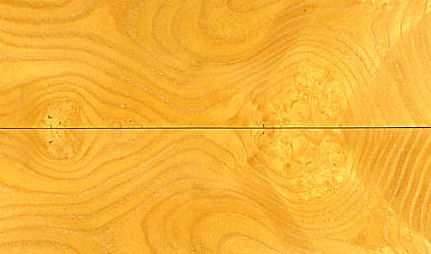
bookmatched pair listed as mulberry burl, but it should have said CLUSTER burl, not full burl
planks from the BogusColorVendor so I don't have a clue whether the color is anything like the real wood, but I would guess not, considering both the source and how ridiculous it looks.
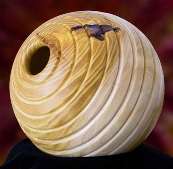
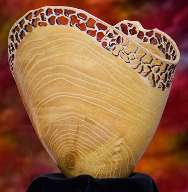
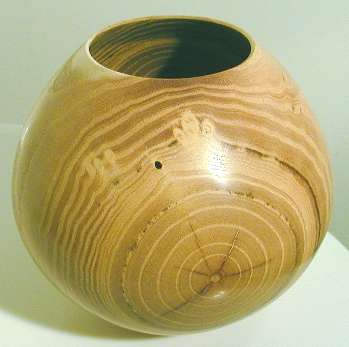
turned mulberry items by artist Melissa Bishop (bowl, paperweight, vase)
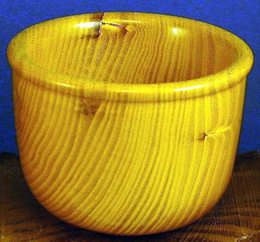
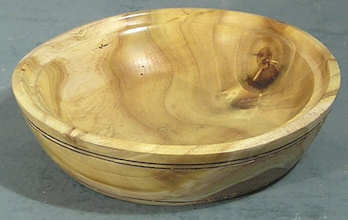
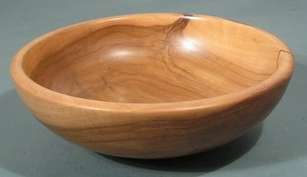
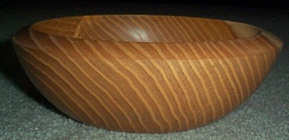
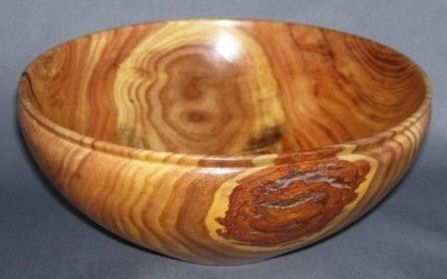
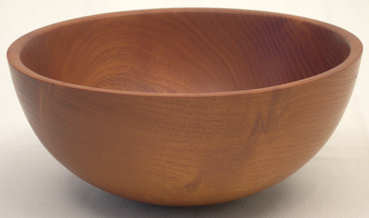
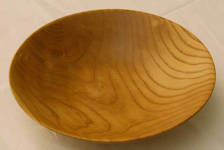
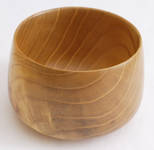
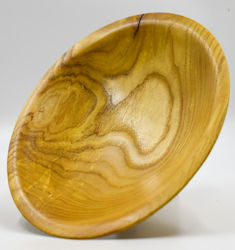
bowls
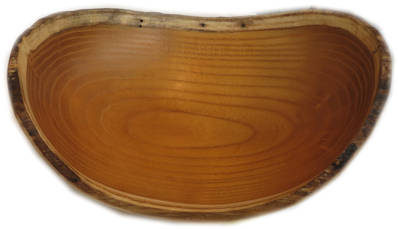
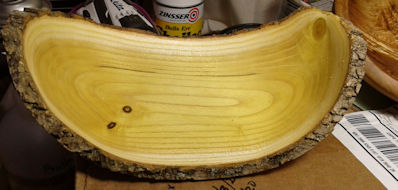
mulberry natural edge bowl shot at a woodworking show. This one has aged long enough for the brown to really start setting in, but it's a very rich golden brown that shows up better in the enlargements. This style bowl is sometimes called a "potato chip" or "gondola" style.
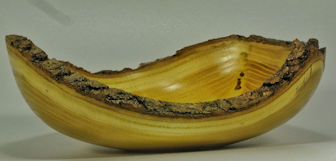
mulberry "gondola" or "potato chip" style bowl
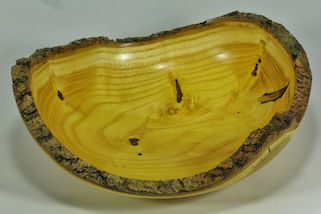
two views of a mulberry "potato chip" style bowl
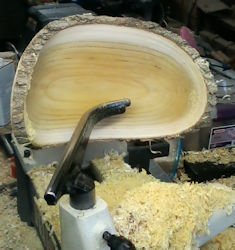
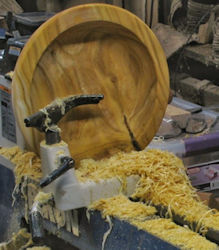
mulberry bowls on the lath with some of the shavings
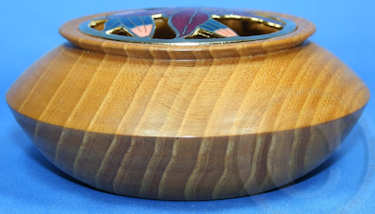
potpourri bowl
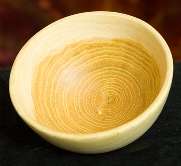
bowl listed as mulberry / Morus citrifolia
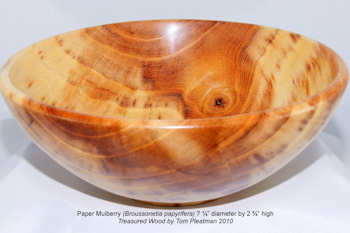
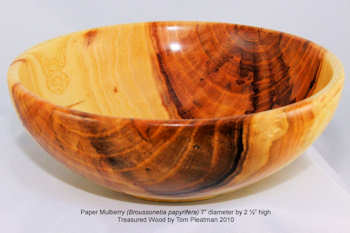
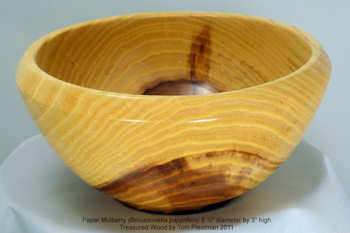
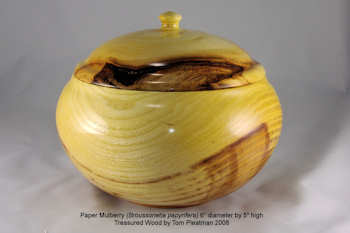
paper mulberry bowls turned and photographed by Tom Pleatman, whom I thank for these pics and other contributions to the site. Big enlargements are present.
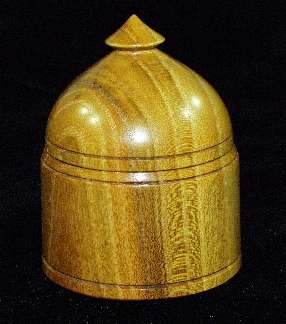
turned boxes listed as shimaguwa (silkworm mulberry) / Morus alba
bowl with color that does not appear real --- it's just TOO neon yellow
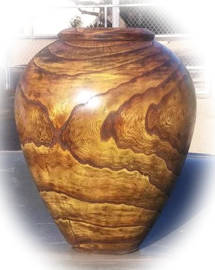
a foot-tall mulberry vase by Barry Richardson, who says this about how he did it: "First I sandblasted it, then torched it to bring out the growth rings even more, then wiped it down with vinegar/steel wool solution. I found that it is very reactive to the solution, it darkened it so fast it was hard to control and got way too dark and splotchy, had to sand it back down cause it was all dark mud brown, almost black on the end grain. If I do it again I will put the solution in a spray bottle and mist it on, hopefully I will have better control that way. "
bowl listed as Russian mulberry
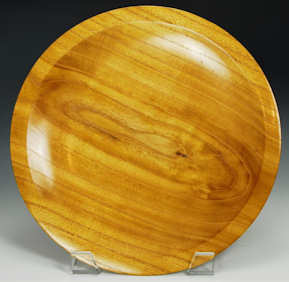
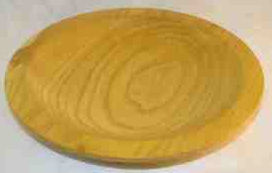
plate
turning with unusually rich color
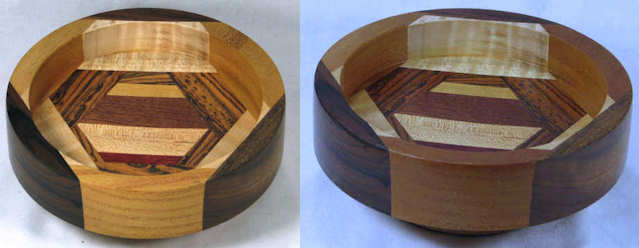
one of my segmented bowls shown just after a UV-blocking finish was applied (11 thin coats) and then again after it had been sitting on a shelf for about a year, with only mild indirect sunlight hitting it. Although I couldn't quite get the color adjustments to match between the two pics, the darkening of both the mulberry and the bocote is pretty accurate.


%20log%20end%20s25%20web.jpg)
%20s25%20web.jpg)
%201%20s50%20web.jpg)

%201%20s50%20web.jpg)
%201%20closeup%20s50%20web.jpg)
%201%20s50%20web.jpg)
%202%20s50%20web.jpg)
%203%20s50%20web.jpg)
%204%20s50%20web.jpg)
%201%20web.jpg)
%202%20web.jpg)
%20bowl%201%20s50%20web.jpg)
%20turned%20boxes%20web.jpg)