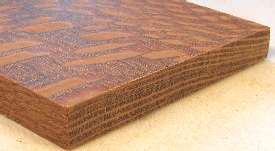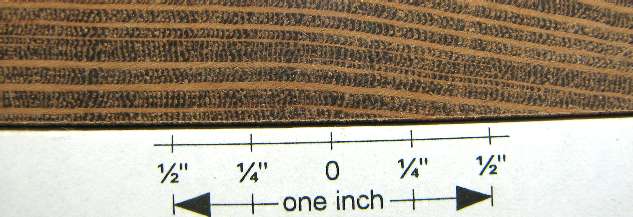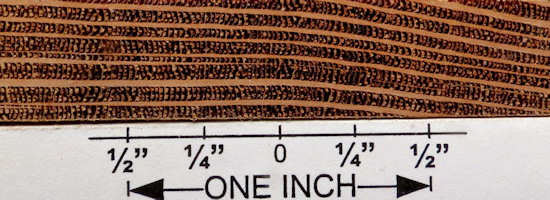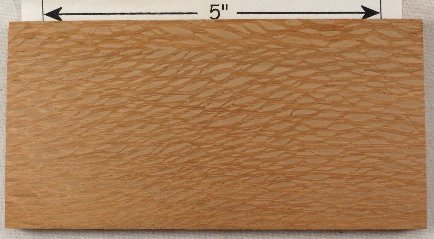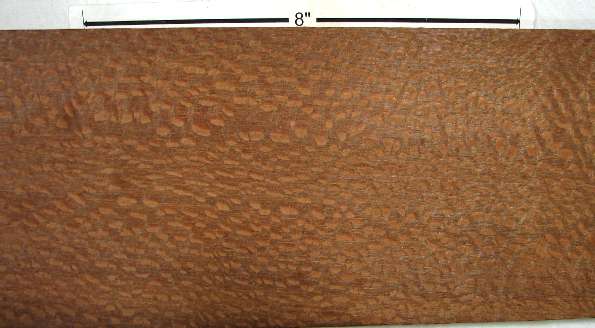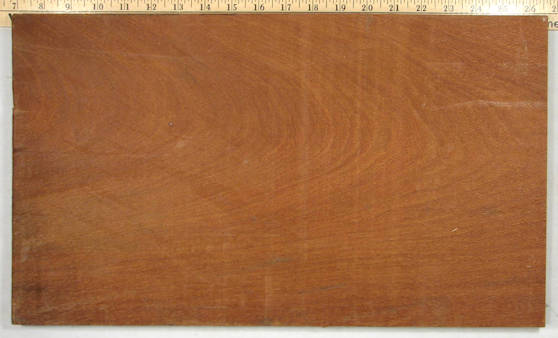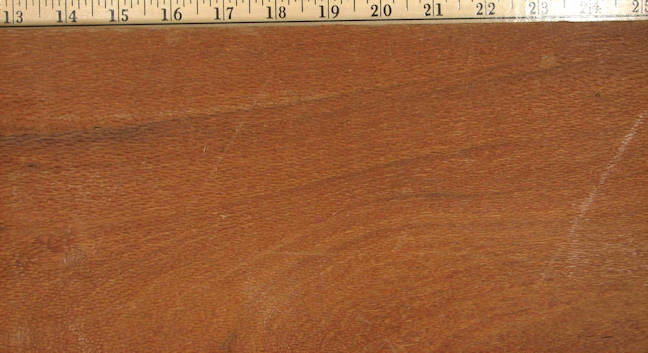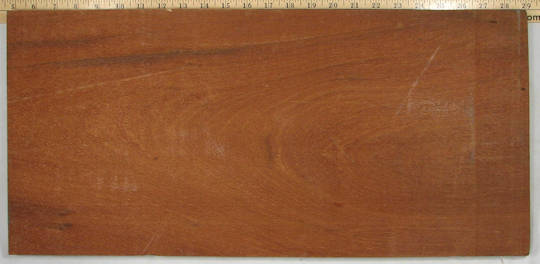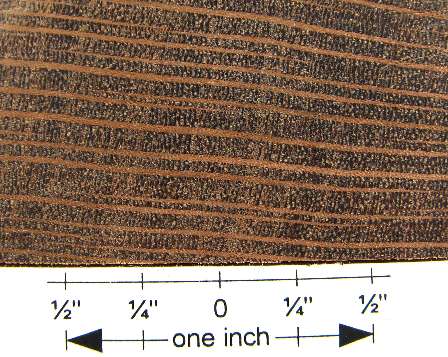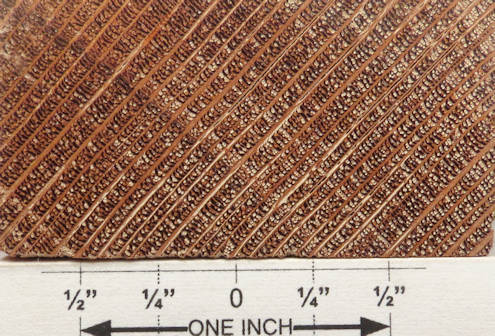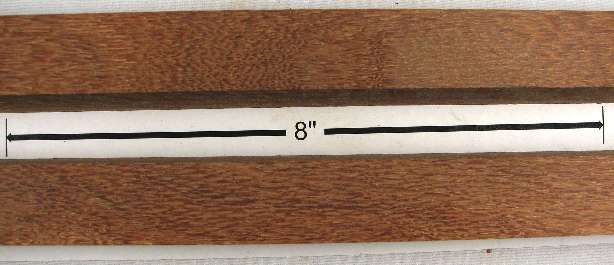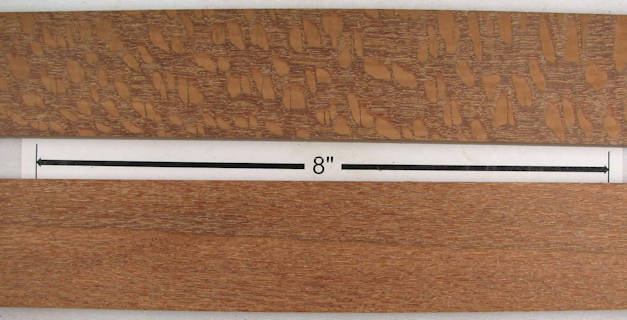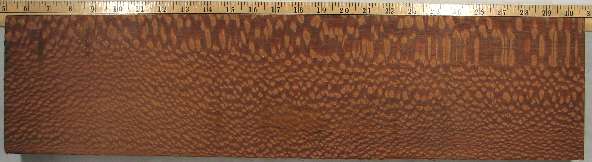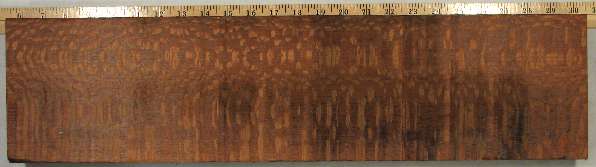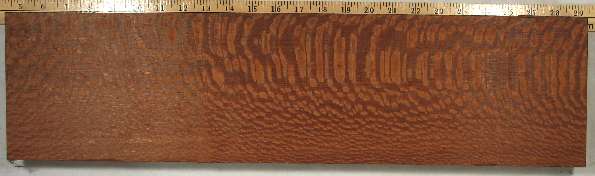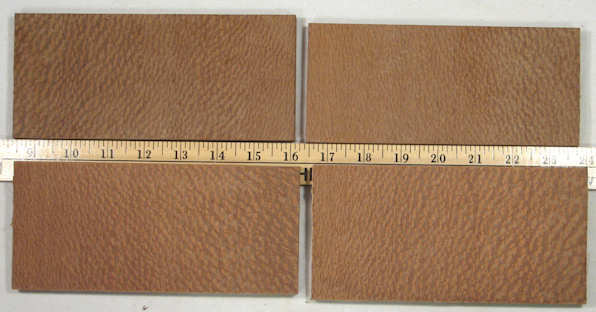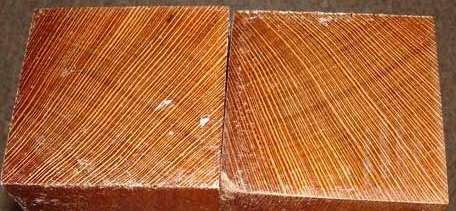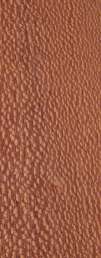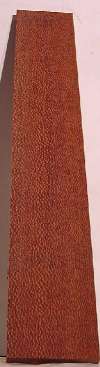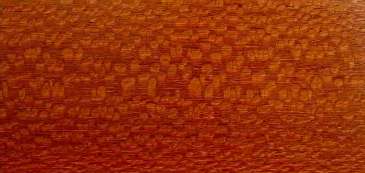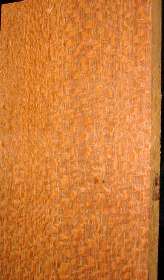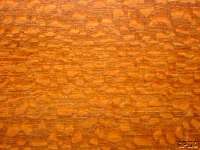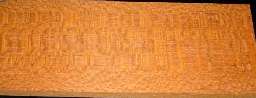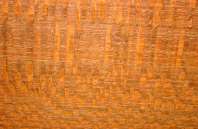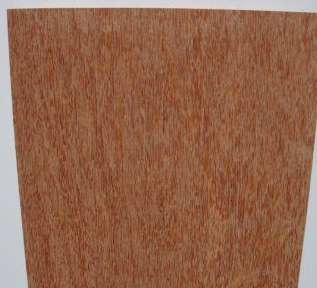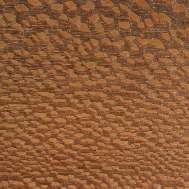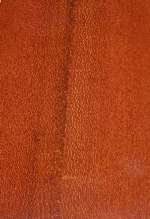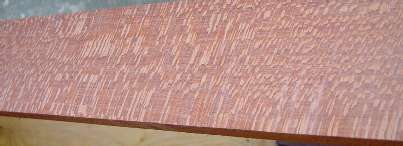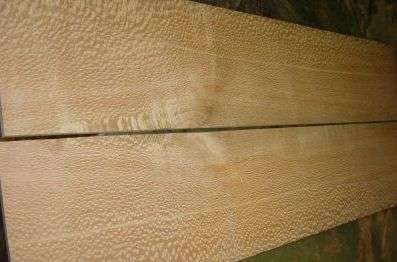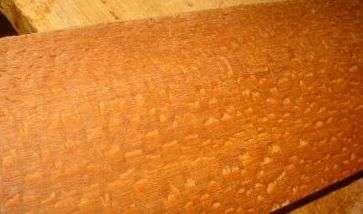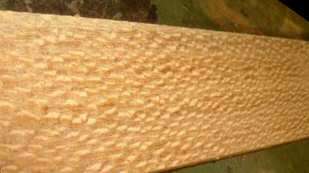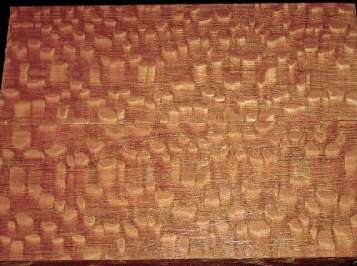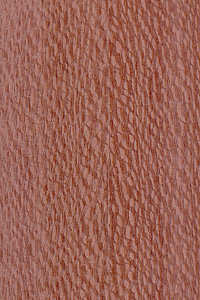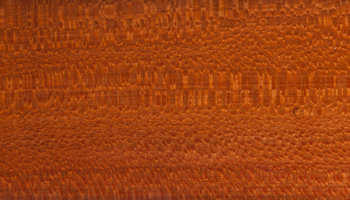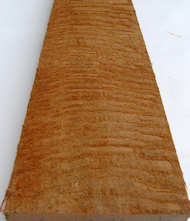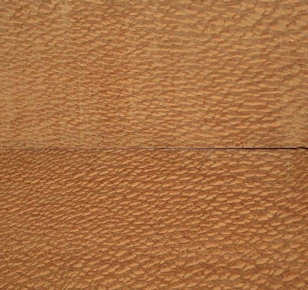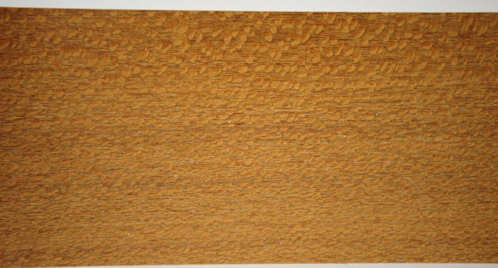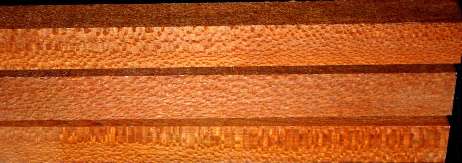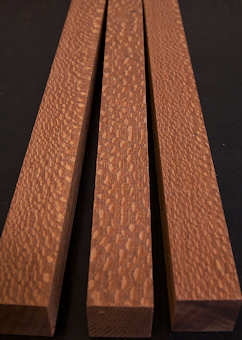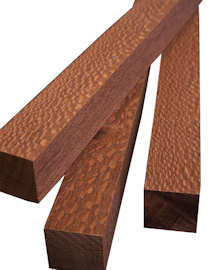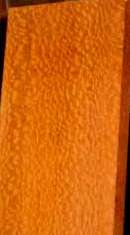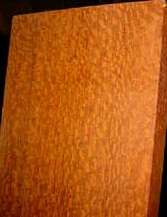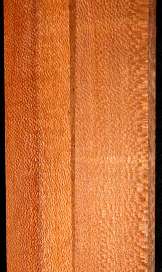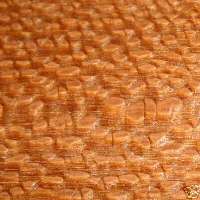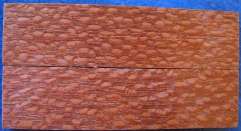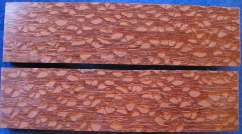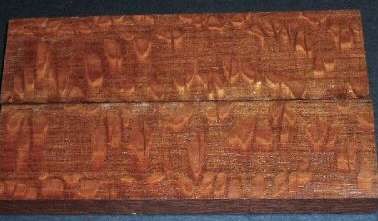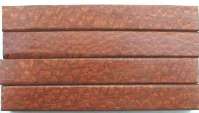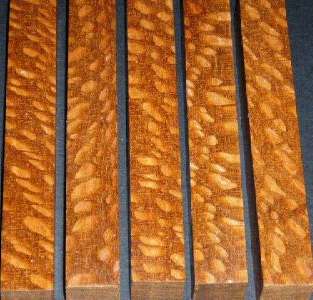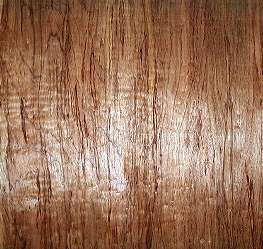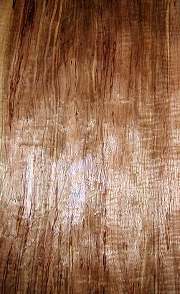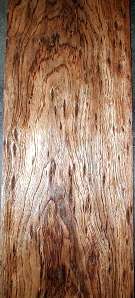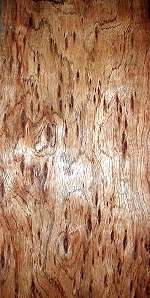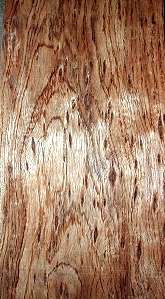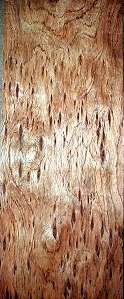
A note on the confusion among the names lacewood, leopardwood, planetree, and sycamore
I am not fully confident that I have totally sorted all of this out properly, so take what I say with a grain of salt and my apologies if I've gotten any of it wrong, although how the hell anyone would ever KNOW if I've gotten any of it wrong is beyond me, since the multitudinous reports are so contradictory that deriving what you see here REALLY made my head hurt.
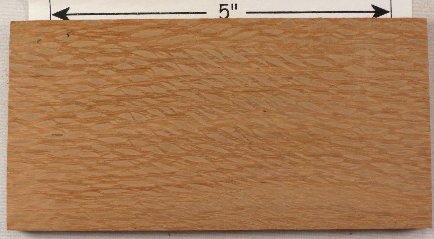
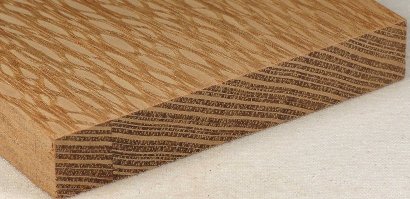
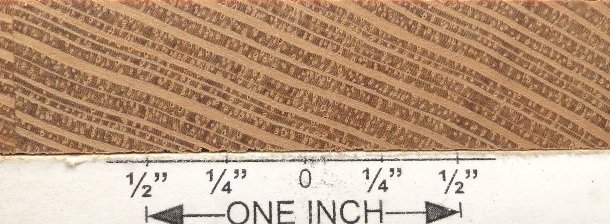
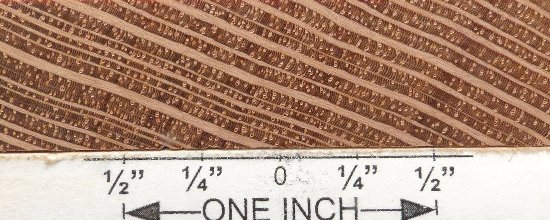
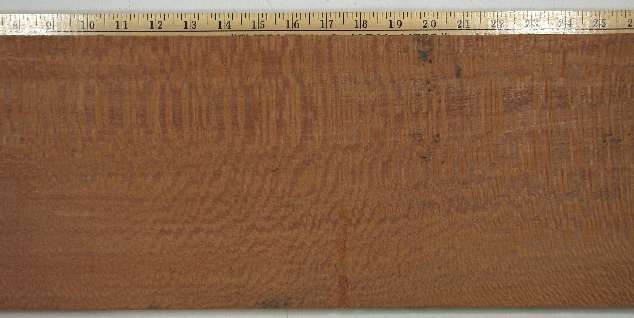
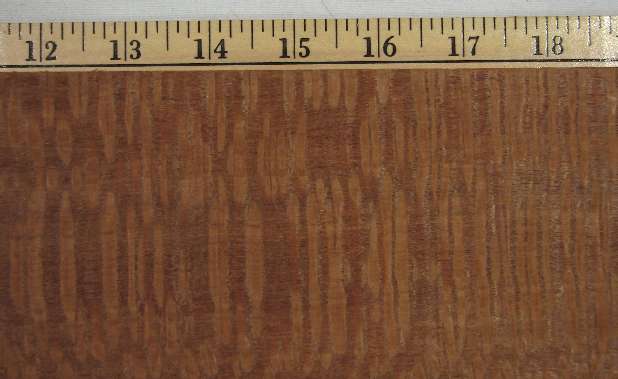
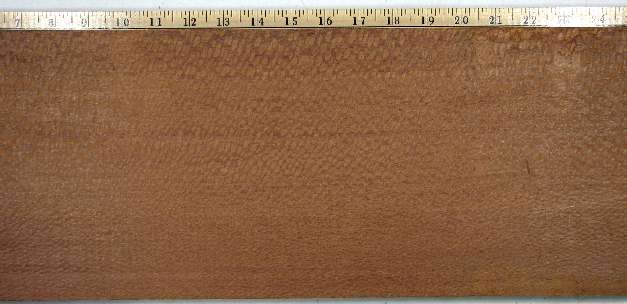
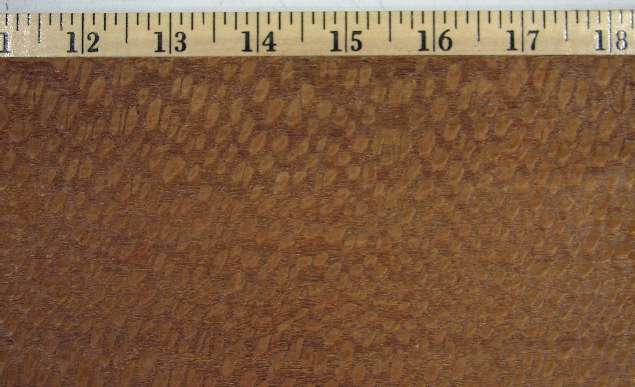
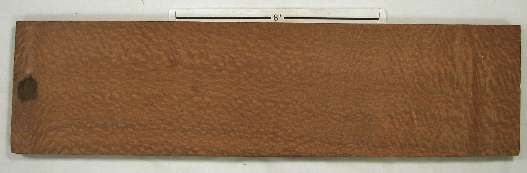
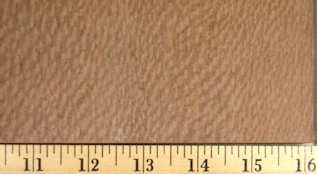
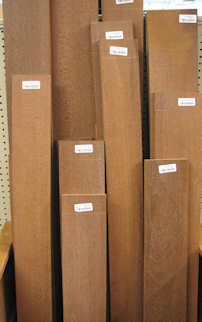
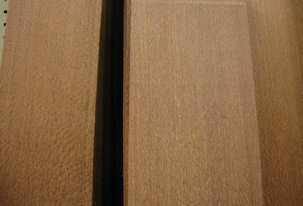
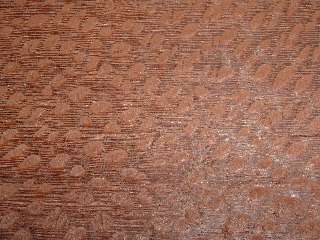
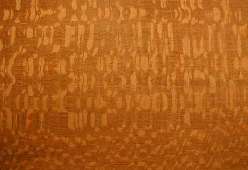
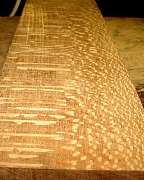
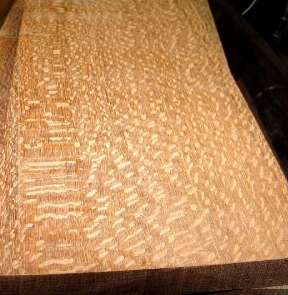
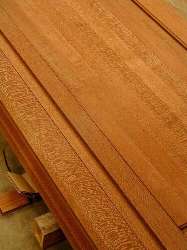
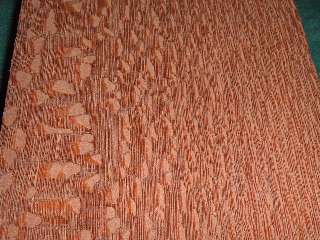
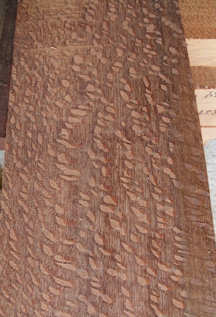
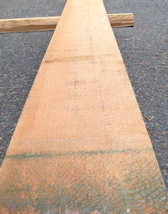
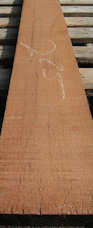
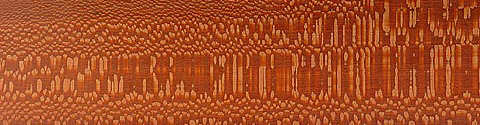
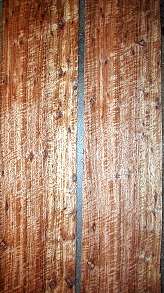
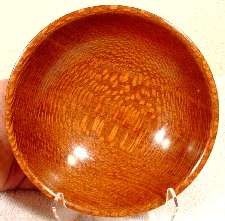
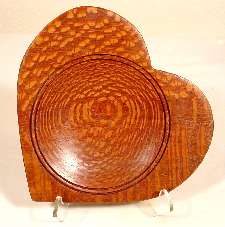
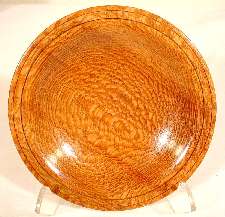
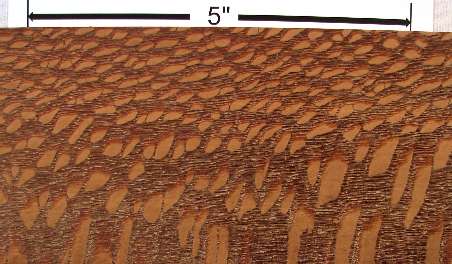
lacewood: in the USA, this term is generally, and most accurately, used to refer to any of:
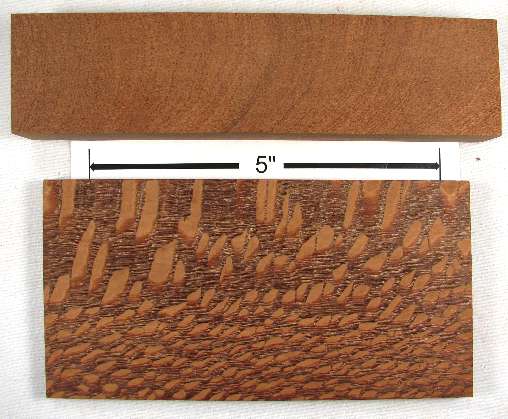
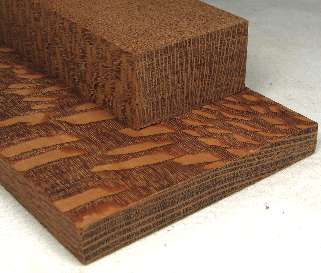
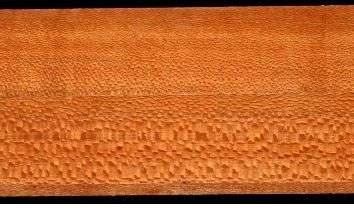
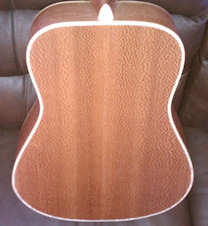
- Cardwellia sublimia (also reported as sublimis) of the family Proteaceae [the same family as South American lacewood], which also has the common name (Australian) silky oak, which is its common designation in most of the world outside the USA. In the USA it is called lacewood or Australian lacewood
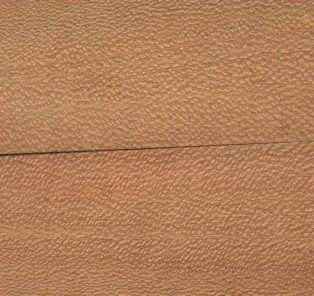
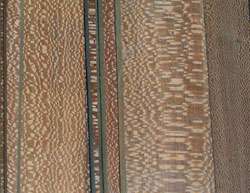
- Platanus hybrida of the family Platanaceae, the plane or sycamore family, which also has the common name "European plane" but is NOT the wood that is normally meant by "Europan plane" (more on that below) and is also called European lacewood. This wood does NOT look like sycamore or planetree, but DOES look like both Australian and South American lacewood.
- Roupala brasiliense (also reported as Roopola brasillensis) of the family Proteaceae [the same family as Australian silky oak], which is from South America and is properly called South American lacewood or Brazilian lacewood. It is also called leopardwood, but it is NOT the wood that is normally meant by the name "leopardwood" (more on that below)
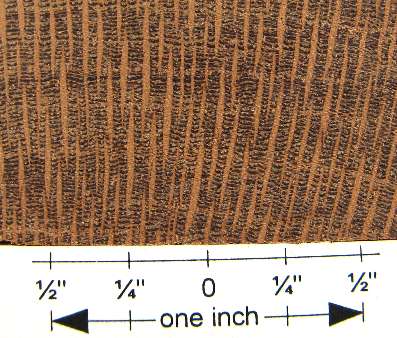
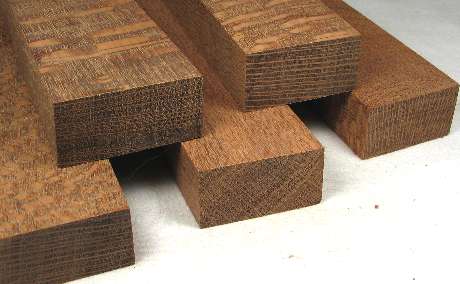
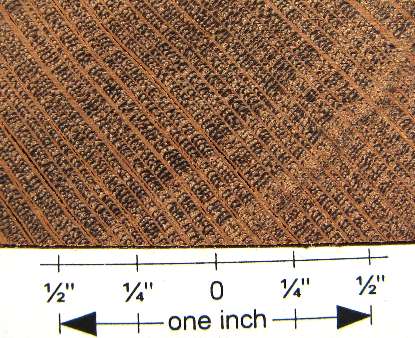
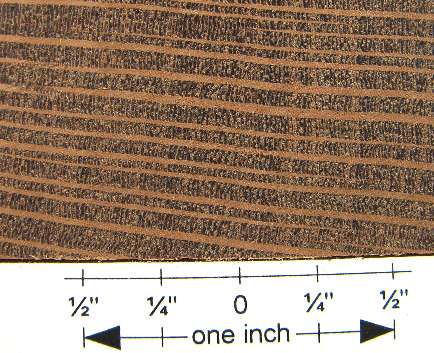
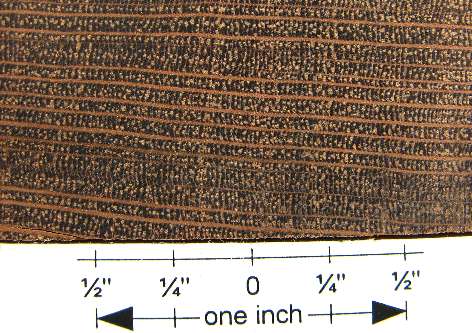
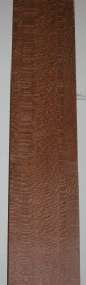
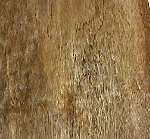
As far as I can tell, these three woods are difficult to tell apart with the naked eye, although European lacewood tends to have a finer grain and smaller flakes than the other two. Also I have read that you cannot fully trust any of the designations "South American lacewood", "Australian lacewood", and "European lacewood", as vendors tend to get them confused, with there being a particular tendancy to call everything Australian lacewood whether it is or not.
Grevillea robusta of the family Proteaceae has the common name (Australian) Southern silky oak and "yellow lacewood" and "yellow silky oak" but is also called lacewood in the US, although it is significantly different than the three lacewoods that I have listed above, is not easily confused with them, and to my mind should NOT be called lacewood. There is ENOUGH confusion with the three I've listed.
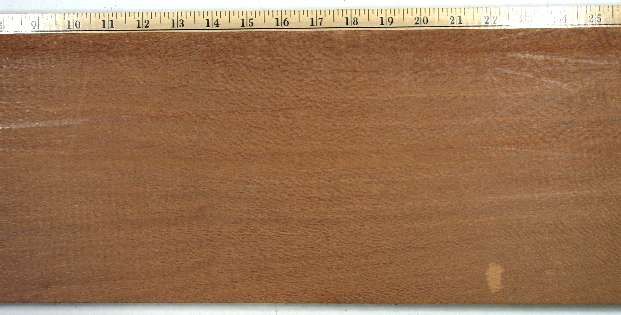
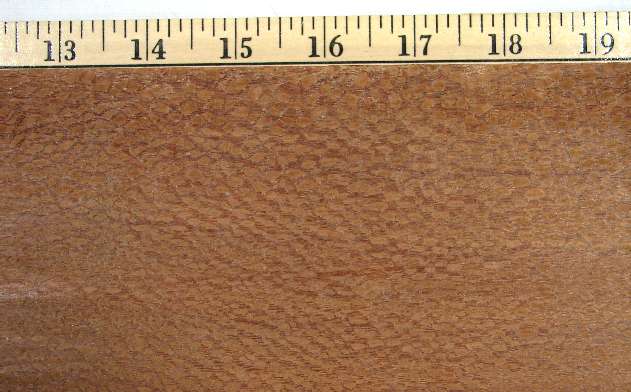
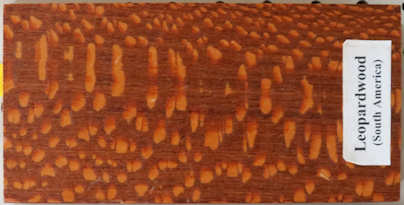
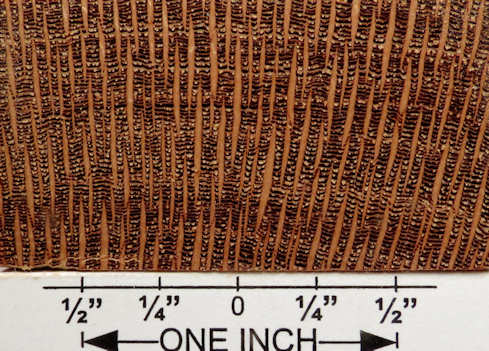
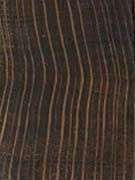
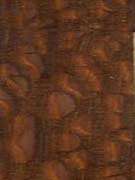
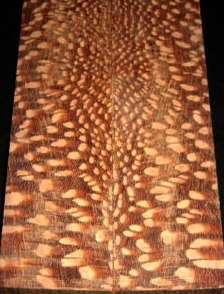
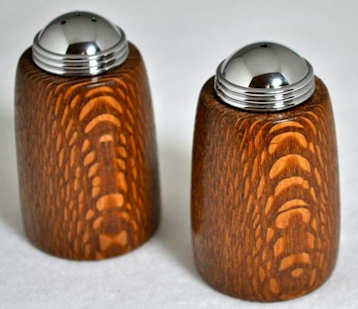
leopardwood: this is Panopsis rubellens of the family Proteaceae, the same family as both South American lacewood and Australian lacewood, but is easy to distinguish from them with a small amount of experience --- it is darker brown in color and is harder and heavier and with a noticibly finer texture. It is sometimes called lacewood, as the lacewoods are sometimes called leopardwood. Although a small-flake lacewood and a large-flake leopardwood can have larger flakes on the leopardwood than the lacewood, the leopardwood will not produce flakes as large as what can be obtained on lacewood and will generally have smaller flakes and flakes that tend more towards the circular than the oblong that sometimes occurs in lacewood.
sycamore There are two woods that are commonly called sycamore:
- Platanus occidentalis of the family Platanaceae, the plane or sycamore family --- although in the same family as South American and Australian lacewood, it would never be confused with them as it is a significantly different color and generally has much smaller rays. It is what we mean in the USA when we say "sycamore"
- Acer pseudoplatanus of the family Aceraceae is totally unrelated to any of the other woods discussed here (it's a maple) and is called sycamore or harewood in England and is also called (European) plane or planetree both in England and in the USA. It does NOT have the ray flakes associated with American sycamore or lacewood, and in fact is not readily distinguished from any other curly maple, as you'll see on the hard maple page of this site. The name lacewood seems to be normally limited to the quartersawn cuts of this wood, and I have no idea why it is applied, even there. Note that even the NAME means "false sycamore" and nothing about its appearance suggests lacewood.
It is unfortunate that these two woods get confused at all with any of the lacewoods, since it is really only the NAMES that get confused --- the woods themselves would never be mistaken for any lacewood or leopardwood.
|