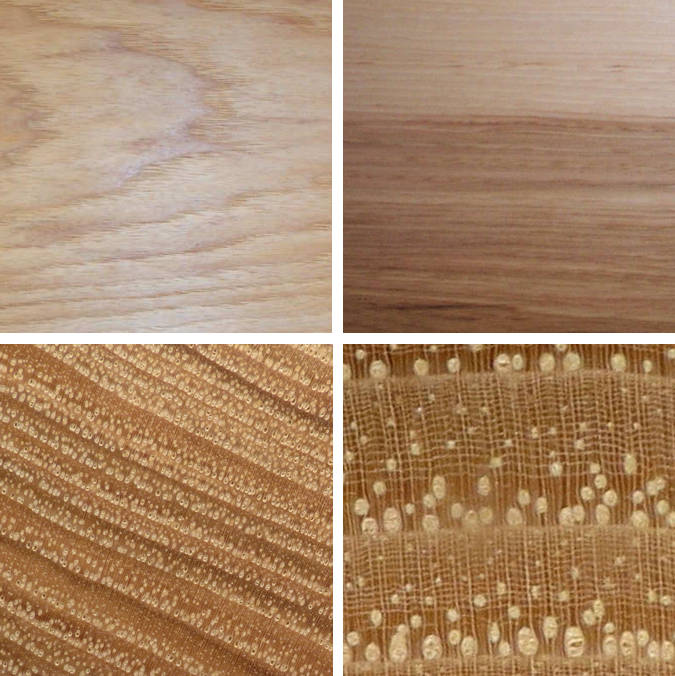
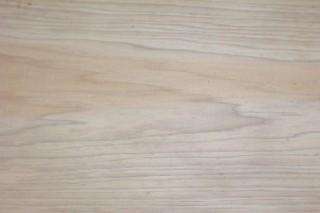
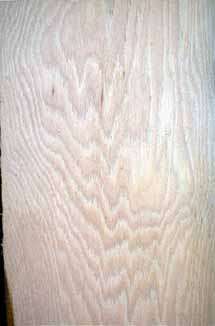
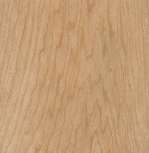
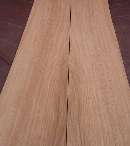
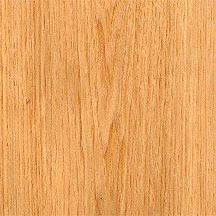
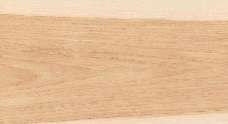
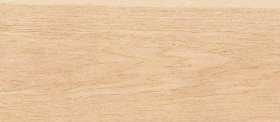
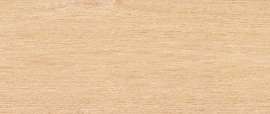
WOOD ID POSTER:
co-created by, and sponsored by, HobbitHouse


240 woods on a poster (24"x36")


www.woodposter.com

open main page here


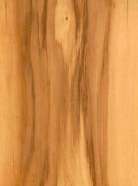
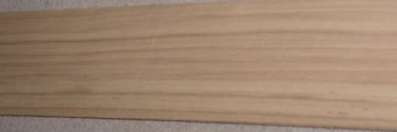
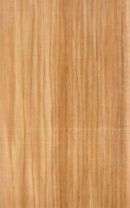
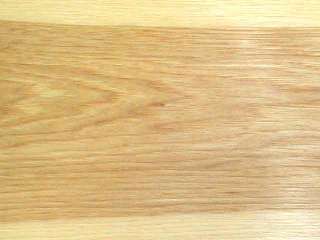
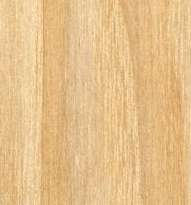
HICKORY

Carya spp.

Carya spp of the family Juglandaceae, the walnut family

Principally C. glabra, C. lachinosa, C. ovata, and C. tomentosa (you will never, as far as I can tell, see any of those listed as pecan --- as far as I can tell, there are NO Carya species that are listed as pecan that are not also listed as hickory (but there are several that are listed as hickory and that includes those just lised.

Hickory frequently cannot be distinguished from pecan and in fact the two are often mixed indiscriminately in lumber yards and simply sold as hickory.


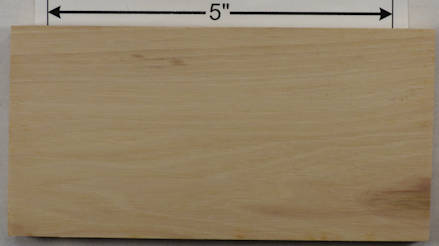
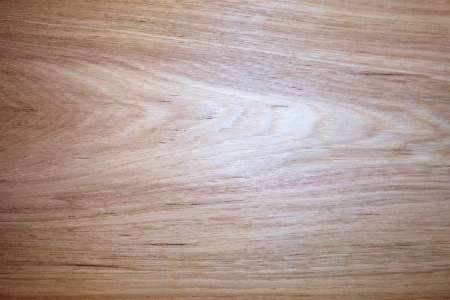
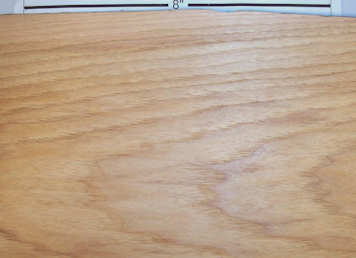
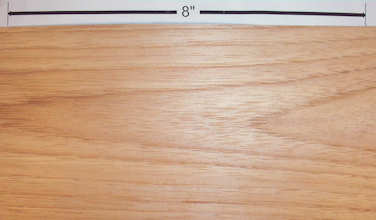
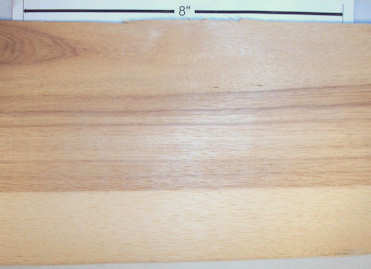
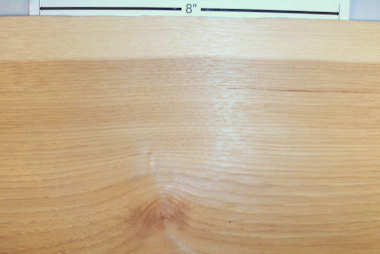
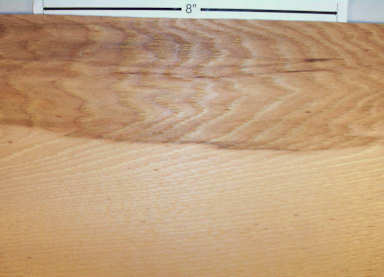
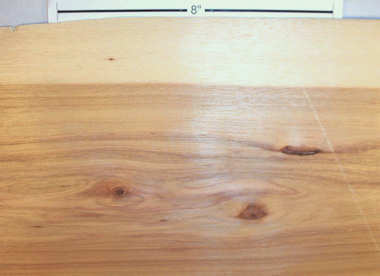
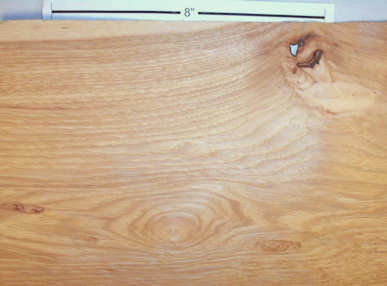
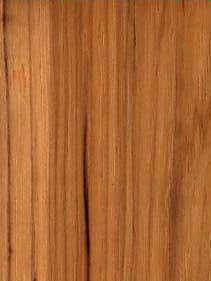
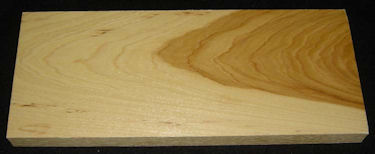
my samples --- color is accurate for all:


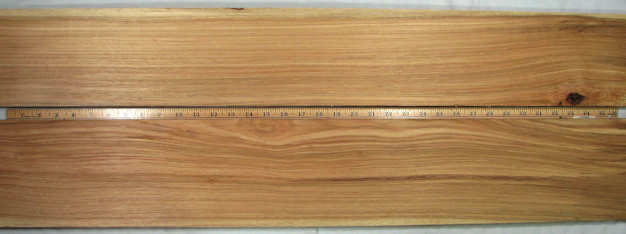
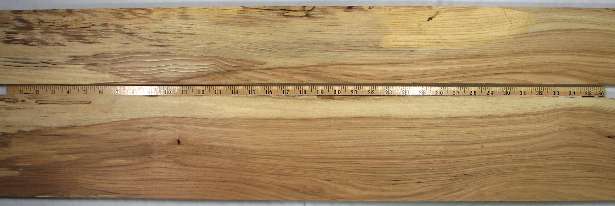
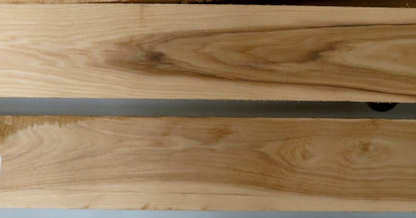
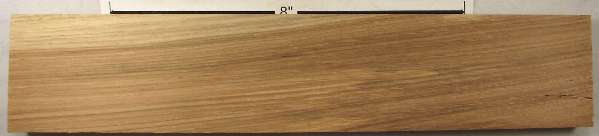
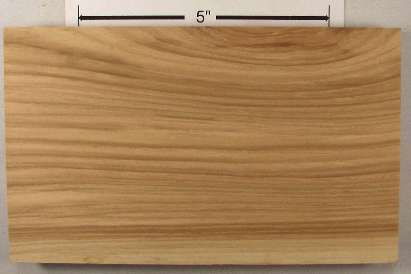
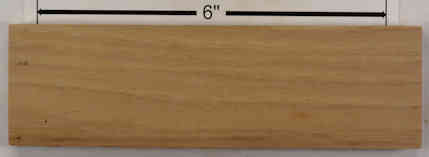
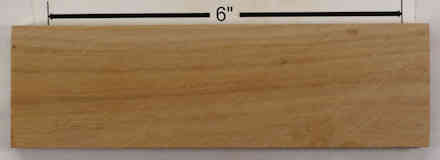
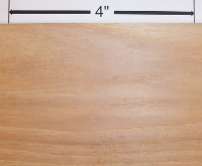
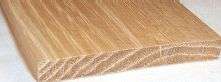
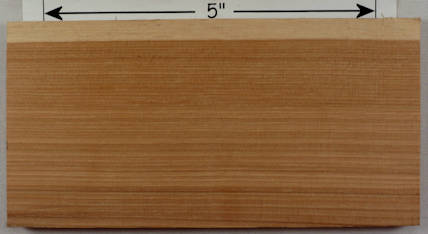
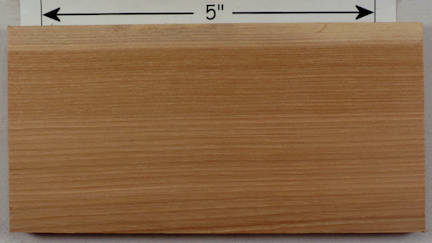
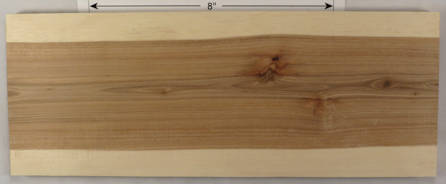
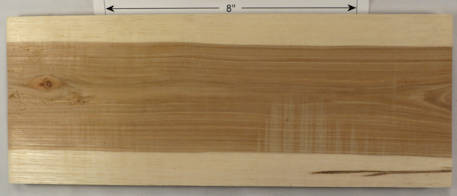
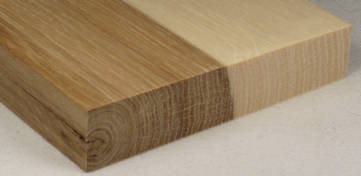
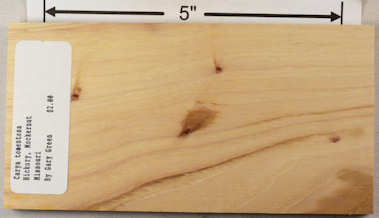
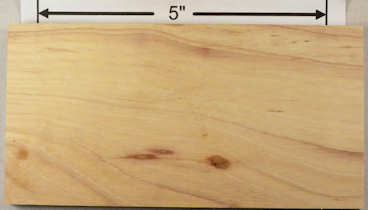
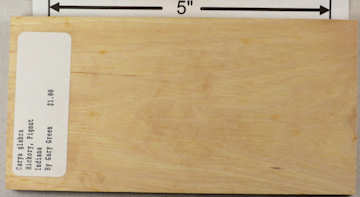
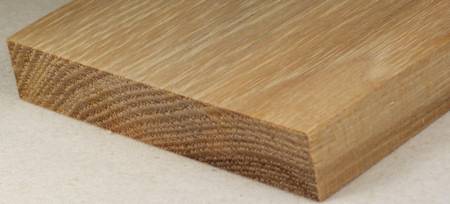
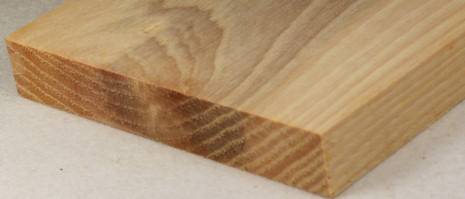
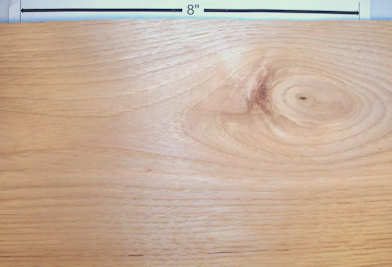
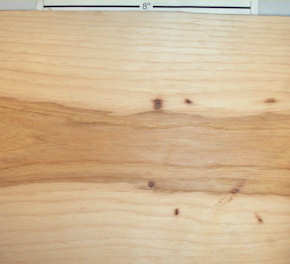
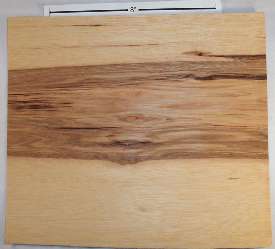
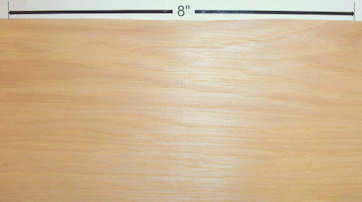
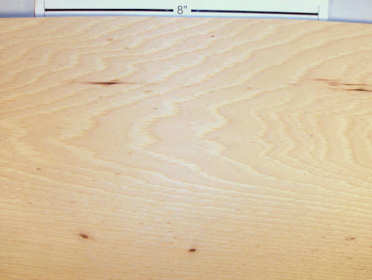
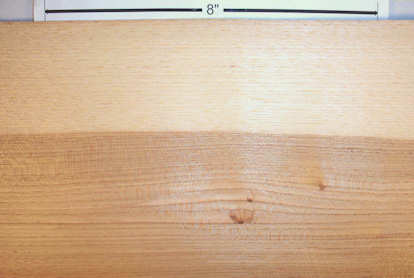
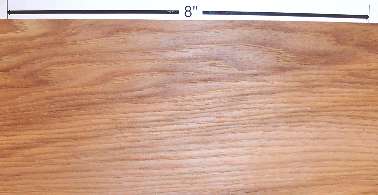
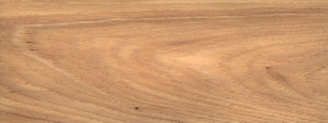
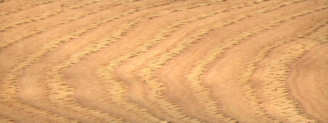
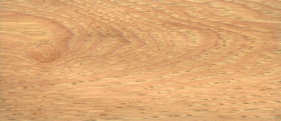
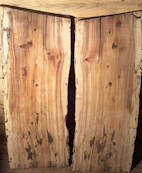
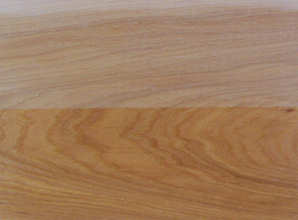
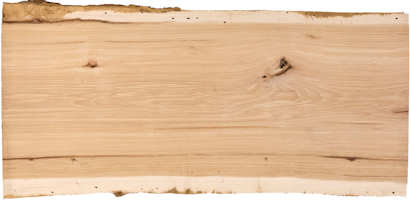
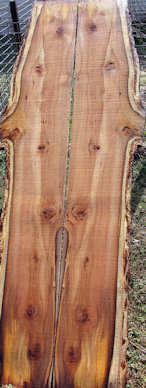
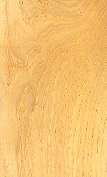
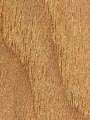
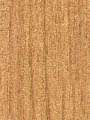
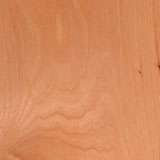
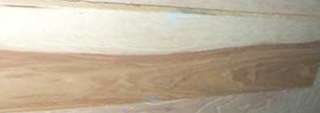
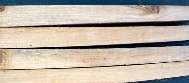
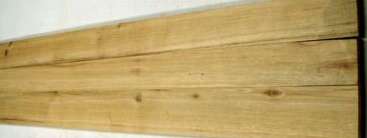
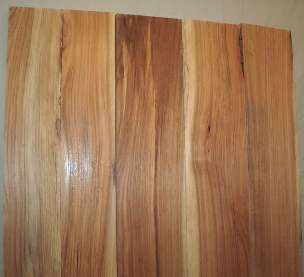
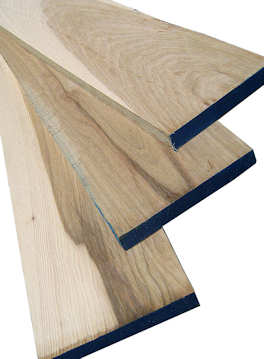
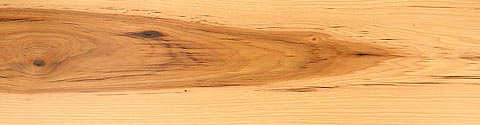
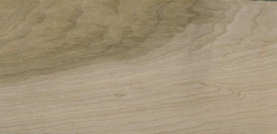
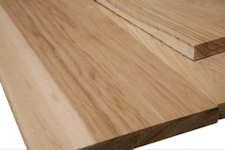
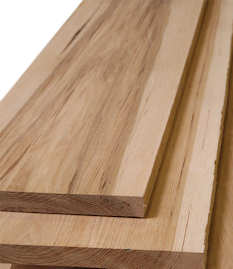
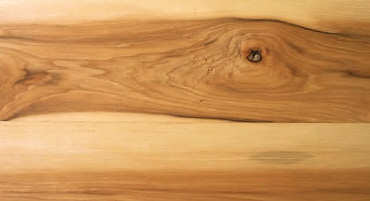
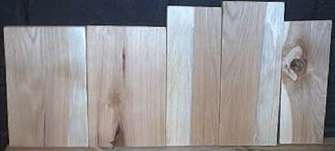
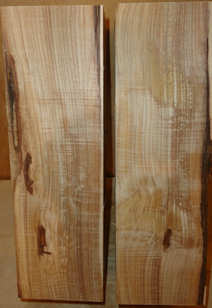
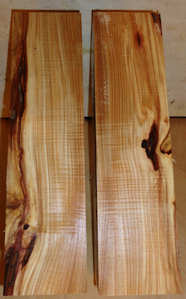
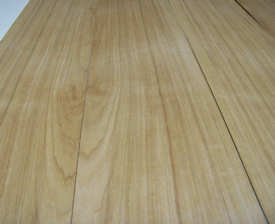
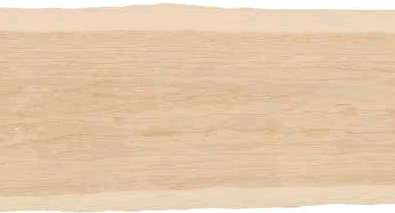
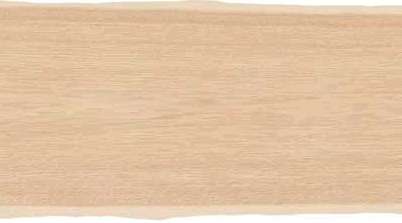
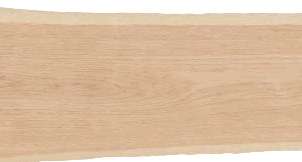
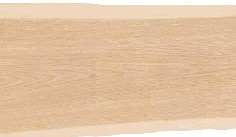
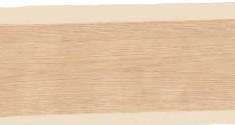
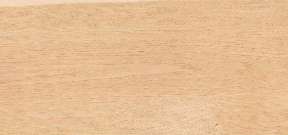
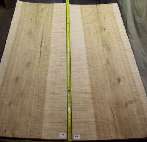
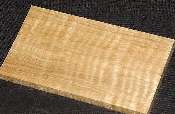
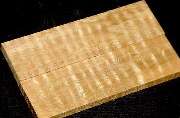
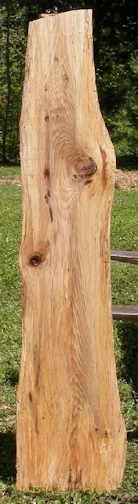
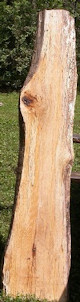
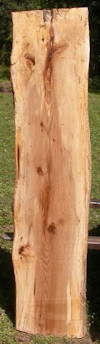
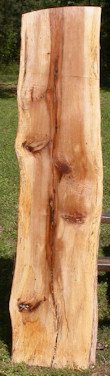
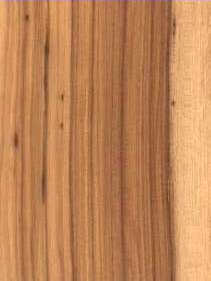
planks --- grain shows much better in the enlargements; color is accurate


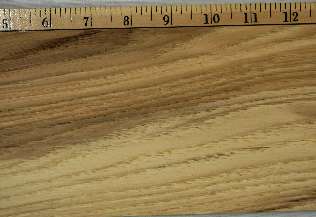
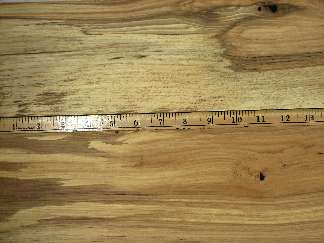
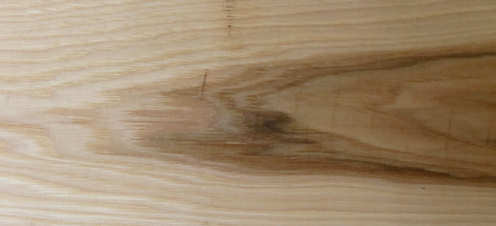
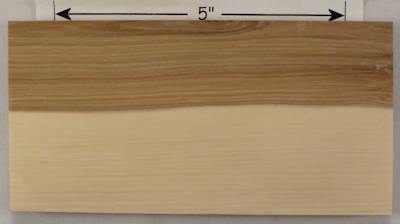
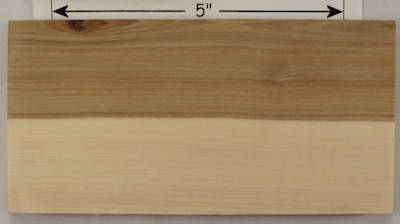
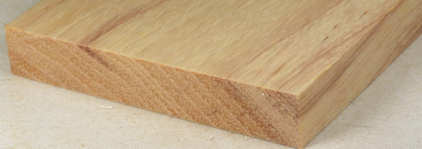
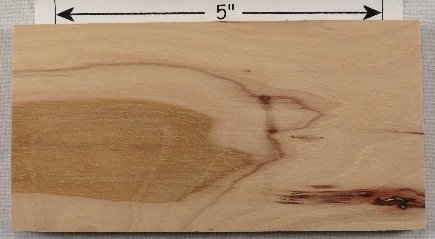
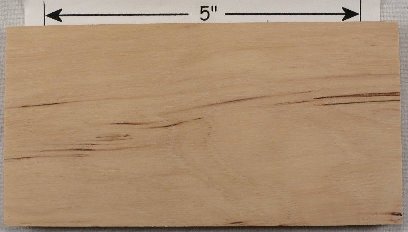
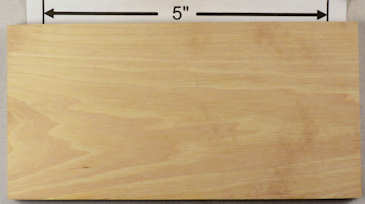
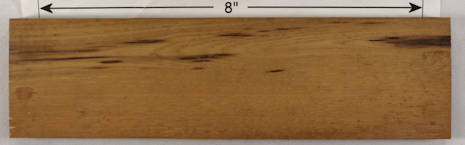
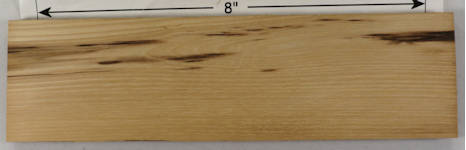
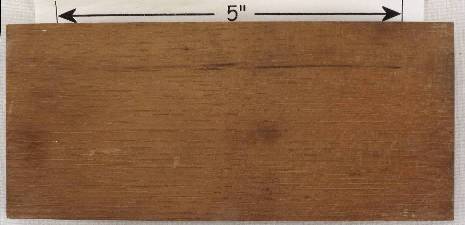
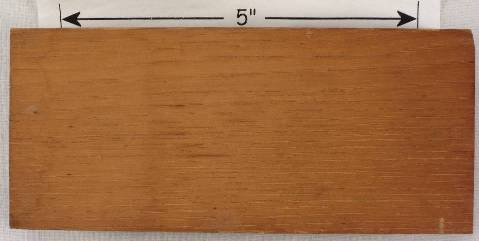
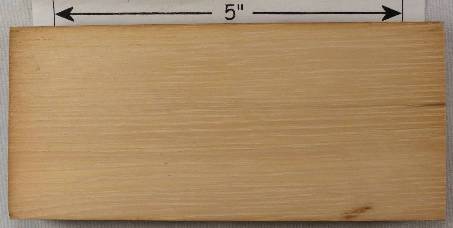
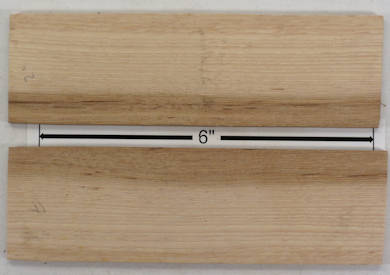
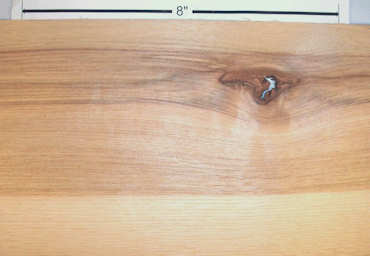
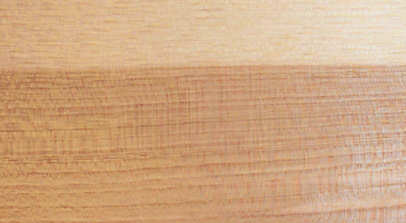
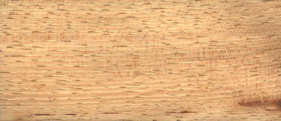
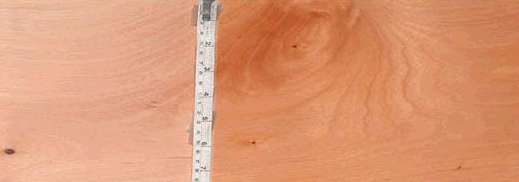
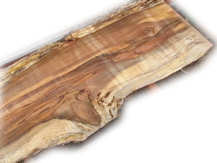
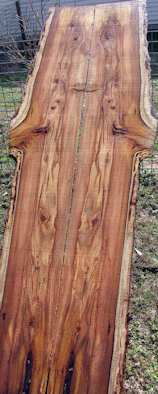
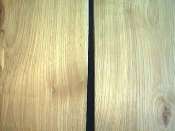
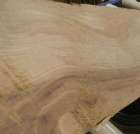
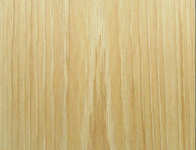
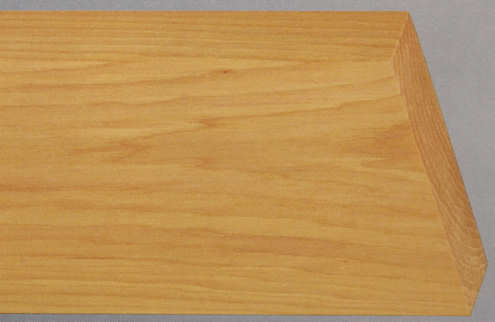
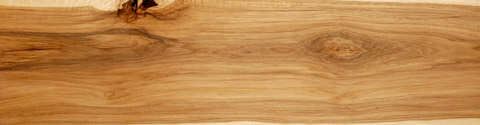
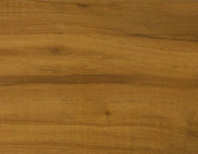
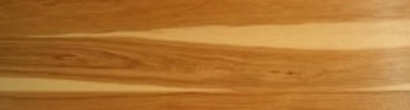
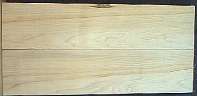
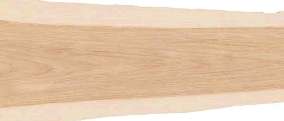
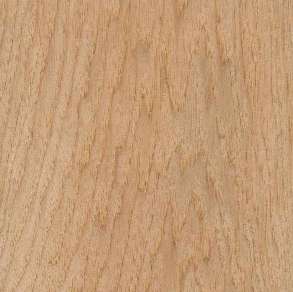
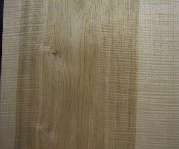
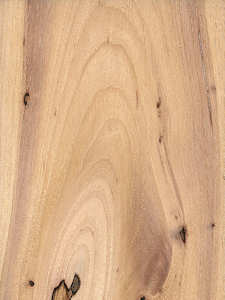
both sides of a plank and a closeup --- grain shows much better in the enlargements; color is accurate


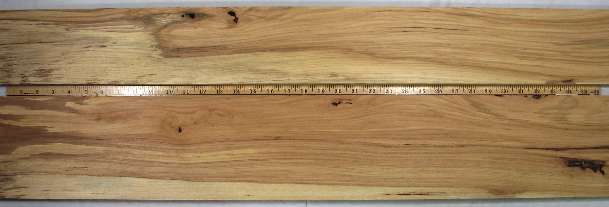
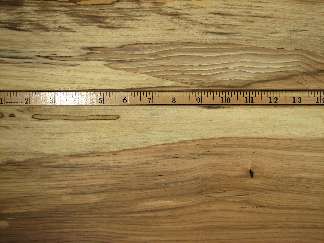
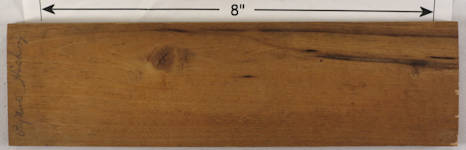
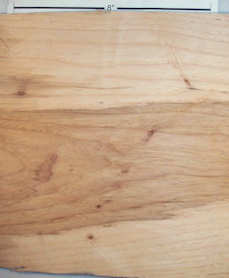
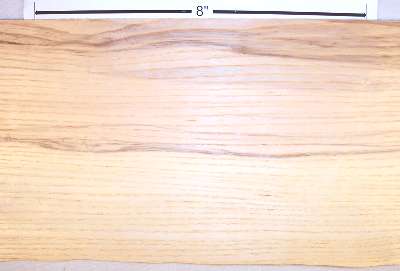
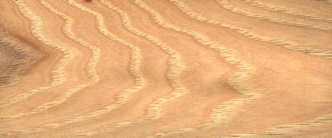
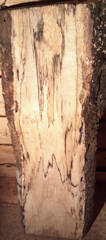
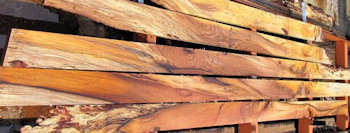
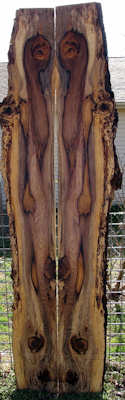
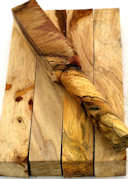
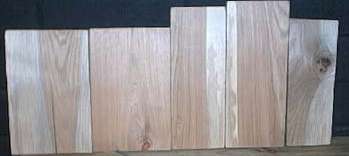
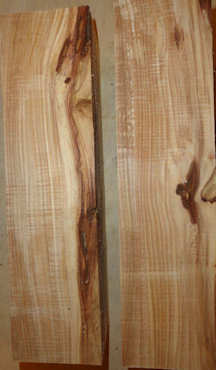
planks with some spalting and a closeup --- grain shows much better in the enlargements; color is accurate


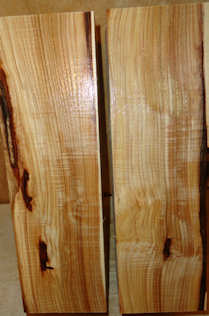
the other side of the planks directly above --- grain shows much better in the enlargements; color is accurate


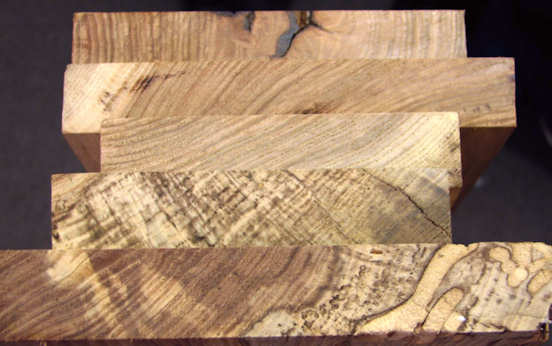
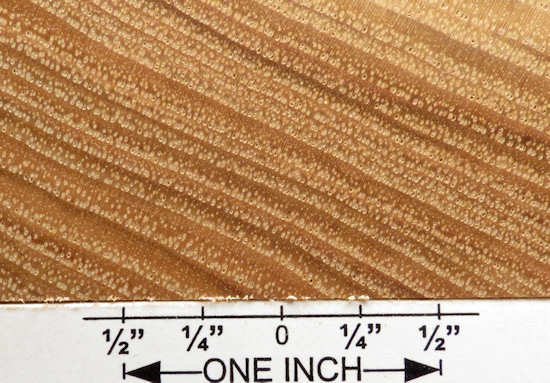
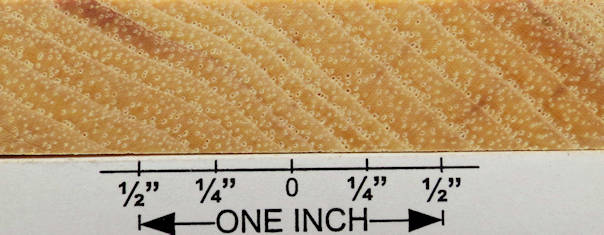
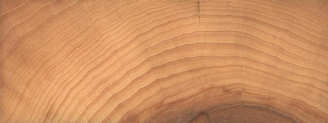
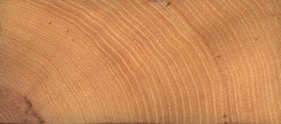
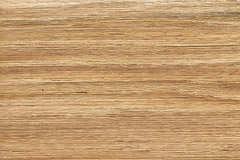
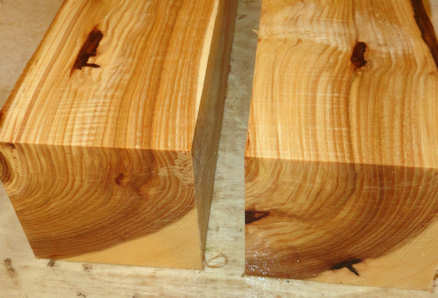
end grain of all 5 of the planks directly above --- color has a very slight green tint that should not be there


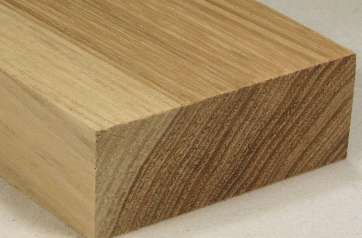
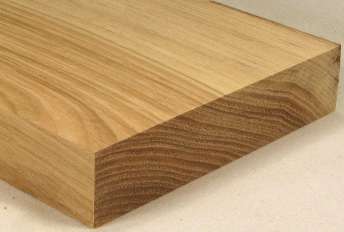
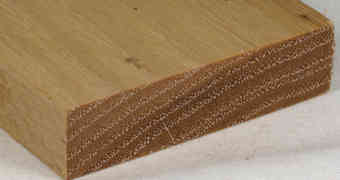
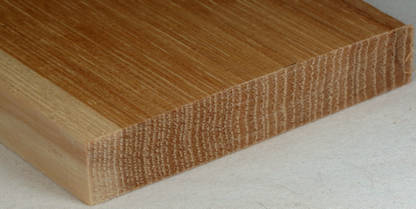
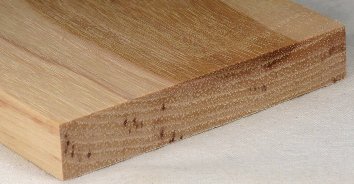
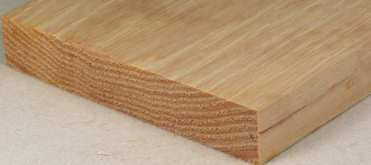
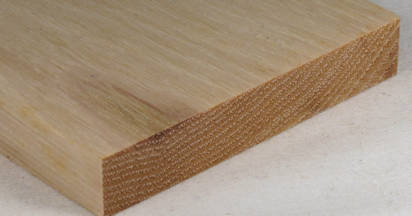
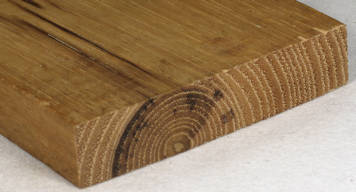
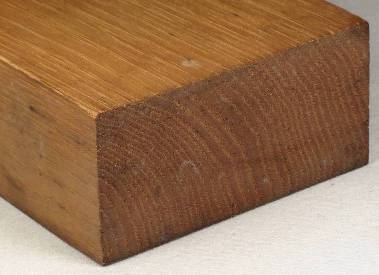
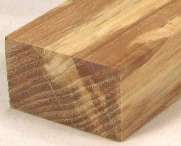
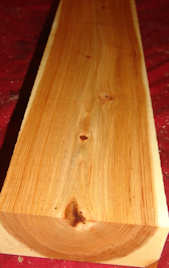
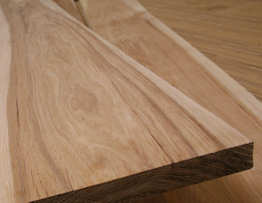
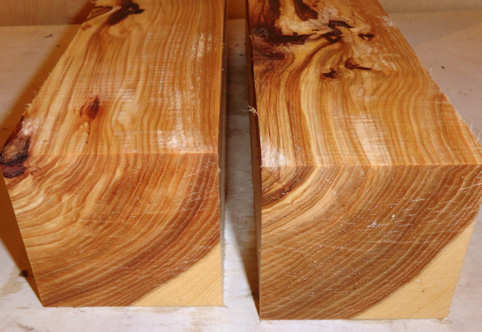
plank and end grain (this was cut from one of the larger planks above)


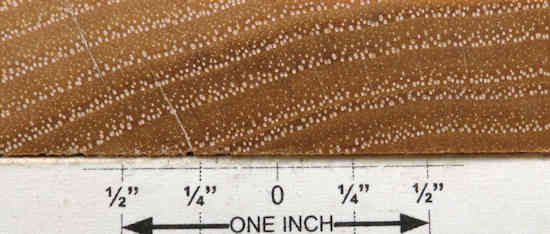
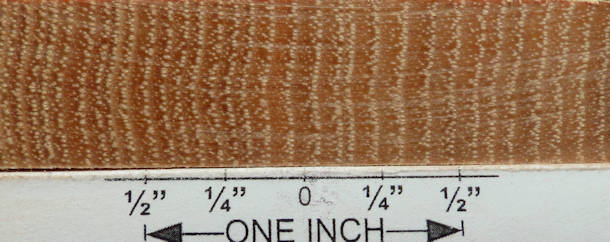
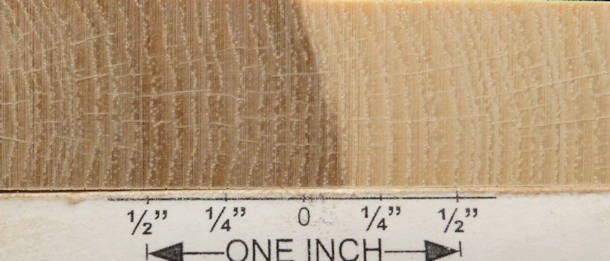
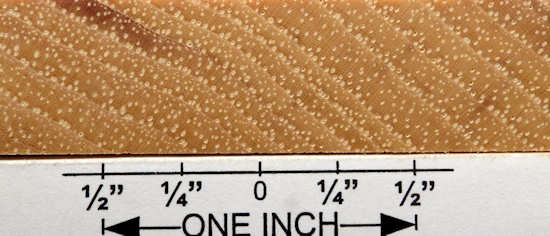
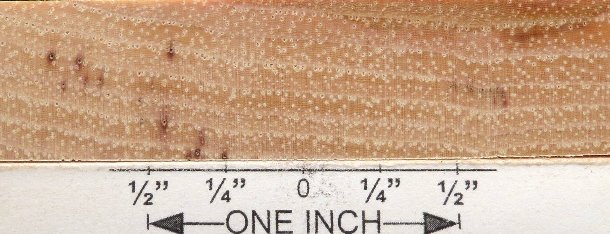
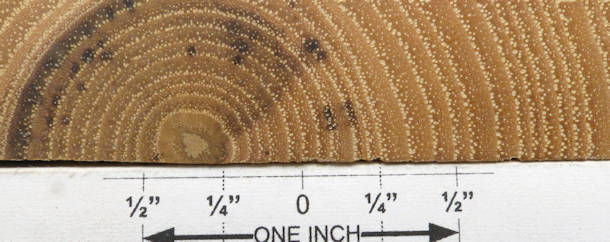
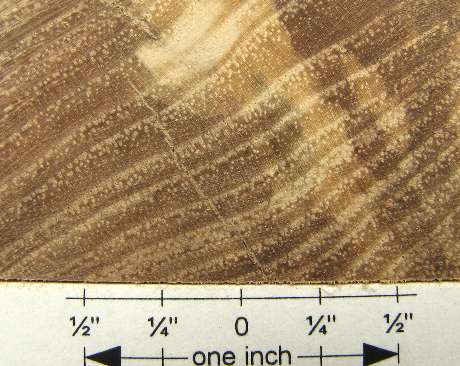
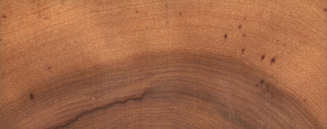
end grain closeup of the piece directly above


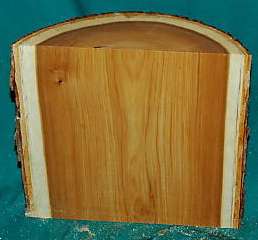
plank and end grain (this was cut from one of the larger planks above)


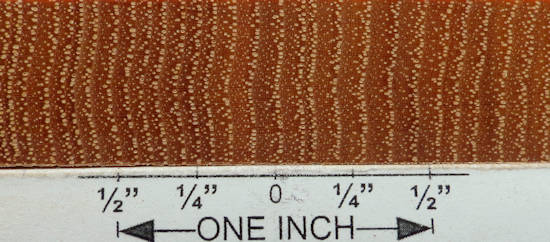
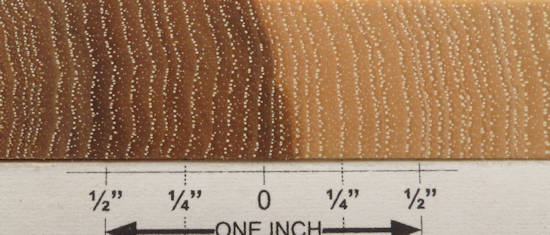
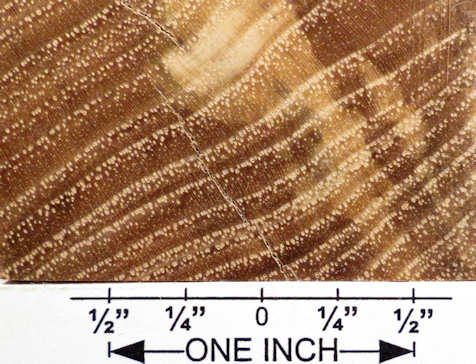
end grain closeup of the piece directly above


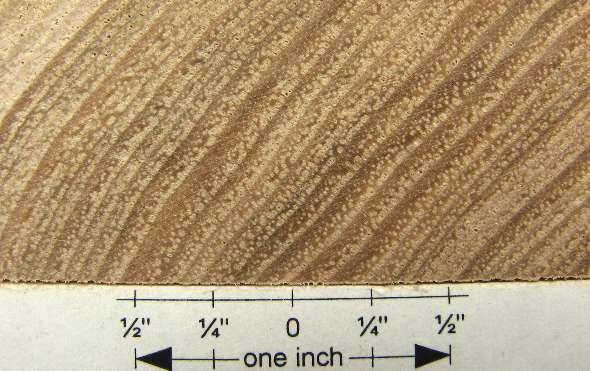
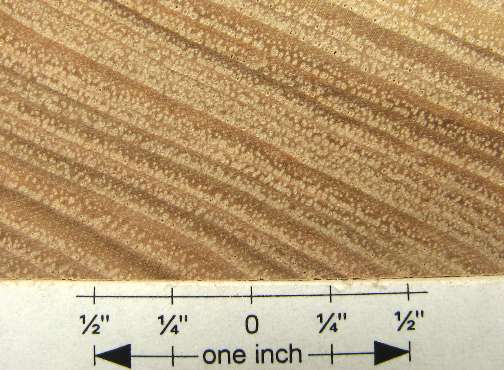
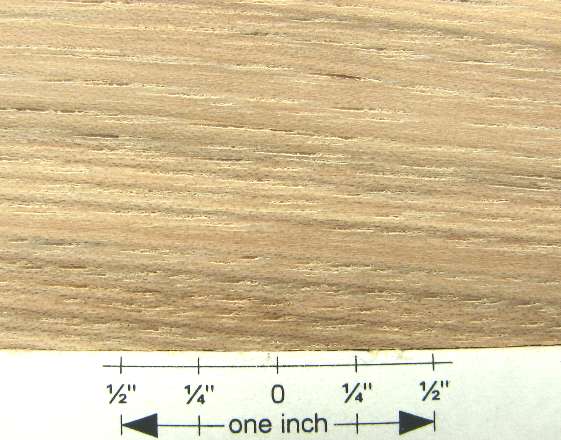
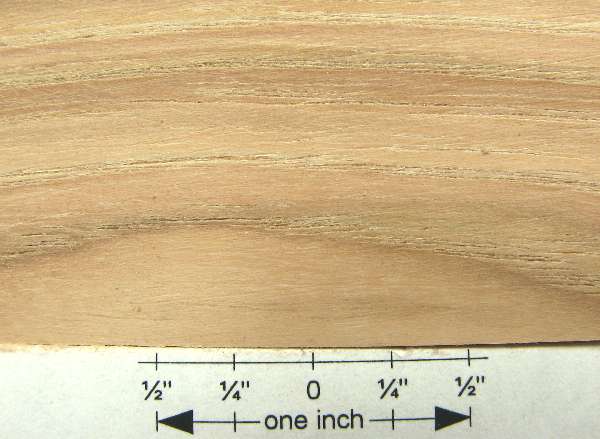
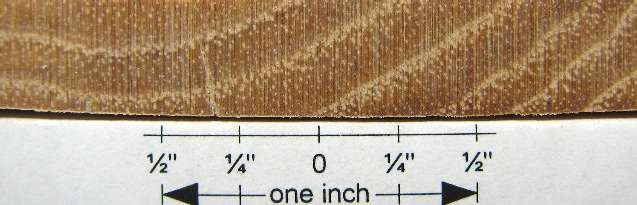
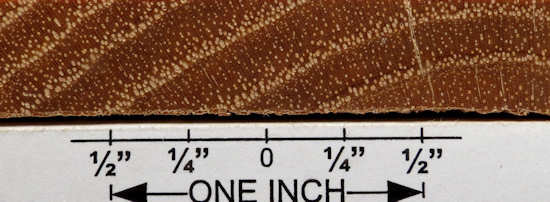
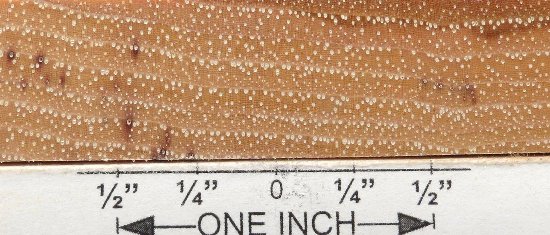
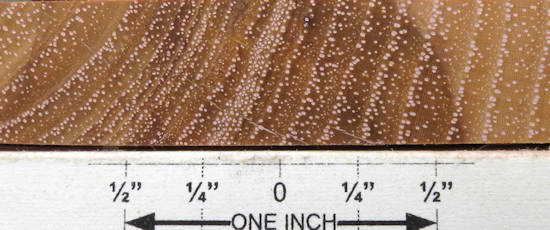
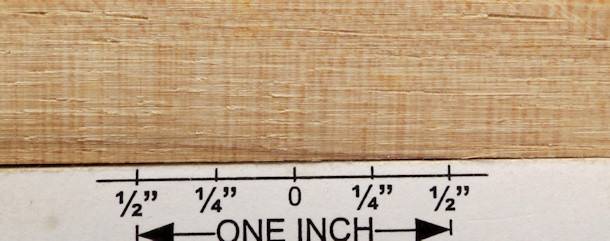
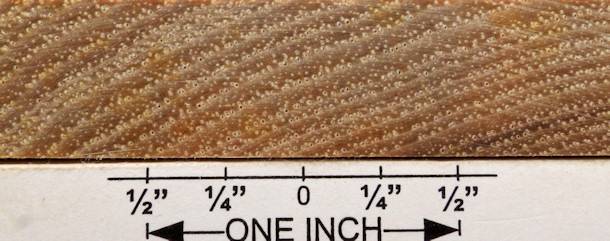
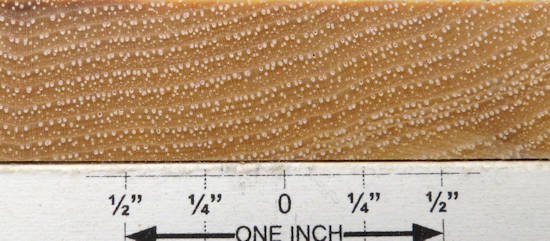
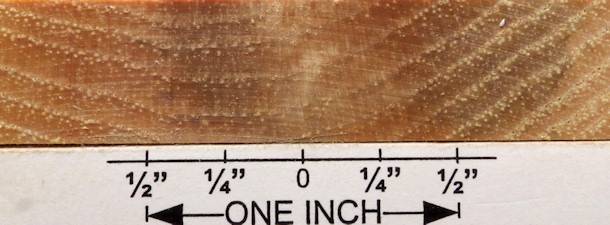
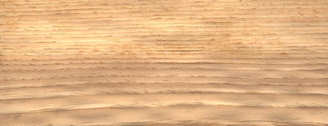
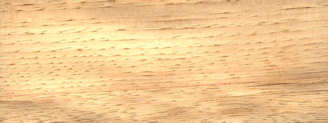
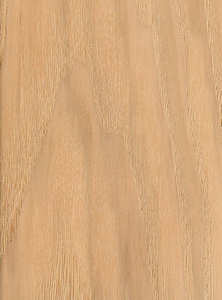
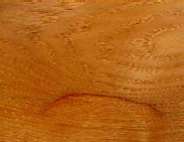
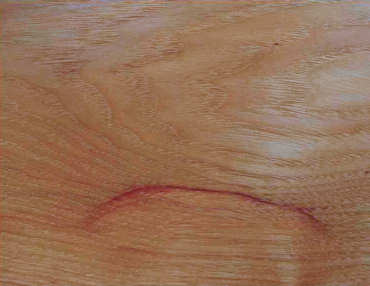
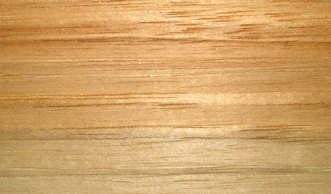
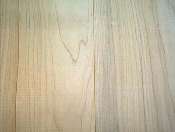
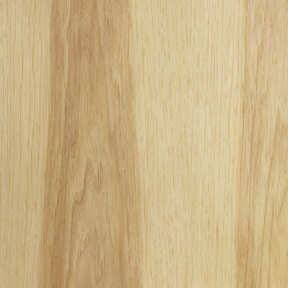
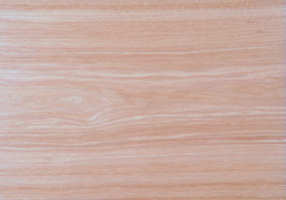
closeups of a couple of flat cut sections of planks --- color is correct for the intense light I used but in normal light it doesn't look so faded or quite so pink; my point was to show the open pores as they look on flat cut surfaces


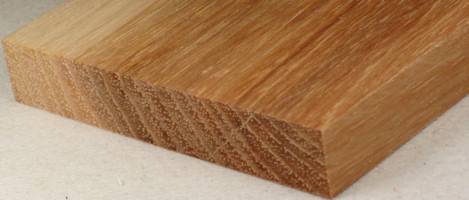
plank and end grain


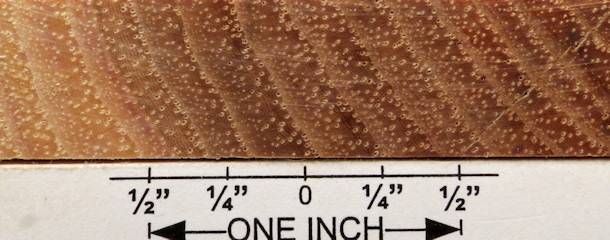
end grain closeup of the piece directly above --- sanding scratches are pretty bad


both sides of a sample plank of water hickory / Carya aquatica --- note that this species is also often called pecan


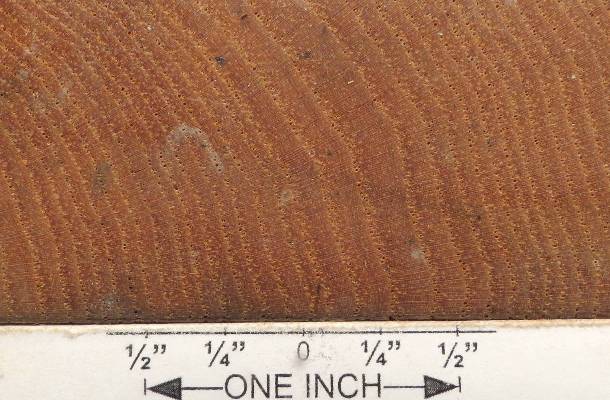
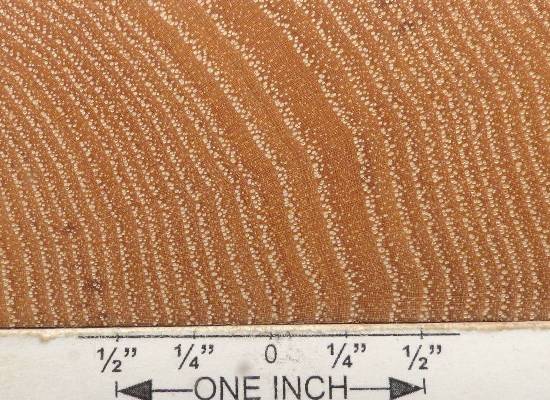
end grain and end grain closeup of the piece directly above


both sides of a sample plank of bitternut hickory / Carya cordiformis --- note that this species is also often called pecan


end grain and end grain closeup of the piece directly above


both sides of a sample plank of shagbark hickory / Carya ovata


end grain and end grain closeup of the piece directly above


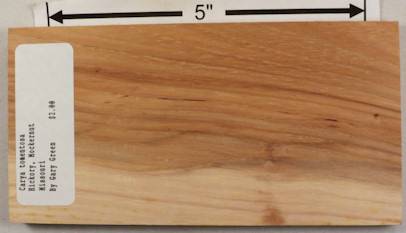
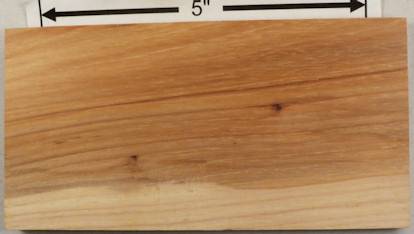
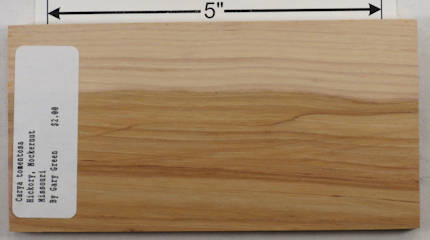
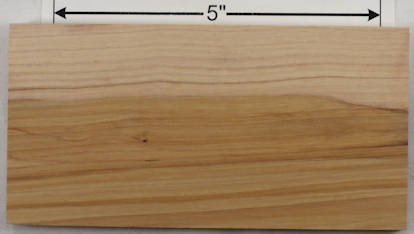
both sides of a sample plank of mockernut hickory / Carya tomentosa


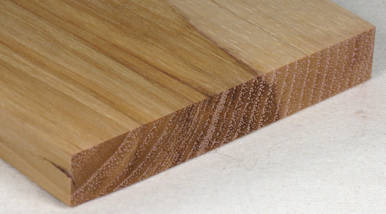
end grain and end grain closeup of the piece directly above


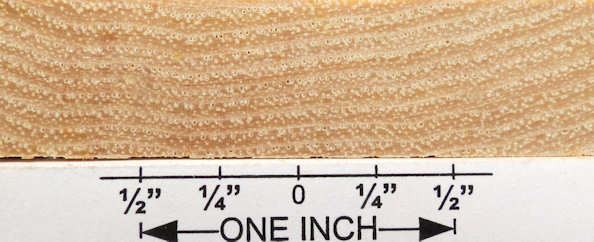
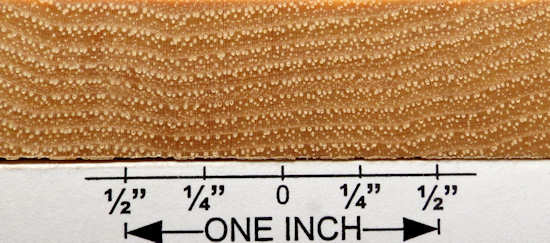
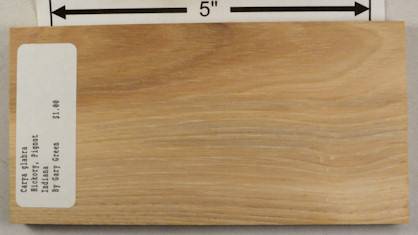
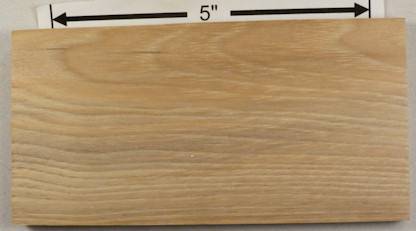
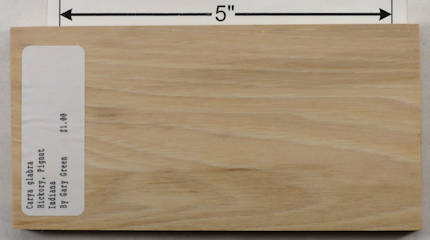
both sides of a sample plank of pignut hickory / Carya glabra


end grain and end grain closeup of the piece directly above


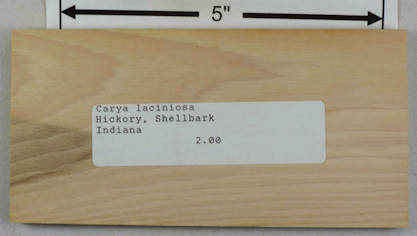
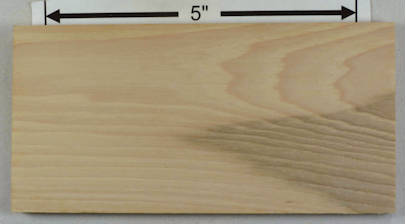
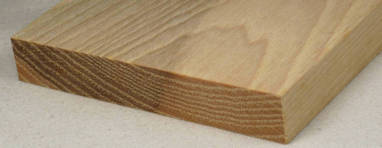
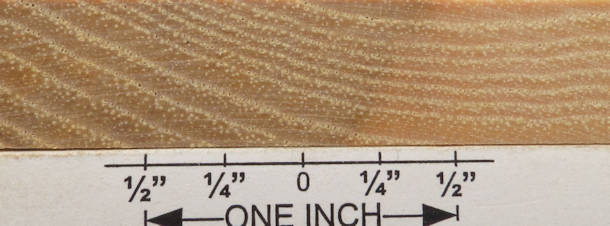
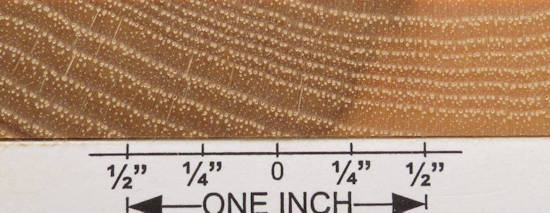
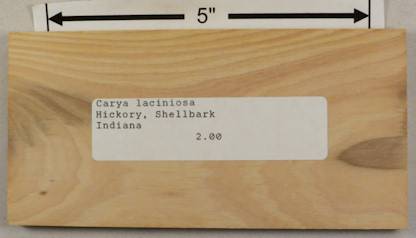
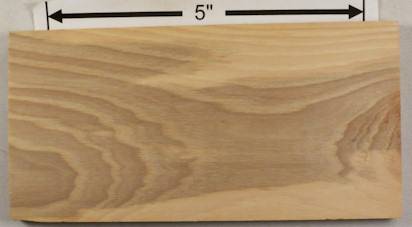
both sides of a sample plank of shellbark hickory / Carya laciniosa


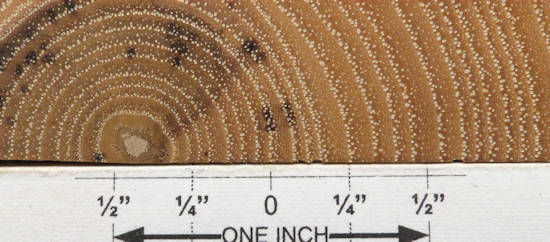
end grain and end grain closeup of the piece directly above


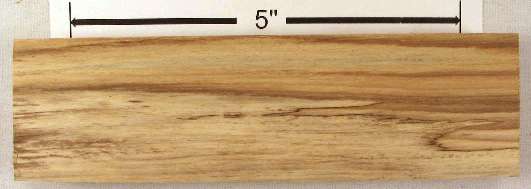
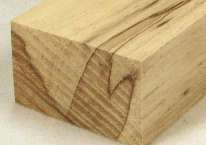
spalted hickory plank and end grain (end grain pic has had too much red removed)


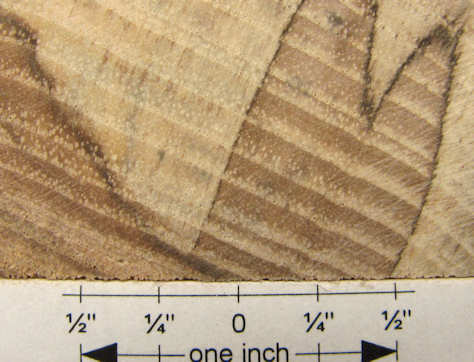
end grain closeup of the piece directly above (color is too red, should be more brown/orange)


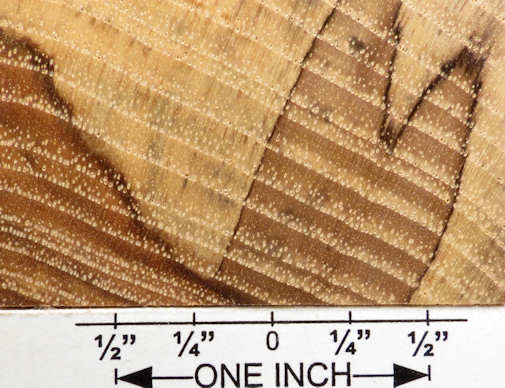
spalted hickory plank and end grain with accurate color


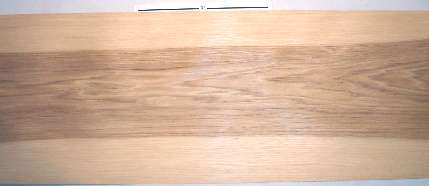
thick veneer (1/12th inch) that is VERY grainy


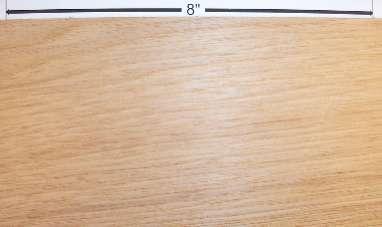
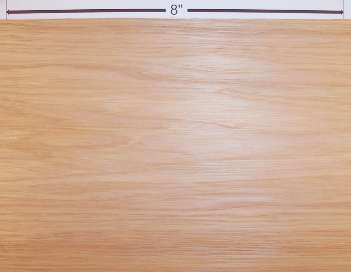
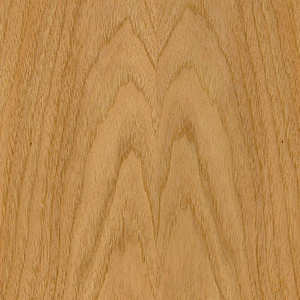
normal thickness veneer (about 1/42nd) that is not super-grainy like the thick veneer, although this is a more grainy wood than average.


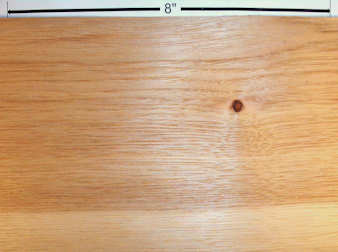
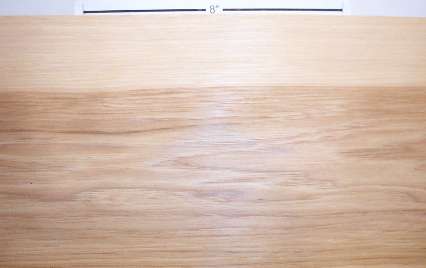
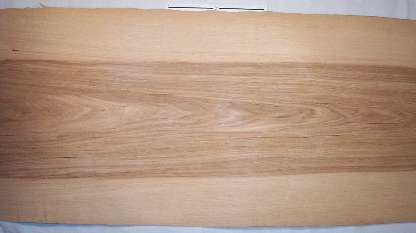
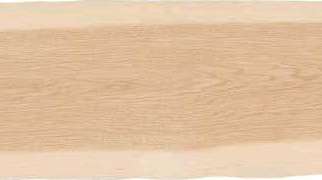
veneer with sapwood --- colors are pretty much correct, but the pic makes the wood look just a touch more rich than it really is. The normal graininess of hickory shows up better in this sample than in the one directly above.


veneer sheet and closeup; the distance pic has a touch too much red tint but the color on the closeup is very accurate


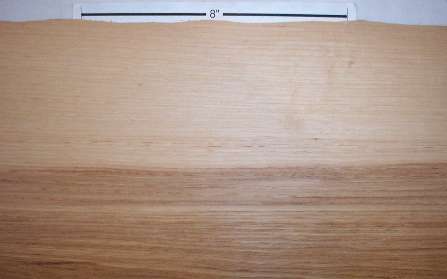
veneer sheet and 2 closeups


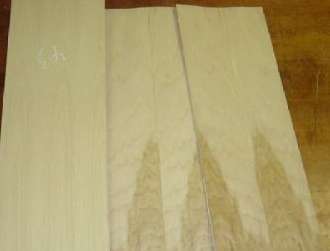
more veneer from my stock --- these are from a diverse lot of hickory from several flitches. The colors are close throughout but some are off by a shade. The 2nd one is too red and some tend to make the wood look just a little more rich than it really is.


veneer sheets chosen to show some of the variety available --- some of these pics have too much red; the color on the last sheet is very accurate


pure sapwood


a relatively smooth piece and a grainy piece


quartersawn veneer with ray flakes and a closeup of the same sheet


pure heartwood, darker than normal


interesting yellowish sapwood on this one


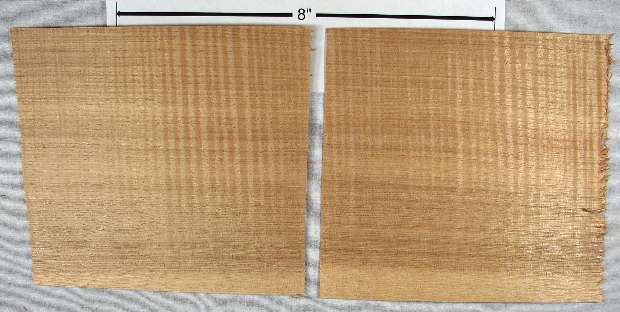
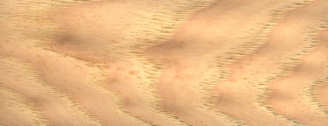
veneer with heavy curl --- many vendors would list this as fiddleback


both sides of a sample plank sold to me as butternut hickory / Carya cordiformis


end grain and end grain closeup of the piece directly above --- the end grain shot is too dark


The Wood Book pics


flat cut, quartersawn, end grain
shagbark hickory (Hicoria ovata, which is just a syn. for Carya ovata, also listed as shellbark hickory) from The Wood Book --- both levels of enlargement are available for each of the 3 views


flat cut, quartersawn, end grain
bitternut hickory (Carya amara, which is a synonym for Carya cordiformis, also listed as swamp hickory) from The Wood Book --- both levels of enlargement are available for each of the 3 views


flat cut, quartersawn, end grain
big shellbark hicory (Hicoria laciniosa, which is just a syn. for Carya laciniosa, also listed as thick shellbark hickory and king nut) from The Wood Book --- both levels of enlargement are available for each of the 3 views


flat cut, quartersawn, end grain
pignut hickory (Hicoria glabra, which is just a syn. for Carya glabra, also listed as brown hickory and black hickory) from The Wood Book --- both levels of enlargement are available for each of the 3 views


flat cut, quartersawn, end grain
mockernut hickory (Carya tomentosa) from The Wood Book --- both levels of enlargement are available for each of the 3 views


flat cut, quartersawn, end grain
small fruited hickory (Carya microcarpa) from The Wood Book --- both levels of enlargement are available for each of the 3 views


flat cut, quartersawn, end grain
water hickory (Carya aquatica, also listed as swamp hickory and bitter pecan) from The Wood Book --- both levels of enlargement are available for each of the 3 views


flat cut, quartersawn, end grain
pale-leaf hickory (Hicoria villosa, which is just a syn. for Carya texana) from The Wood Book --- both levels of enlargement are available for each of the 3 views


web pics


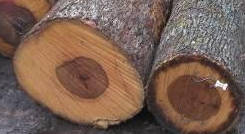
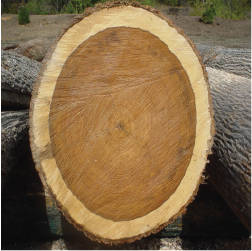
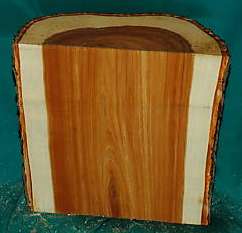
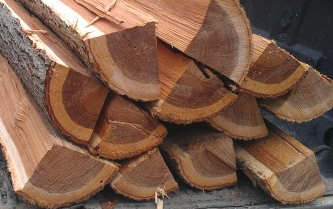
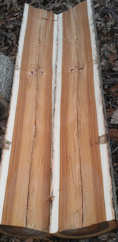
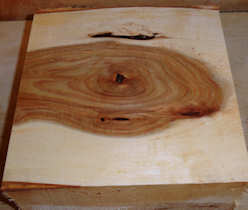
bitternut hickory log half (moistened for the pic but even so the orange color seems too strong)
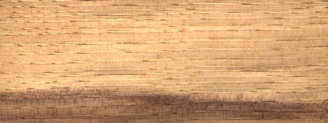

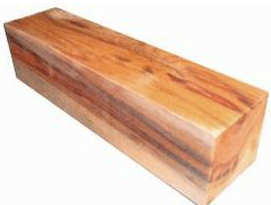
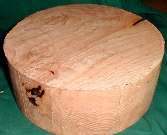
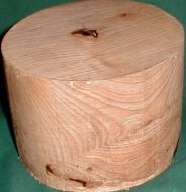
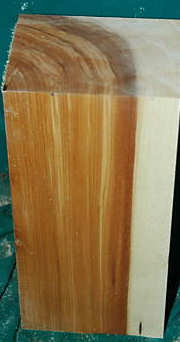
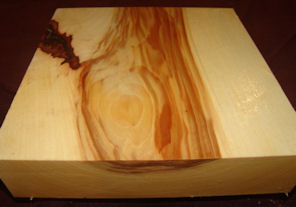
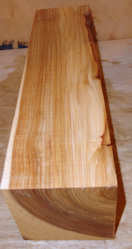
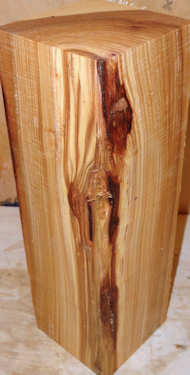
bitternut hickory turning stock


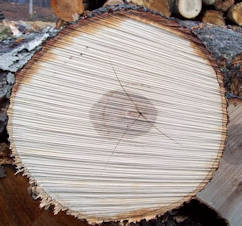
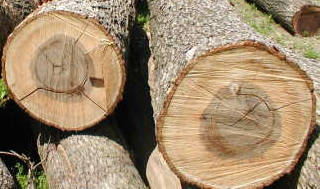
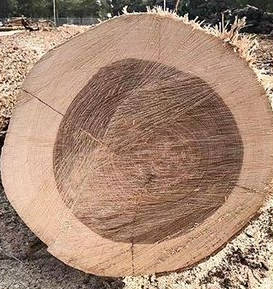
shagbark hickory log half (moistened for the pic but even so the orange color seems too strong)
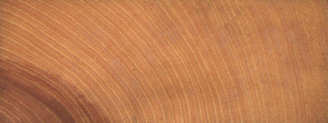

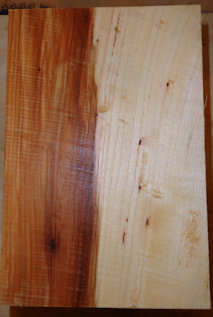
planks with wet and dry sections


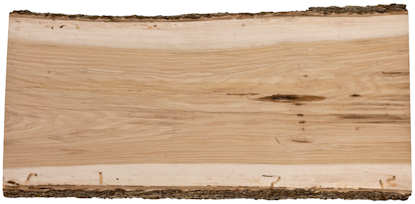
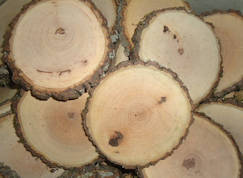
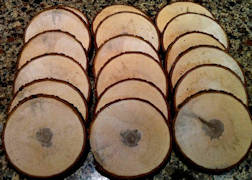
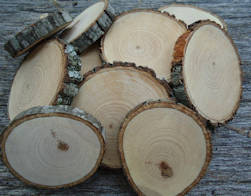
slabs with natural edges


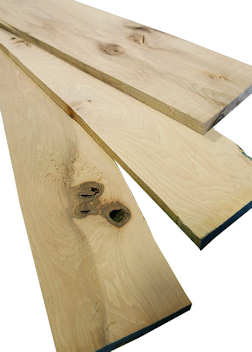
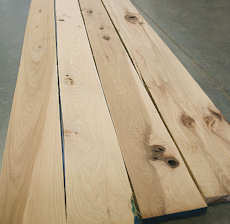
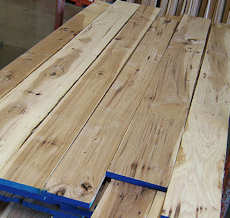
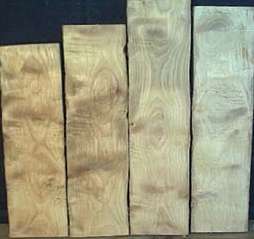
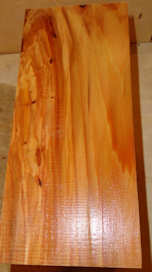
planks


this plank was listed as hickory but had I see the pic with no ID I would have unhesitatingly identified it as American white elm and I still think that might be what it actually is.


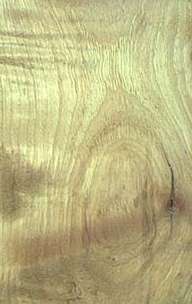
planks and a closeup


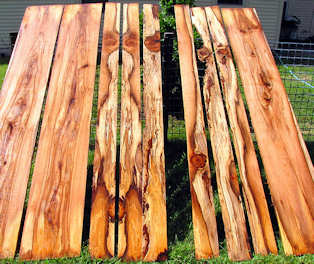
two pics of the same set of planks --- if these are weathered, the color could be accurate


plywood


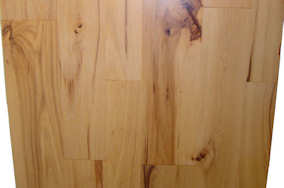
rustic hickory planks


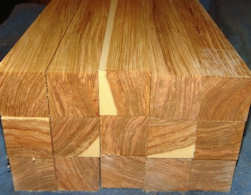
turning stock


curly planks


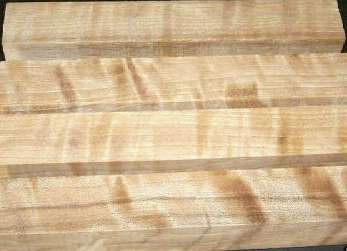
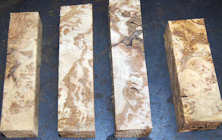
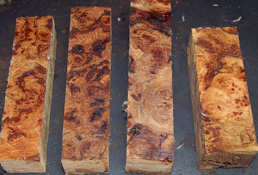
curly pen blanks


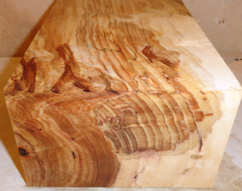
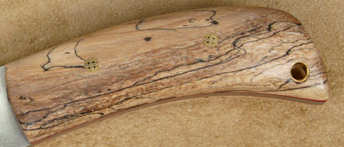
spalted


veneer


veneer all from the same vendor --- color is too pink on most of this


veneer sheet closeups with both levels of enlargement available --- color is too pink on these, I believe, but the grain looks representative


quartersawn hickory veneer, listed as "white" hickory --- I have no idea how accurate the color is, but I find it unlikely.


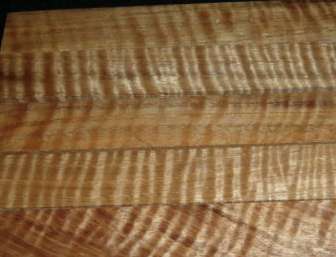
figured veneer very tight curl) and closeup
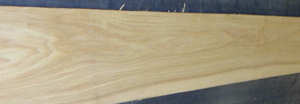

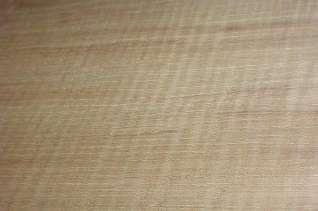
pecky veneer


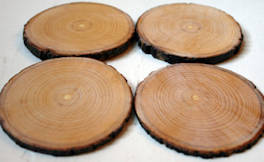
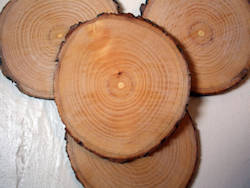
bowl rounds


curly hickory scales


shagbark hickory planks


slabs listed as scaly bark hickory


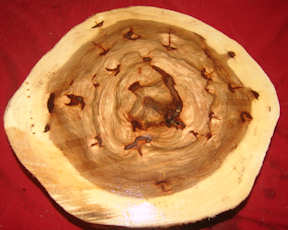
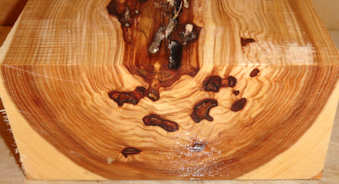
shagbark hickory that seems to be unusual in both the orange color and the bark inclusions (or whatever it is that is causing all the brown spots)
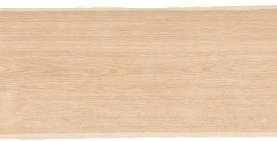

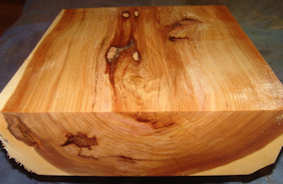
shagbark hickory turning stock and bowl blank


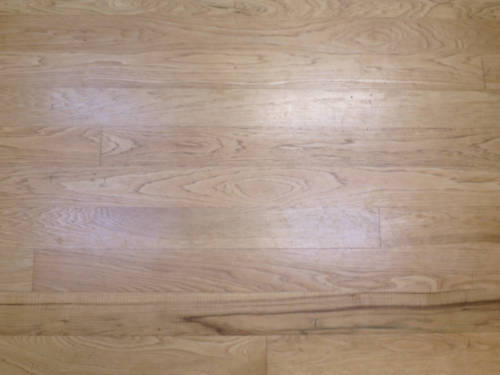
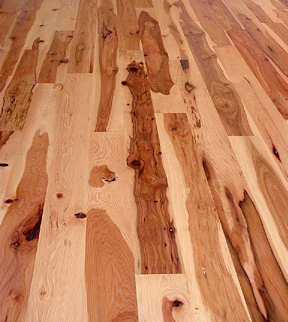
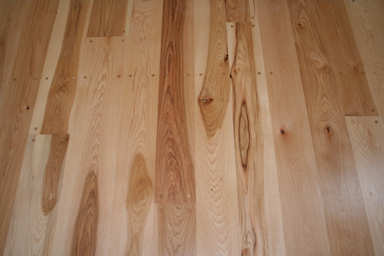
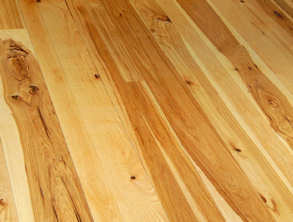
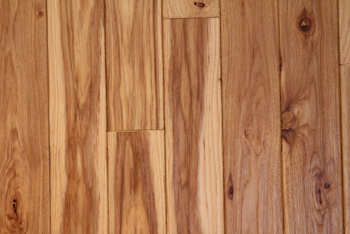
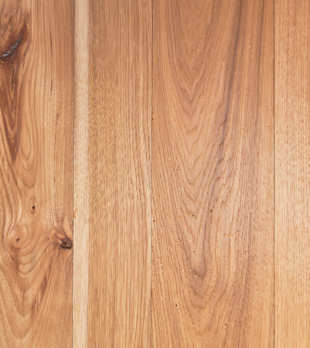
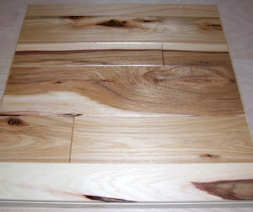
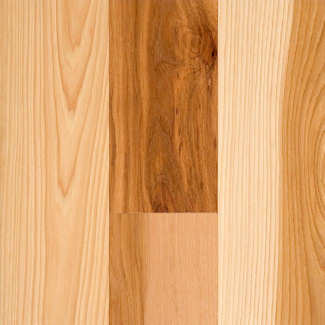
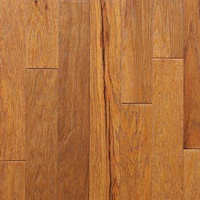
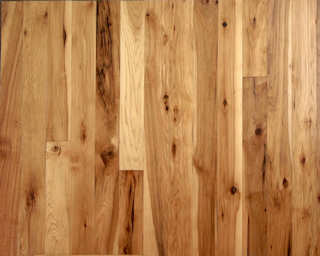
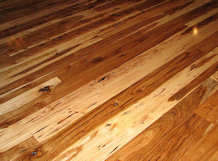
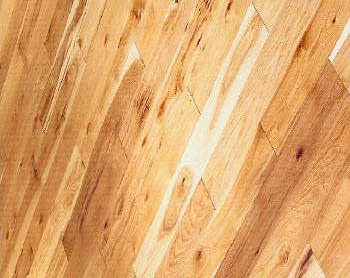
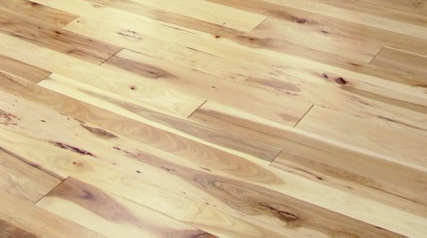
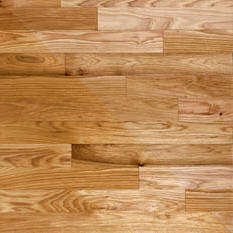
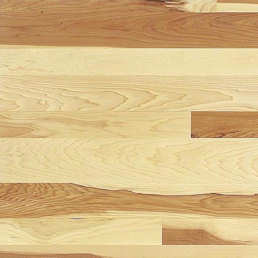
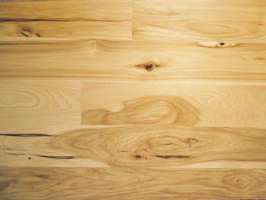
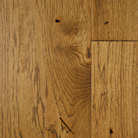
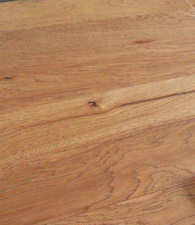
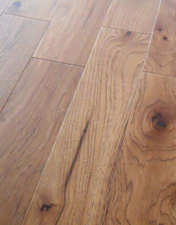
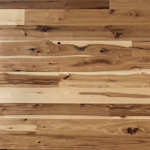
flooring (some of this is "rustic" (=> heavy knots and some flaws allowed)


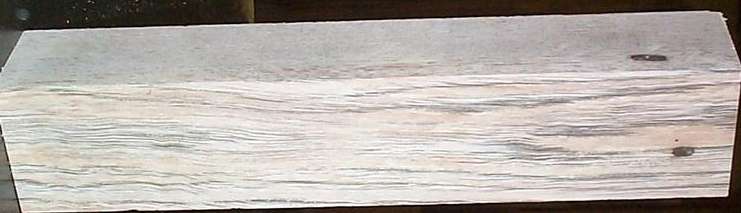
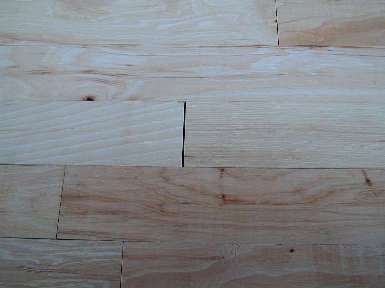
I don't know if this is sloppy flooring or just some planks positioned together but in either case, the blue color is unlikely


hickory drumstick


urn


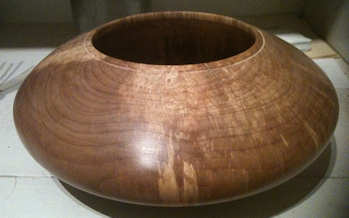
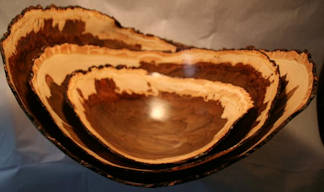
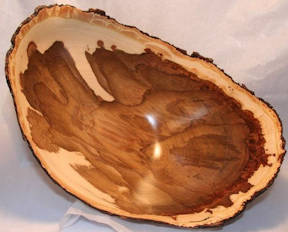
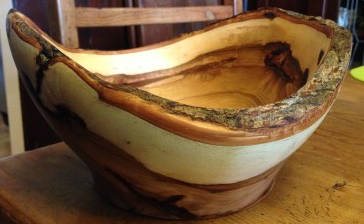
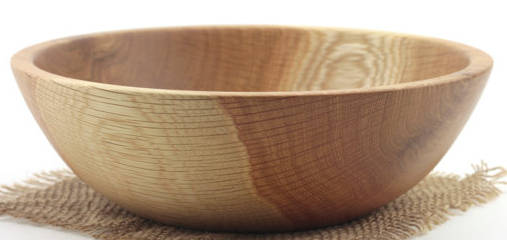
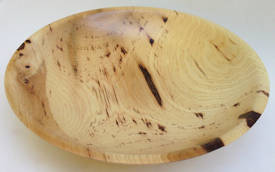
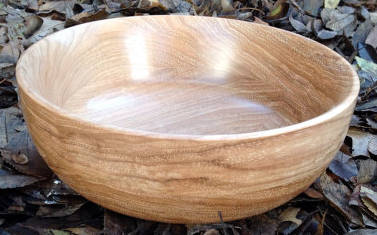
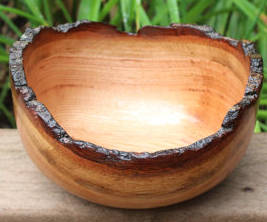
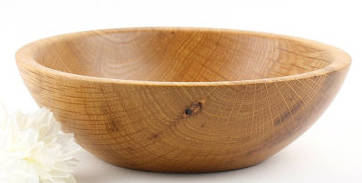
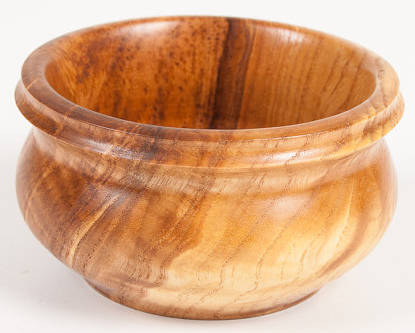
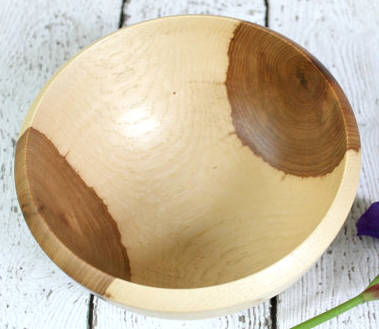
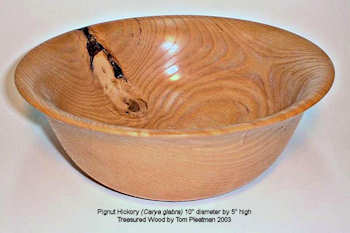
hickory bowl


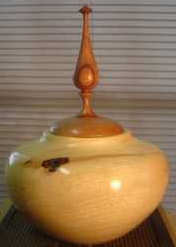
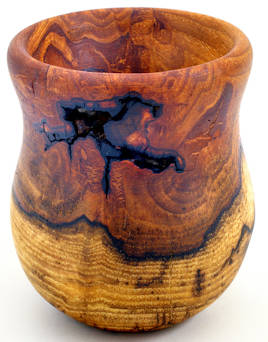
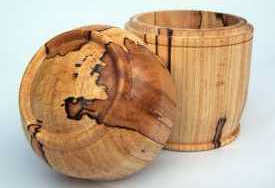
spalted hickory turned pot and top


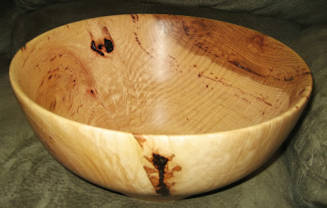
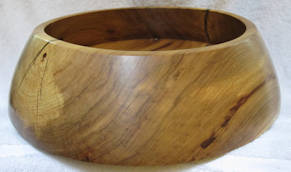
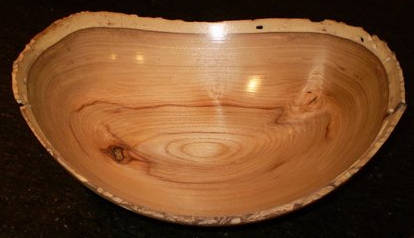
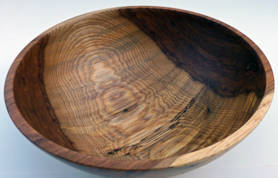
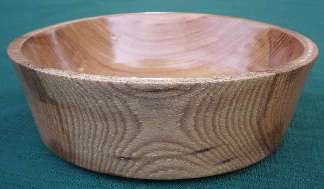
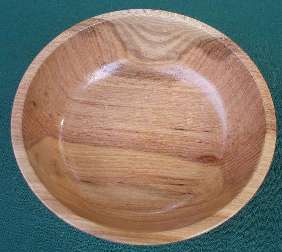
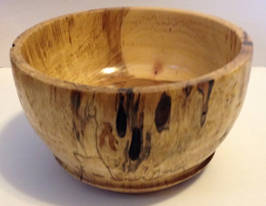
two views of a hickory bowl --- color looks very accurate to me.