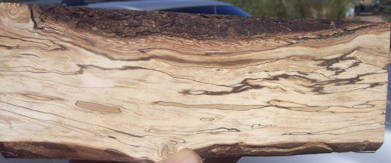
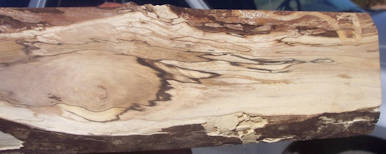
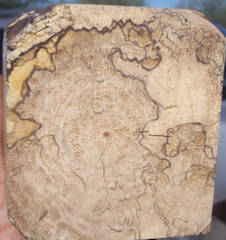
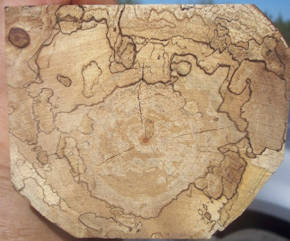
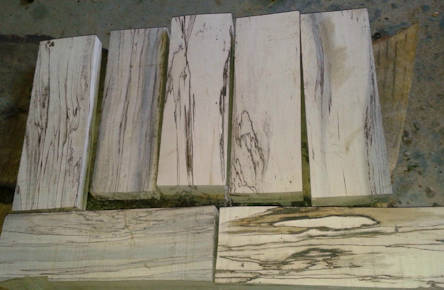
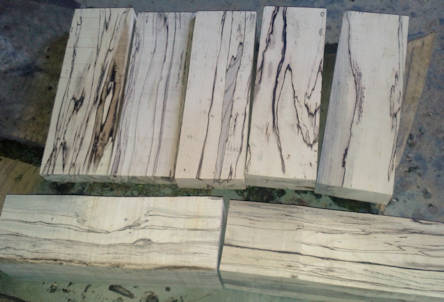
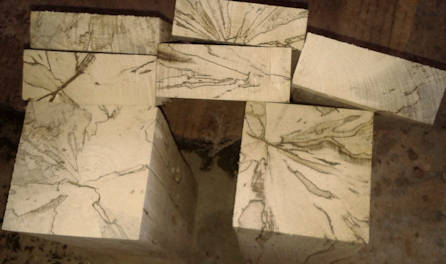
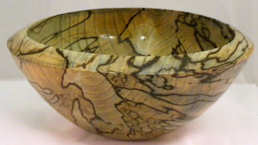
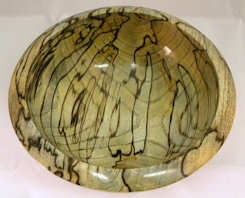
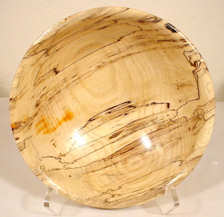
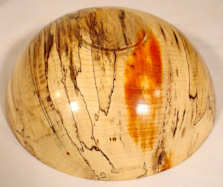
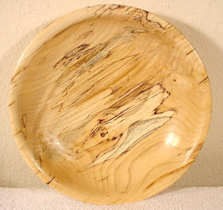
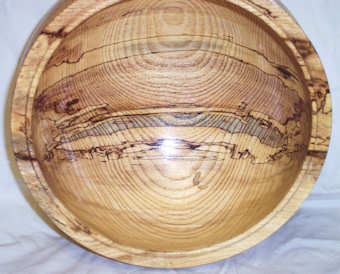
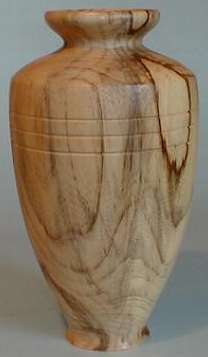
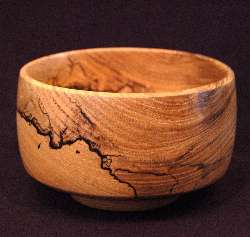
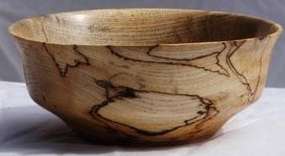
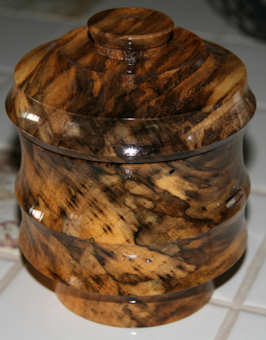
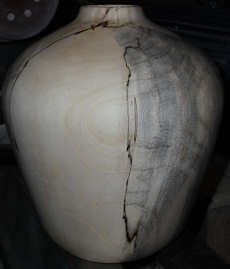
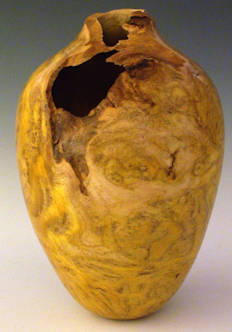
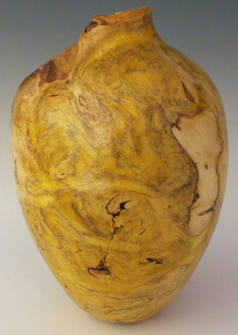
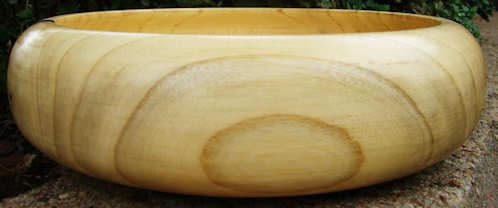
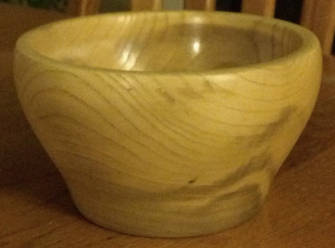
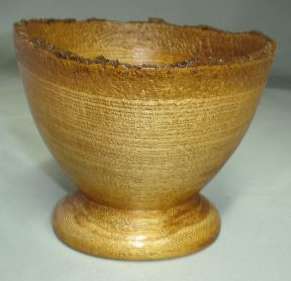
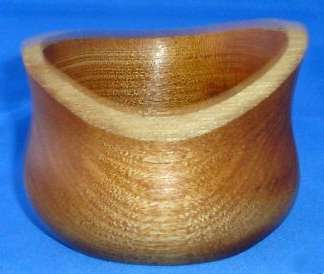
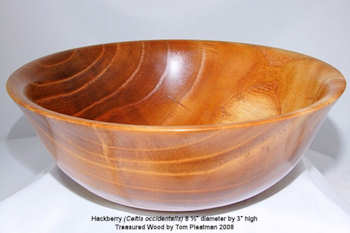
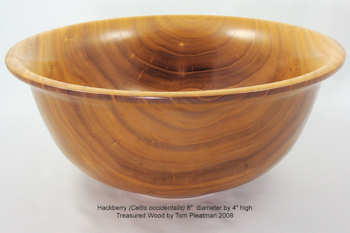
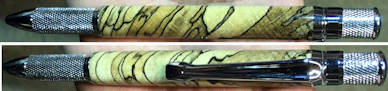
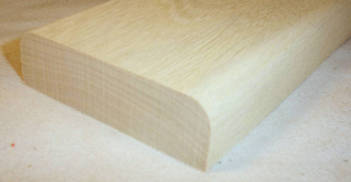
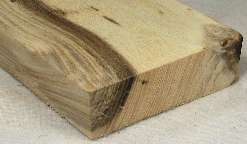
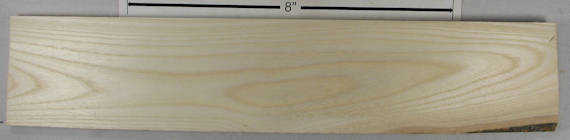
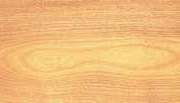
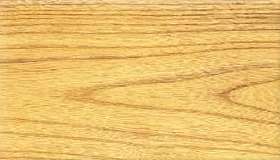
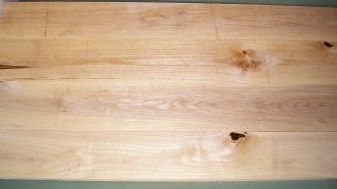
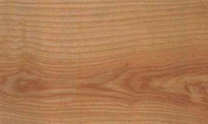
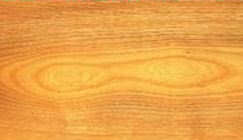
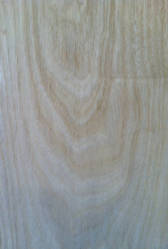
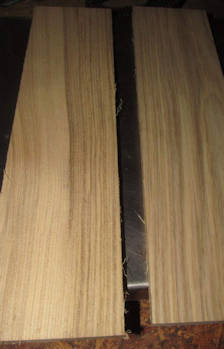
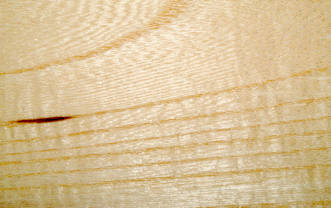
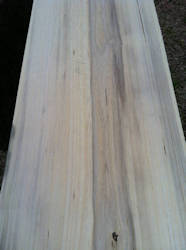
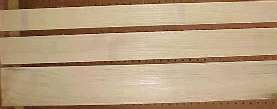
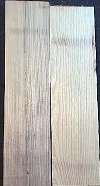
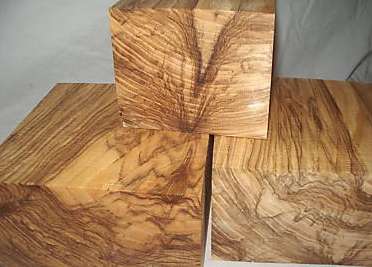
the REST of the pictures on this page will give you a better overall feel for this wood
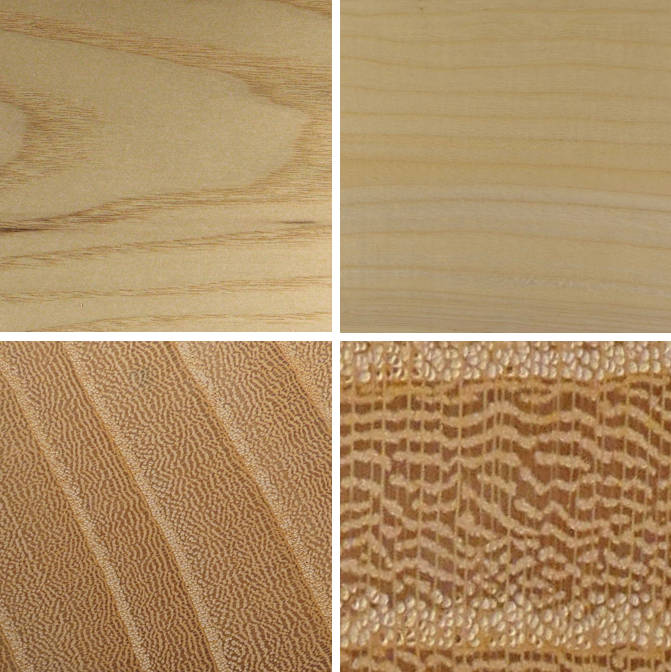
hackberry / Celtis spp.
over 20 Celtis spp. have hackberry as all or
part of one or more of their common names
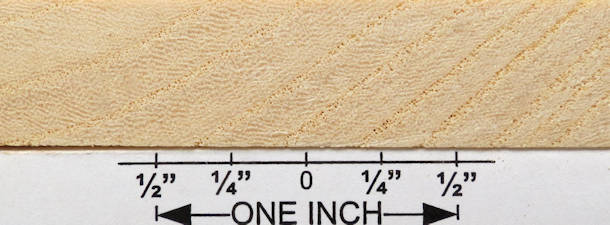
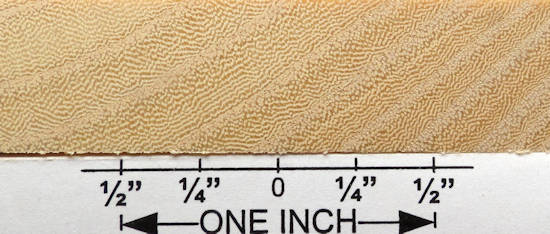
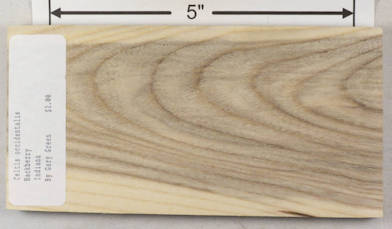
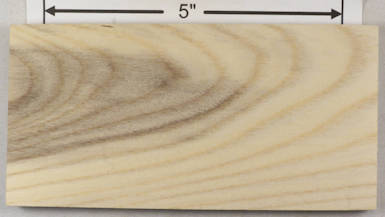
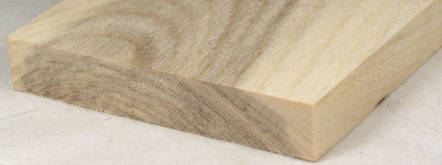
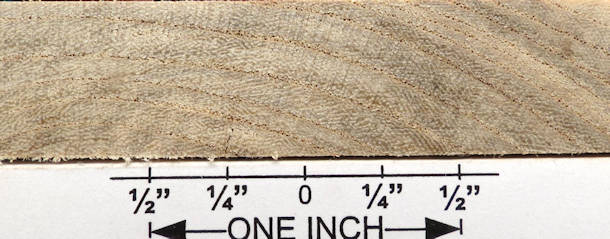
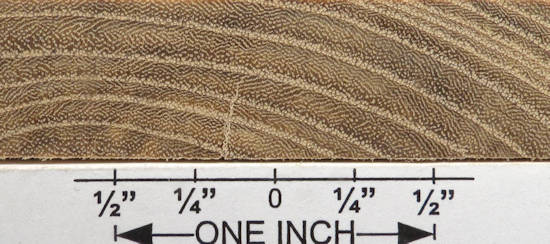
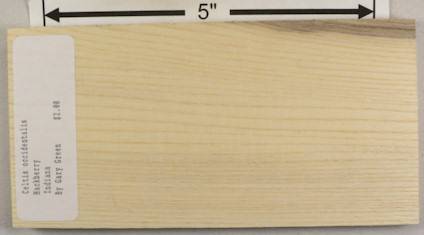
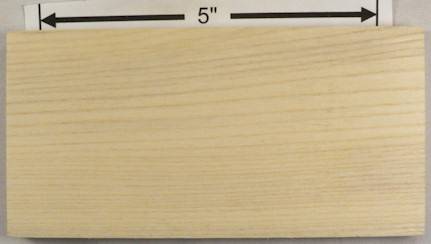
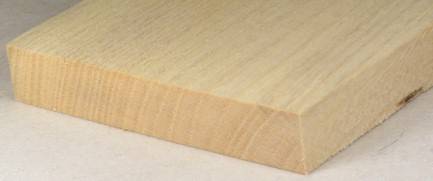
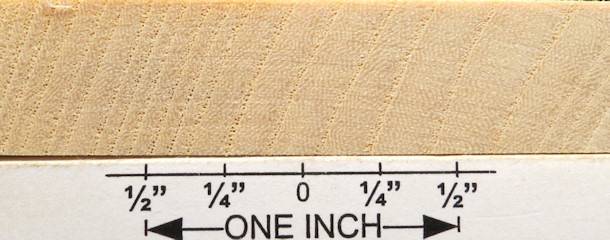
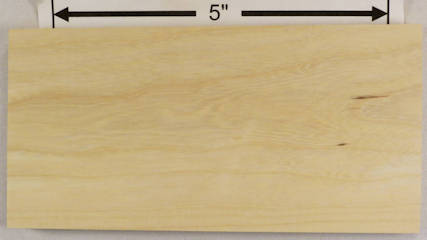
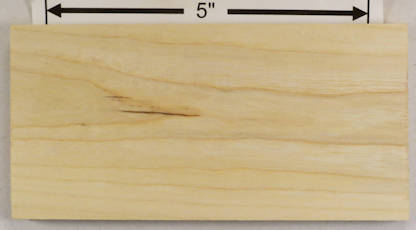
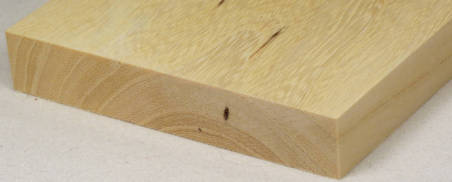
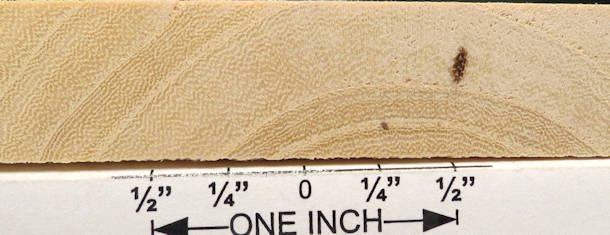
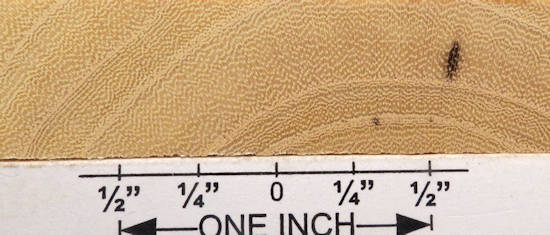
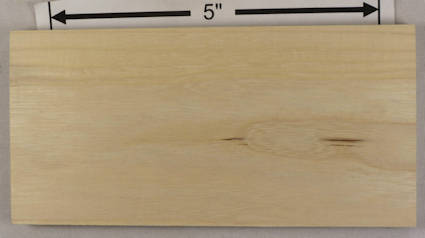
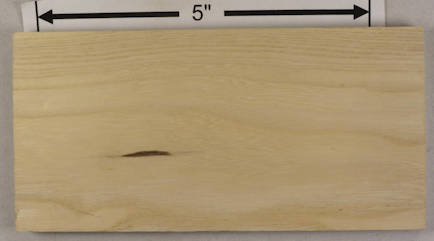
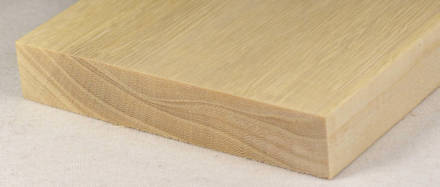
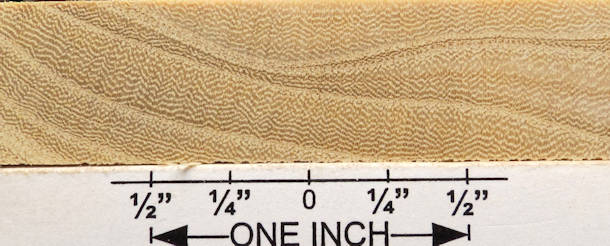
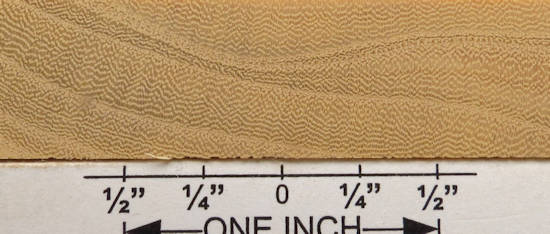
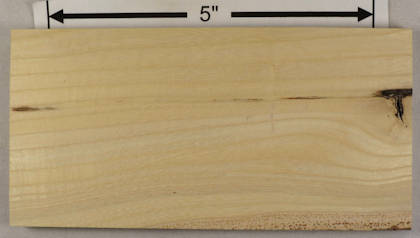
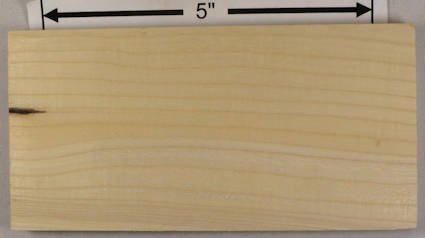
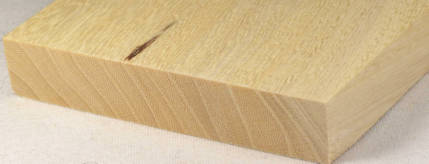
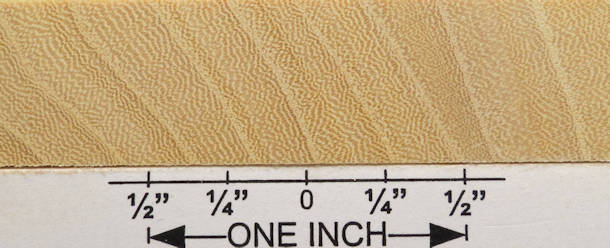
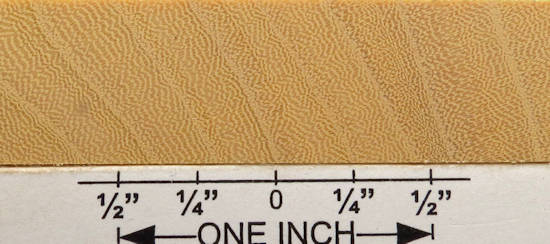
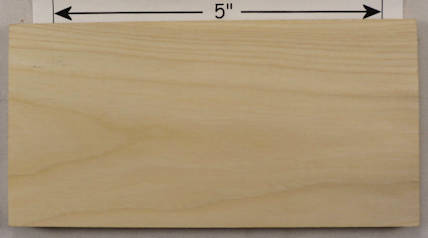
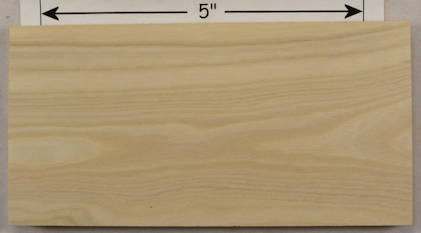
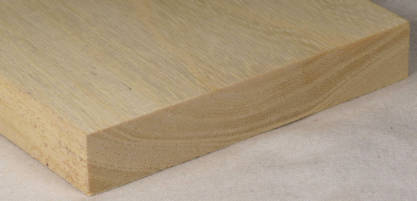
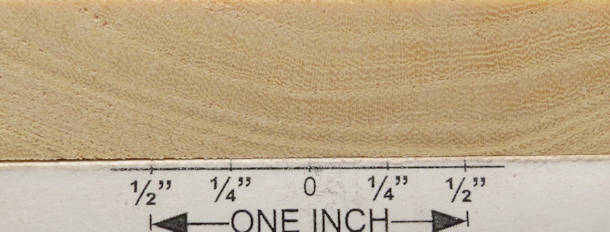
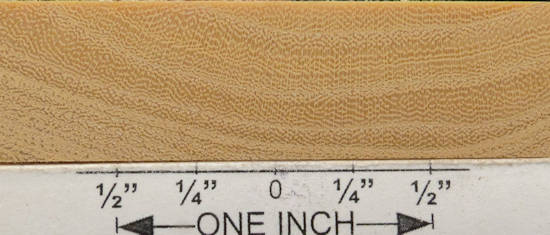
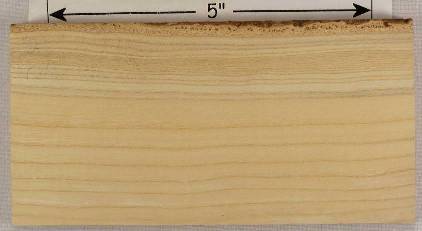
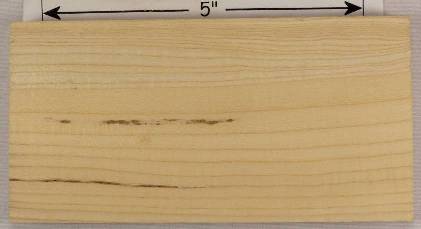
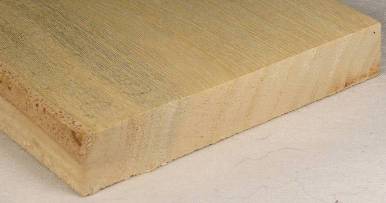
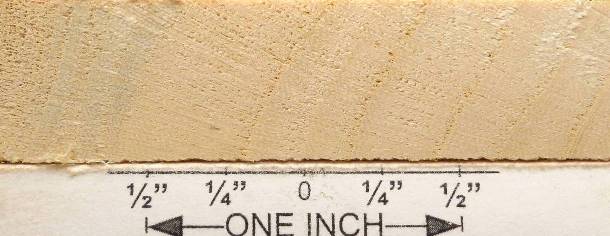
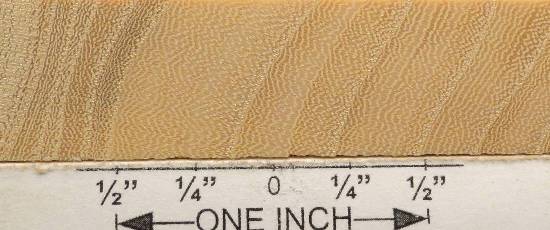
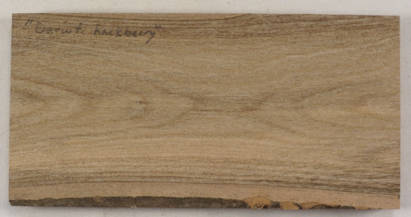
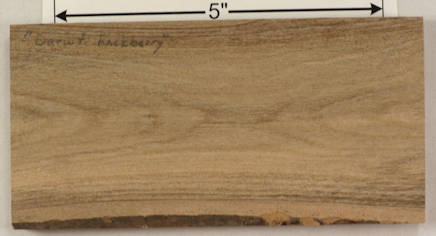
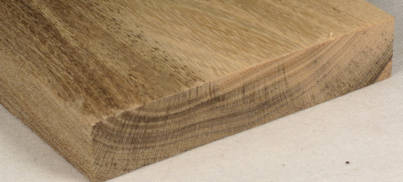
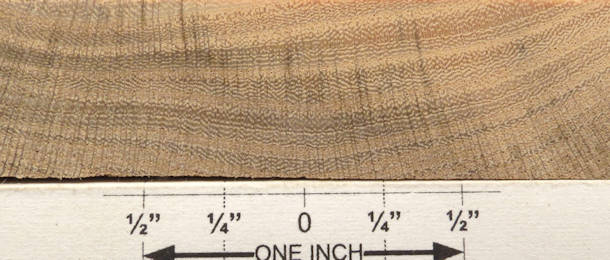
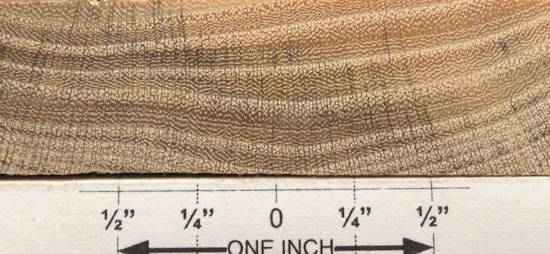
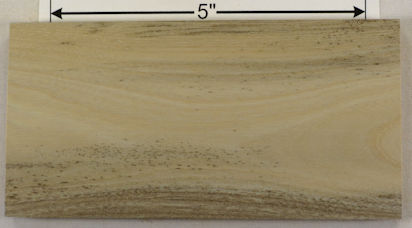
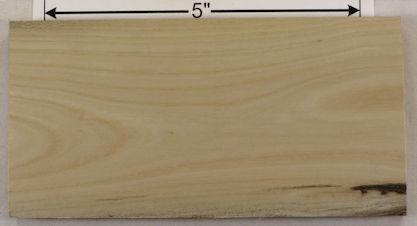
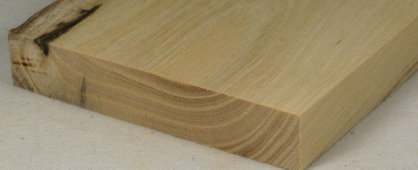
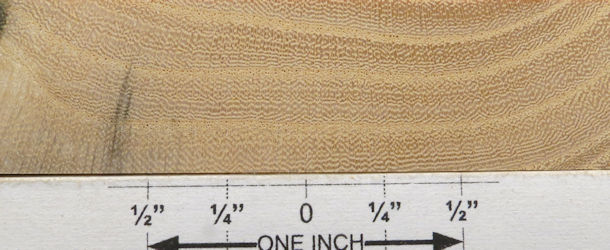
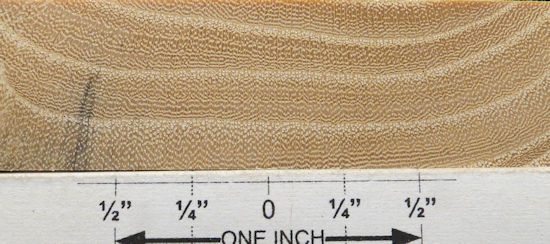
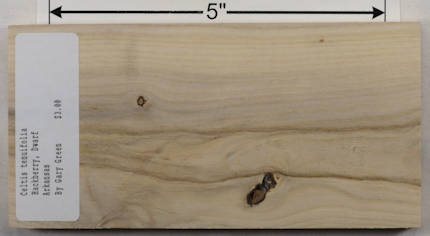
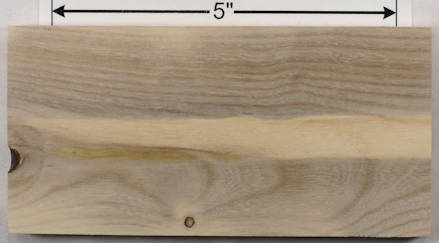
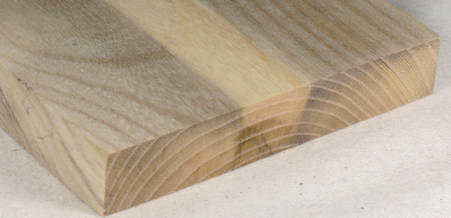
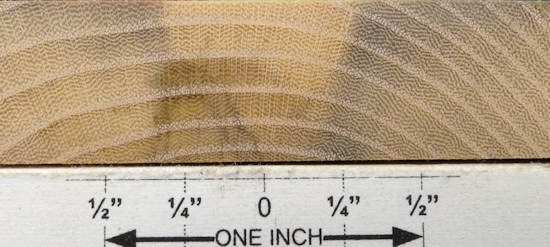
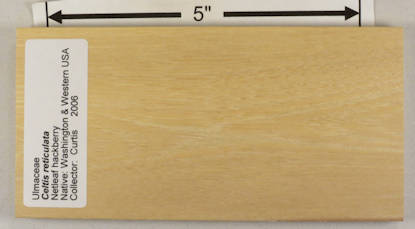
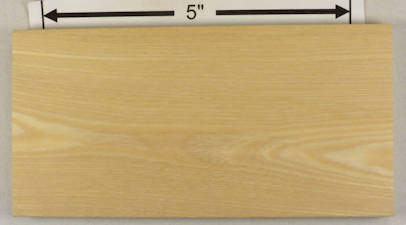
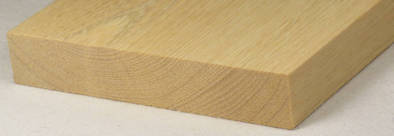
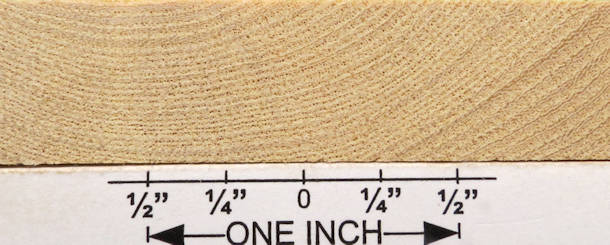
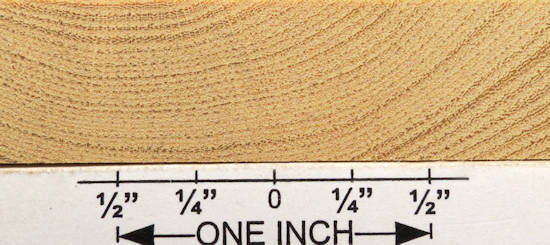
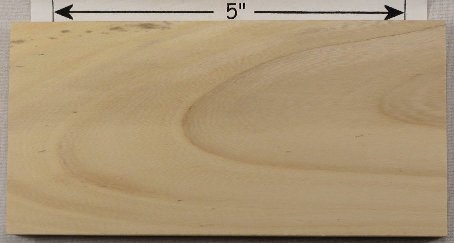
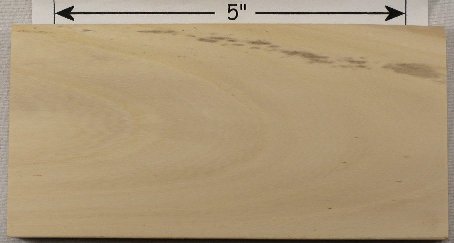
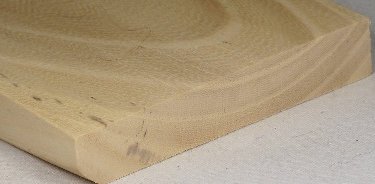
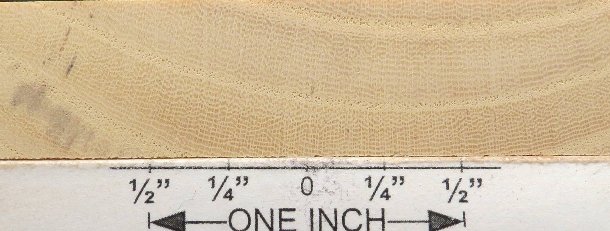
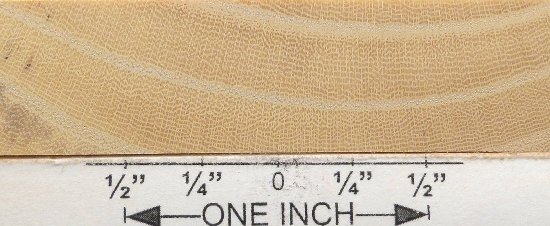
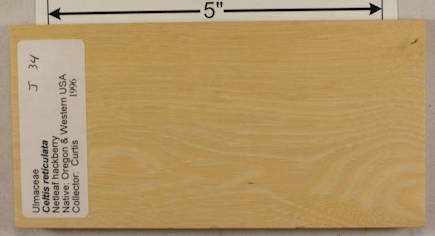
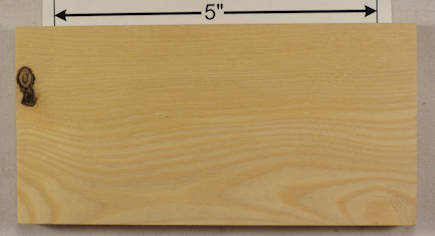
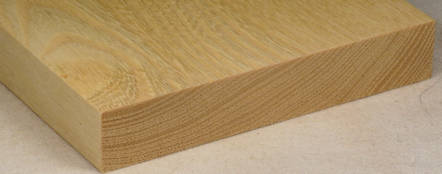
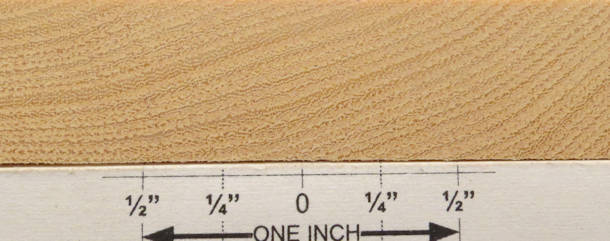
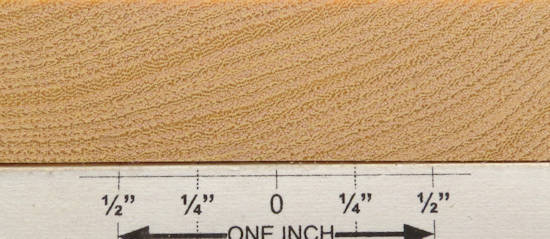
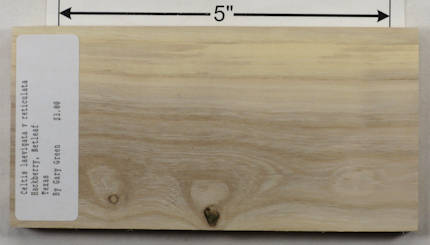
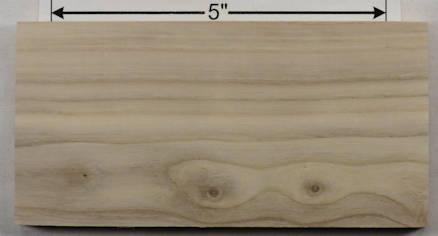
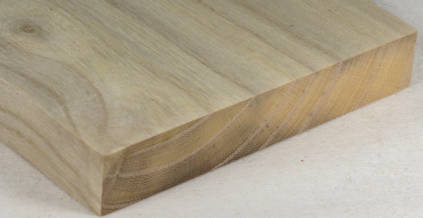
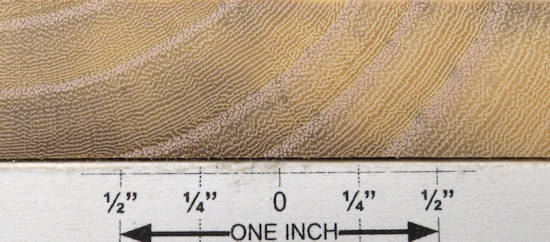
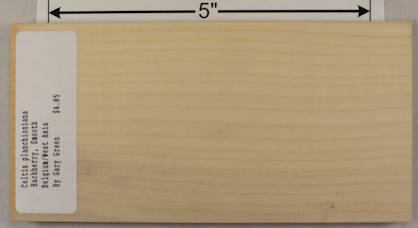
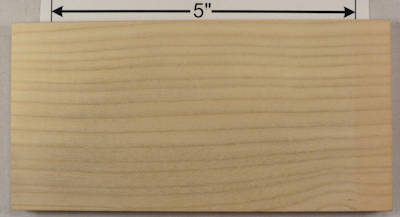
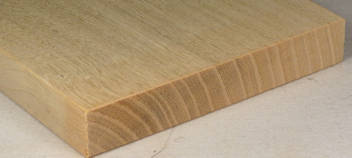
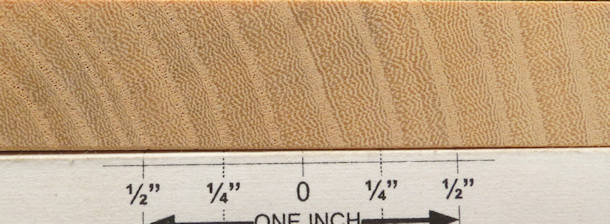
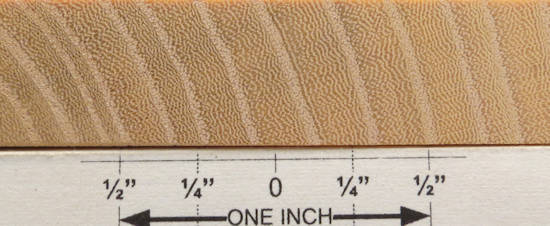
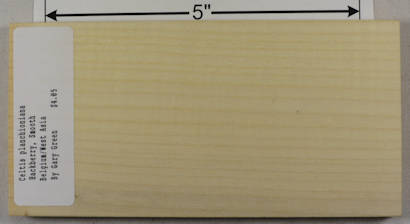
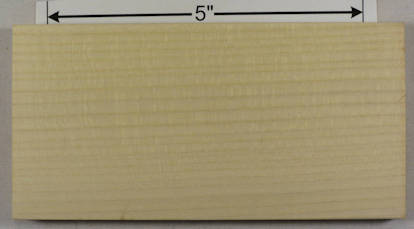
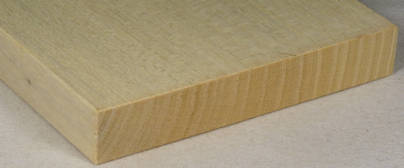
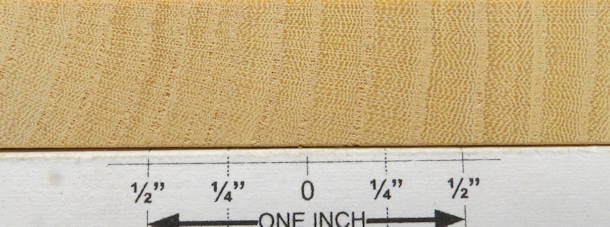
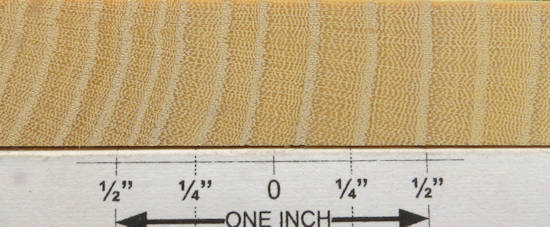
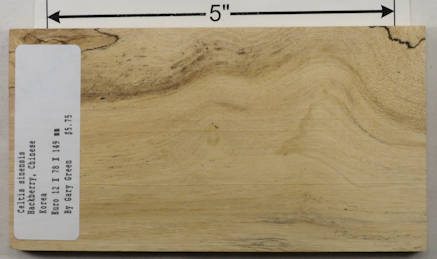
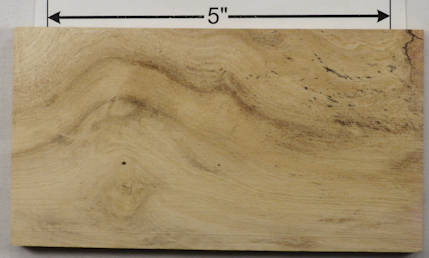
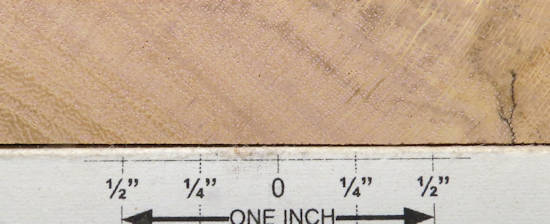
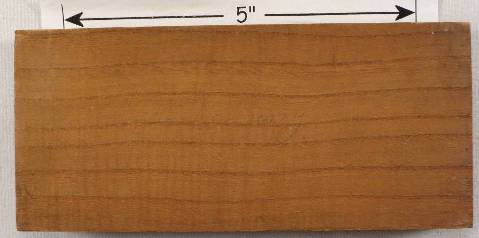
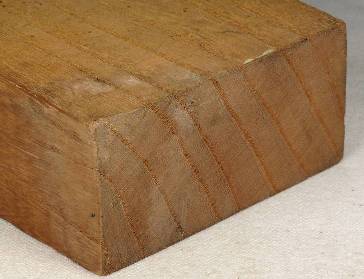
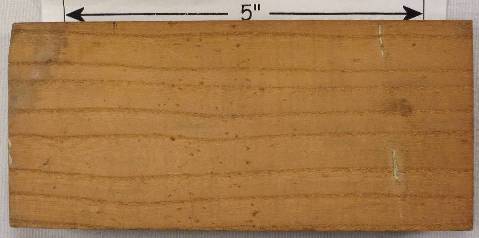
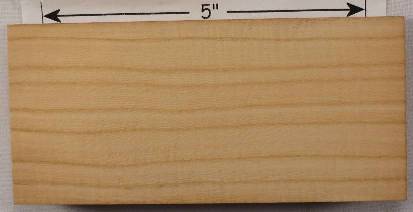
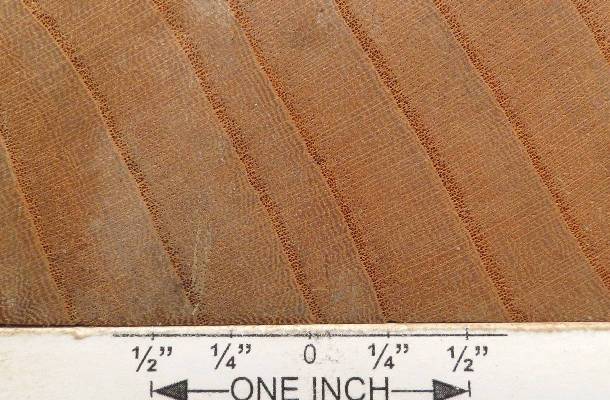
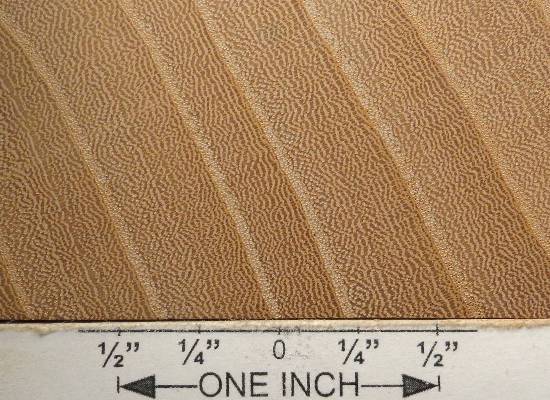
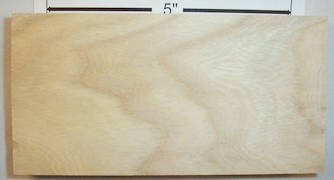
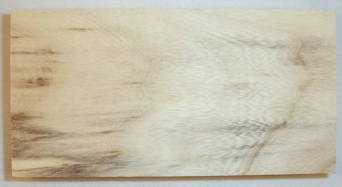
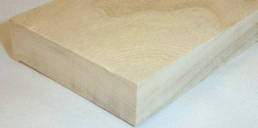
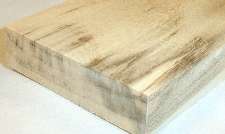
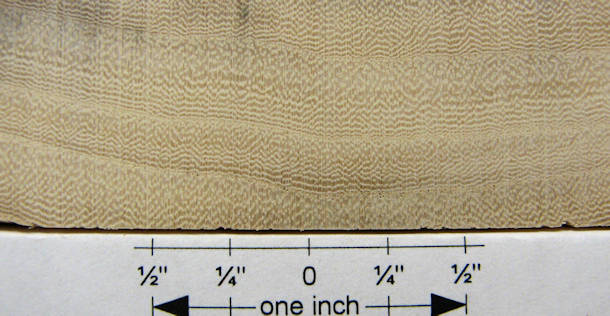
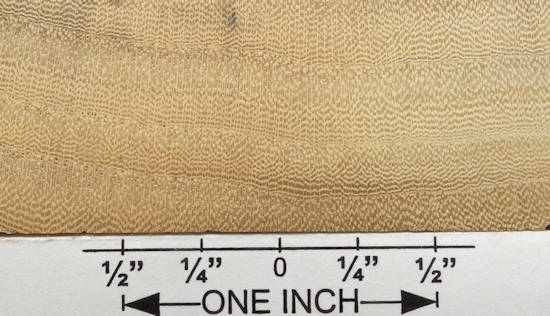
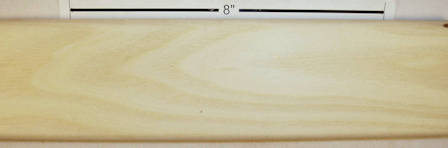
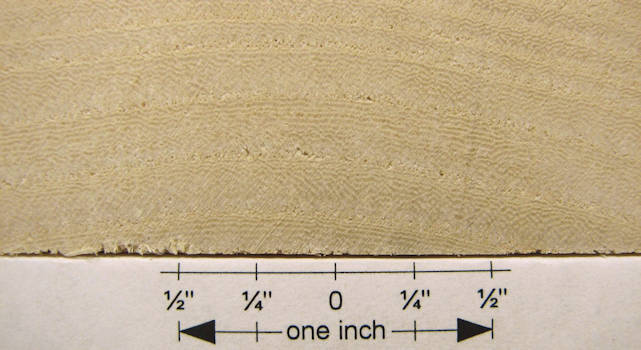
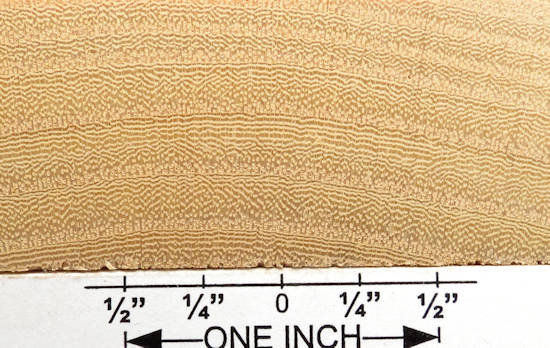
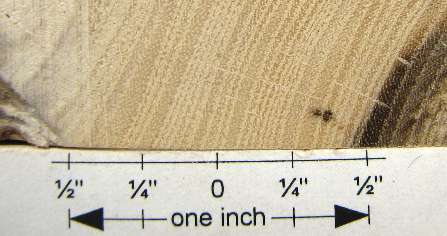
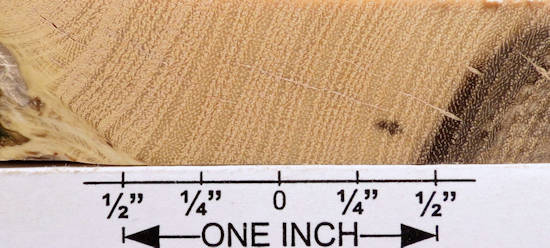
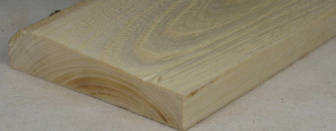
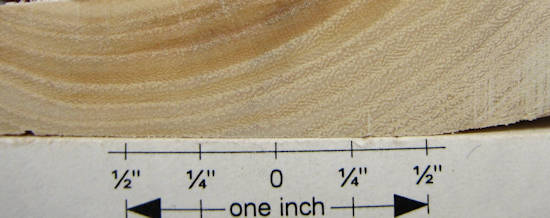
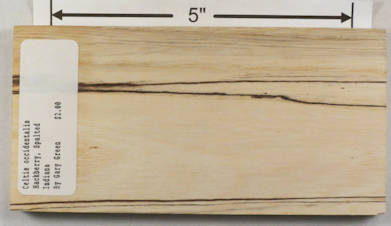
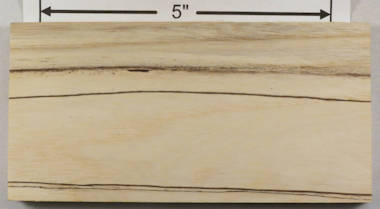
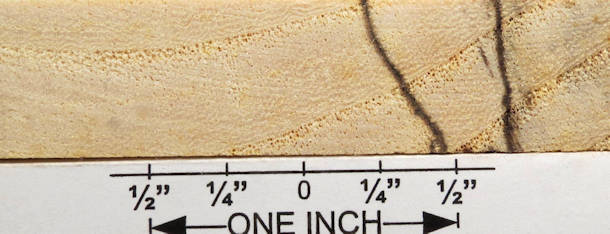
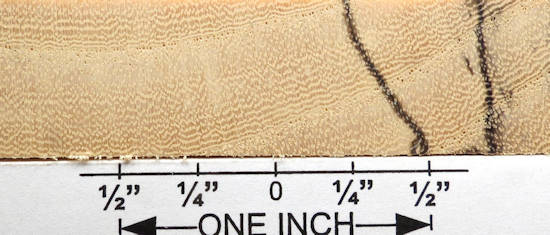
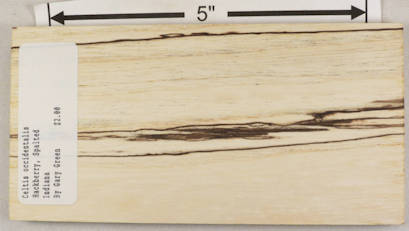
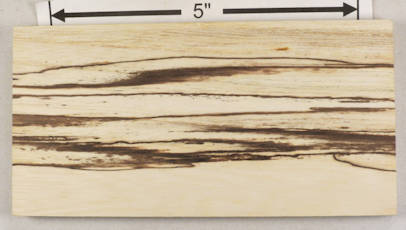
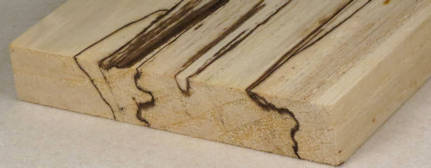
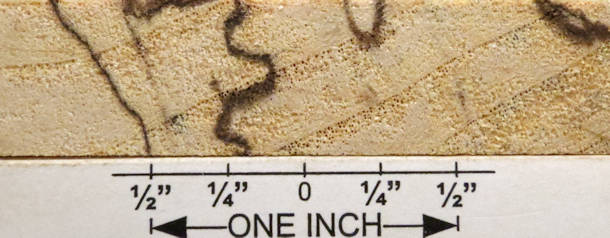
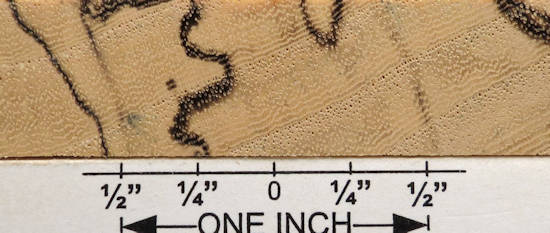
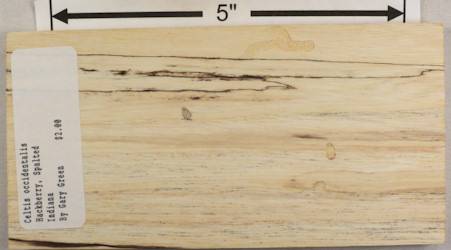
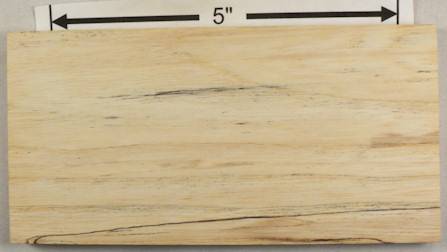
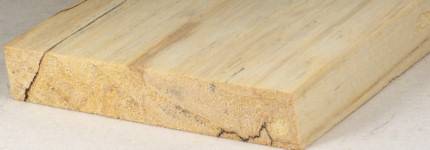
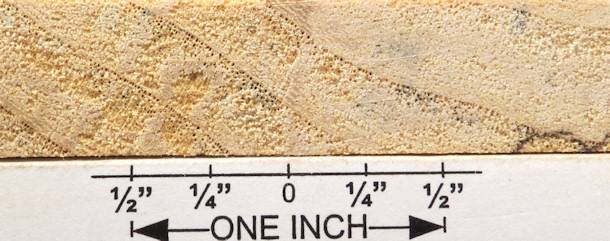
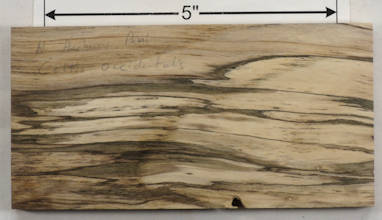
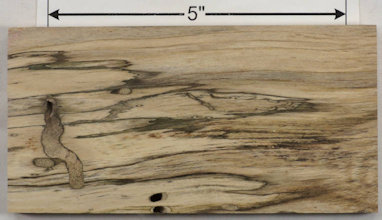
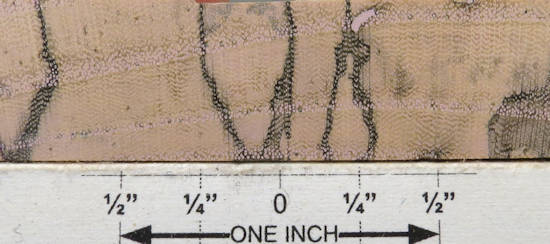
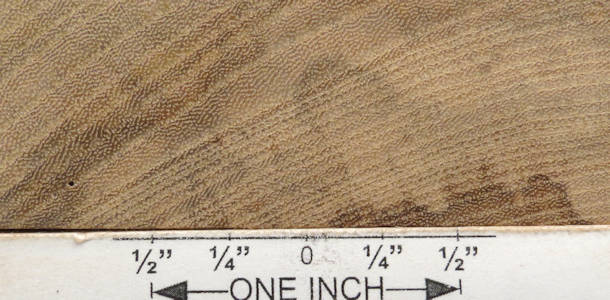
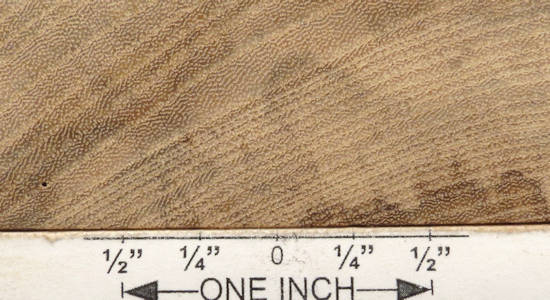
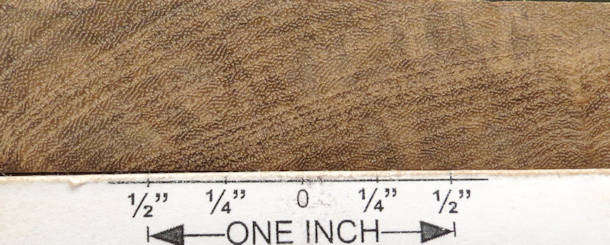
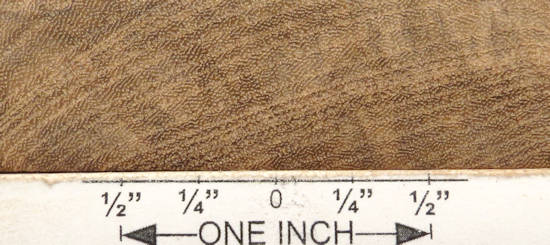
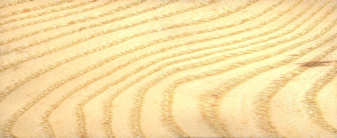
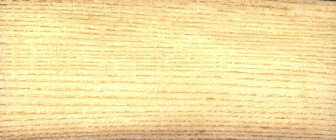
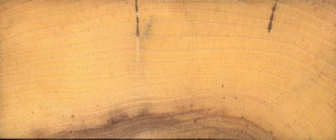
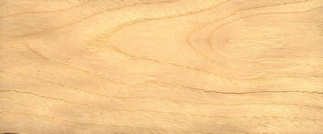
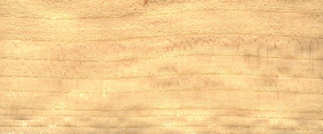
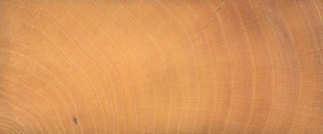
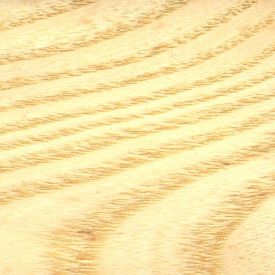
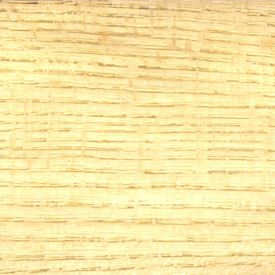
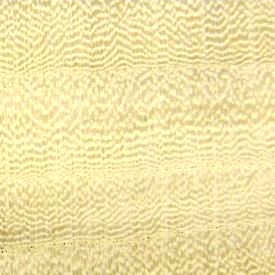
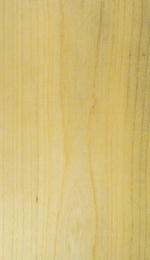
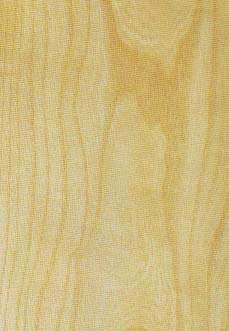
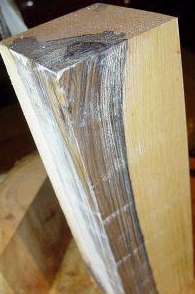
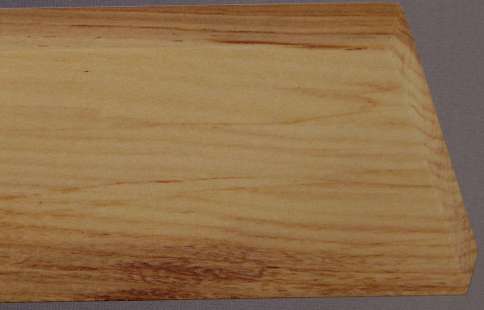
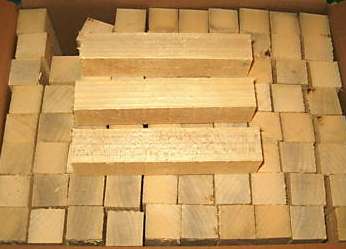
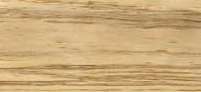
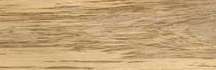
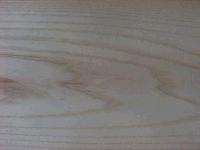
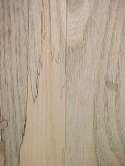
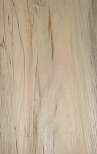
5" x 5" flat cut, 3" x 3" quartersawn, 1" x 1" end grain, and a 1/4" x 1/4" end grain closeup.
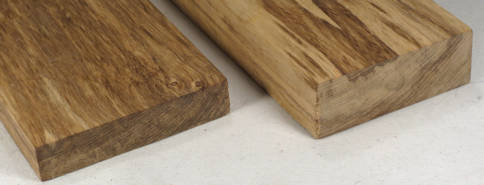
Strongly ring porous with a band of earlywood pores several pores thick, then dropping off to smaller pores in ulmiform bands. Hackberry has the closest thing to pure ulmiform bands outside of elm itself. Rays are very clear at 10X
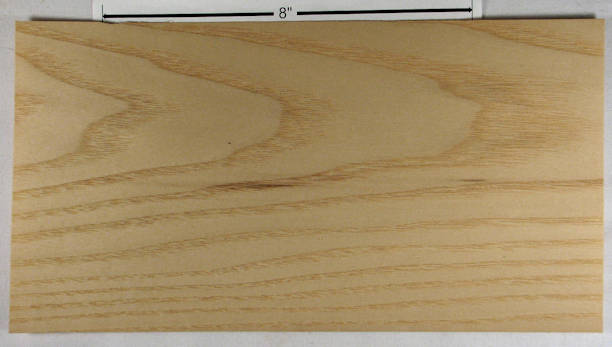
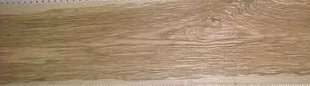
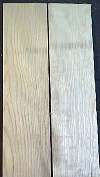
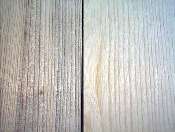
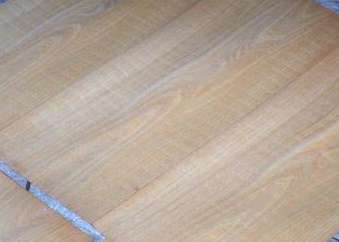
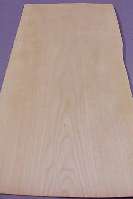
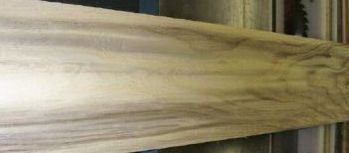
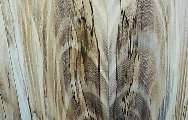
Hobbit note: When I first saw hackberry it was in veneer form and I was absolutely convinced that it was American white ash that had been mislabeled. Since then I've observed that although the face grain is VERY similar to white ash, the end grain is unmistakably different.

The hackberry group of Celtis spp. cannot be distinguished from the sugarberry group of Celtis spp. by the lumber characteristics but only by their tree's botanical characteristics
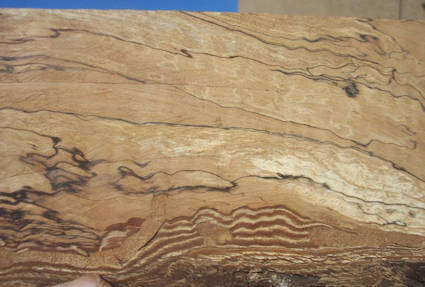
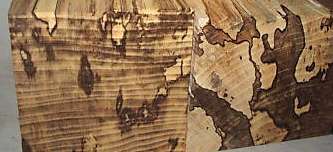
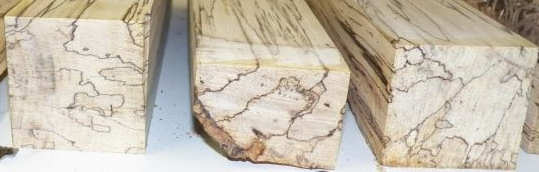
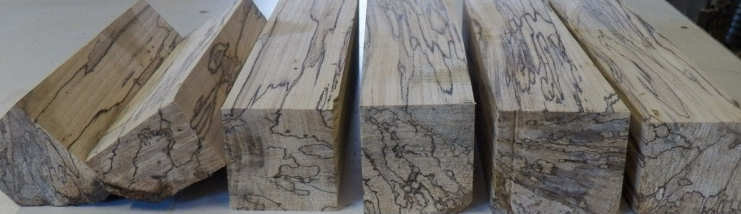
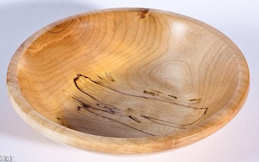
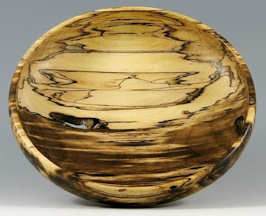
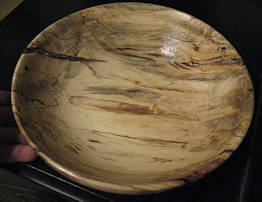
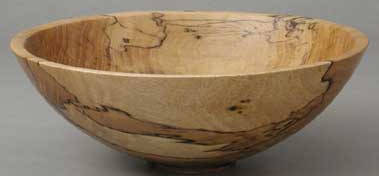
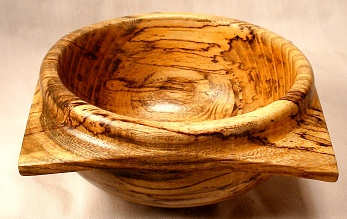
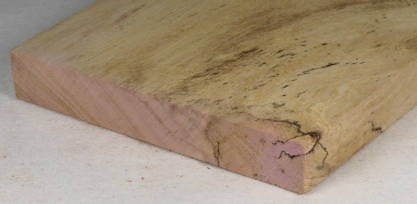
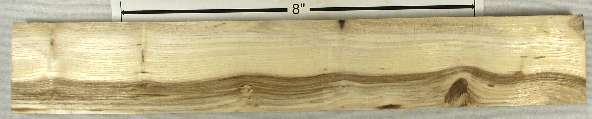
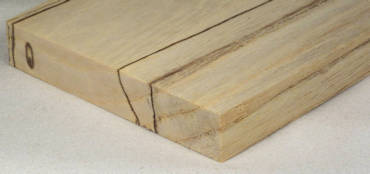
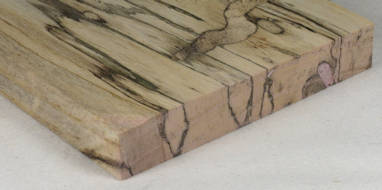
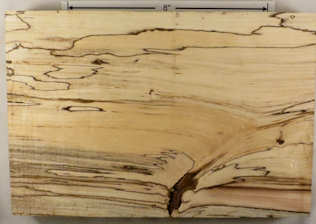
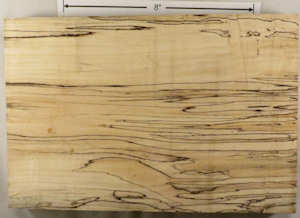
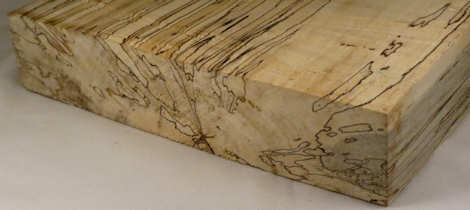
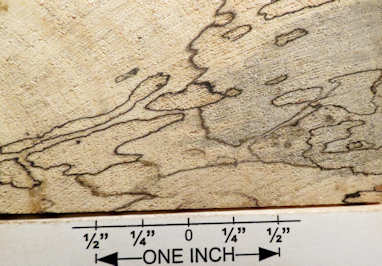
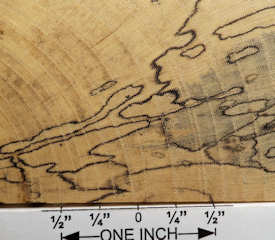
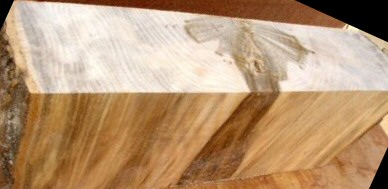
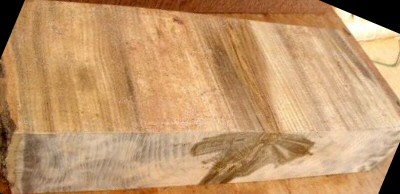
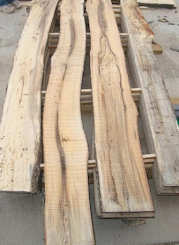
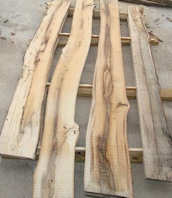
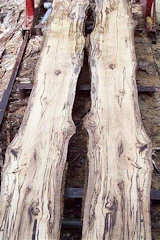
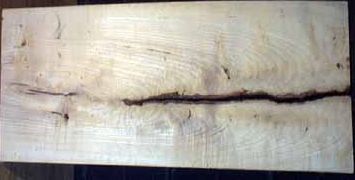
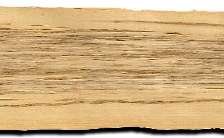
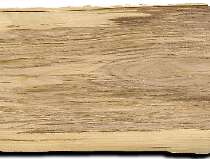
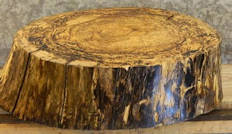
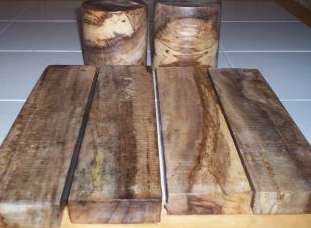
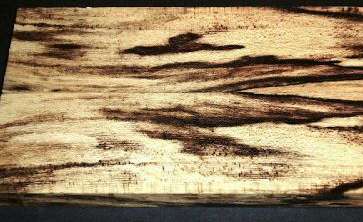
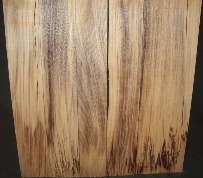
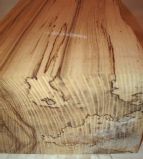
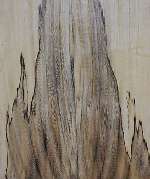
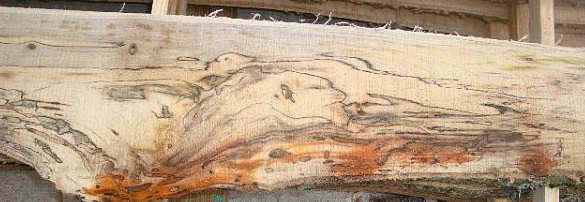
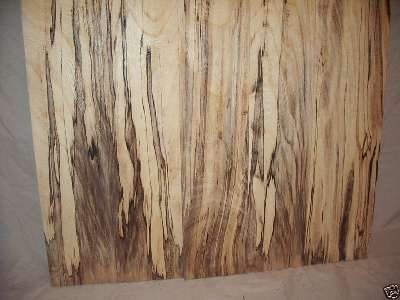
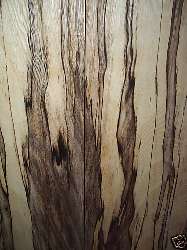
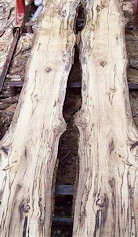
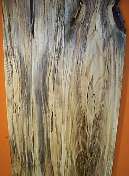
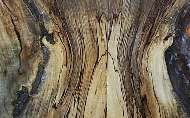
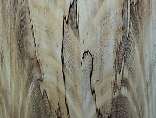
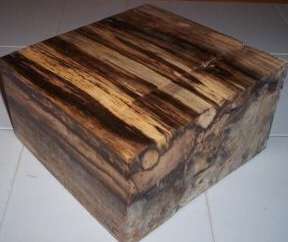
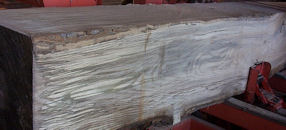
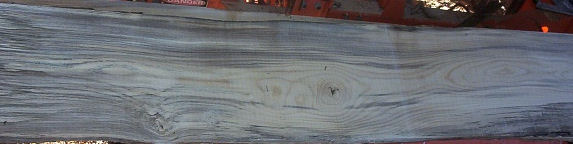
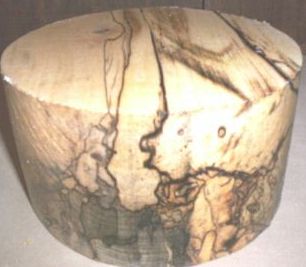
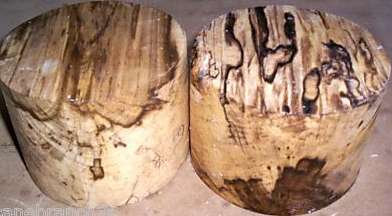
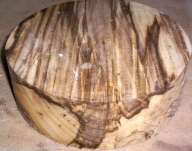
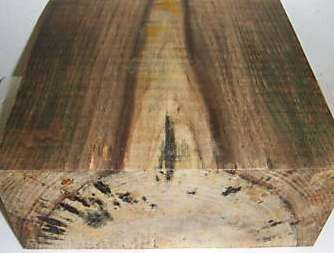
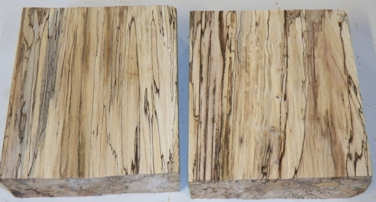
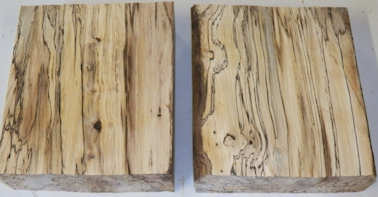
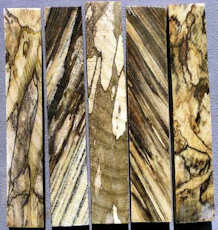
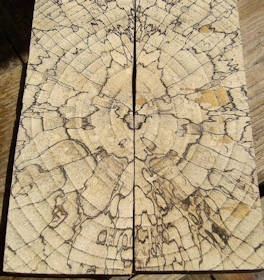
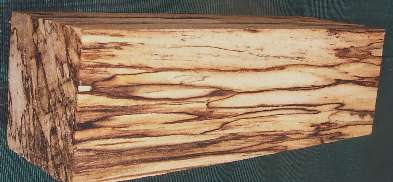
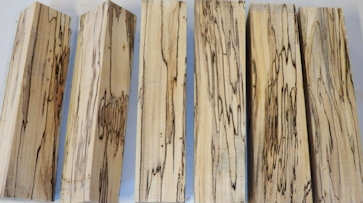
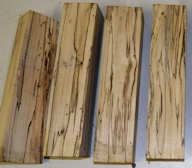
Hackberry spalts readily and you'll see a lot of spalted planks and spalted bowls.
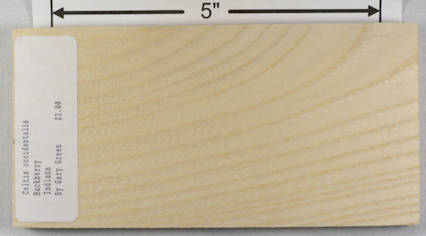
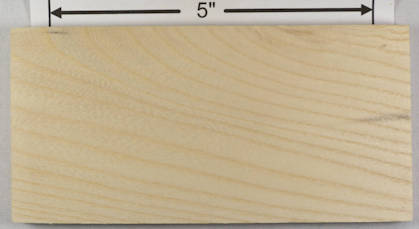
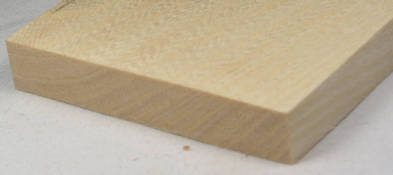
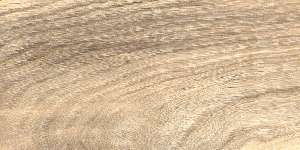
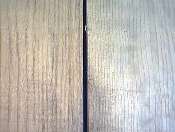
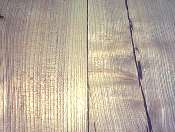
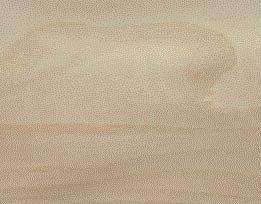
%203%20s50%20web.jpg)
%204%20s50%20web.jpg)
%201%20web.jpg)
%202%20web.jpg)
%201%20web.jpg)
%202%20web.jpg)
%201%20s50%20web.jpg)
%20veneer%201%20s50%20web.jpg)
%20veneer%201a%20s50%20web.jpg)
%20veneer%201b%20s50%20web.jpg)
%20veneer%202a%20s50%20web.jpg)
%20veneer%202b%20s50%20web.jpg)
%20veneer%202c%20s50%20web.jpg)
%20veneer%203a%20s50%20web.jpg)
%20veneer%203b%20s50%20web.jpg)
%20veneer%204a%20s50%20web.jpg)
%20veneer%204b%20s50%20web.jpg)
%20veneer%205a%20s50%20web.jpg)
%20veneer%201c%20web.jpg)
%20veneer%203c%20web.jpg)
%20veneer%205b%20web.jpg)
%20veneer%206%20web.jpg)
,%20spalted%201%20s50%20web.jpg)