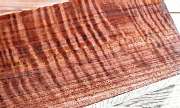
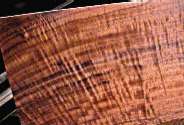
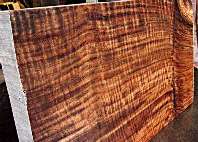
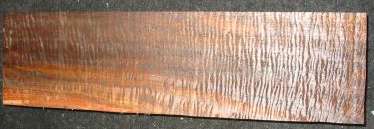
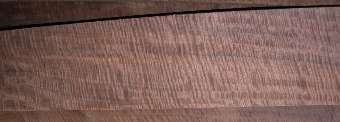
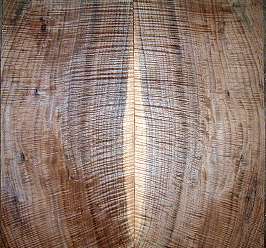
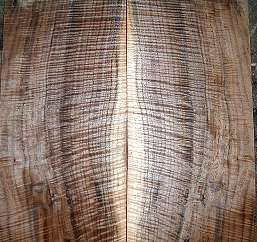
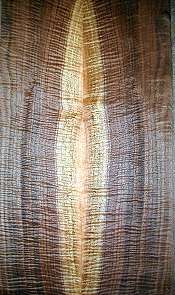
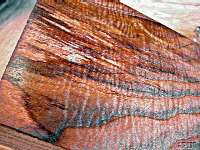
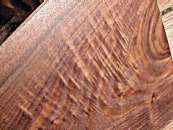
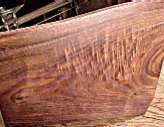
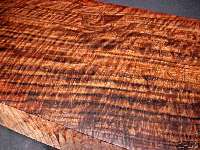
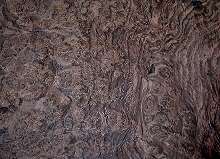
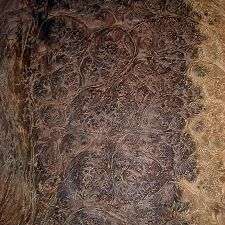
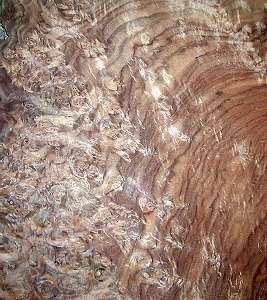
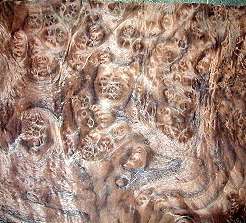
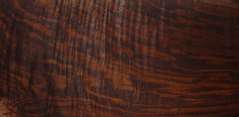
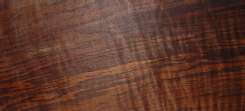
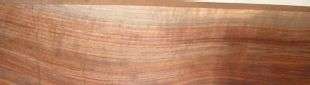
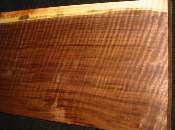
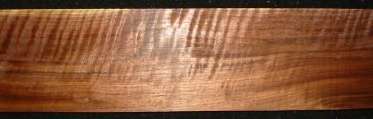
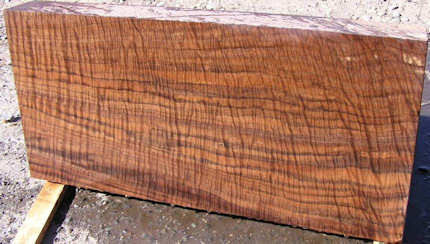
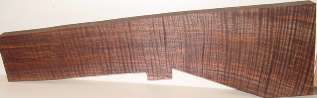
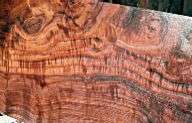
Juglans hindsii of the family Juglandaceae, the walnut family
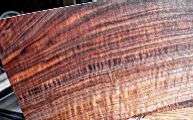
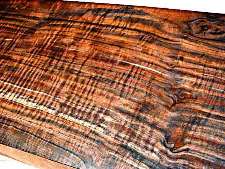
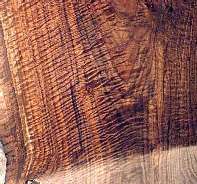
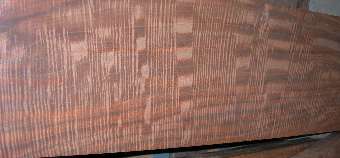
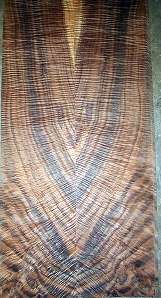
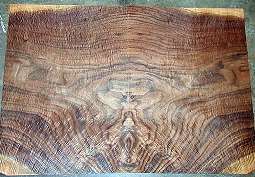
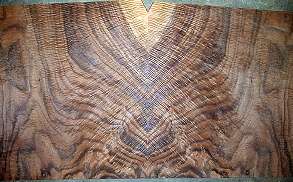
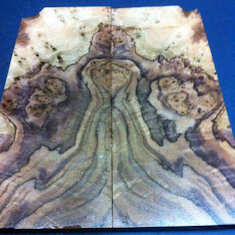
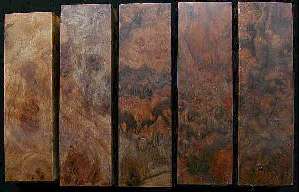
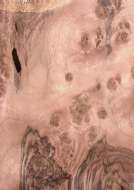
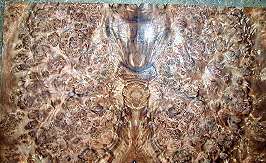
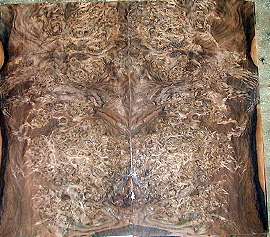
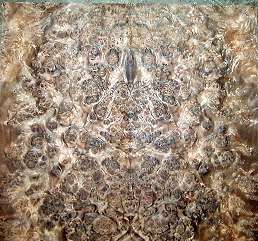
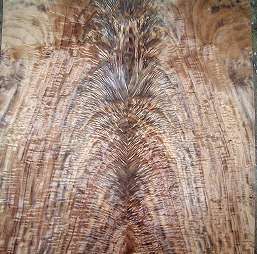
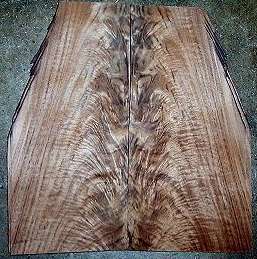
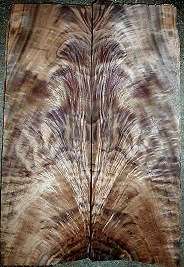
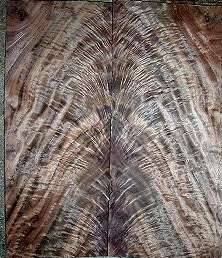
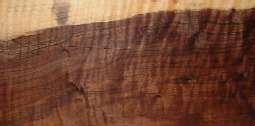
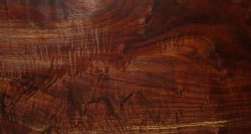
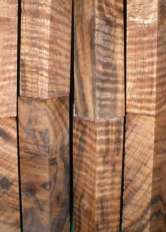
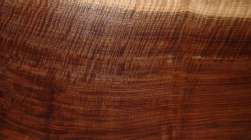
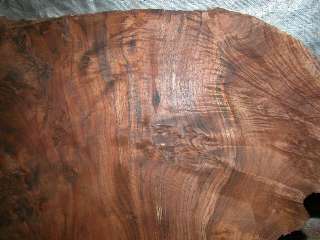
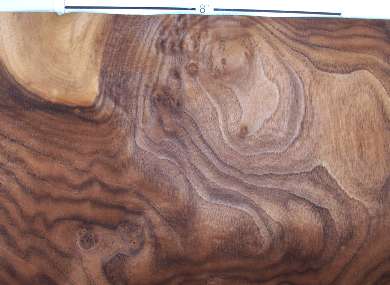
Also called California black walnut (because hey, guess where it grows?) and Hinds walnut (although I've seldom seen that name used), this is a true member of the walnut family with more color, grain accent, and overall beauty than most other walnuts --- it is frequently an exceptionally beautiful wood. Figured pieces and crotches are especially prized for high-end gun stocks because of the beauty of the wood combined with an exceptionally high ability to withstand recoil shock.
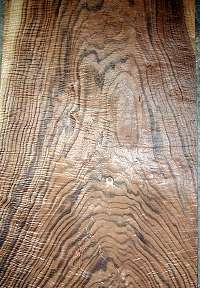
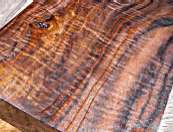
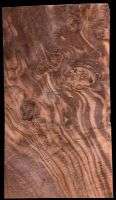
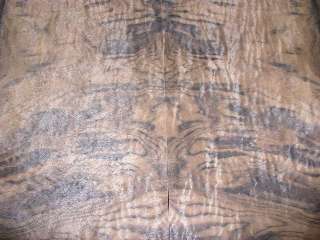
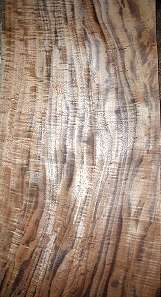
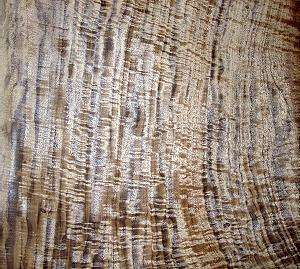
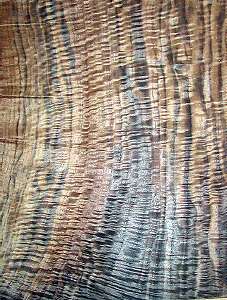
This species is more likely to have interlocked grain than normal American black walnut, and thus more likely to have curly figure, but even pieces without curly figure can be quite striking because of the color and grain patterns.
To see something really beautiful, check out the bowls at the bottom of this page
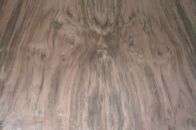
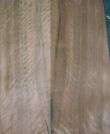
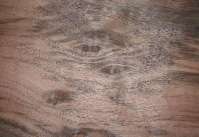
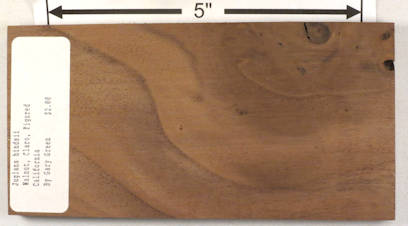
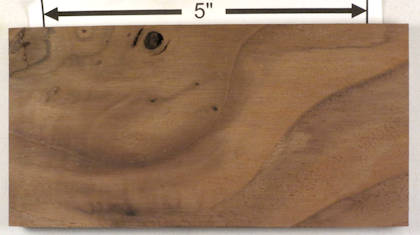
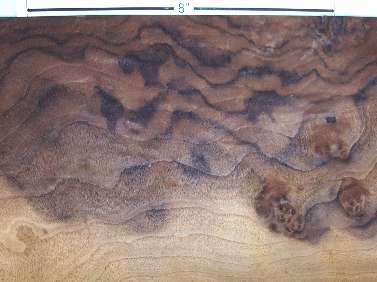
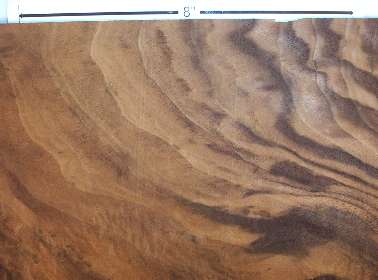
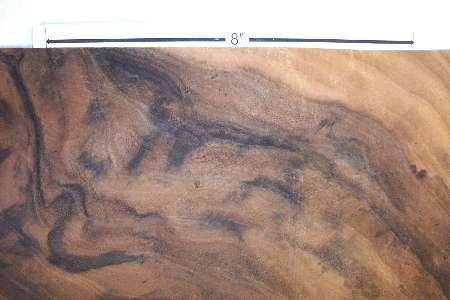
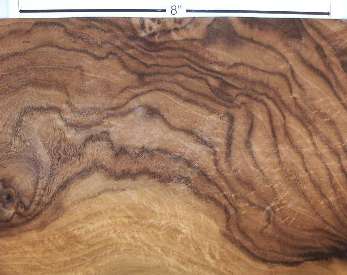
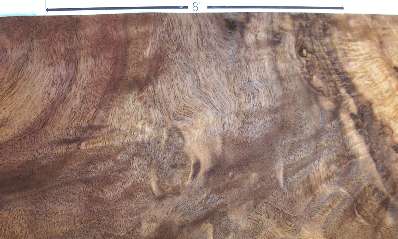
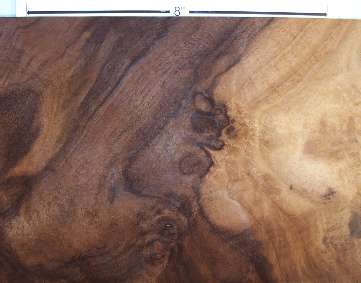
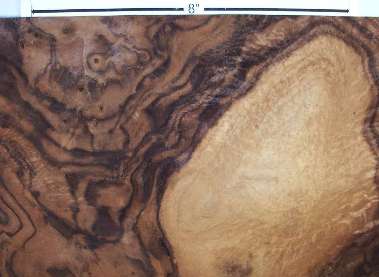
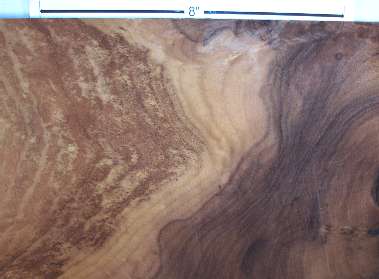
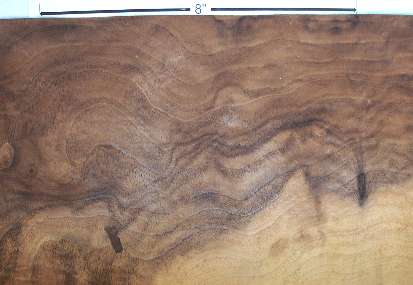
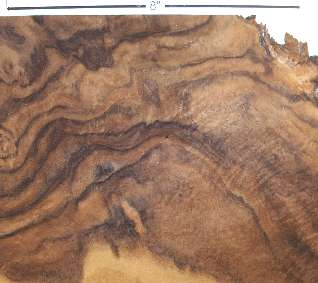
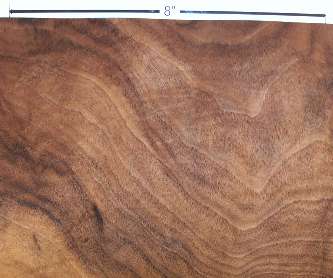
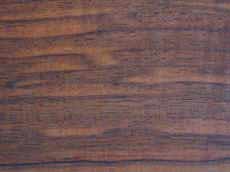
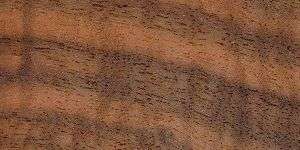
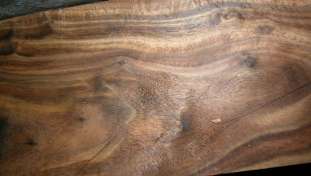
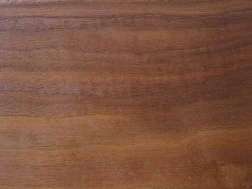
my samples: NOTE: these pics were all taken in very bright incandescent lighting ("soft white" at 2700K) colors will vary under other lighting conditions
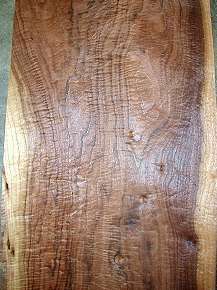
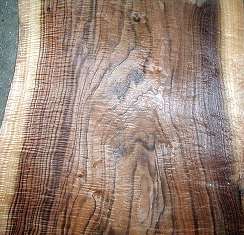
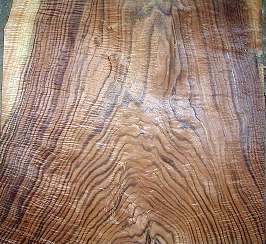
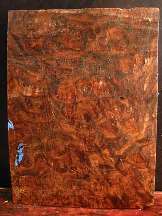
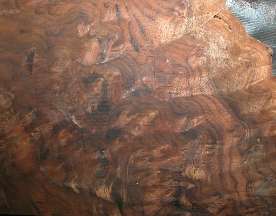
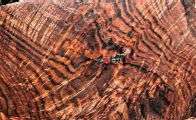
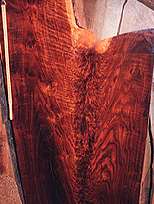
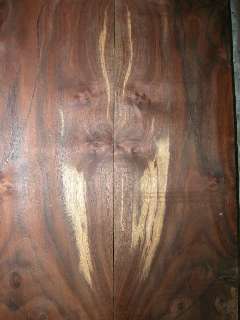
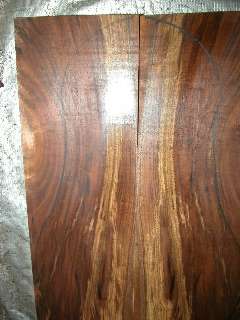
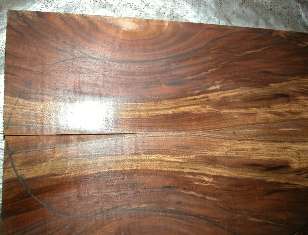
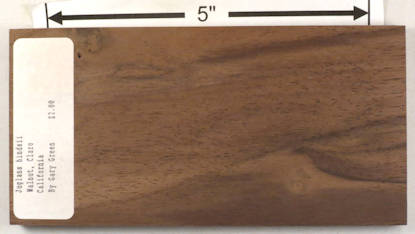
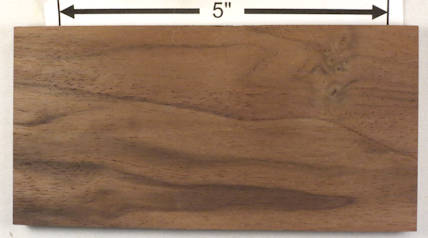
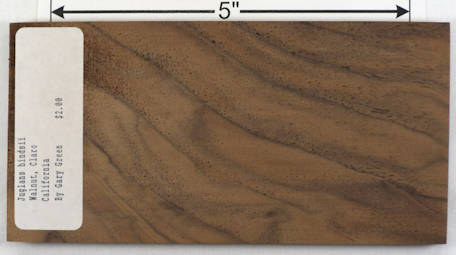
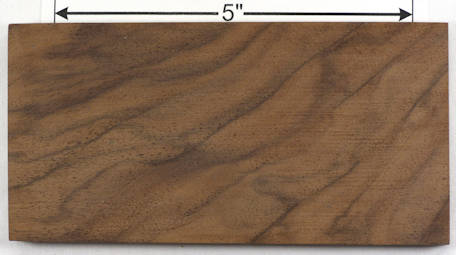
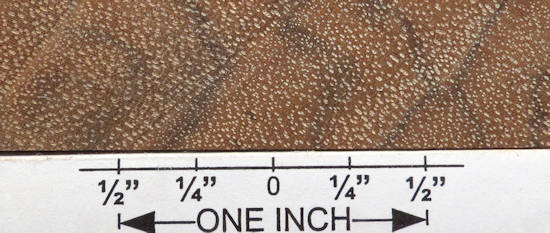
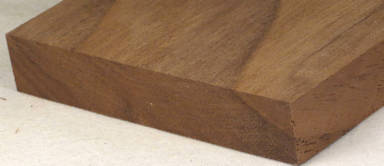
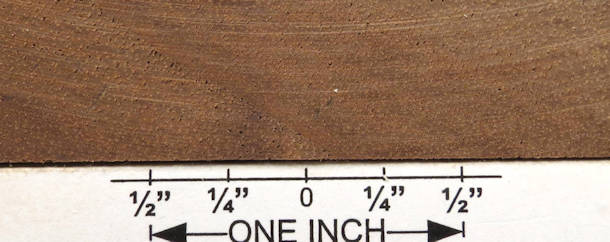
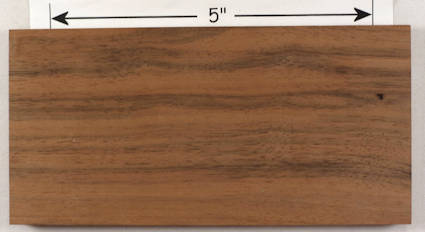
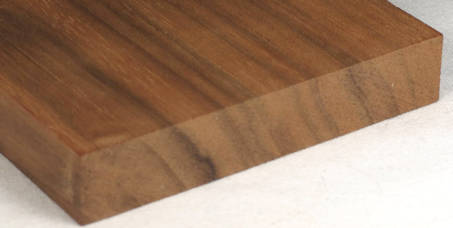
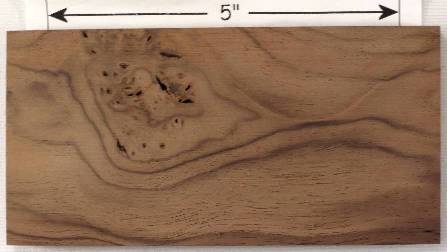
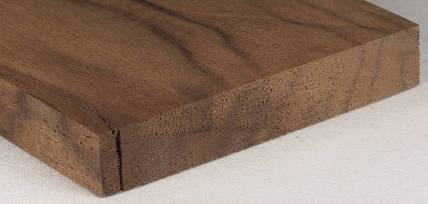
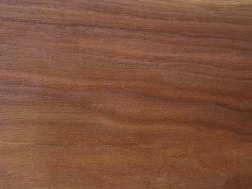
both sides of a sample plank of claro walnut / Juglans hindsii --- HUGE enlargements are present. This sample was loaned to me by David Clark whom I thank for this and other contributions to the site. The rich chocolate-brown color is correct.
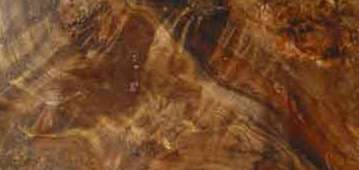
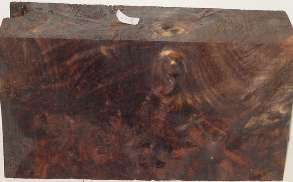
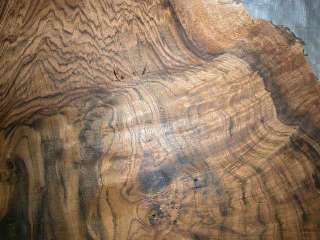
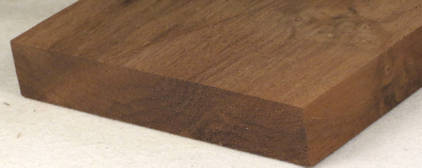
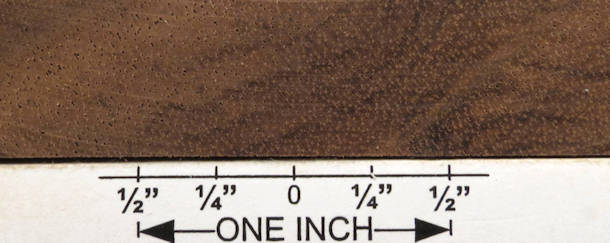
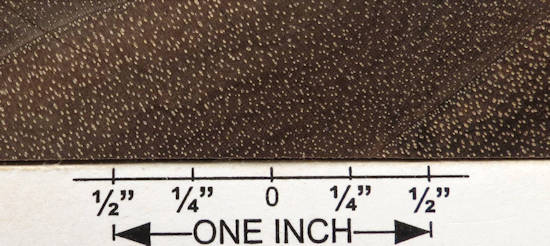
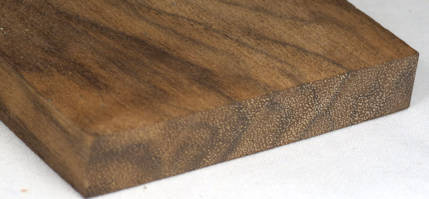
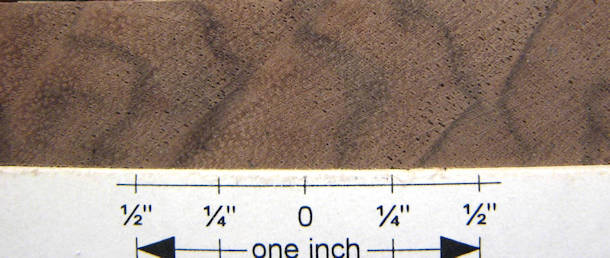
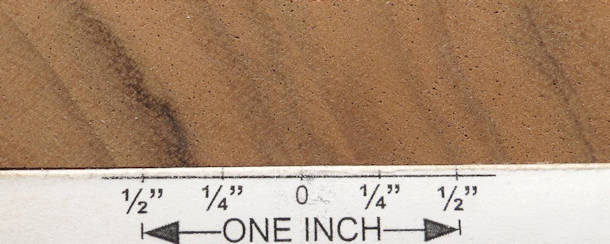
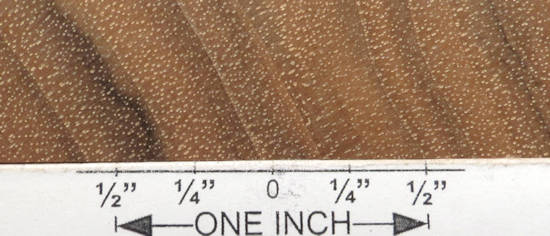
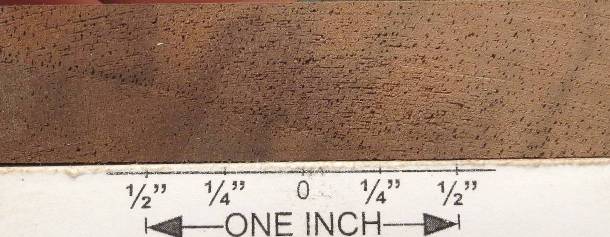
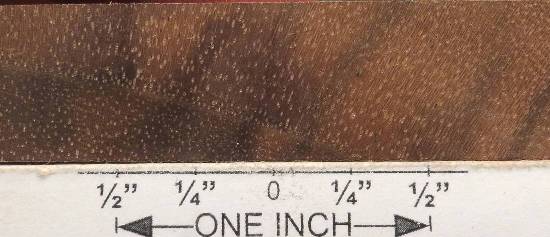
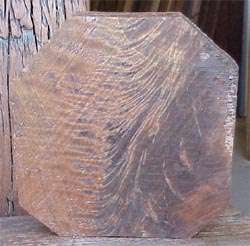
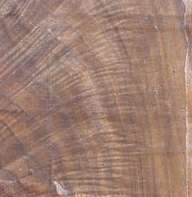
end grain and end grain closeup of the piece directly above
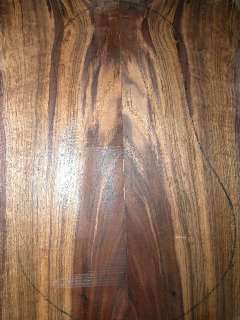
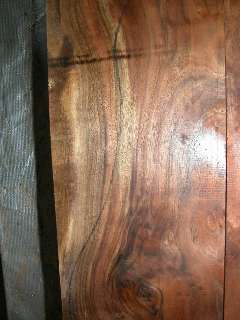
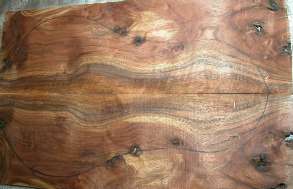
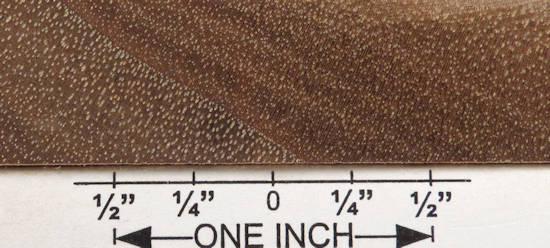
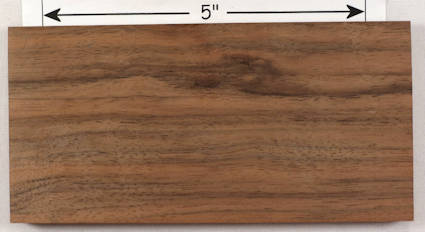
both sides of a sample plank of claro walnut / Juglans hindsii --- I'm not sure but this might a stump section, not a trunk section. The very slight purplish tinge to the color is correct.
end grain and end grain closeup of the pieces directly above
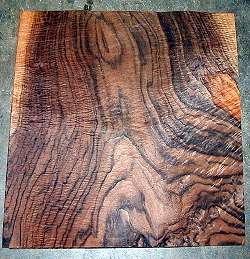
both sides of a sample plank of figured claro walnut / Juglans hindsii --- HUGE enlargements are present. This sample was loaned to me by David Clark whom I thank for this and other contributions to the site. This is "figured" only in the sense that it has swirly grain.
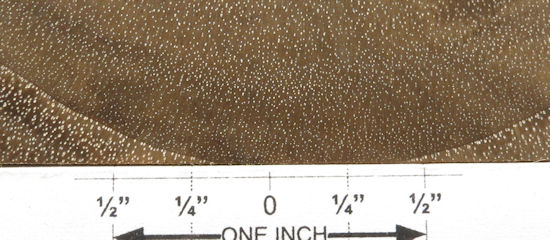
end grain and end grain closeup of the piece directly above
both sides of a sample plank of Hinds walnut / Juglans hindsii --- HUGE enlargements are present. This sample was loaned to me by David Clark whom I thank for this and other contributions to the site.
end grain and end grain closeup of the piece directly above
both sides of a sample plank of claro walnut / Juglans hindsii --- HUGE enlargements are present. This sample was loaned to me by David Clark whom I thank for this and other contributions to the site.
end grain and end grain closeup of the piece directly above
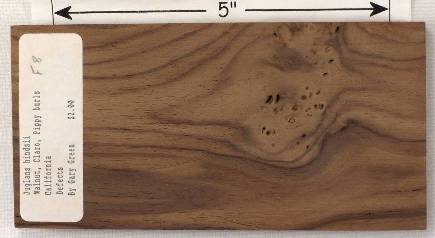
both sides of a sample plank of pippy burled claro walnut / Juglans hindsii --- HUGE enlargements are present. This sample was loaned to me by Mark Peet whom I thank for this and other contributions to the site.
end grain and end grain closeup of the piece directly above
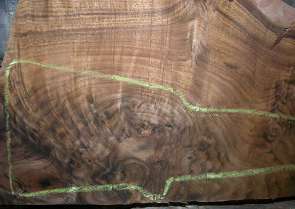
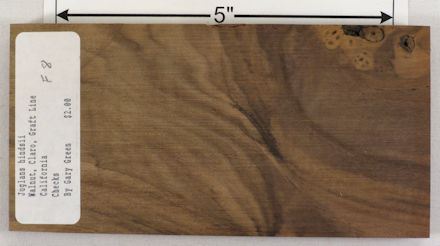
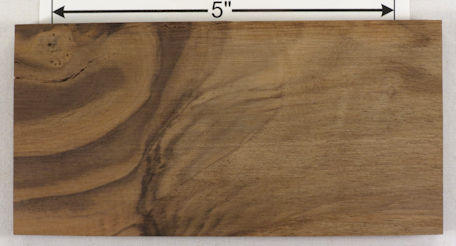
both sides of a sample plank of claro walnut / Juglans hindsii--- HUGE enlargements are present. This sample was loaned to me by Mark Peet whom I thank for this and other contributions to the site. The line in the middle of the face is listed as a graft line but there is no indication as to what was grafted to what.
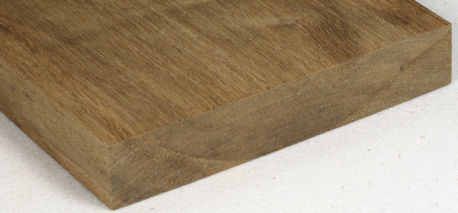
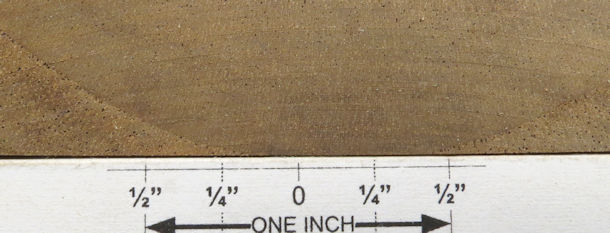
end grain and end grain closeup of the piece directly above
END GRAIN UPDATE from directly above. This pic was deliberately overexposed to make the pores show up better. You'd have to be looking at it in an EXTREMELY bright light to see it this well.
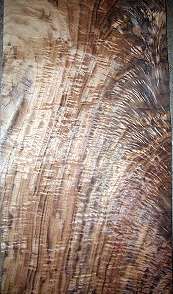
both sides of a sample plank of curly Bastogne walnut / Juglans hindsii x regia --- HUGE enlargements are present. This sample was loaned to me by David Clark whom I thank for this and other contributions to the site.
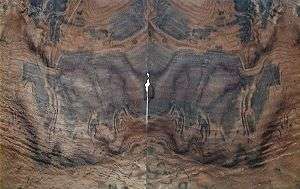
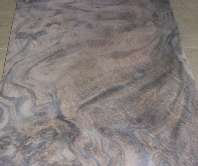
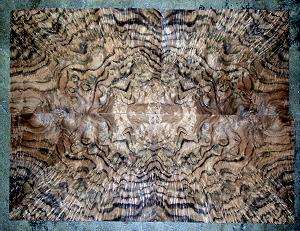
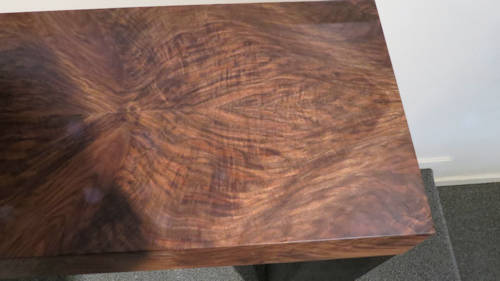
NOT a raw wood color bookmatched pieces of a finished claro walnut table top shot in a furniture store. I don't think the finished changed the color much ... the wood itself is clearly somewhat colorful. HUGE enlargements are present.
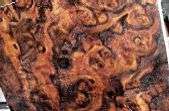
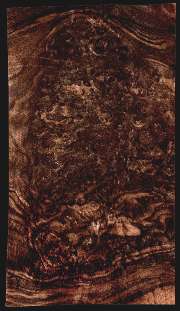
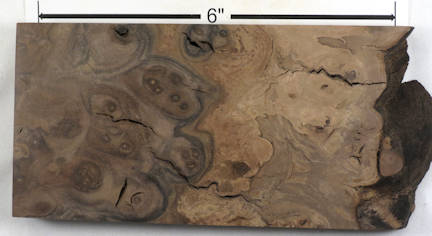
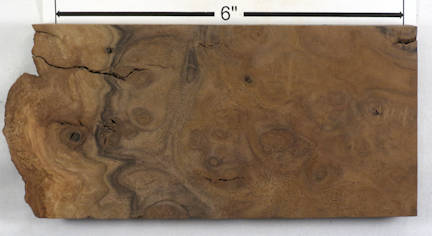
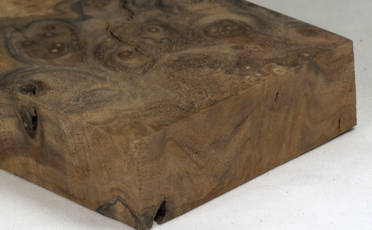
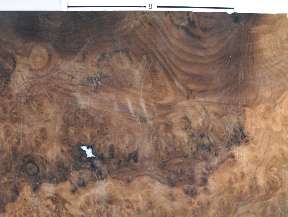
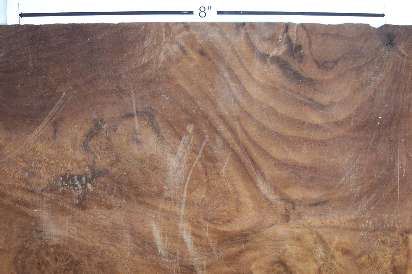
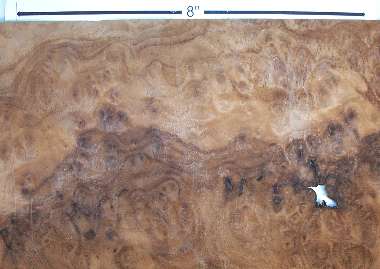
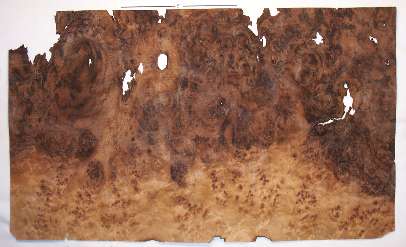
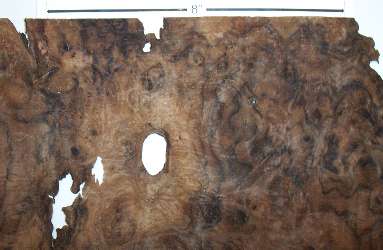
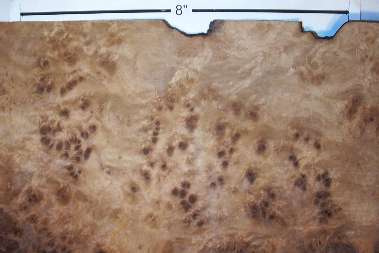
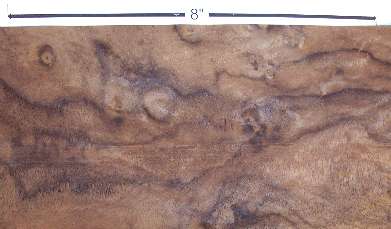
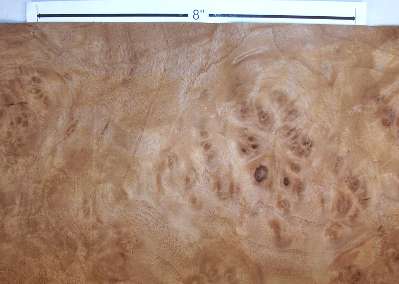
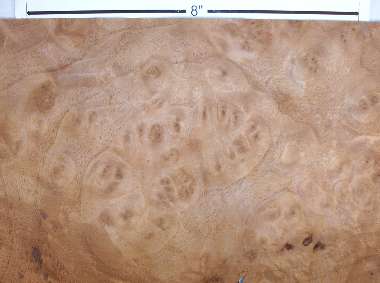
both sides of a claro walnut burl loaned to me by Mark Peet whom I thank for this and other contributions to the site. HUGE enlargements are present.
end grain of the burl directly above
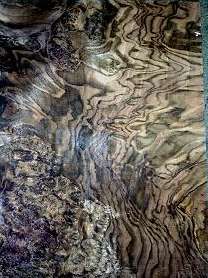
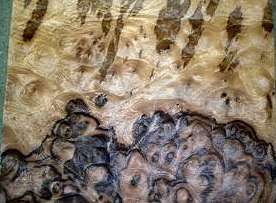
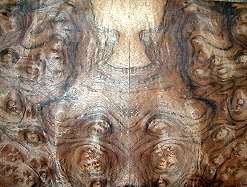
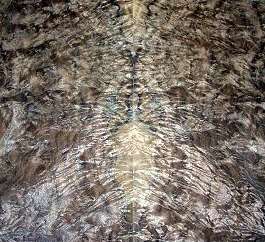
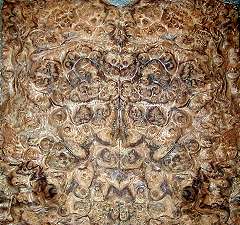
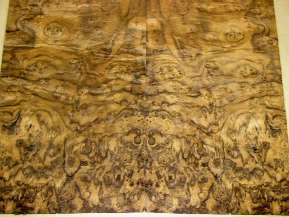
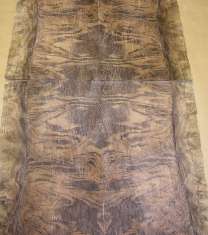
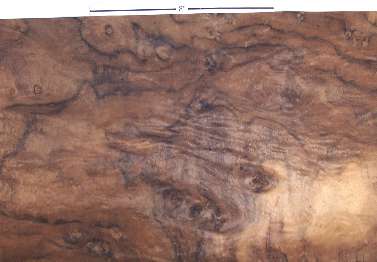
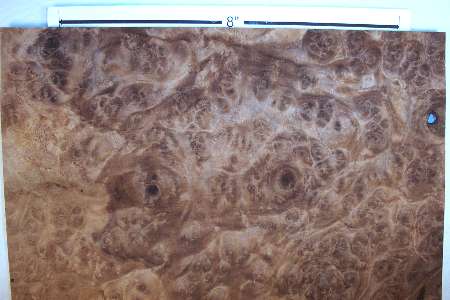
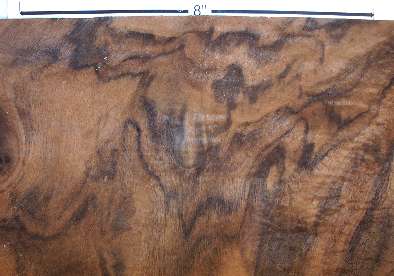
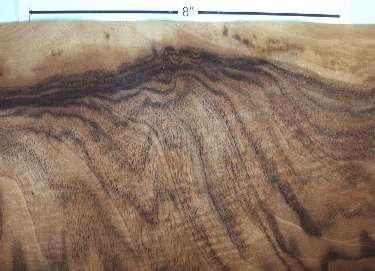
the variety of grain pattern in claro walnut, like black walnut, is never-ending, so I've included a large number of veneer sheets here from different burls and butt sections just to show some of that variety. All of these pics have one enlargement, so you can see the grain up close. Note that most of these are "swirly" burl areas as opposed to burl areas that have the more traditional "burl-eye" figure. Both types are pretty readily available in claro walnut, but the swirly type seems to predominate so I assume it is more common.
burl veneer sheet and two closeups (the second closeup has the sheet rotated 180 degrees from its orignial position)
burl veneer sheet and two closeups --- the distance pic has too much red
burl and stump veneer (I'm often not sure how you tell the difference; I mean, clearly lots of little eyes is evidence of a burl, but when It's just swirls, I'm not clear whether that's just crotch or stump wood or sometimes that figure is burl wood in this species)
sapwood burl veneer
web pics:
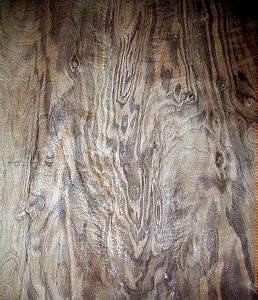
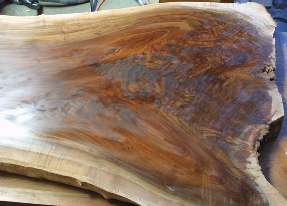
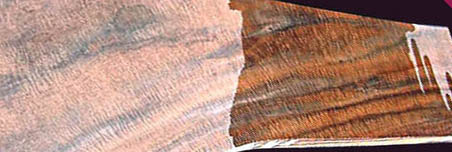
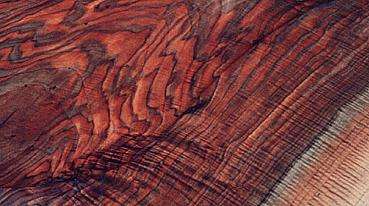
fiddleback plank with wet and dry sections, showing clearly how different this wood looks when finished as opposed to when raw. Almost every pic you see on the internet is of moistened wood because of this.
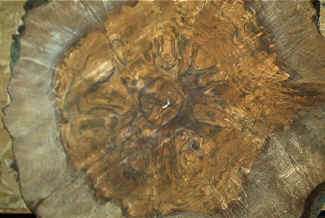
log cross section
planks
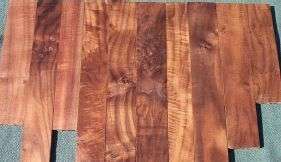
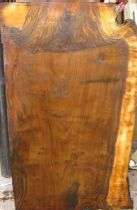
planks, all listed as claro walnut / Juglas hindsi and all apparently moistened for the pics
sections of slabs listed as claro walnut / Juglans hindsii --- these have been moistened for the pics; both levels of enlargement are present
sections of slabs all from the same vendor and all listed as claro walnut / Juglans hindsii --- the last one has a section moistened for the pic and it shows up nicely in the enlargments, giving a good example of how a finish makes a striking improvement in the look of this wood.
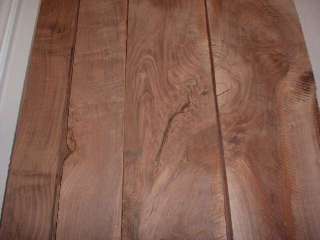
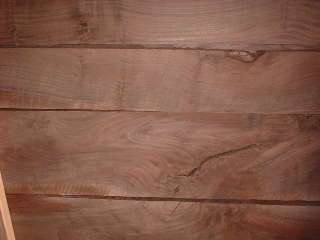
two views of a set of planks that were sold to Mark Franz, who sent me these pics, as "California walnut" and they do appear to be claro walnut
planks that have been moistened --- this is not a raw wood color
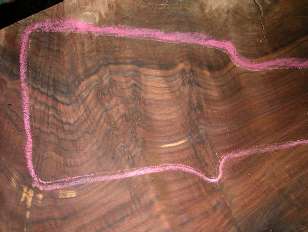
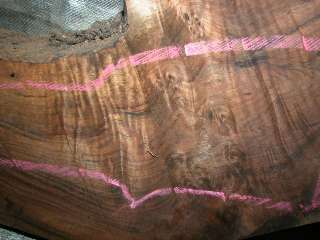
thick planks marked off for gun stocks
although just listed as planks, it seems clear that these are curly and possibly crotches
big plank
turning stock with some figuring
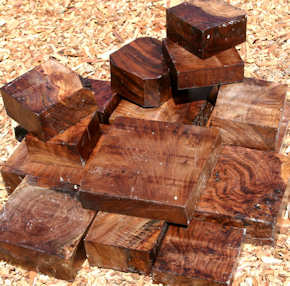
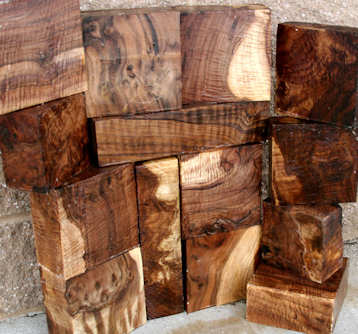
bowl blanks listed as claro walnut burl / Juglans hindsii, all from the same vendor, all slathered in wax, and all with both levels of enlargement. The vendor actually had these listed as "hindsi", which is a common mistake.
quartersawn plank
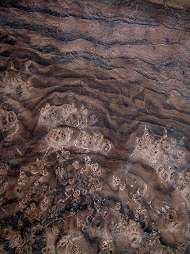
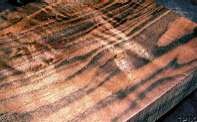
curly plank
figured plank that shows a dry section that just emphasizes how it is that many of the pics on this page (especially those of curly/figured/fiddleback planks) are of wood that has been moistened
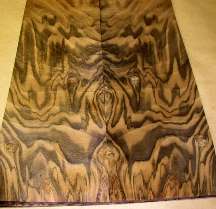
plank that was listed as "basket weave" which is not a term that I have ever seen used anywhere else and thus have to believe it's just something made up by the vendor as a marketing term (but I could be wrong). Also, the actual figure is what is correctly called a block mottle (with some of it qualifying for the designation "razor mottle") and I have not otherwise seen that figure in claro walnut, so I'm not at all convinced that this IS claro walnut --- it looks to me MUCH more like makore.
veneer
swirl veneer
curly swirl veneer
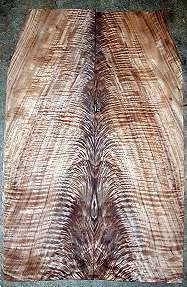
fiddleback planks that have been moistened --- this is NOT the raw wood color
fiddleback planks
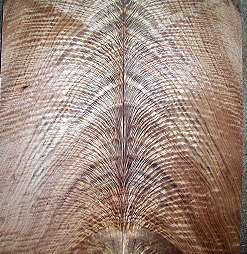
quartersawn fiddleback veneer
fiddleback veneer
figured planks that have been moistened --- this is NOT the raw wood color
flat cut curly veneer
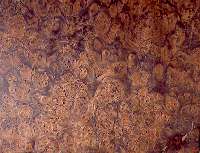
burls
burls that were moistened for the pic
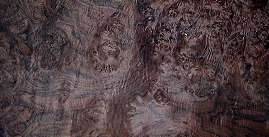
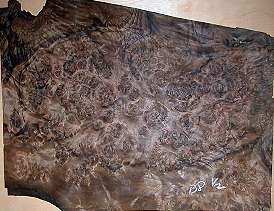
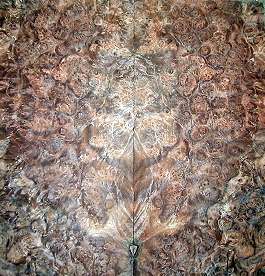
burl veneer
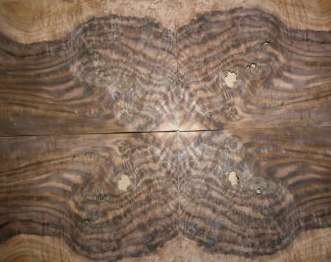
bookmatched burl veneer
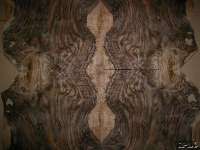
quartermatched burl veneer
crotchs
crotch that has been moistened --- this is NOT the raw wood color
feather crotch that has been moistened --- this is NOT the raw wood color
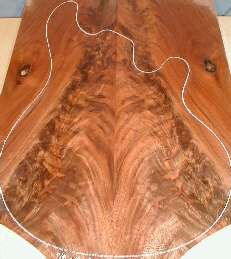
a feather crotch marked off for a gun stock
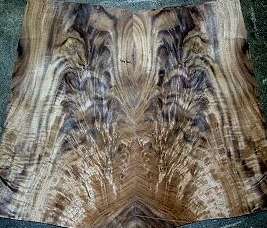
crotch veneer
curly crotch veneer
"marbled"
curly planks
curly slab moistened for the pic; sent to me by Eric Smoot, whom I thank.
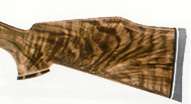
curly gun stock
listed as "fancy" claro walnut, this piece has obviously been moistened, as this is not the raw color of the wood
figured
listed as bee's wing veneer, I think that's just a dealer's optimism and this should actually be designated as just curly (albeit with a very nice tight curl that does begin to look like bee's wing) --- see directly below
bee's wing veneer that looks more like it deserves the designation
bookmatched thinwood for guitar backs
crotch thin panels for a guitar --- check out the enlargement; this is going to make one beautiful guitar !
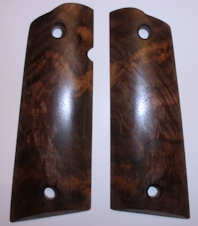
gun butt made and pistol grips from claro walnut feather crotches
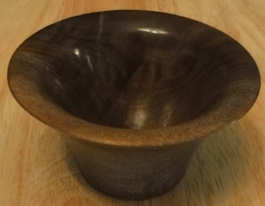
bowl about 4 or 5 inches across at the top
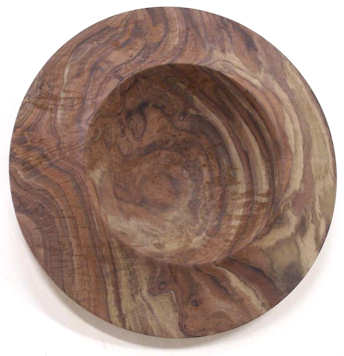
rough-turned bowl from a piece that looks like it is going to be fabulous when final-turned and finished
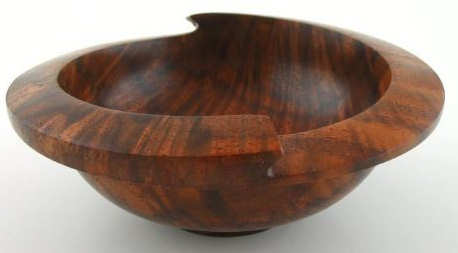
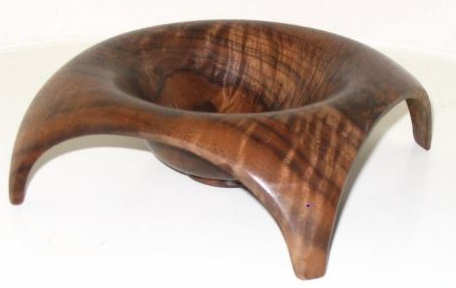
carved-edge bowl and winged bowl by the same, obviously talented, turner
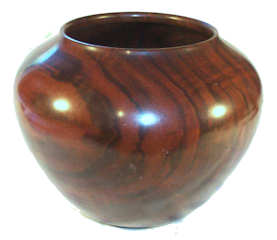
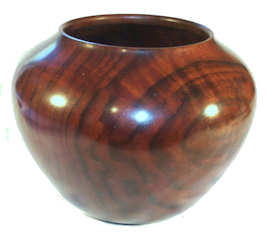
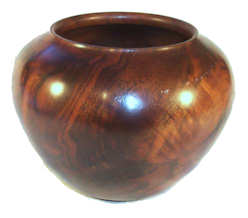
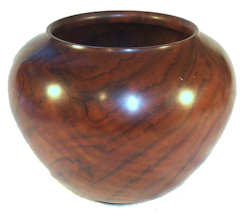
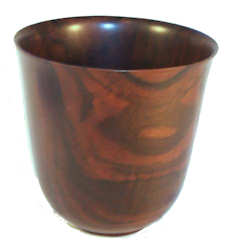
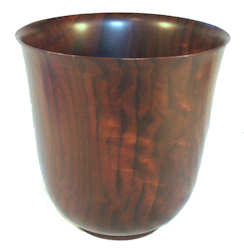
bowls by master turner Tom Laser
I bought all three of these bowls from Tom in the early 1980's. I kept running across him at craft fairs in the DC/Baltimore/Pennsylvania areas and even though his bowls were very expensive (by my standards at least), I considered them to be of museum quality and I just could not help but whip out my wallet every time I saw his booth. The pictures, in this particular case, actually DO manage to pretty much do justice to the bowls. These pics were taken in a strong light and just sitting on the shelf, the bowls do look noticably darker than they do here.
I'm sure I asked him what the finish is, but I no longer remember. The walls are quite thin and the wood is beautifully chosen and amazingly well worked. I have, as I said, had these for 20 years now and there is no sign of warping or and other defect in the wood or workmanship. I get great pleasure out of looking at and handling these from time to time. The only disadvantage to having them is that by comparison I always feel that my own turned bowls look as though they were whittled out of two-by-four scraps with a dull pen knife.
%201a%20s25%20plh.jpg)
%201b%20s25%20plh.jpg)
%201%20end%20grain%20s25%20plh.jpg)
%201%20end%20grain%20closeup%20s25%20plh.jpg)
%201%20end%20grain%20closeup%202%20s25%20plh.jpg)
%20curly%201a%20s25%20plh.jpg)
%20curly%201b%20s25%20plh.jpg)
%20curly%201%20end%20grain%20s25%20plh.jpg)
%20curly%201%20end%20grain%20closeup%20s25%20plh.jpg)
%20bc%2001%20s50%20web.jpg)
%20bc%2004%20s50%20web.jpg)
%20bc%2006%20s50%20web.jpg)
%20bc%2007%20s50%20web.jpg)
%20bc%2008%20s50%20web.jpg)
%20bc%2009%20s50%20web.jpg)
%20bc%2010%20s50%20web.jpg)
%20bc%2011%20s50%20web.jpg)
%20bc%2012%20s50%20web.jpg)
%20bc%2013%20s50%20web.jpg)
%20bc%2002%20web.jpg)
%20bc%2003%20web.jpg)
%20bc%2005%20web.jpg)
%20bc%2014%20web.jpg)
%20wet%201%20s25%20web.jpg)
%20wet%202%20s25%20web.jpg)
%2015%20s25%20web.jpg)
%2017%20s25%20web.jpg)
%2018%20s25%20web.jpg)
%2019%20s25%20web.jpg)
%2020%20s25%20web.jpg)
%2021%20s50%20web.jpg)
%2022%20s25%20web.jpg)
%2023%20s50%20web.jpg)
%2024%20s50%20web.jpg)
%2025%20s25%20web.jpg)
%2016%20s25%20web.jpg)
%20burl%20bowl%20blank%2001%20s25%20web.jpg)
%20burl%20bowl%20blank%2002%20s25%20web.jpg)
%20burl%20bowl%20blank%2003%20s25%20web.jpg)
%20burl%20bowl%20blank%2004%20s25%20web.jpg)
%20burl%20bowl%20blank%2005%20s25%20web.jpg)
%20burl%20bowl%20blank%2006%20s25%20web.jpg)
%20burl%20bowl%20blank%2007%20s25%20web.jpg)
%20burl%20bowl%20blank%2008%20s25%20web.jpg)