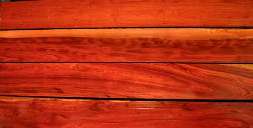
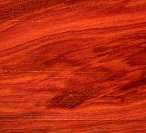
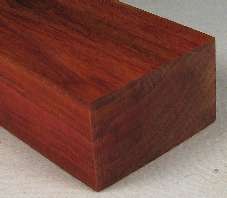
Although I find this wood to be widely available at exotic wood dealers, details of its provenance seem less available than just about any other exotic wood I am familiar with.
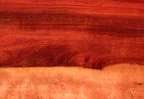
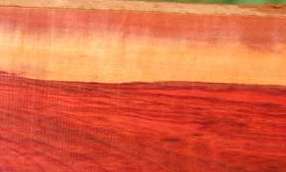
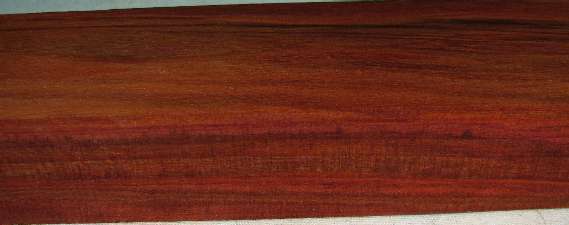
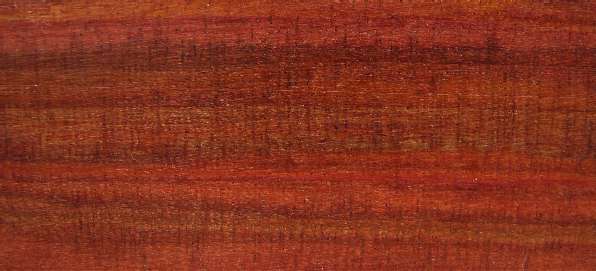
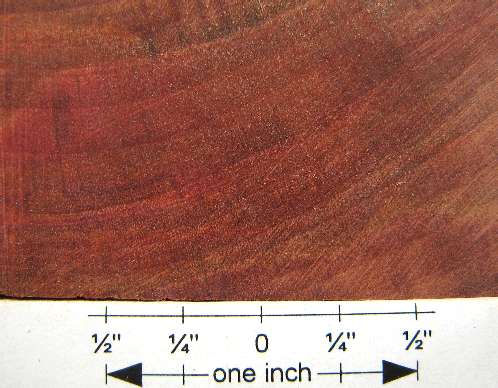
Alternate common names include chakte kok even though that name actually belongs more properly to a related wood of similar appearance. The wood is dull pink to moderately bright red and fades severly with long exposure to UV; UV blocking agents will slow, but not totally inhibit, the fading and will generally cause the shift to somewhat more towards brown than just very faded red. There is often a very attractive purple area at the juncture between the heartwood and the sapwood, changing from lighter to darker as it moves towards the heartwood. This wood has a fine to medium texture and works very easily.
Sheila at Pens of Color reports that she has pens of redheart that she turned 5 years ago and they are still vibrant red. She did not say what finishing agent she used. On my own segmented bowls with UV-blocking polyurethane, the woods has always changed to a reddish-brown.
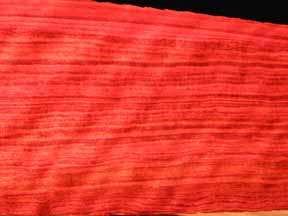
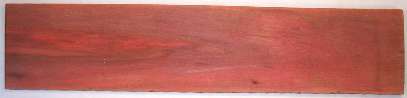
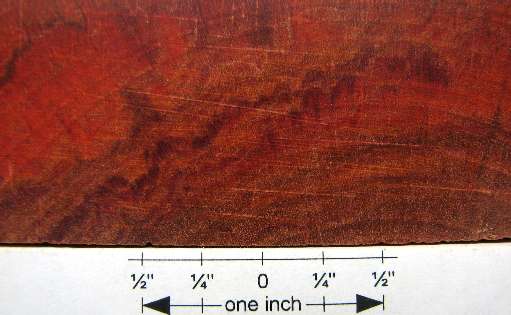
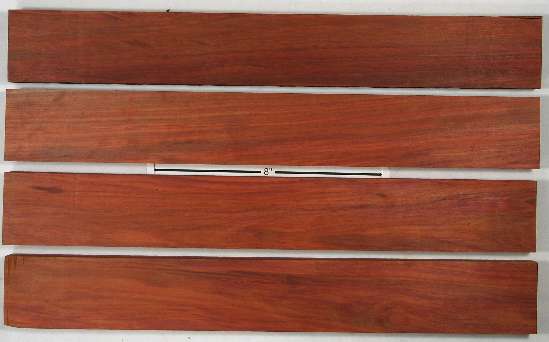
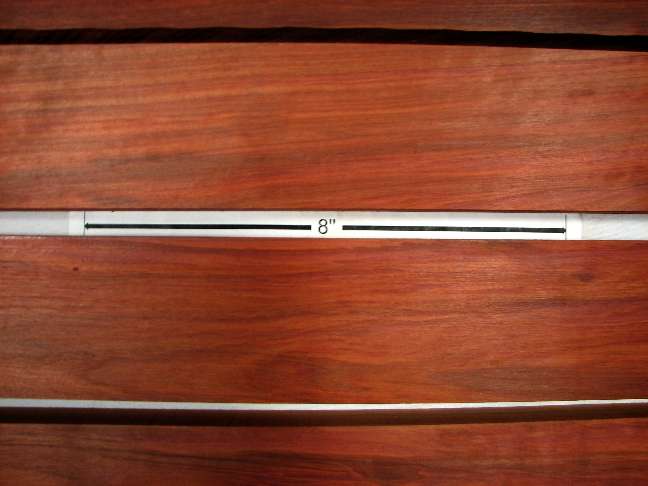
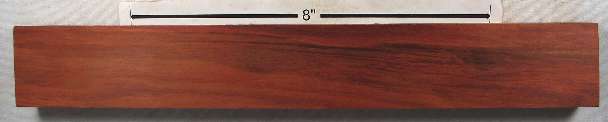
my samples: NOTE: these pics were all taken in very bright incandescent lighting ("soft white" at 2700K) colors will vary under other lighting conditions
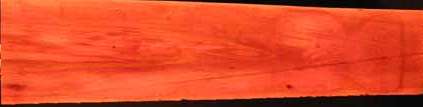
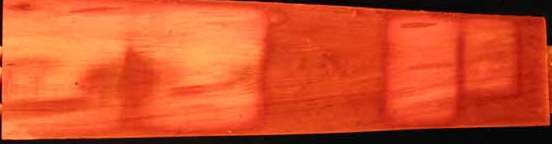
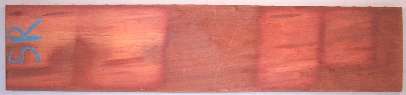
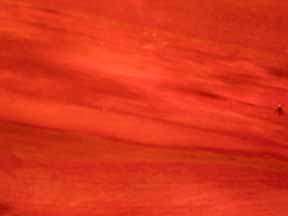
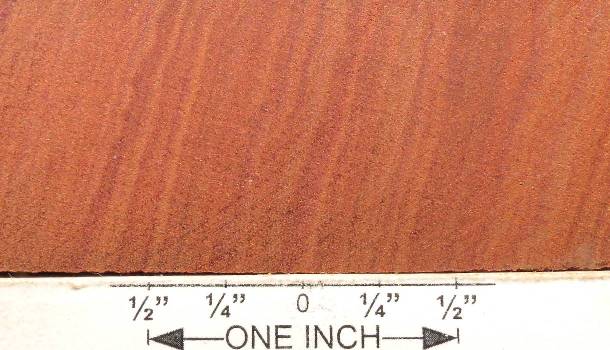
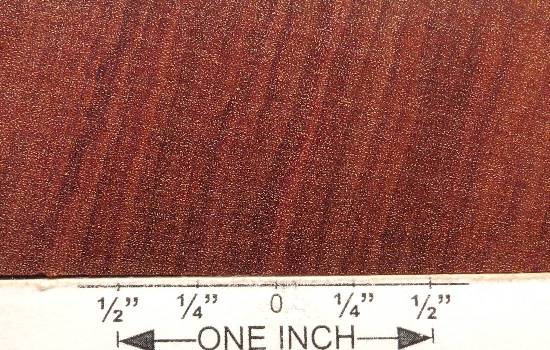
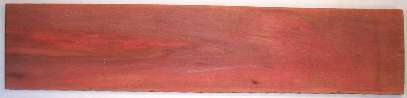
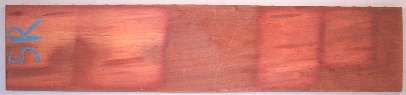
redheart exposure series --- both sides are raw, freshly sanded, and half has been covered and the rest exposed to light. The first pic is the raw baseline and the 2nd pic shows the exposure after one month. To see the complete series, click here: redheart exposure series As you can see just from these two shots, redheart does not darken with age but rather fades in an unattractive way.
another example of redheart fading due to exposure to sunlight. This piece was in a place in my garage for a season or two in a position where the part on the left was sticking out a little beyond the end an irregular piece of plywood that also let in a little light under it. SO ... the part that stuck out was exposed to direct sunlight briefly every sunny day and the lower portion was exposed to mild indirect sunlight at the same time and only faded a little. As you can see, direct sunlight is a killer for the color on this wood.
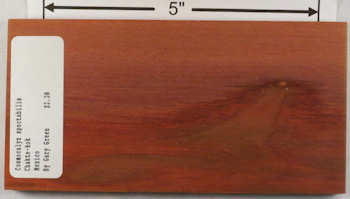
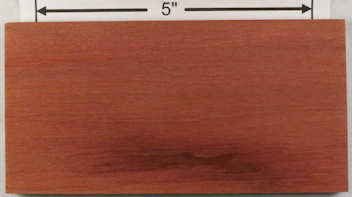
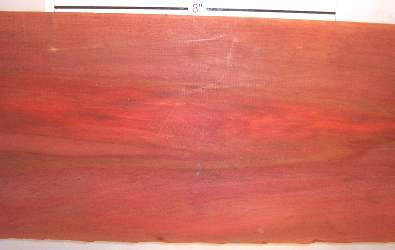
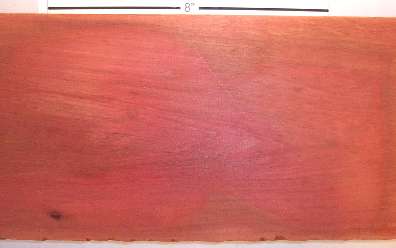
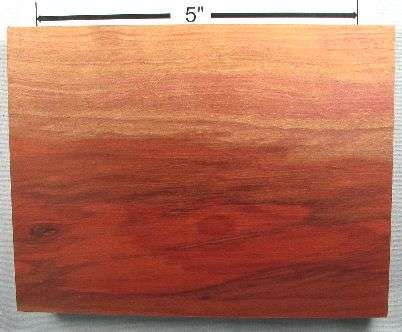
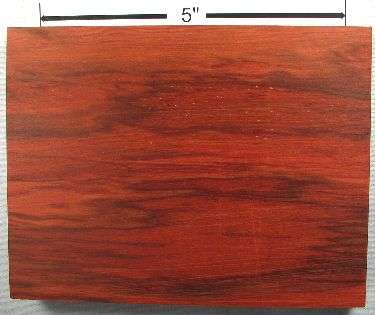
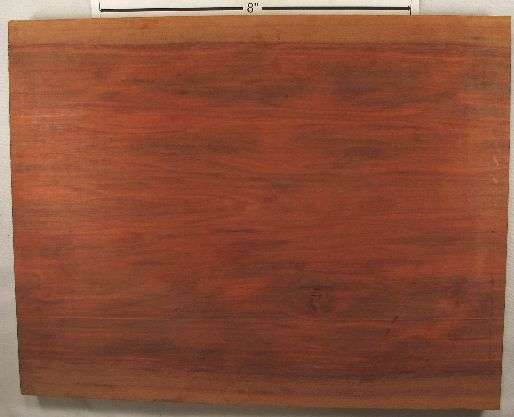
both sides of a sample plank of redheart (listed as chakte kok) / Cosmocalyx spectabilis --- HUGE enlargements are present. This sample was loaned to me by David Clark whom I thank for this and other contributions to the site.
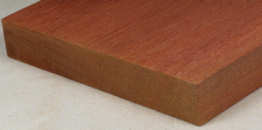
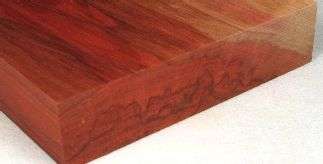
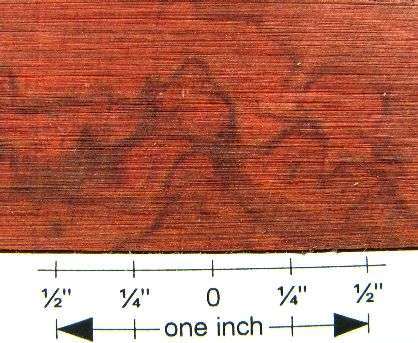
end grain and end grain closeup of the piece directly above --- note that the end has faded almost totally but when cleaned up in the updated below it's back to being red (and had I gone deeper with the sanding, it would likely have gotten brighter)
both sides of a sample plank of redheart (listed as chakte kok) / Cosmocalyx spectabilis --- HUGE enlargements are present. This sample was loaned to me by David Clark whom I thank for this and other contributions to the site.
end grain and end grain closeup of the piece directly above --- note that the end totally faded but when cleaned up in the updated below it's back to being red
both sides of a sample plank of redheart (listed as chakte kok) / Cosmocalyx spectabilis --- HUGE enlargements are present. This sample was loaned to me by David Clark whom I thank for this and other contributions to the site. The bright red on the upper plank of the two laminated planks is correct, as is the faded color on the lower strip.
end grain and end grain closeup of the piece directly above
both sides of a sample plank of redheart (listed as chakte kok) / Cosmocalyx spectabilis --- HUGE enlargements are present. This sample was loaned to me by Mark Peet whom I thank for this and other contributions to the site.
end grain and end grain closeup of the piece directly above
both sides of a sample plank of redheart / Cosmocalyx spectabilis --- HUGE enlargements are present. The color on these is too red
end grain and end grain closeup of the piece directly above. The color on these is too much light orange. The face grain pics above have the correct color.
both sides and end grain of a wonderfully bright red piece
end grain closeup and END GRAIN UPDATE from the piece directly above --- the color of the original end grain shot is too dark but the update has the naturally darker color (explained in the link) and is shown accurately.
both sides and two closeups of a plank I bought from the BogusColorVendor --- at the bottom of this page, I demonstrate once again the incredible dishonesty of that vendor.
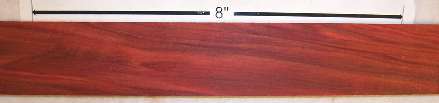
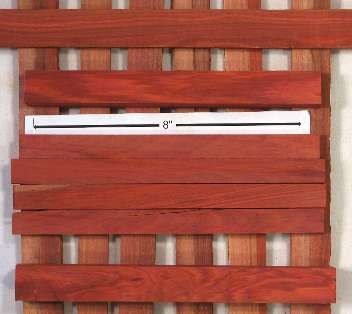
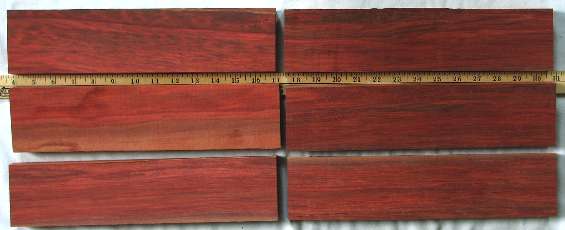
small planks
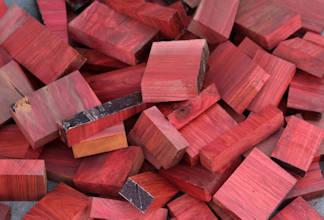
misc solid pieces just to show some variation in grain and color
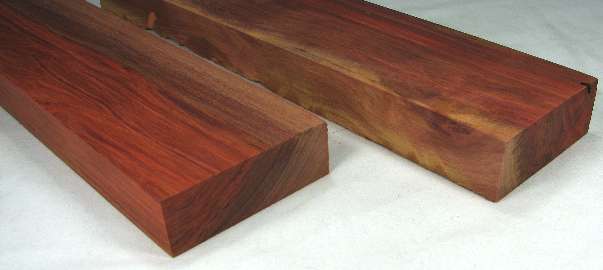
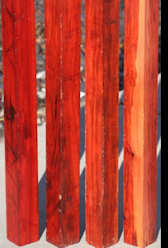
redheart sticks. The ones in the background show sapwood and the ones on top were chosen for excellence of color.
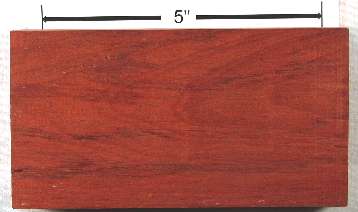
plank and end grain
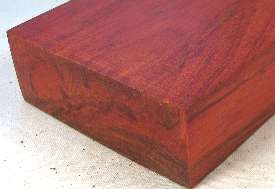
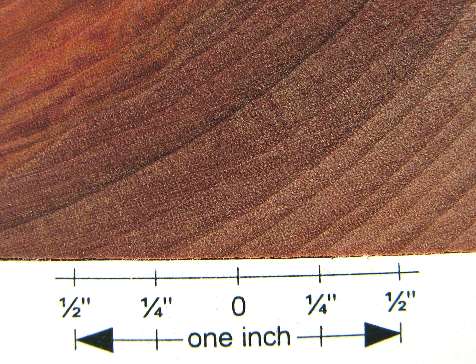
end grain closeup of the piece directly above
another set of small planks and a closeup
stick and end grain --- this one is a little darker red color than the average redheart (to the extent that there IS any such thing as an "average")
a "top and side" pic and a side grain closeup. The apparent lighter color of the side grain closeup is because of the bright light I used.
end grain closeup of the piece directly above --- in doing the color correction, I lightened this one up just a little too much.
3 sides of a stick that has an unusually dark red color --- the darker red of the face in the middle pic is accurate
end grain and end grain closeup of the stick directly above --- I did a REALLY poor job of sanding this end
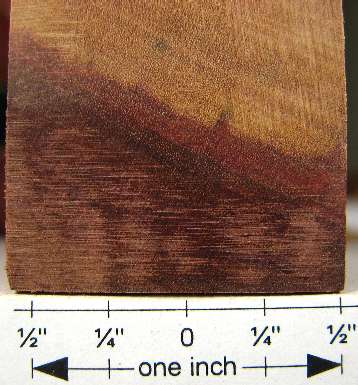
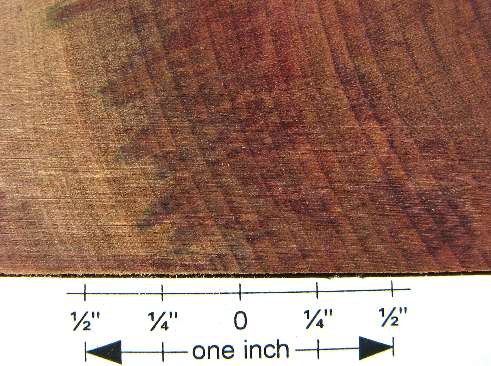
the transition from red heartwood to tan sapwood is frequently accompanied by a transition area of purple, but rarely as strong as in this piece (it shows up a little more clearly in the enlargements)
nice little chunk showing pretty typical heartwood/sapwood demarcation and color
both sides of a small plank
end grain and end grain closeup of the piece directly above
plank
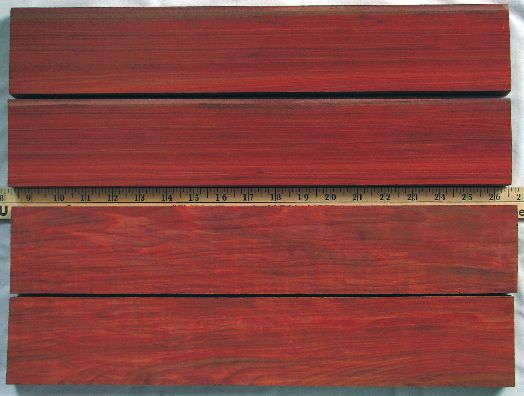
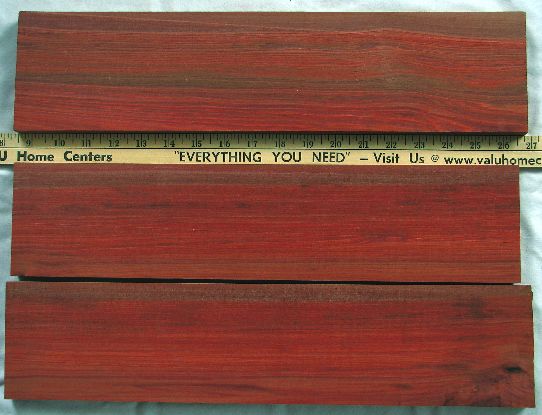
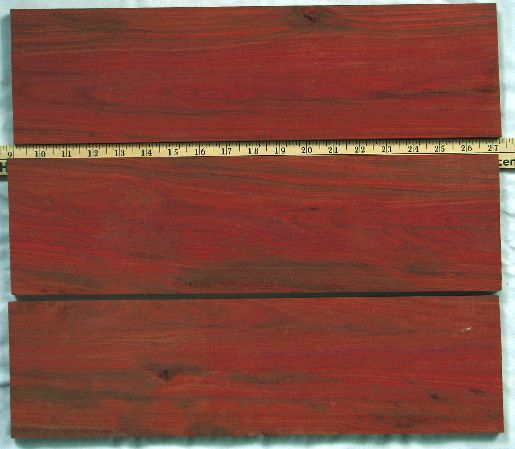
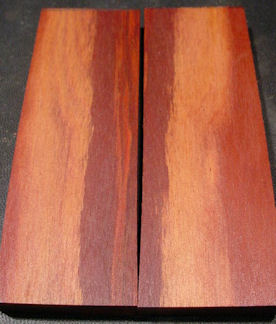
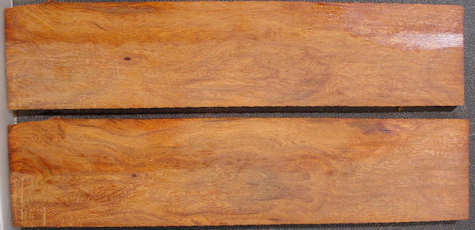
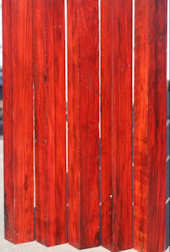
planks
two planks and end grain closeups --- the plank on the left shows a transition from red heartwood to purple sapwood to light red sapwood and the plank on the right shows a transition directly to light colored sapwood.
planks
plank
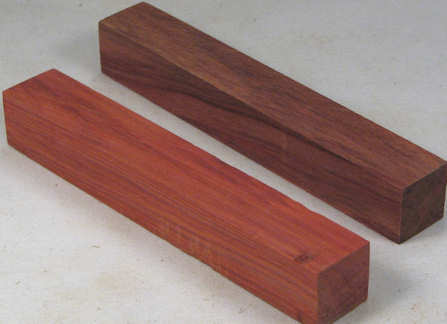
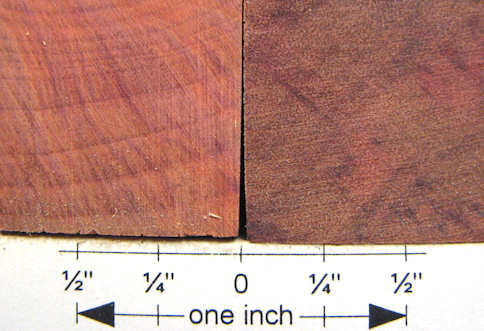
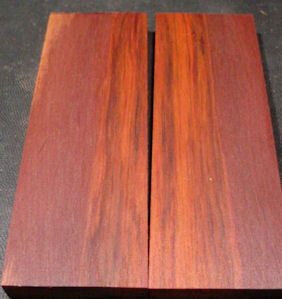
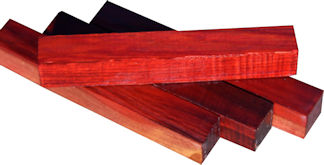
a pair of pen blanks and an end grain closeup of the pair
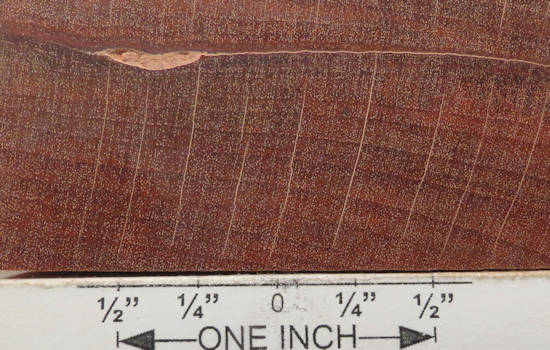
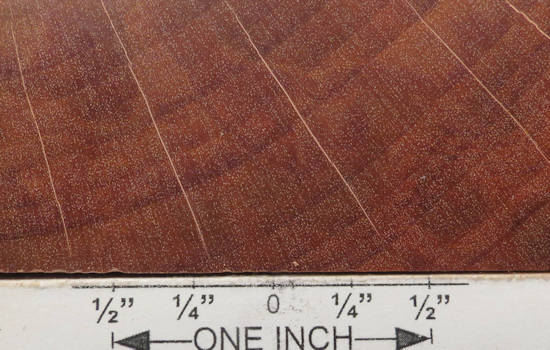
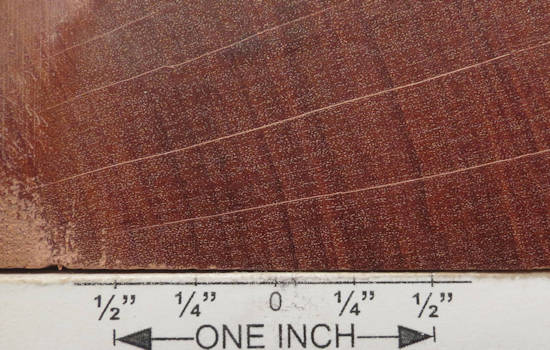
three END GRAIN UPDATES that were taken of pieces that are already shown elsewhere on this page but for which I had not yet take end grain closeups. I needed some more end grain closeups for the anatomy page and these pieces were still out in the garage so I processed them. These were all from different planks but have extremely similar end grain characteristics. The long white lines are cracks, not anatomical structures.
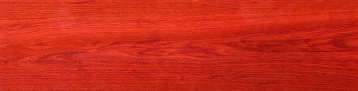
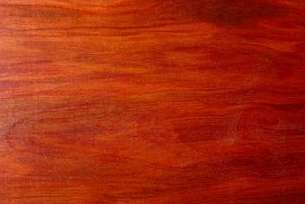
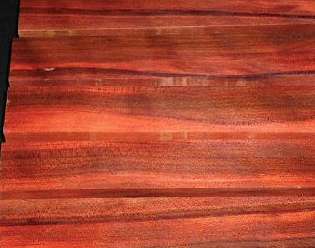
web pics:
planks
plank and closeup
plank and closeup
plank --- in my experience, redheart is usually not this dull (although it is NOT as bright as some of the bogus-colored pics you'll see in the web pics down below)
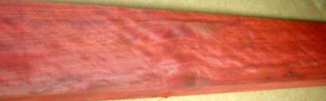
plank and a closeup from each side
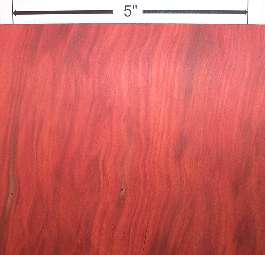
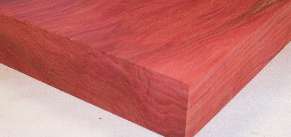
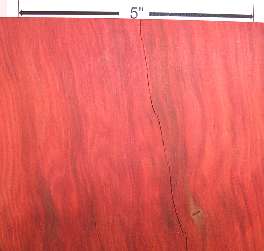
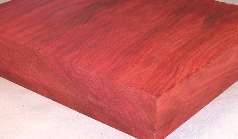
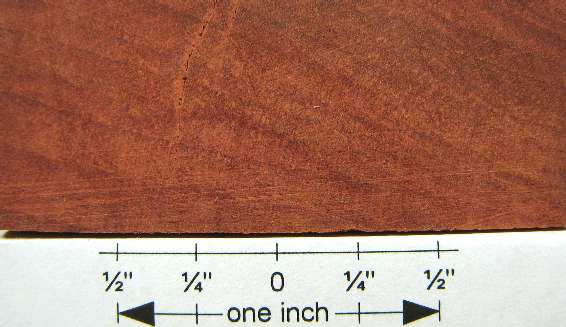
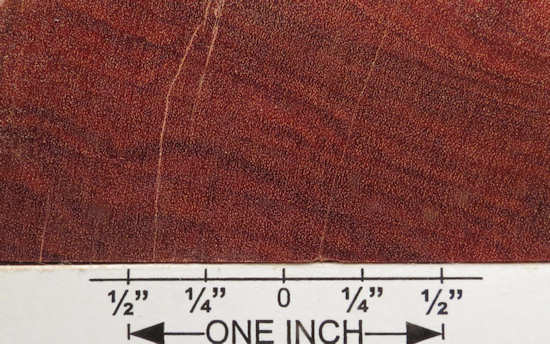
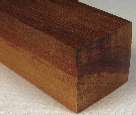
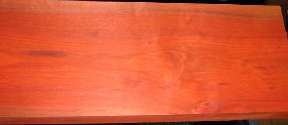
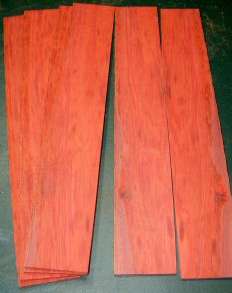
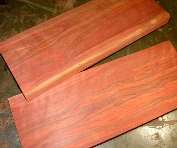
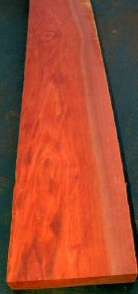
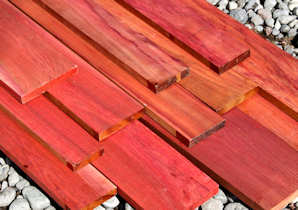
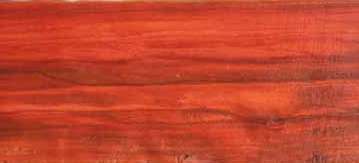
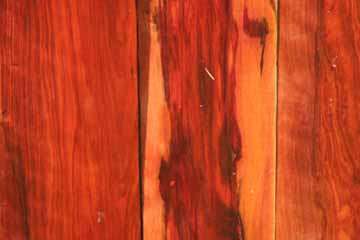
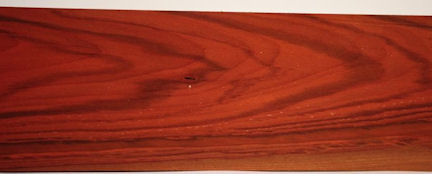
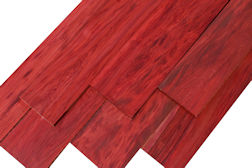
planks listed as redheart / Cosmocalyx spectabilis
planks listed as Yucatan redheart --- both levels of enlargement are present
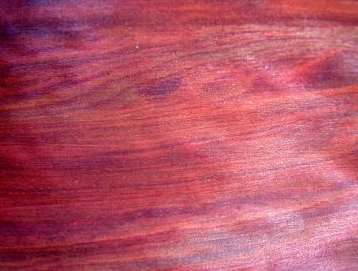
curly plank and closeup --- I believe the distance pic has the more correct color
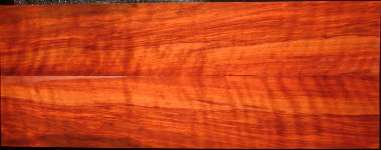
curly bookmatched pair
scales
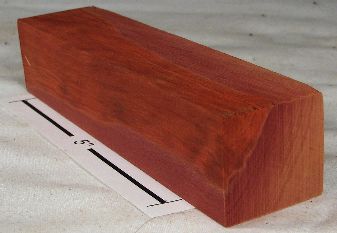
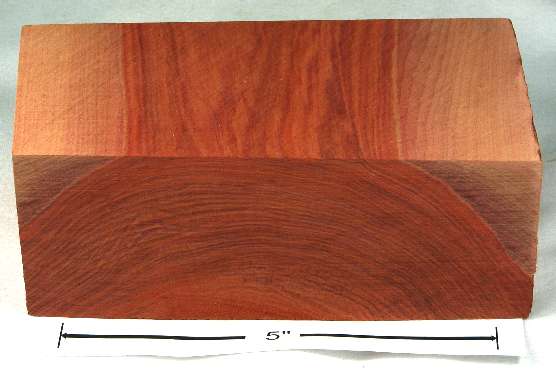
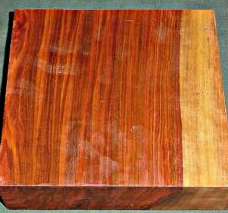
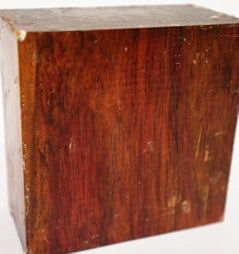
turning stock
cutoffs
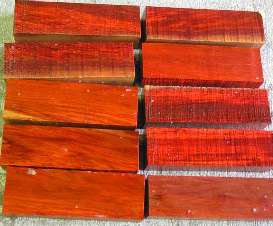
pen blanks
turning stock listed as redheart / Cosmocalyx spectabilis
waxed slab
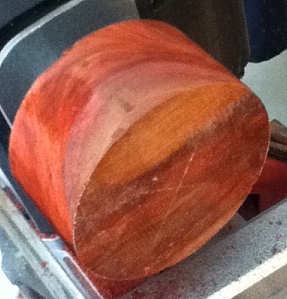
waxed bowl blank and raw bowl blank
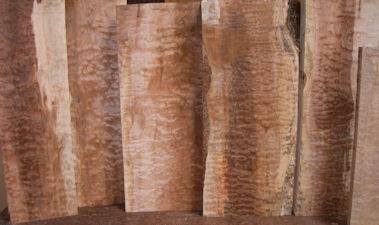
listed as quilted redheart with no botanical designation but based on the color and the fact that I have never otherwise seen quilted redheart, I wonder if perhaps these are from one of the other species that have redheart as one of their common names but which are not normally sold as redheart in the USA.
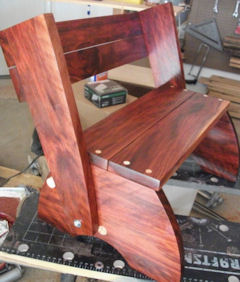
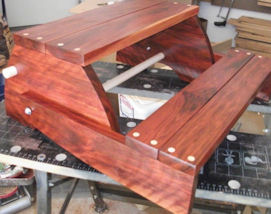
curly redheart stool
bowl turned by Al Amstutz
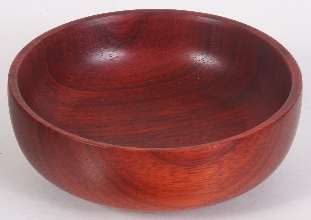
bowl
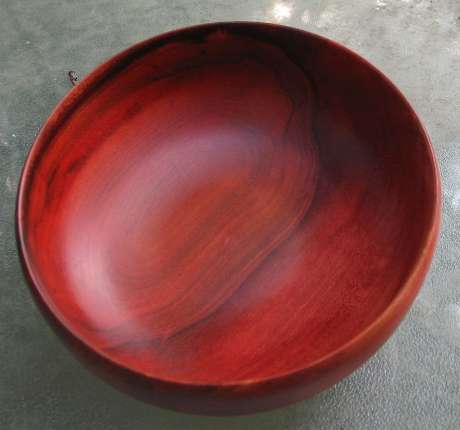
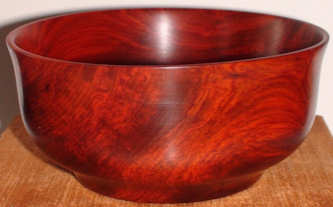
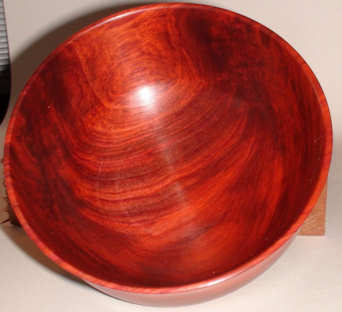
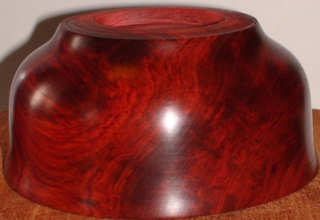
three views of a particularly nice bowl
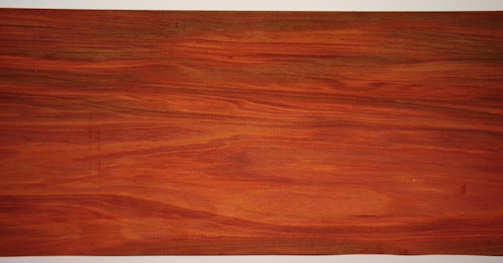
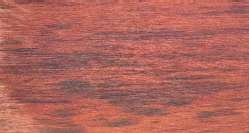
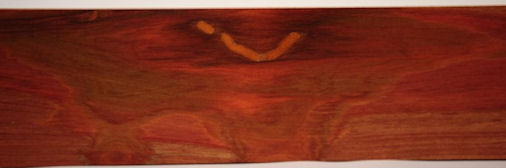
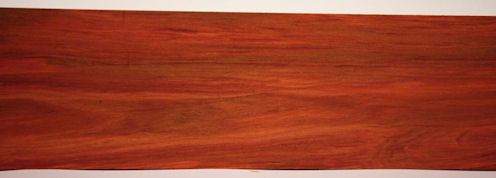
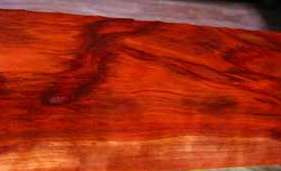
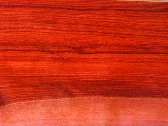
these are from the BogusColorVendor --- the brilliant neon red is insanely fradulent
turning sticks
planks
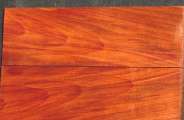
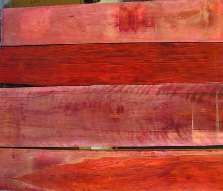
planks with REALLY saturated red color, showing their dishonest photography at its most blatant.
planks and a closeup
both sides of a plank and a closeup
both sides of a plank and a closeup
fiddleback --- obviously nice figure and this is probably a very nice board, but as is usual with the BogusColorVendor, the saturation level of the red color is just ridiculous
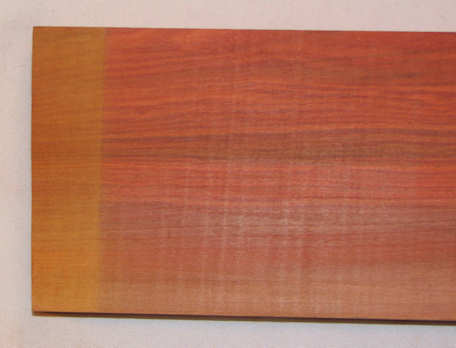
here's a plank I bought from the
BogusColorVendor with a direct comparison of my accurate-colored pics and their standard GROSS exaggeration of the color (their pics are exactly as posted on the Internet and mine are accurate)
their pic on the good side
actual color from my camera on the good side
their pic on the other side
actual color from my camera on the other side
closeup with their pic on the left and my accurate one on the right


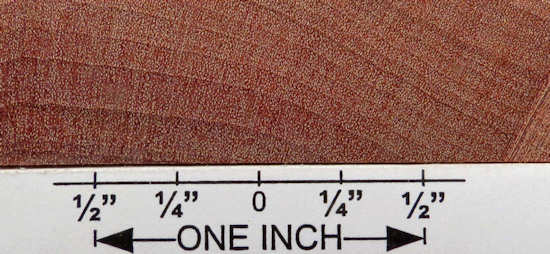
%201a%20s25%20plh.jpg)
%201b%20s25%20plh.jpg)
%201%20end%20grain%20s25%20plh.jpg)
%201%20end%20grain%20closeup%20s25%20plh.jpg)
%201%20end%20grain%20closeup%202%20s25%20plh.jpg)
%202a%20s25%20plh.jpg)
%202b%20s25%20plh.jpg)
%202%20end%20grain%20s25%20plh.jpg)
%202%20end%20grain%20closeup%20s25%20plh.jpg)
%202%20end%20grain%20closeup%202%20s25%20plh.jpg)
%203a%20s25%20plh.jpg)
%203b%20s25%20plh.jpg)
%203%20end%20grain%20s25%20plh.jpg)
%203%20end%20grain%20closeup%20s25%20plh.jpg)
%203%20end%20grain%20closeup%202%20s25%20plh.jpg)
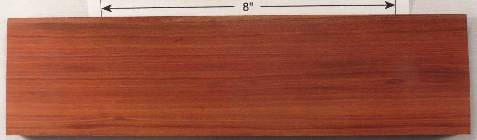
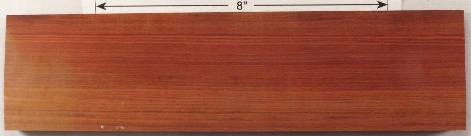
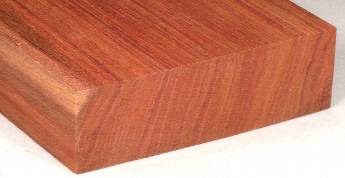
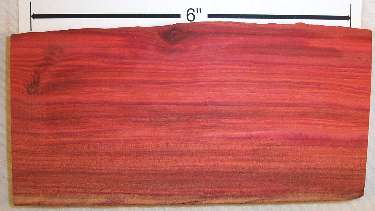
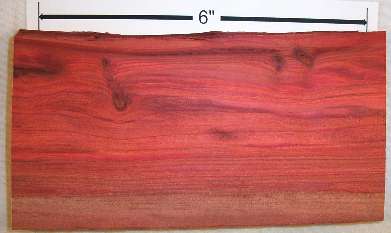
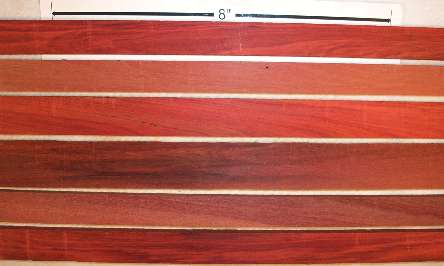
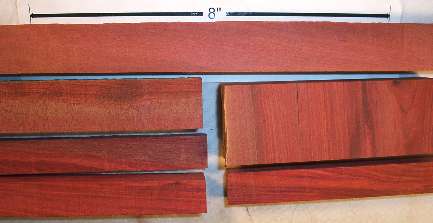




%20bc%20s50%20web.jpg)
%20bc%20s50%20web.jpg)
%20bc%20web.jpg)
%20bc%20web.jpg)
%20bc%20web.jpg)
%20bc%20web.jpg)
%20bc%20web.jpg)
%20bc%20web.jpg)
%20bc%20web.jpg)
%20bc%20web.jpg)
%20bc%20web.jpg)
%20bc%20web.jpg)
%20bc%20web.jpg)
%20bc%20web.jpg)



%20s50%20web.jpg)
%20bc%2003%20s50%20web.jpg)
%20bc%2005%20s50%20web.jpg)
%20bc%2009%20s50%20web.jpg)
%20bc%2010%20s50%20web.jpg)
%20bc%2011%20s50%20web.jpg)
%20bc%2004%20web.jpg)
%20bc%2006%20web.jpg)
%20bc%2007%20web.jpg)
%20bc%2008%20web.jpg)
%20s50%20web.jpg)
%20s50%20web.jpg)
%20s50%20web.jpg)
%2031%20bc%20web.jpg)
%2032%20bc%20web.jpg)
%2033%20bc%20web.jpg)