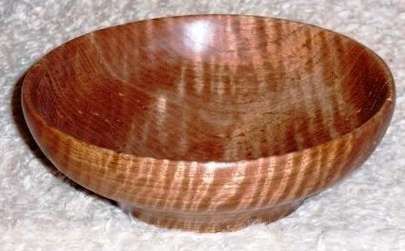
Includes at least Lagerstroemia hypoleuca, Lagerstroemia speciosa, Lagerstroemia loudoni, Lagerstroemia floribunda, Lagerstroemia tomentosa, and Lagerstroemia flos-regia of the family Lythraceae
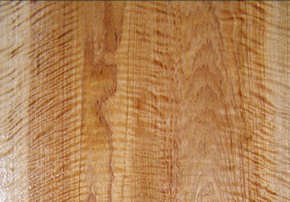
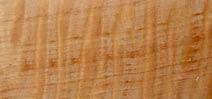
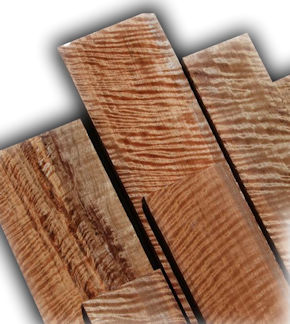
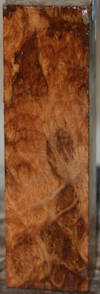
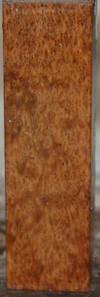
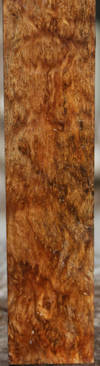
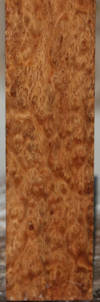
The only thing I know about this wood is that it is native to India and Indonesia and like many woods from the general Asian areas, it has almost 200 other common names. It is normally seen as curly figure but the curl ranges from weak to strong, as you can see from the pics on this page.
my samples: NOTE: these pics were all taken in very bright incandescent lighting ("soft white" at 2700K) colors will vary under other lighting conditions
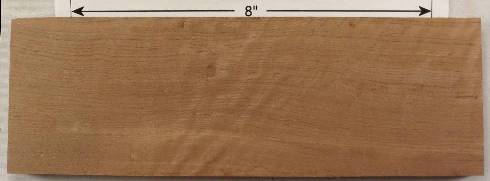
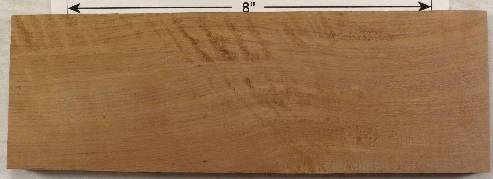
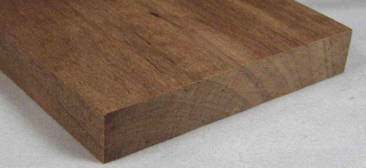
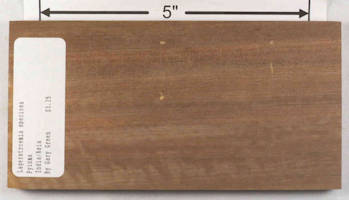
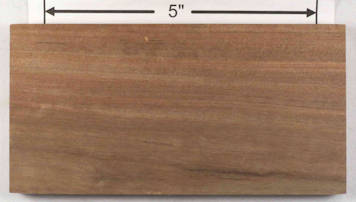
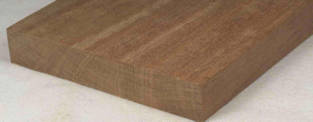
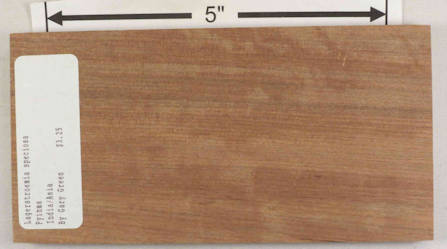
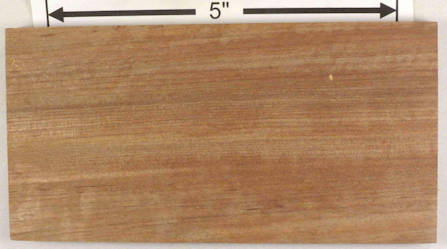
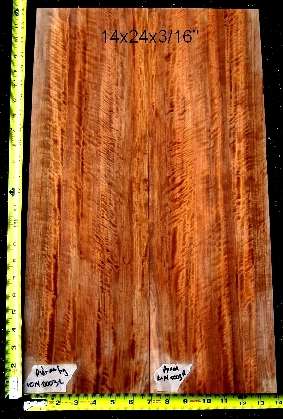
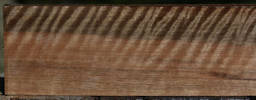
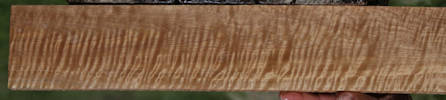
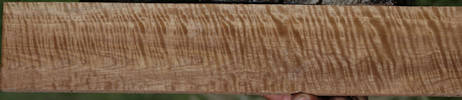
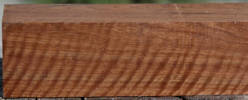
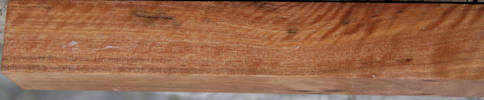
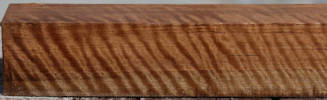
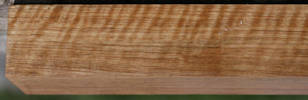
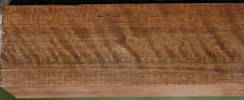
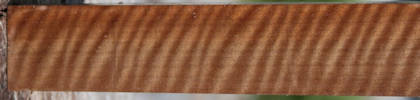
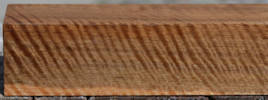
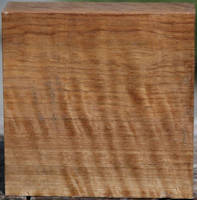
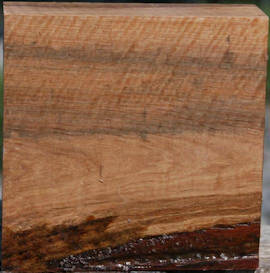
both sides of a sample plank of curly pyinma / Lagerstroemia spp. --- HUGE enlargements are present. This sample was loaned to me by David Clark whom I thank for this and other contributions to the site. For more detail on this piece, see the sample directly below
both sides of a sample plank of curly pyinma / Lagerstroemia spp. --- HUGE enlargements are present. This sample was loaned to me by David Clark whom I thank for this and other contributions to the site. This sample is from the plank directly above
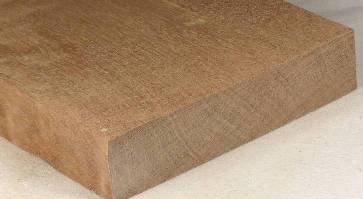
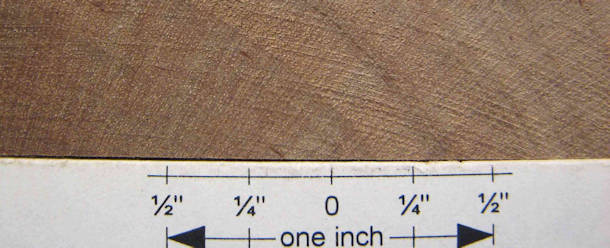
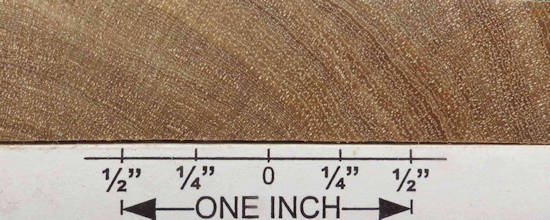
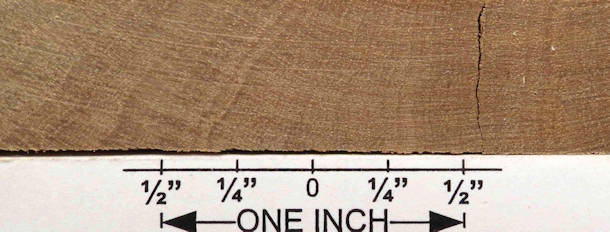
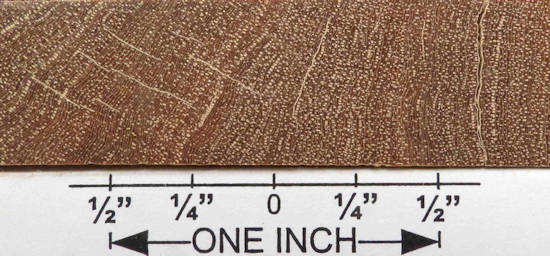
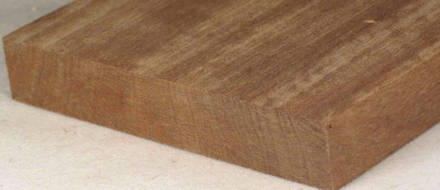
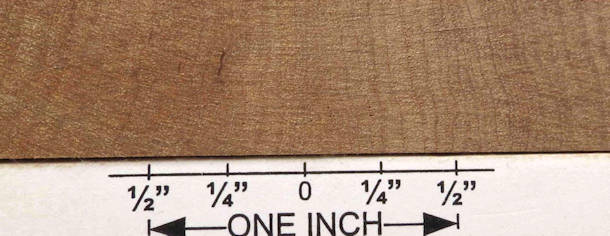
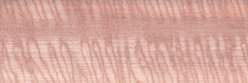
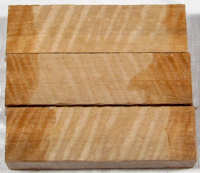
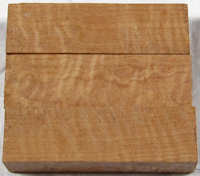
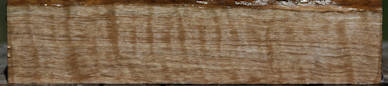
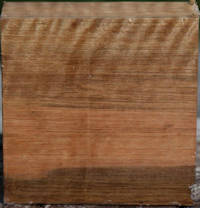
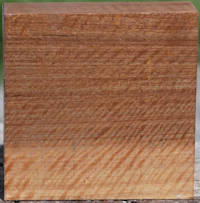
end grain and end grain closeup of the piece directly above
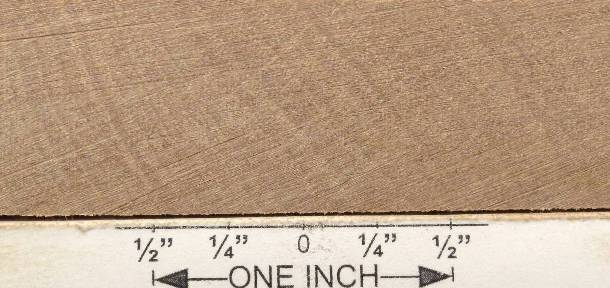
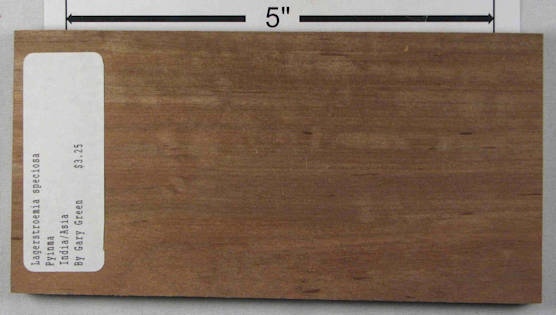
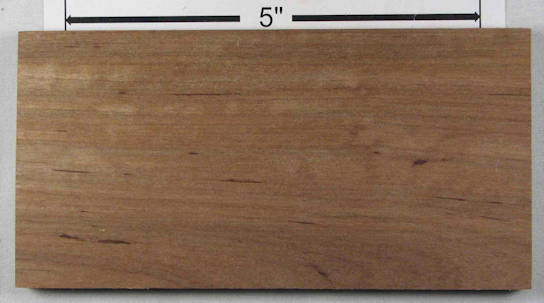
both sides of a sample plank of pyinma / Lagerstroemia speciosa --- HUGE enlargements are present. This sample was loaned to me by David Clark whom I thank for this and other contributions to the site.
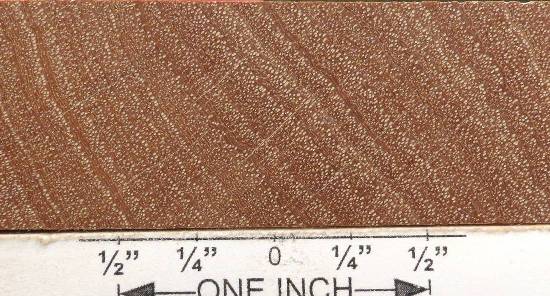
end grain and end grain closeup of the piece directly above
both sides of a sample plank of pyinma / Lagerstroemia speciosa --- HUGE enlargements are present. This sample was loaned to me by David Clark whom I thank for this and other contributions to the site.
end grain and end grain closeup of the piece directly above
both sides of a sample plank of pyinma / Lagerstroemia macrocarpa --- HUGE enlargements are present. This sample was loaned to me by David Clark whom I thank for this and other contributions to the site. This was sold to David as crapemyrtle, but it is a Lagerstroemia that uses both names and it actually belongs with the pyinma. The end grain characteristics are very unlike the Lagerstroemia's that are properly called crapemyrtle but are exactly like those that are properly called pyinma.
end grain and end grain closeup of the piece directly above
both sides of a sample plank of pyinma (Loudon's crapemyrtle) / Lagerstroemia loudonii --- HUGE enlargements are present. This sample was loaned to me by David Clark whom I thank for this and other contributions to the site. Although this was sold to David as Loudon's crapemyrtle, it is really one of the Lagerstroemia's that is more properly called pyinma. The end grain characteristics are very unlike the Lagerstroemia's that are properly called crapemyrtle but are exactly like those that are properly called pyinma.
end grain and end grain closeup of the piece directly above
moistened plank pic contributed by Todd Levy --- thanks, Todd.
web pics:
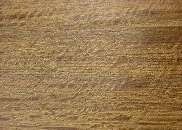
plank --- not listed as curly, but it clearly is
scales --- not listed as curly but they clearly are
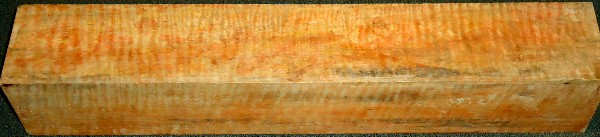
curly pyinma planks, all from the same vendor. Both levels of enlargement are present
curly planks
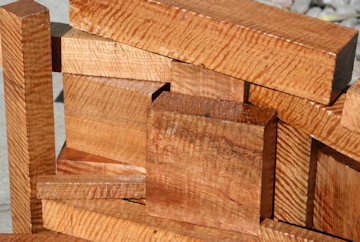
curly turning sticks listed as pyinma / African satinwood, but I have never seen the "African satinwood" designation used for this wood anywhere else, so I assume that either this vendor is mistaken about the name one way or the other (it looks a little like some African satinwoods, but more like pyinma). I think perhaps he meant "Asian" satinwood, which IS one of the common names for this wood.
curly turning stock listed as pyinma / Asian satinwood
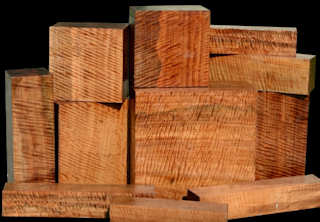
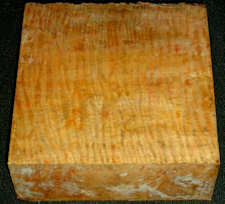
curly pyinma bowl blanks
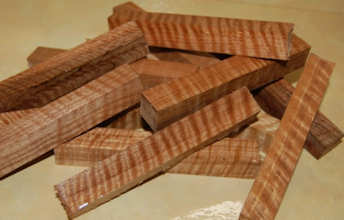
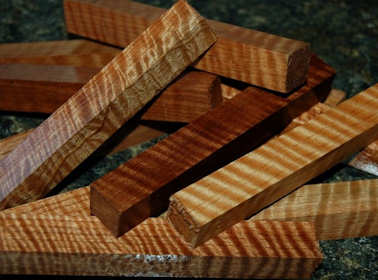
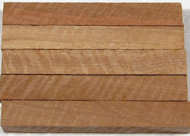
curly pyinma pen blanks
pen blanks and turning stock --- not listed as curly but they do seem to have a fair amount of curl
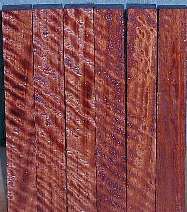
curly pen blanks, moistened and from a vendor whose pics tend to make all woods look purple whether they are or not.
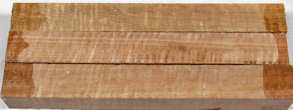
turning stick and pen blanks both listed as Asian satinwood / Lagerstroemia spp.
turning stock listed as curly Asian satinwood and presumably moistened for the pic
turning stock listed as Cambodian satinwood, obviously curly although not listed as such
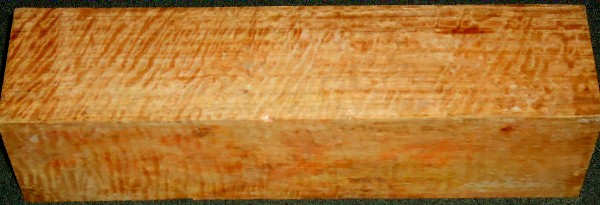
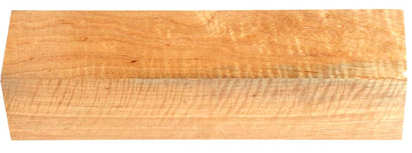
curly turning stock, waxed
curly turning stock
curly peppermill blank
bowl blank, waxed, listed as figured, but the "figure" seems to be "curly"
figured plank, moistened
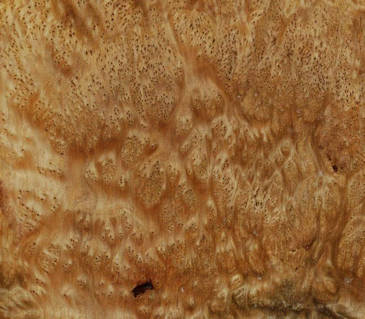
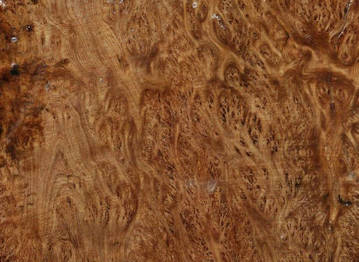
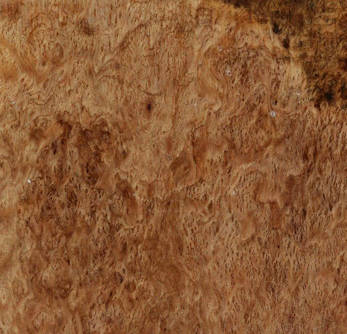
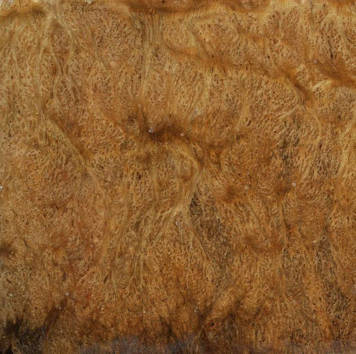
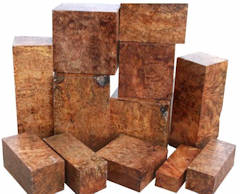
pyinma burl
waxed pyinma burl turning stock, all from the same vendor, all slathered in wax, and all with HUGE enlargements present in which you can see the burl pattern better


%201a%20s25%20plh.jpg)
%201b%20s25%20plh.jpg)
%201%20end%20grain%20s25%20plh.jpg)
%201%20end%20grain%20closeup%20s25%20plh.jpg)
%201%20end%20grain%20closeup%202%20s25%20plh.jpg)
%201a%20s25%20plh.jpg)
%201b%20s25%20plh.jpg)
%201%20end%20grain%20s25%20plh.jpg)
%201%20end%20grain%20closeup%20s25%20plh.jpg)
%201%20end%20grain%20closeup%202%20s25%20plh.jpg)



%20figured%20s50%20web.jpg)
%20curly%201%20bc%20web.jpg)
%20curly%202%20bc%20s50%20web.jpg)
%20(lagerstroemia%20spp)%201%20web.jpg)
%20pen%20blanks%20(lagerstroemia%20spp)%20web.jpg)
%20curly%201%20s50%20web.jpg)
%201%20s50%20web.jpg)
%20vase%201%20web.jpg)