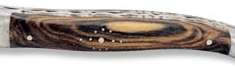
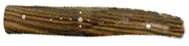
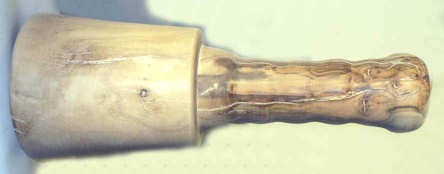
Pistacia vera of the family Anacardiaceae, the cashew family
NOTE: This page originally contained only American pistachio but now also contains Chinese pistachio / Pistacia chinensis
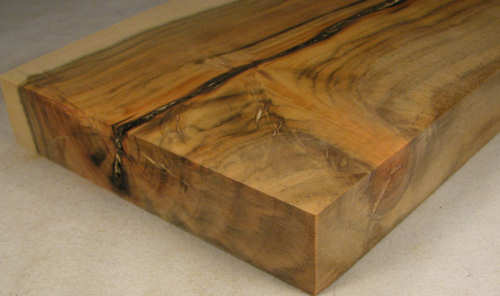
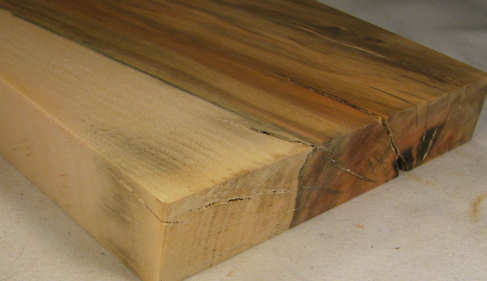
This is a small tree, primarily a producer of nuts and is normally only available in small sizes for turning, not as lumber. The cracks in a couple of my own samples show how difficult this wood can be to dry properly (no attempt was made on these, as they ARE cut-offs, but still, you see what I mean)
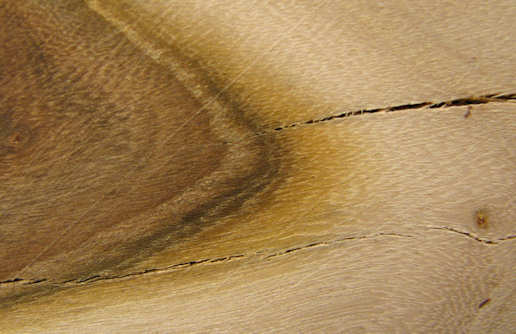
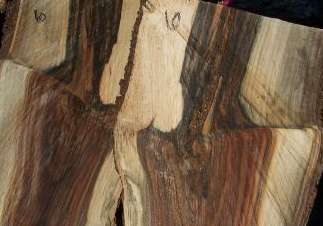
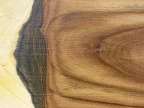
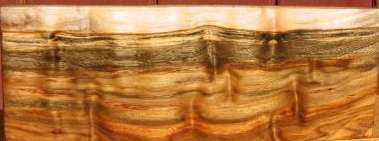
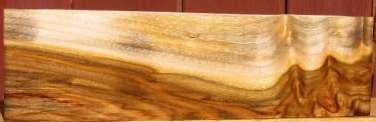
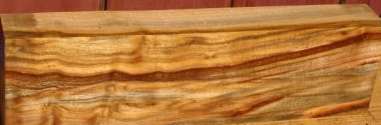
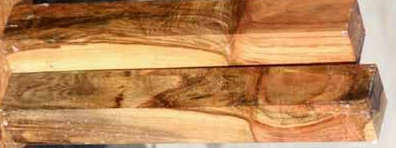
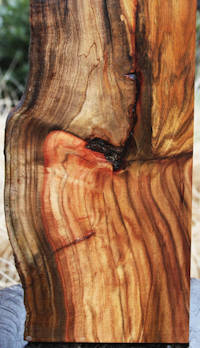
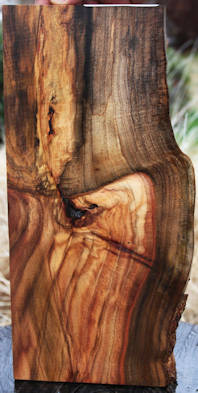
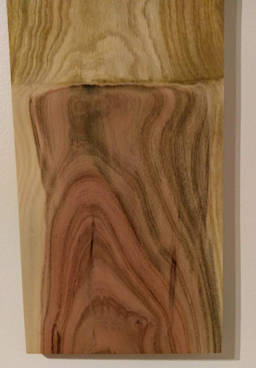
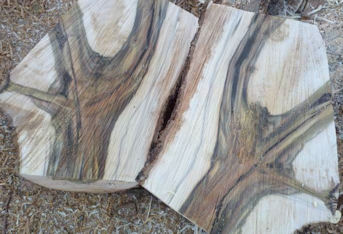
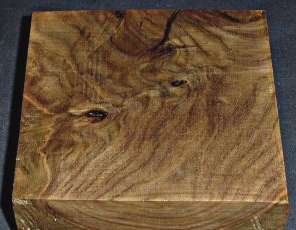
Pistachi is often grafted and the grafting can cause sudden and strange changes to the grain pattern of the wood, as you can see in the web pics below.
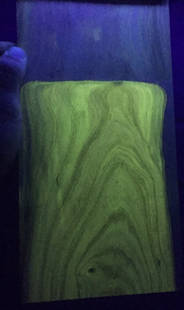
Pistachio heartwood is strongly fluorescent under a blacklight and shows a strong yellow/green much like black locust and coffeetree.
my samples: NOTE: these pics were all taken in very bright incandescent lighting ("soft white" at 2700K) colors will vary under other lighting conditions
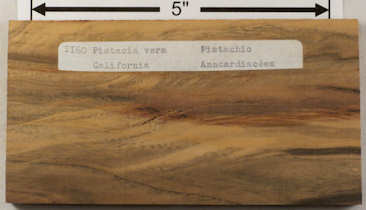
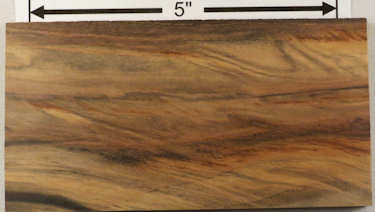
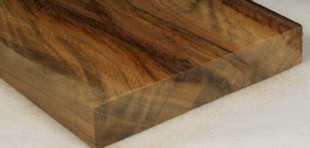
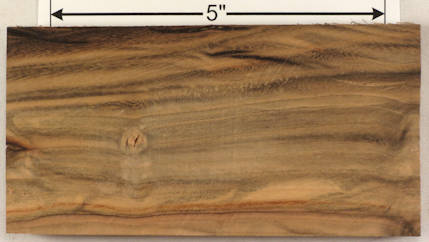
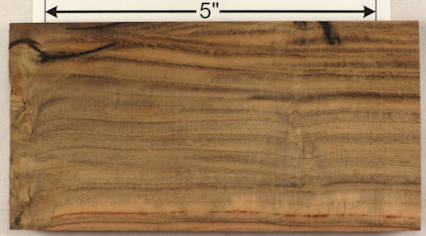
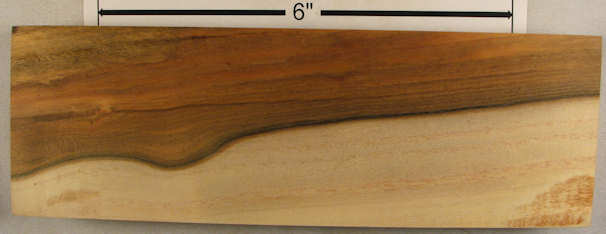
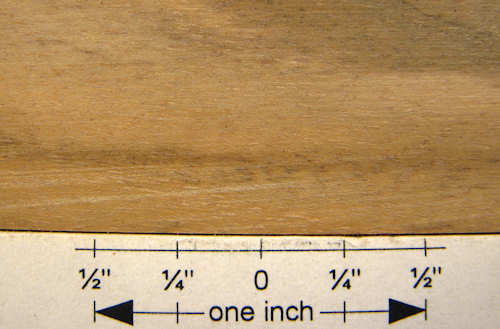
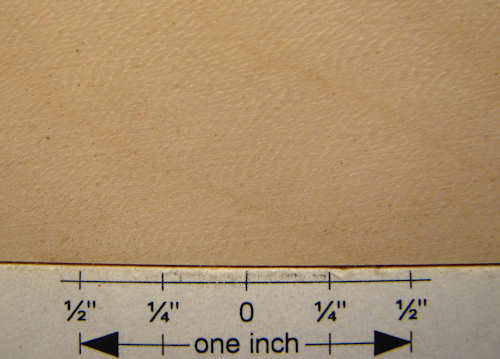
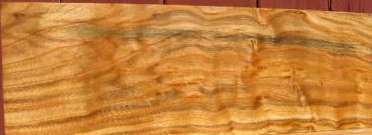
both sides of a sample plank of pistachio / Pistacia vera --- HUGE enlargements are present. This sample was loaned to me by David Clark whom I thank for this and other contributions to the site.
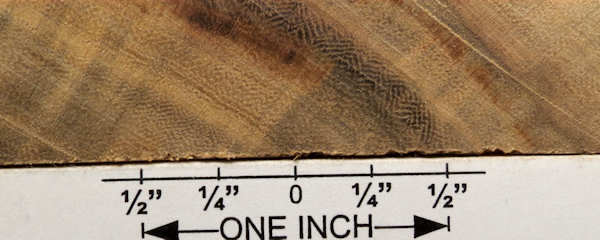
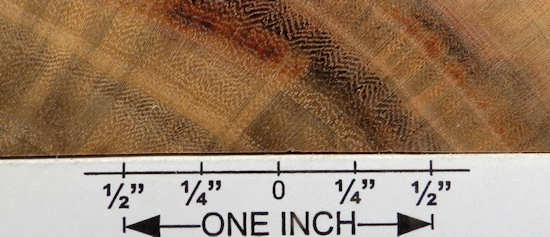
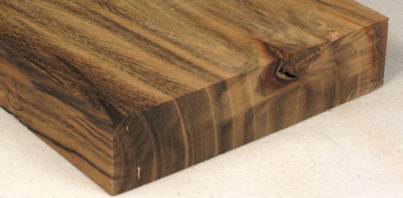
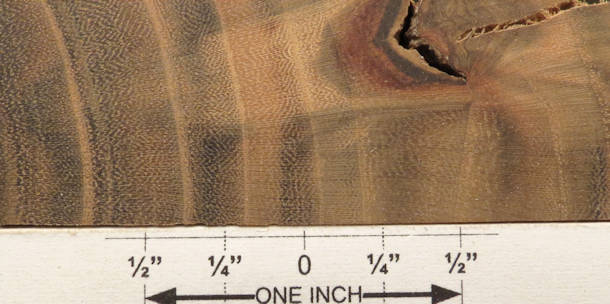
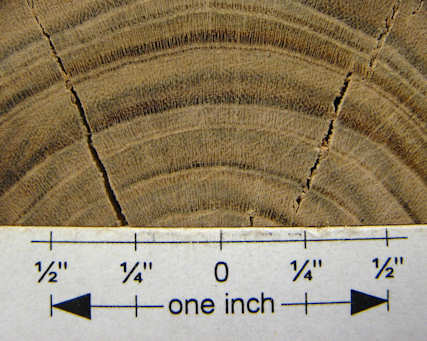
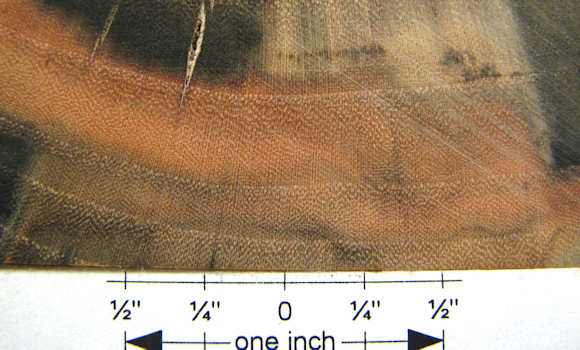
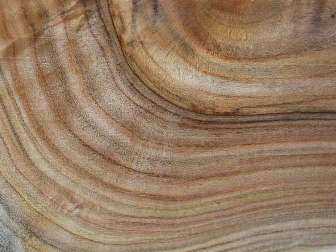
end grain and end grain closeup of the piece directly above
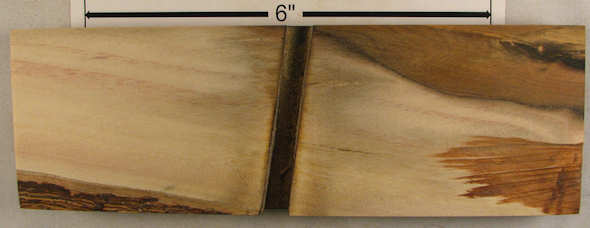
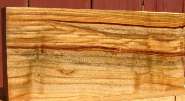
both sides of a sample plank of pistachio / Pistacia vera --- HUGE enlargements are present. This sample was loaned to me by David Clark whom I thank for this and other contributions to the site.
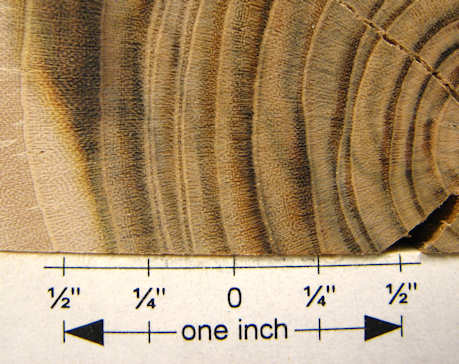
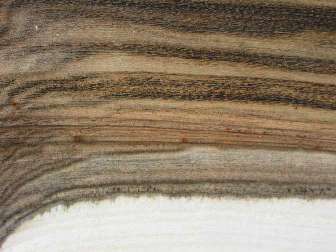
end grain and end grain closeup of the piece directly above
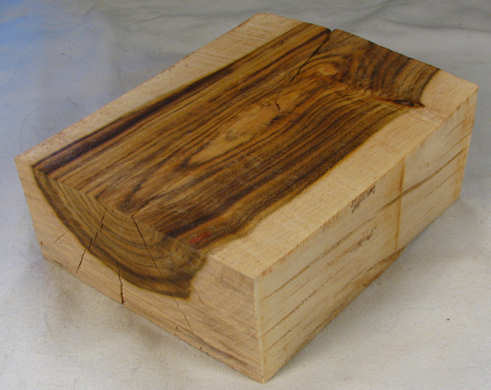
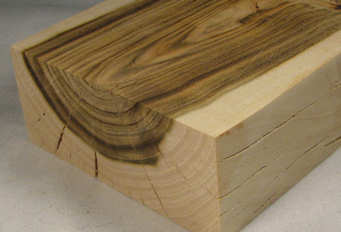
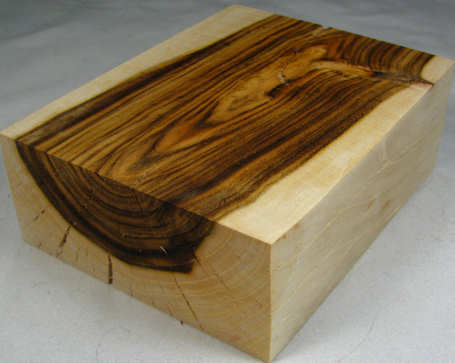
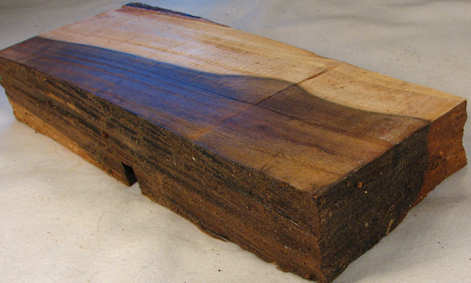
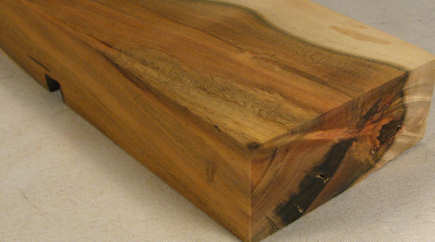
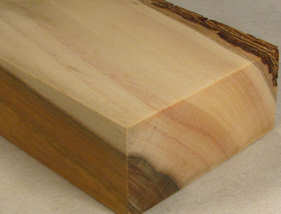
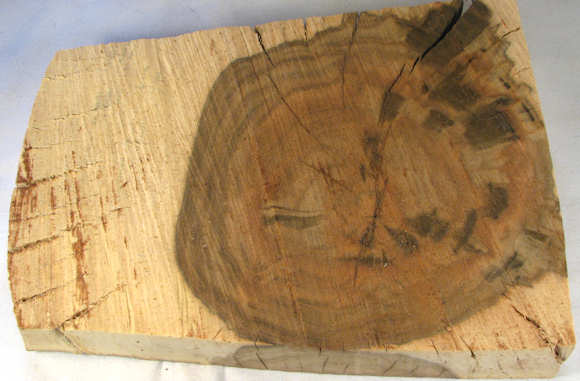
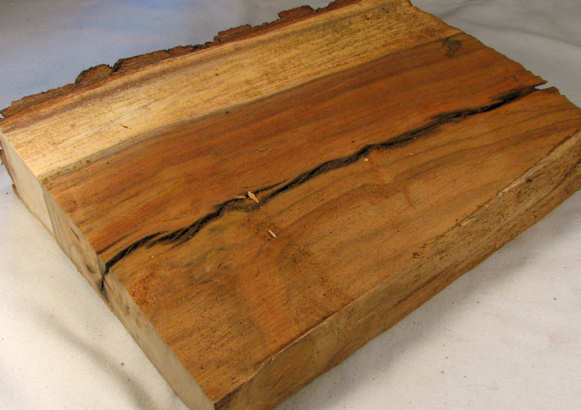
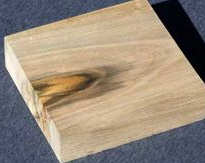
face and end grain of a chunk of Chinese pistachio / Pistacia chinensis --- HUGE enlargements are present. This chunk was loaned to me by Mark Peet whom I thank for this and other contributions to the site. The common name for this is actually "Chinese pistache" rather than Chinese pistachio. This piece has not been sanded so the color is just slightly more rich than it will be after sanding because there is a slight patina. The formal sample directly below was cut from this piece.
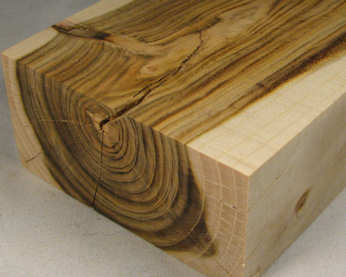
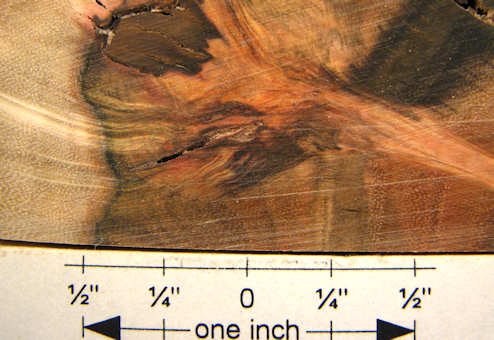
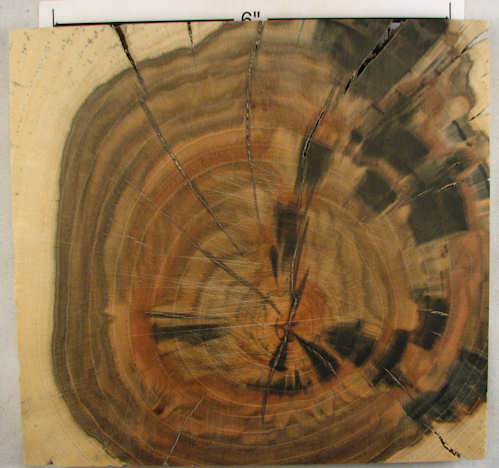
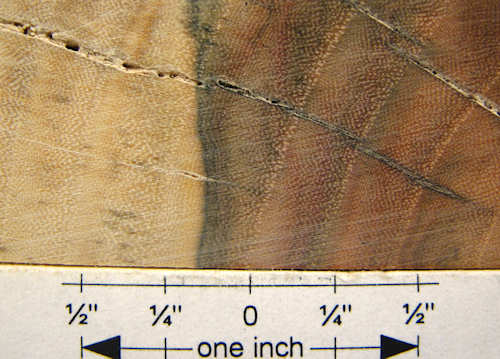
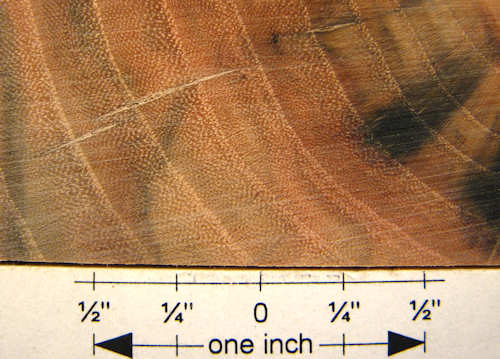
end grain closeup and END GRAIN UPDATE of the piece directly above
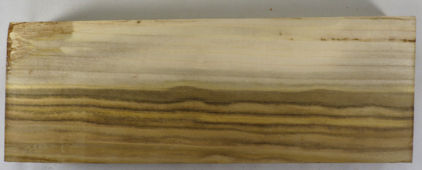
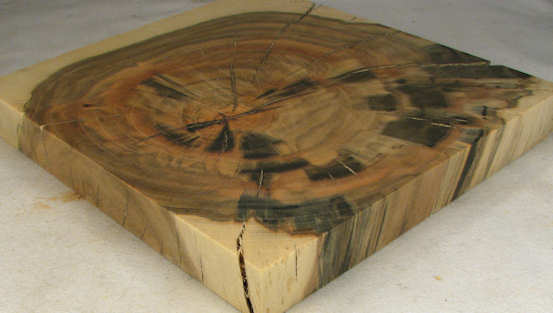
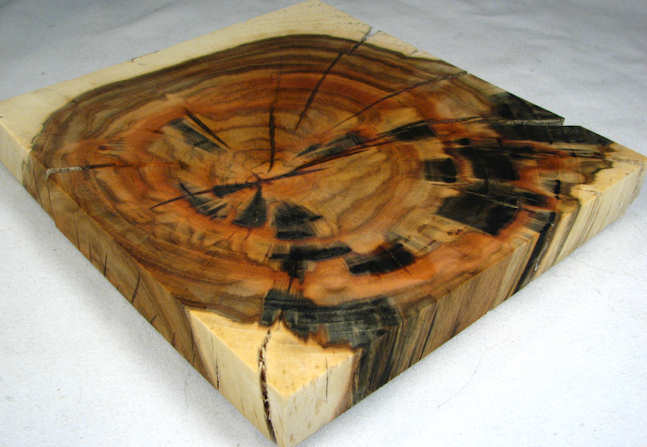
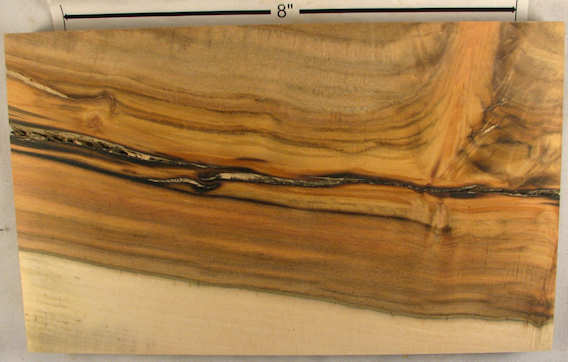
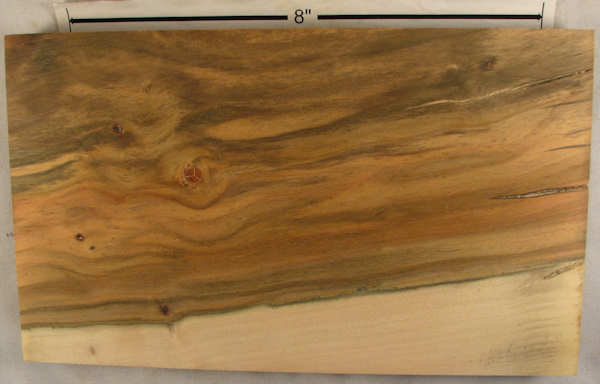
both sides of a sample plank of Chinese pistachio / Pistacia chinensis --- HUGE enlargements are present. This sample was contributed to the site by Mark Peet whom I thank for this and other contributions to the site. The faces on this piece have been freshly cut from the chunk directly above so the color is slightly lighter since the patina has been removed.
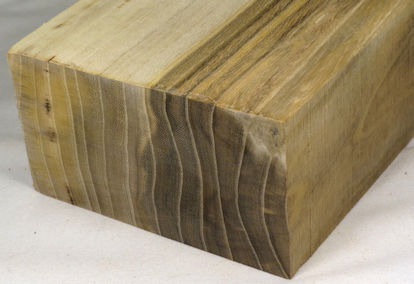
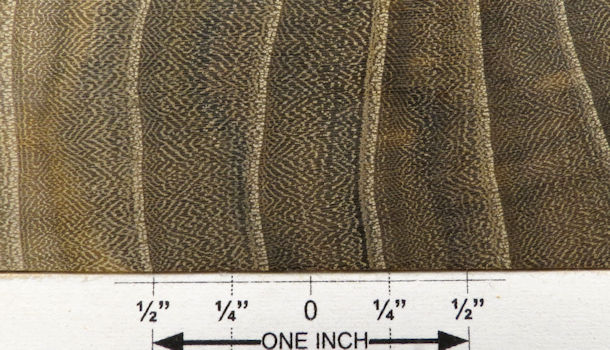
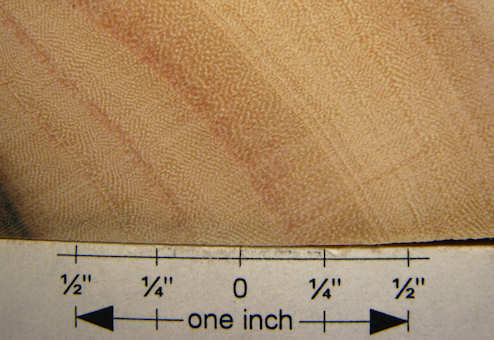
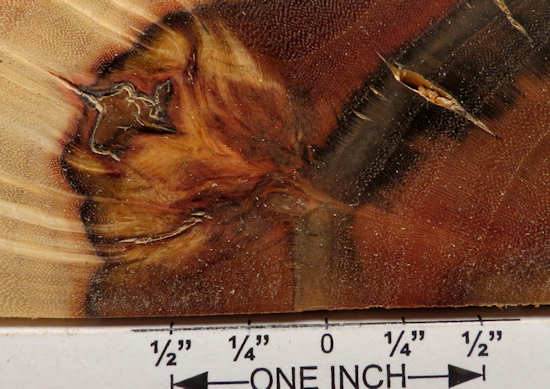
end grain and end grain closeup of the piece directly above
The remainder of the pics in this section of my own samples are all pics of four samples that were provided by
Kathy marshall, whom I thank for these and other contributions to the site
Just as an interesting side note, these pieces were sent from Arizona and after only 2 days in my relatively humid house, the cracks in all of the pieces had expanded noticibly.
both faces of sample piece #1
sample #1 --- the end grain when (1) the sample piece had not yet been sanded and still had an orange patina, and then (2) both ends after I had sanded it down, and then (3) one end with the piece moistened for the pic
end grain closeups of sample #1
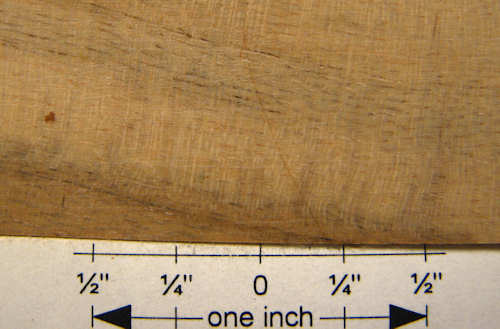
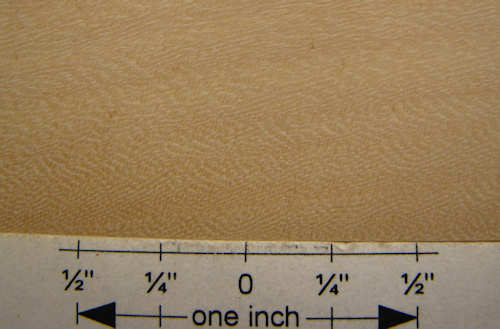
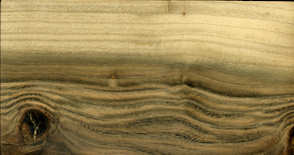
face grain closeups of sample #1
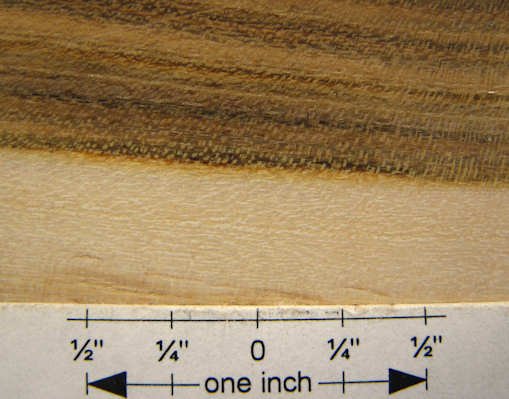
side grain closeups of sample #1
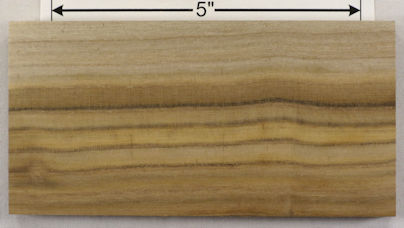
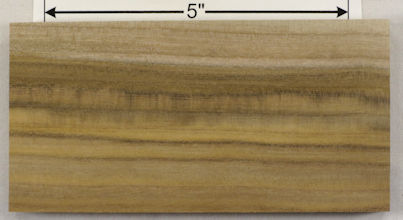
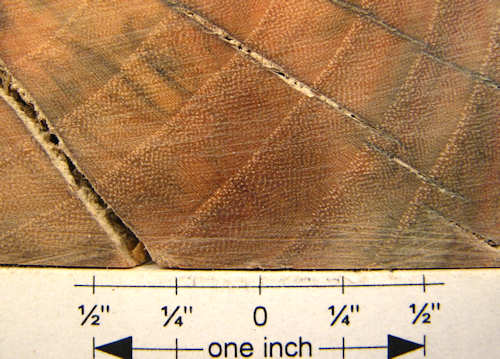
both faces of sample #2 --- the darker streaked section in the lower right of the lower pic is a set of saw marks, not figure in the wood.
sample #2 end grain while it still had a patina (before I sanded it down, which is how you see it in the pic below)
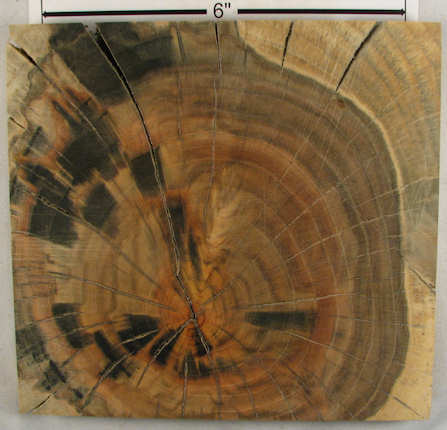
sample #3 (1) as I got it and then (2) after I had squared it up and sanded it and then (3) the sanded piece moistened for the pic. Note that since this is a trunk cross section, all of the pics are end grain shots
both ends of sample #3
end grain closeups of sample #3
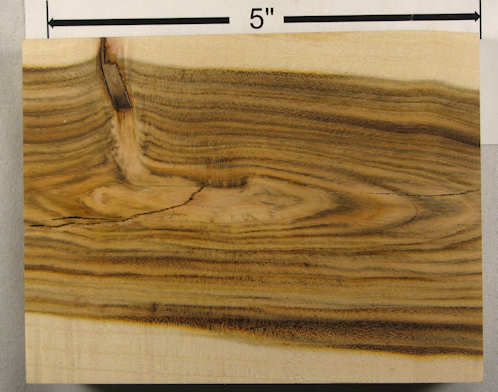
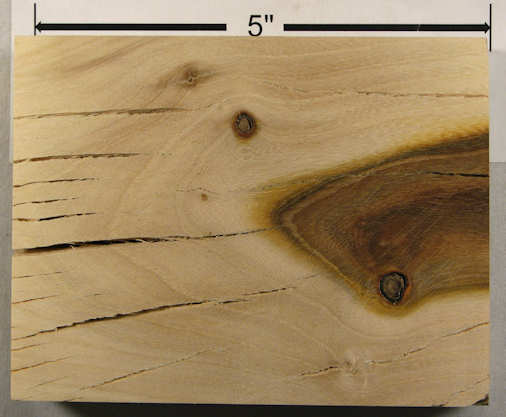
sample #4 --- the raw piece and then both faces after I had sanded it down.
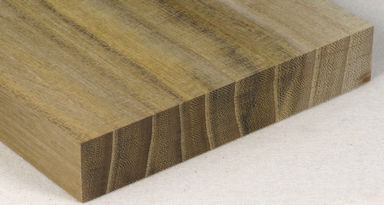
end grain shots of sample #4
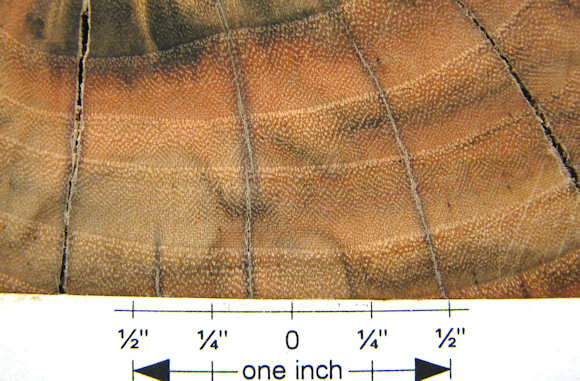
end grain closeups of sample #4
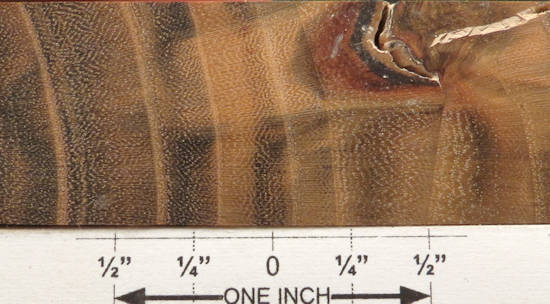
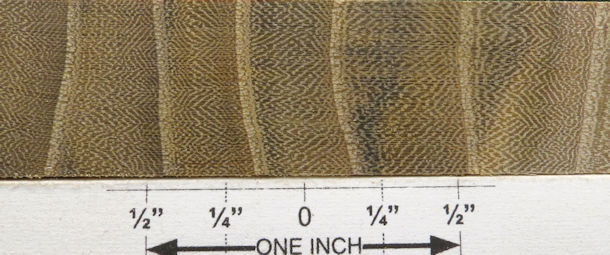
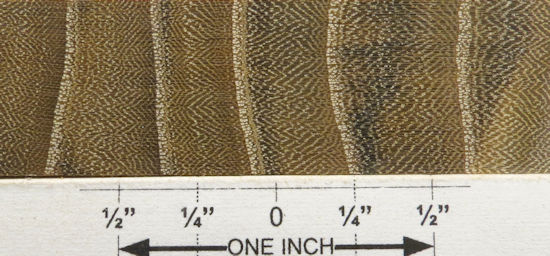
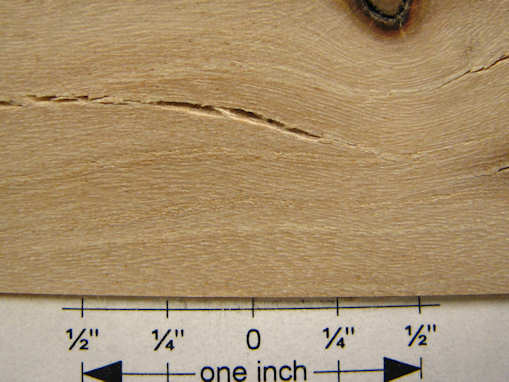
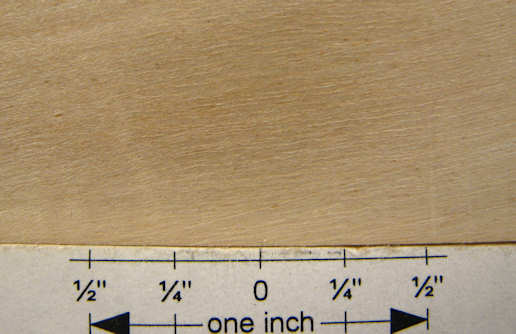
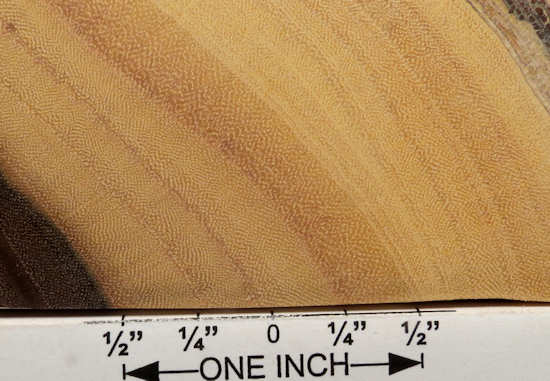
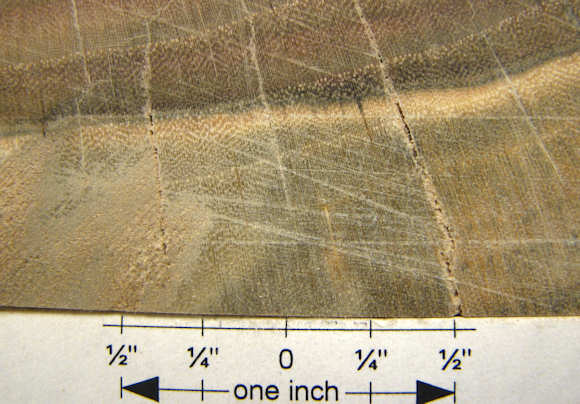
face grain closeups of sample #4
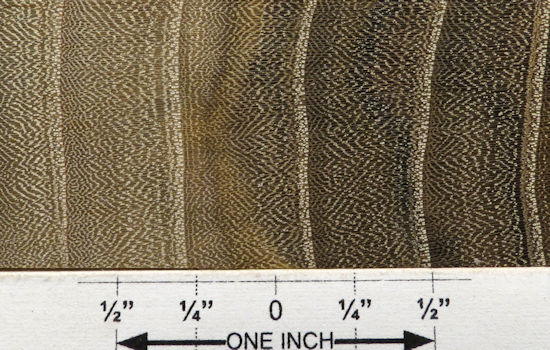
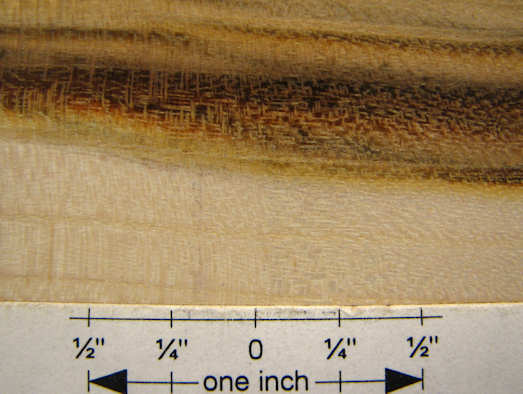
face grain closeup covering 2.5" of width in sample #4
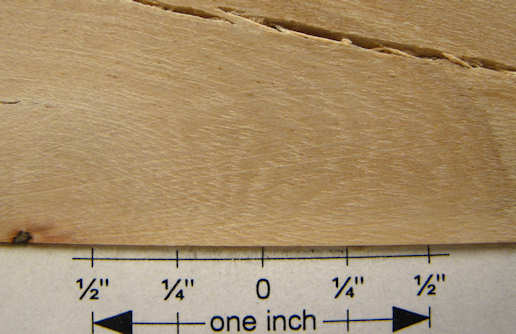
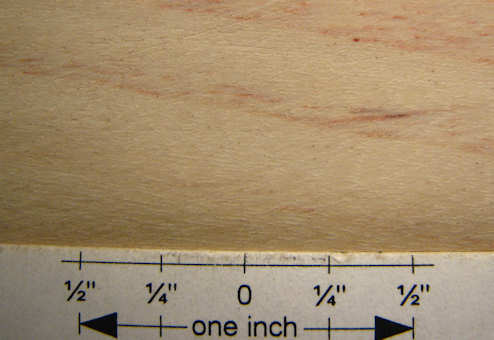
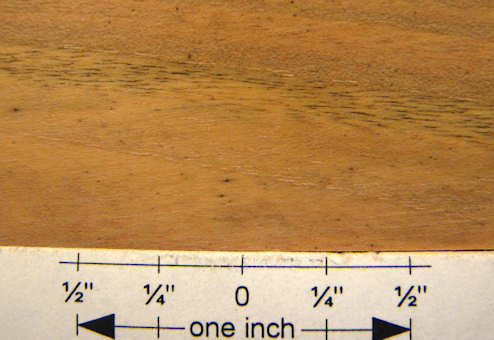
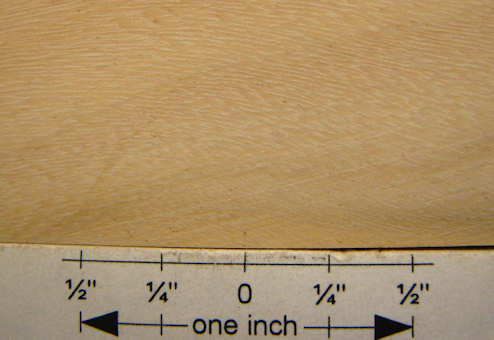
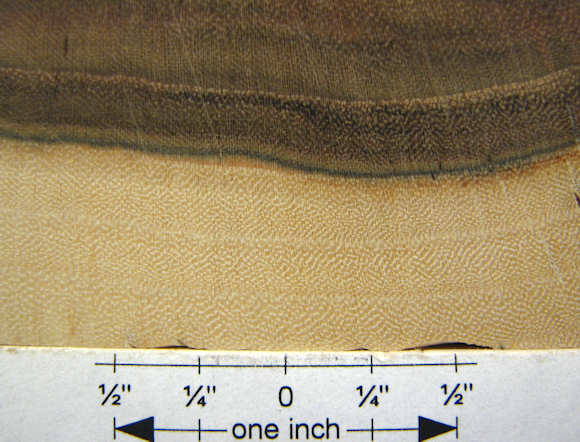
side grain closeups of samples #4
web pics:
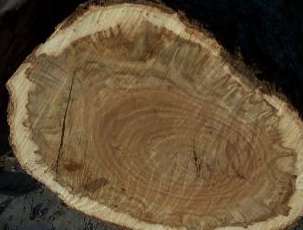
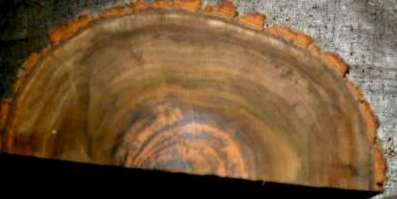
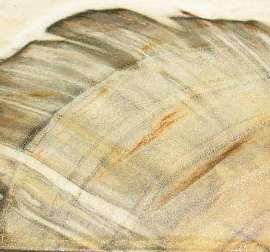
log cross sections
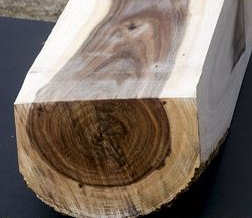
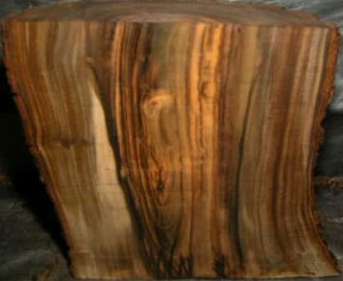
cant
log and cross section of it
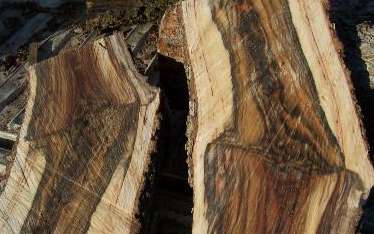
split logs showing graft lines
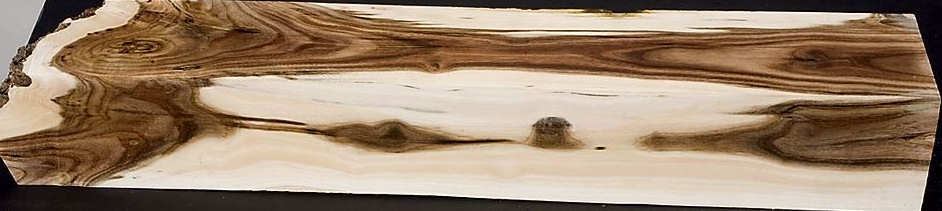
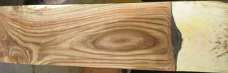
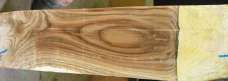
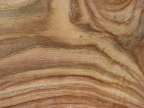
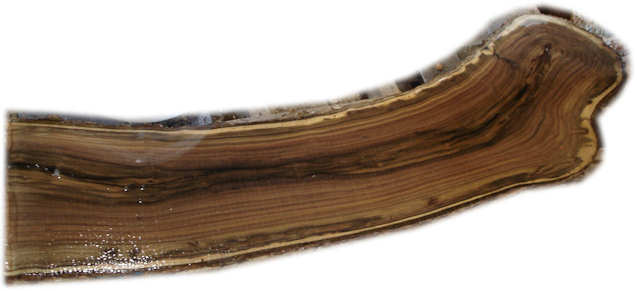
both sides and two closeups of a plank.
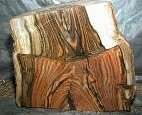
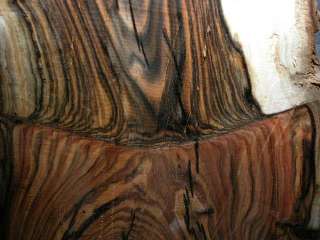
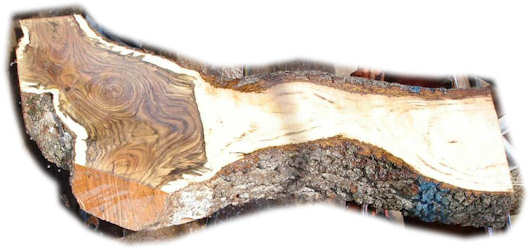
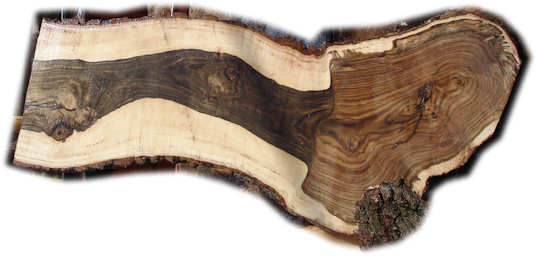
I may just be easily confused, but I can't for the life of me figure out how it is that what appears to be sapwood (the light tan area) seems to suddenly appear in the bole of the tree as opposed to the outer rim as would normally be the case. [LATER]: AHA ! It has been explained to me: this and other similar weirdly sudden changes in the grain structure of pistachio pieces occurs because this is a favorite tree for grafting and it is the point where the graft and the older wood mate up that shows what would otherwise be unexplainable grain changes. My thanks to Ira Matheny for that illimination.
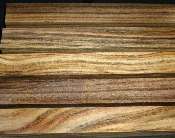
planks all from the same vendor
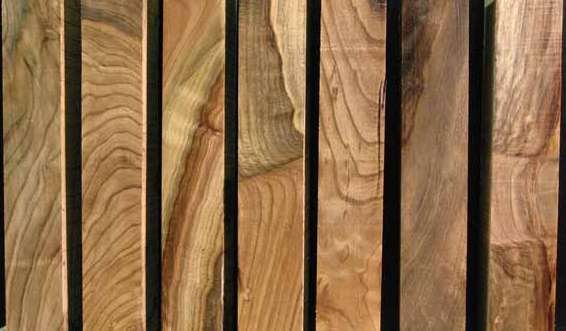
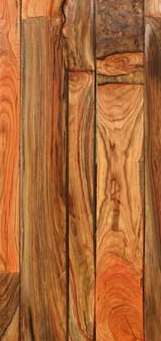
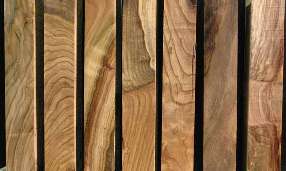
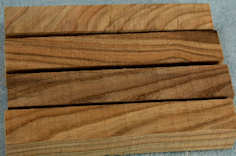
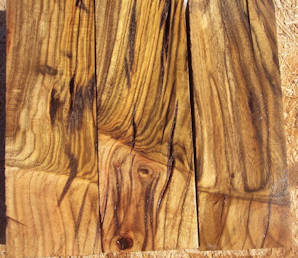
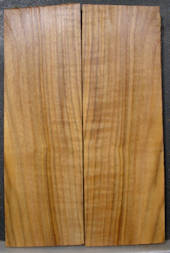
planks
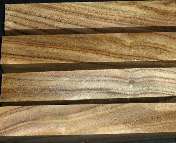
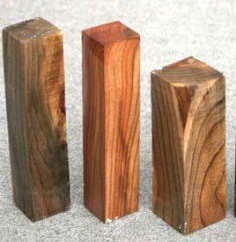
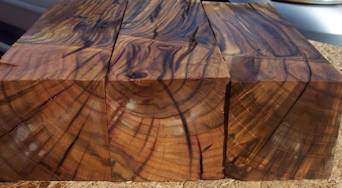
turning stock
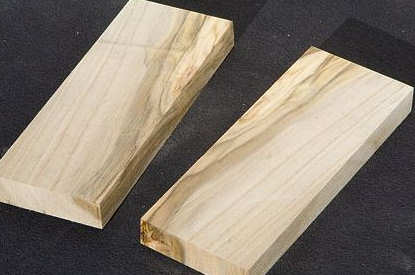
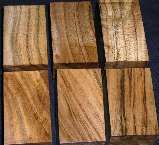
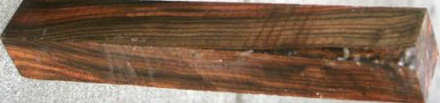
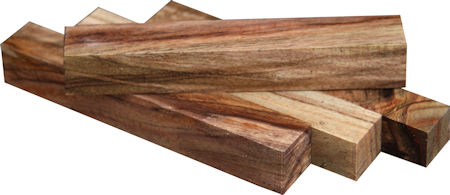
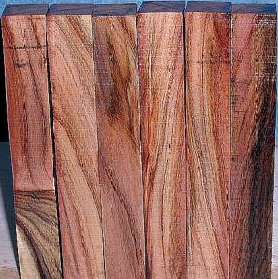
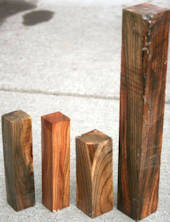
pen blanks
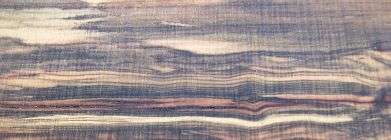
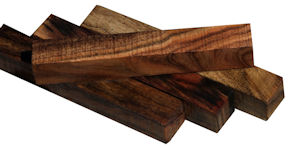
pen blanks that have been oiled and waxed and that are from a vendor whose pics tend to make most woods look purple regardless of what color the wood actually is.
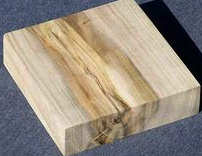
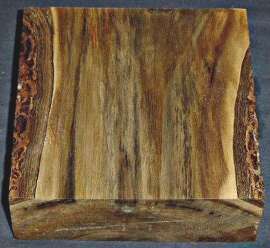
a turning block and a closeup of it, showing how grafting can cause sudden and strange changes to the grain pattern of the wood.
both sides of a slab showing the graft line
slab with graft line and then the same piece under UV
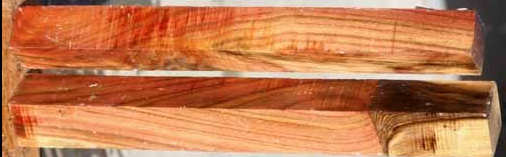
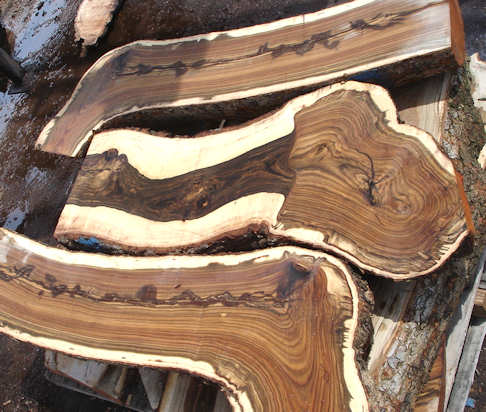
freshly cut slabs ... pics provided by Ira Matheny whom I thank for this and other contributions to the site. The upper slab in the first pic is the bookmatch of the slab in the 2nd pic. The last pic shows a very strong graft line. Some of these show very clearly how the demarcation line of heartwood from sapwood can suddenly go radial instead of the normal longitudinal.
slabs
bowl blanks
Two views of pistachio turning stock that was moistened for the pics
waxed pistachio turning stock
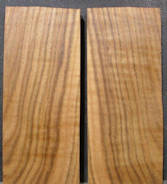
pistachio scales
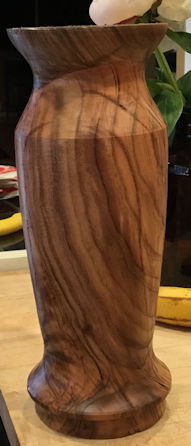
vase, turned and photographed by Rick Lowe who contributed this pic. Thanks Rick.
vase, turned and photographed by Rick Lowe who contributed this pic. Thanks Rick. Both levels of enlargement are present.
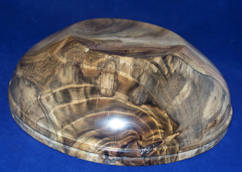
bowl with a color that is utterly absurd
rough turned bowl of Chinese pistachio / Pistacia chinensis, along with pics of the top and bottom under UV, showing the strong fluorescence that is typical of the heartwood. This bowl was turned and photographed by Steve Earis, whom I thank for this and other contributions to the site.
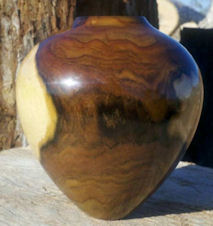
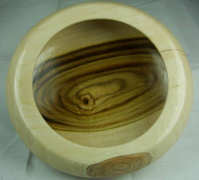
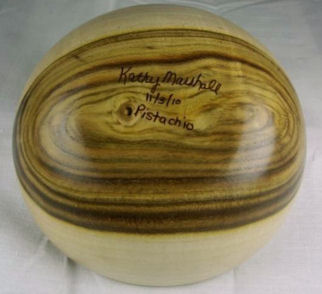
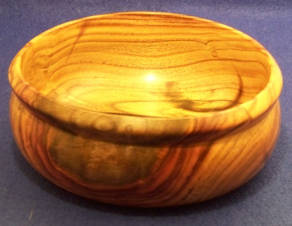
a vase and bowl, both by Kathy Marshall
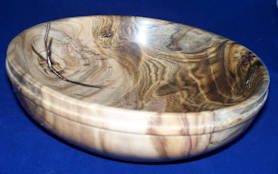
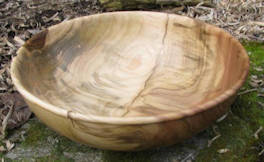
two views of a bowl
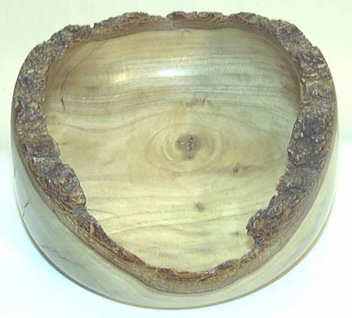
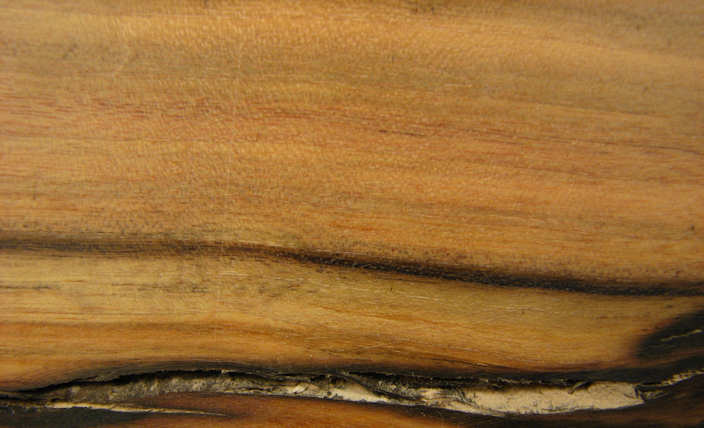
bowl make from a bole chunk taken right at the graft line
%20bowl%201%20top%20s25%20web.jpg)
%20bowl%201%20top%20uv%20s25%20web.jpg)
%20bowl%201%20bottom%20uv%20s25%20web.jpg)