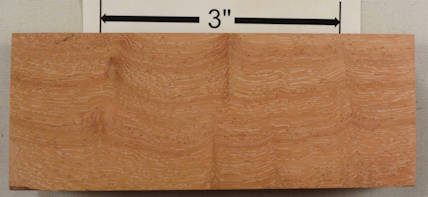
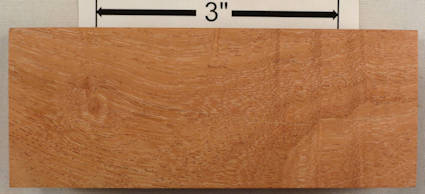
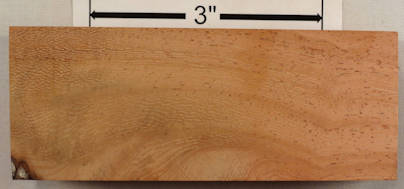
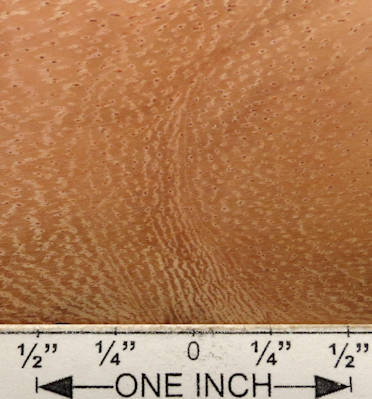
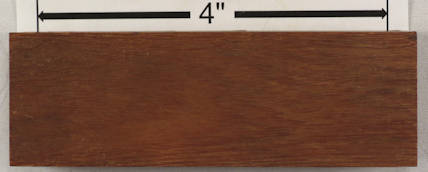
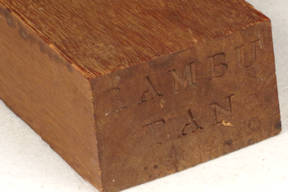
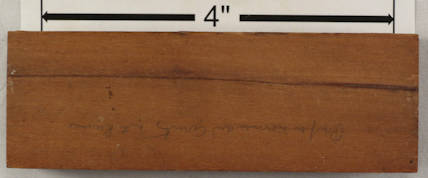
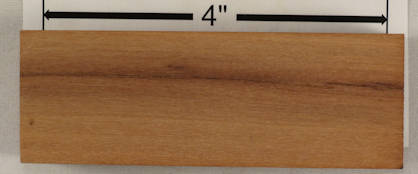
open main page here with limited thumbnails            open main page here with ALL thumbnails

MYSTERY WOODS


This section is where I put woods that I cannot identify. If you have a wood you would like to have identified, send me a picture and I'll put it here. The hope of course is that someone with knowledge of the wood will see the picture and enlighten the rest of us, by emailing me at:


I used numbers starting with 100, but there were a few holes, as noted. Those woods that have been identified can be seen in their respective pages. The pictures have been removed from this section, but an indication is left in stating what woods each one turned out to be. The pics that were removed from this page were placed in the appropriate wood pages.


my samples:

mystery wood 100 --- this number was not used

mystery wood 101 --- this number was not used

mystery wood 102 --- a light colored burl veneer that Alan Belski identified as madrone burl, which I confirmed by comparison with other madrone burl sheets.


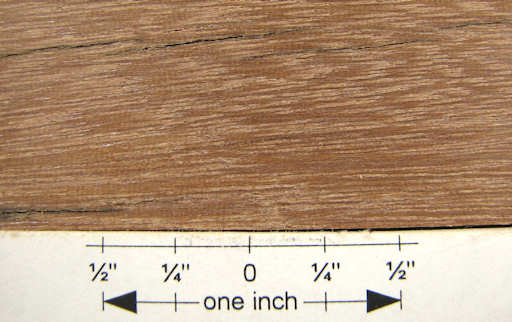
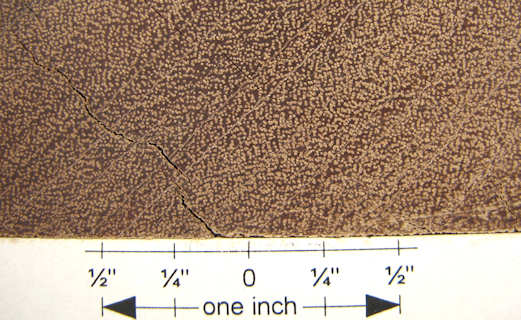
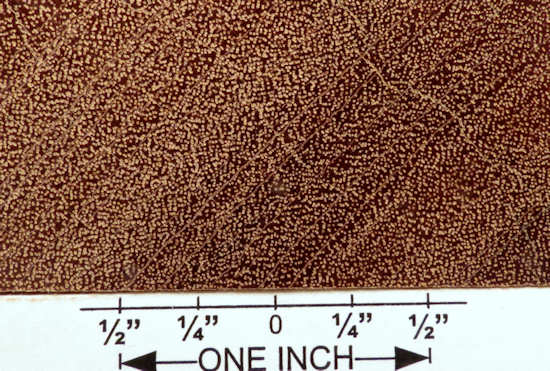
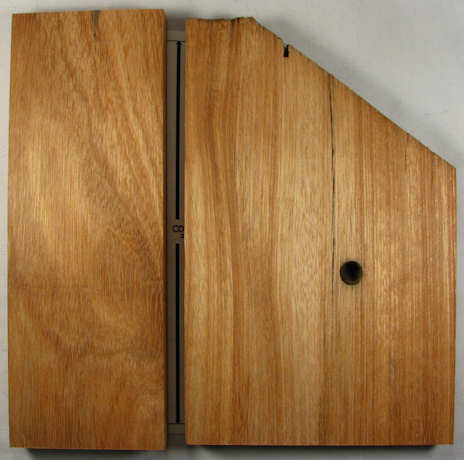
mystery wood 103 --- a burl veneer; James Wright sent pics of a maple burl that looks somewhat like this, but not close enough for me to believe that this is maple, mostly because the maple burl has pips in the center of the bumps, which this does not. Neal Kuwabara sent a pic of a poplar burl that is VERY close and I can believe that this is poplar burl, based on Neal's pic, but I am not 100% convinced of that identification because many burls look SO similar, consisting of bumps and swirls. Brian Harrington states unequivicably that this is madrone burl, as does Scott Grandstaff, but it doesn't look like any of the wide variety of madrone burl that I have on hand, so I'm not convinced. Correspondant Jean Turner reports that it is very like a piece of elm burl she has. SO ... the opinions are all over the map, and that's just how it is with some burls --- just too indeterminant in pattern to be reliably identified. Still ... the consensus, to the extent that there IS a consensus, is that this is probably madrone burl.

mystery wood 104 --- a veneer that I eventually identified as camphor burl

mystery wood 105 --- a veneer that I eventually identified as myrtle burl

mystery wood 106 --- a veneer that I eventually identified as quilted maple

mystery wood 107 --- this number was not used

Mystery wood 108 --- finally identified by several correspondants (Carla Kelly, Bill Fink, Steve Bartocci, and Cecilia Bonvillain) and myself all at about the same time, as verawood and can now be seen on that page
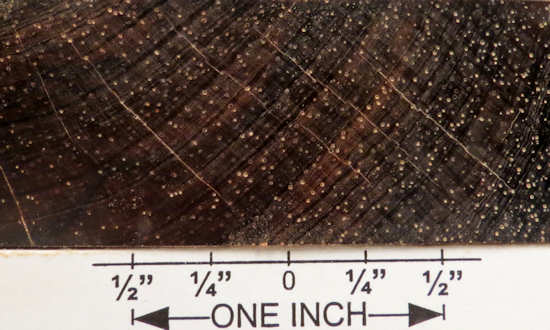
mystery wood 109 --- a small piece that was identified by Keith Weaver as partridgewood. Keith also sent a larger sample and both pieces are now shown on the partridgewood page.

mystery wood 110 --- a veneer identified by Tony Kouchakji as East Indian Rosewood burl.

mystery wood 111 --- a veneer that I eventually identified as kingwood (and felt really stupid that it took me so long to figure it out)
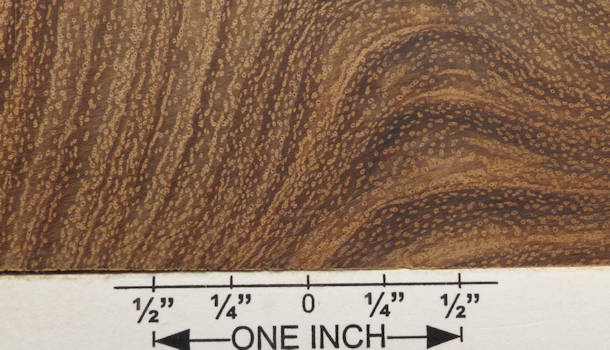
mystery wood 112 --- a weird figured veneer identified by Tony Kouchakji as what I have now seen advertised as "special figure" etimoe.


mystery wood 113 --- a burl veneer. It might be Chilean Laurel, but I'm not sure. One correspondant suggests maple and that's also a possibility.

mystery wood 114 --- a veneer identified by Steve Amato as kelobra

mystery wood 115 --- a veneer that I eventually identified as "quilted marbled pomelle figured" sapele

mystery wood 116 --- a veneer that I eventually identified as vavona (redwood) burl
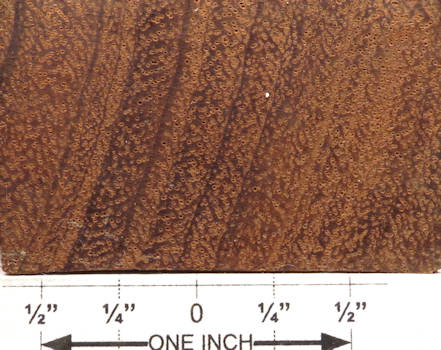
mystery wood 117 --- a veneer that I finally identified as fiddleback sapele.


mystery wood 118 --- a veneer; I don't believe this is a burl, although it has some of the swirly nature of burls. I came to believe that this is probably sapele with a loose quilt figure but Brian Harrington has identified it as definitely being either moabi or makore --- both are from the same family and they can look almost identical, so I doubt we'll get more definitive ID than moabi/makore. Bill Fink agrees that it's probably either moabi or makore (his experience also suggests sapele as a possiblity) and Bill has given me an anecdotal test for moabi but since it involves the destruction of some of my nose menbranes, I think I'll pass. :-)

mystery wood 119 --- a veneer that Brian Harrington identified this as cherry. After Brian did the ID, I had a "DOH!" moment, wondering why I had not seen that myself.

mystery wood 120 --- a veneer that I identified as louro preto

mystery wood 121 --- a veneer identified by Bill Mudry as red gum

mystery wood 122 --- some shots of the back of a fiddle that I thought might be maple (but I wasn't positive) and that was eventually identified by a helpful correspondant (guitar maker Anthony Ryder) as being European Maple (Acer Pseudoplatanus).


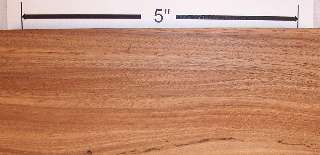
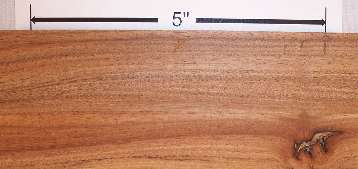
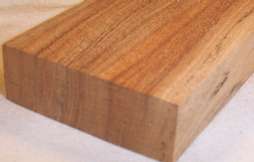
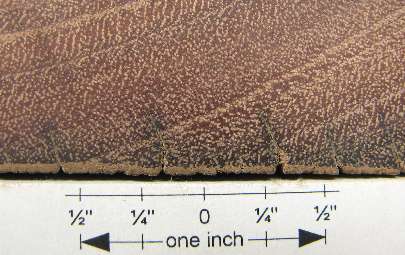
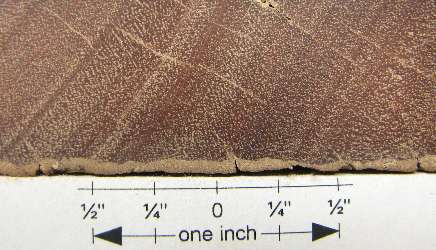
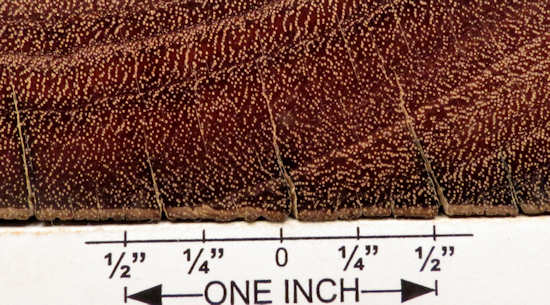
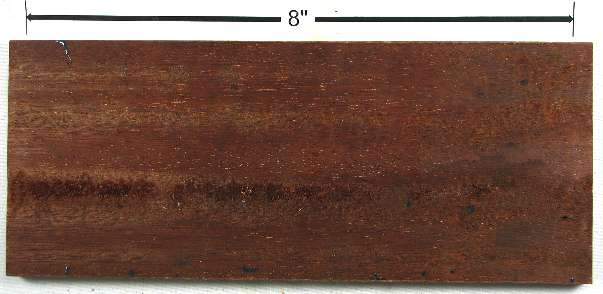
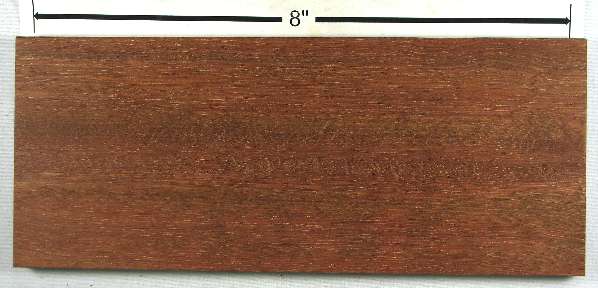
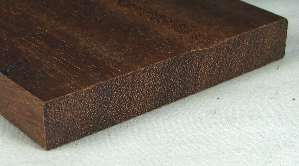
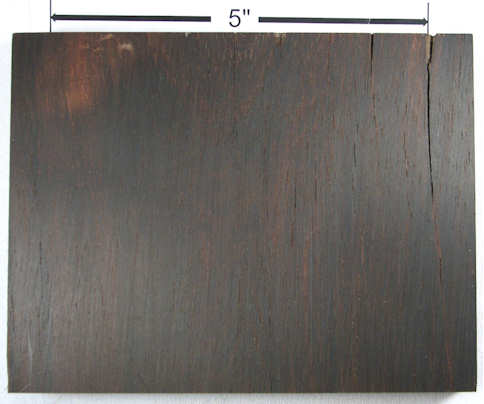
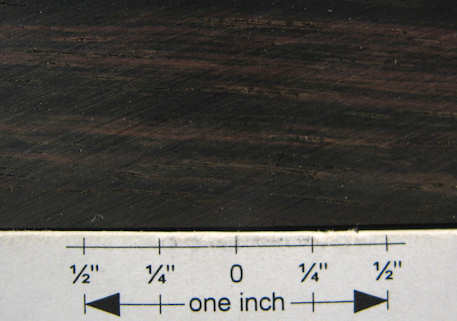
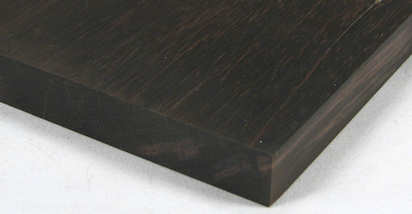
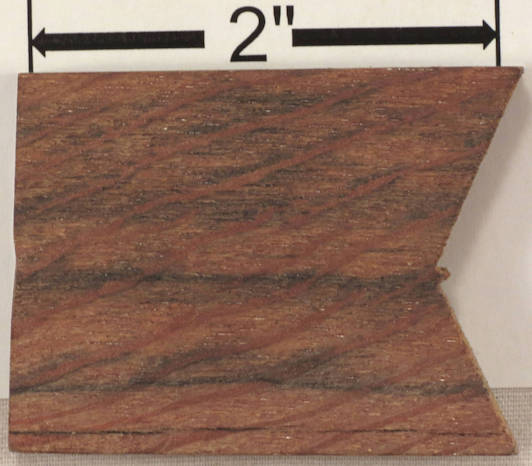
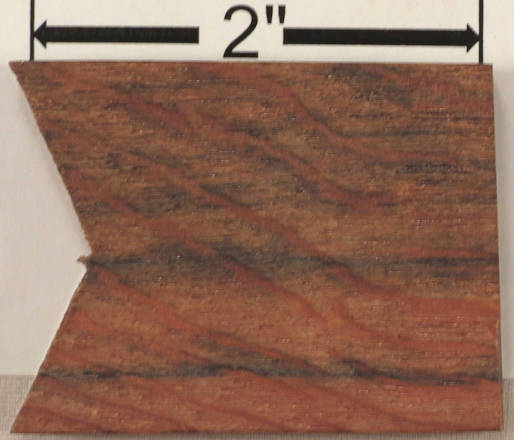
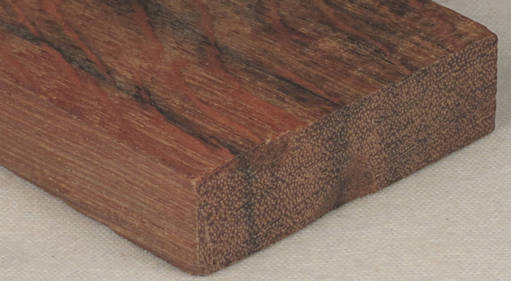
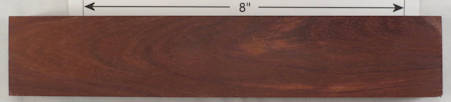
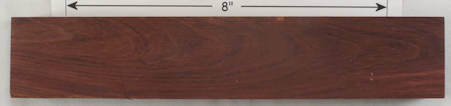
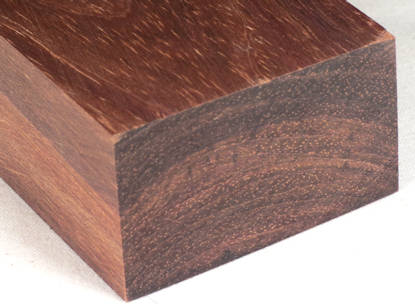
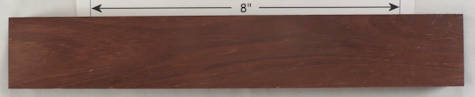
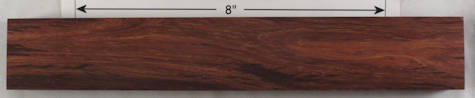
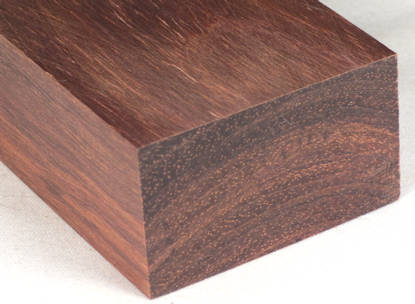
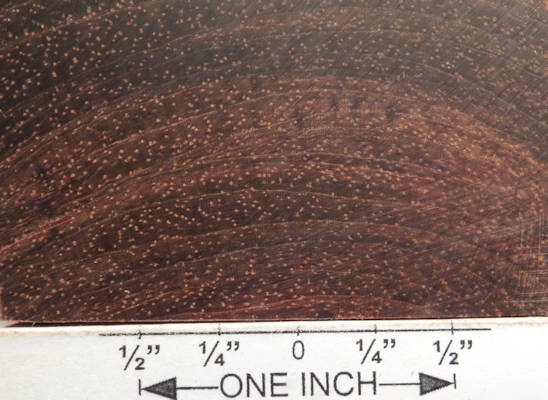
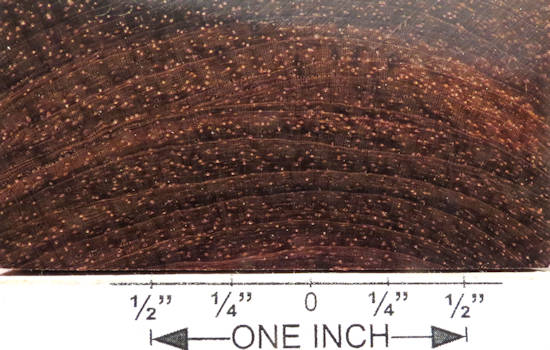
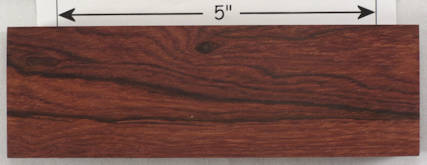
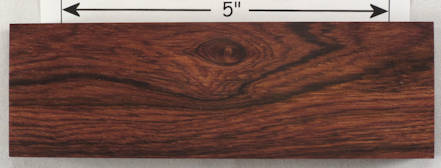
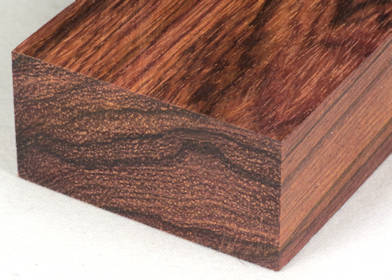
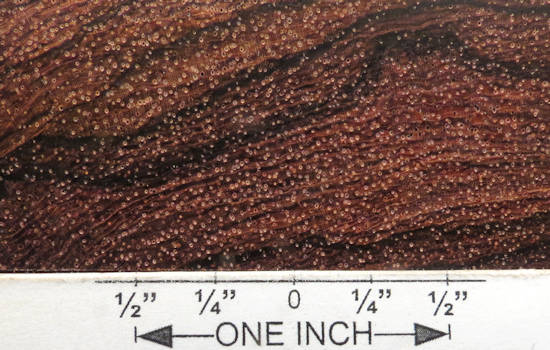
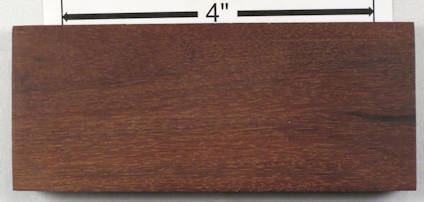
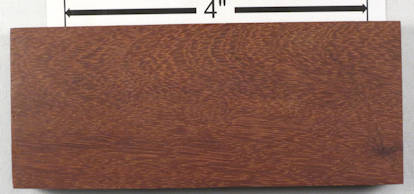
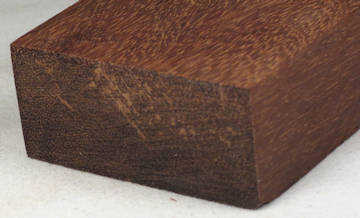
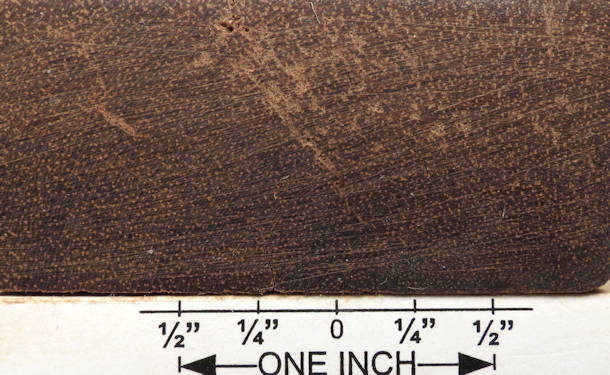
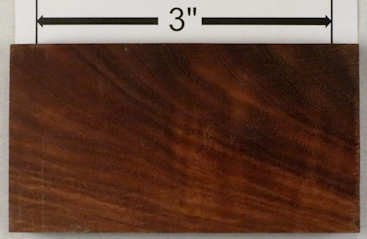
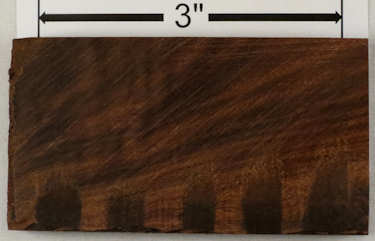
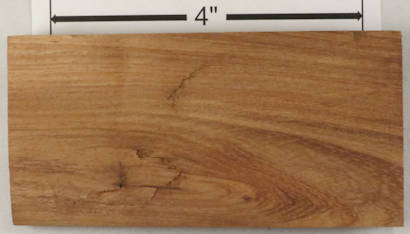
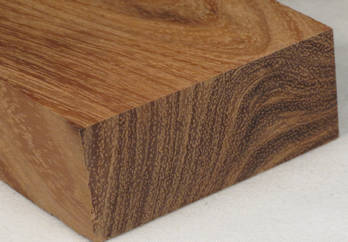
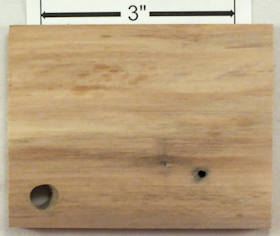
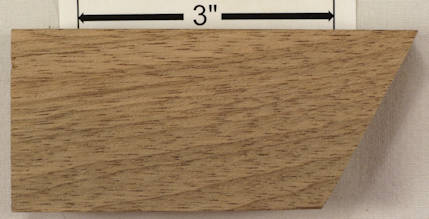
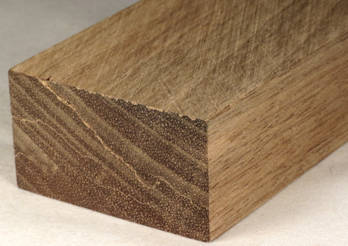
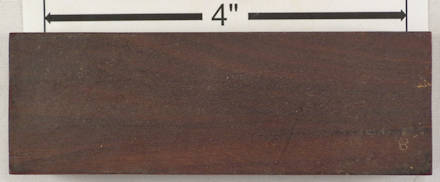
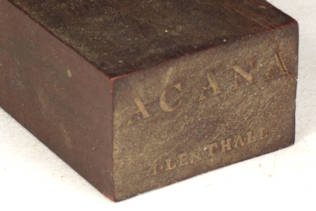
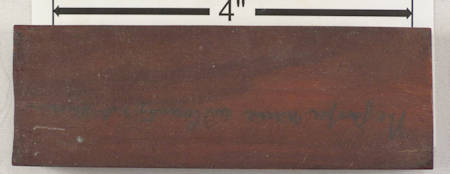
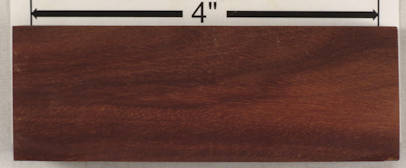
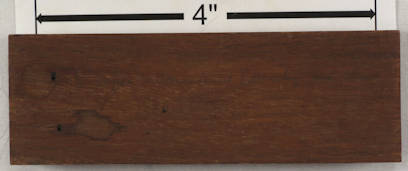
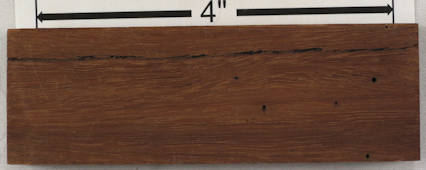
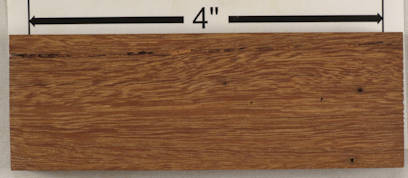
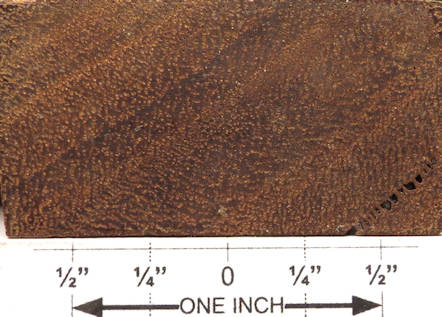
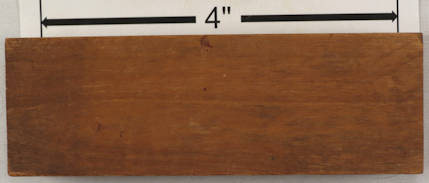
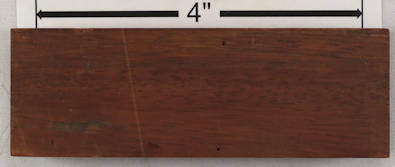
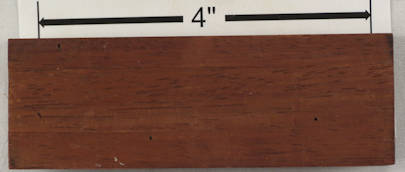
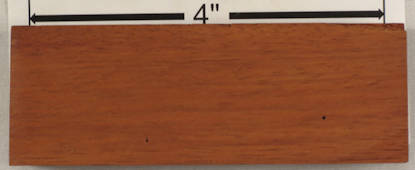
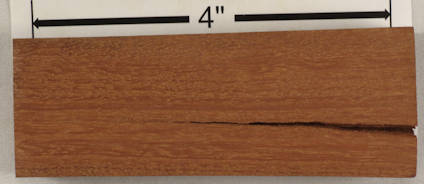
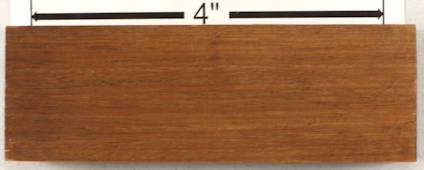
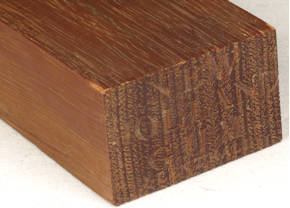
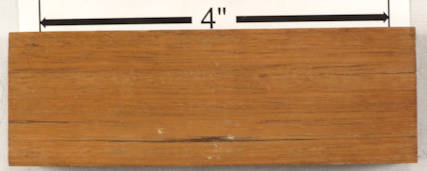
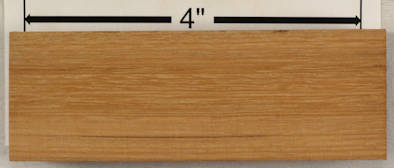
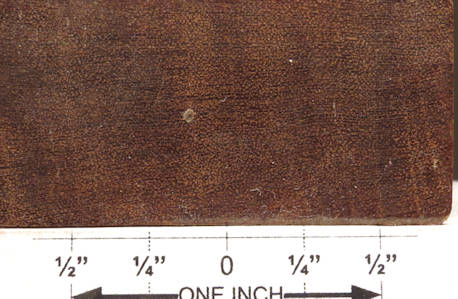
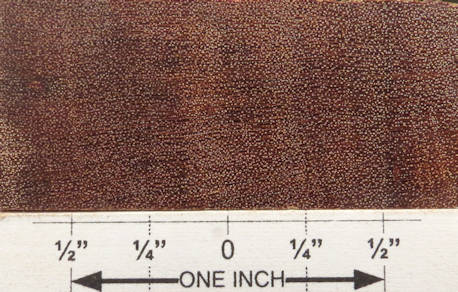
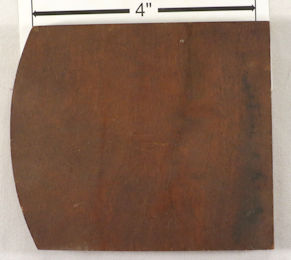
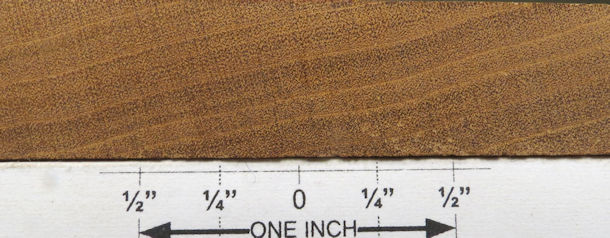
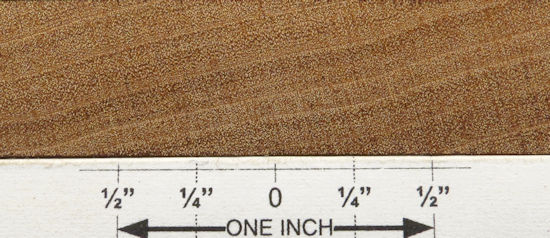
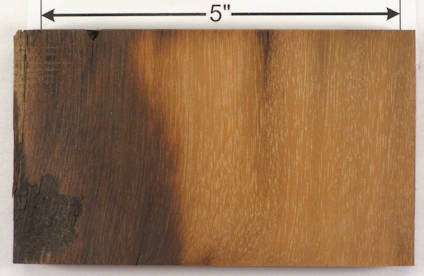
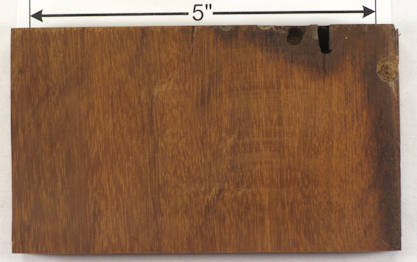
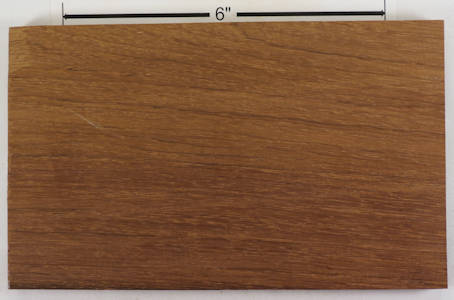
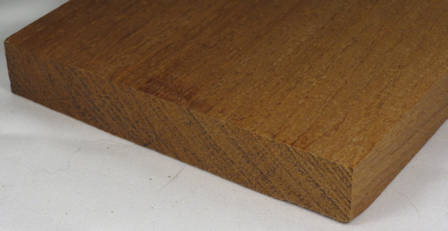
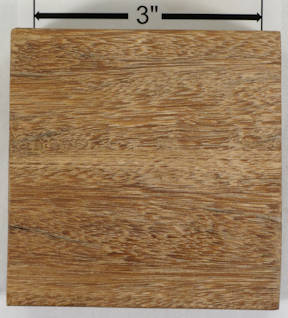
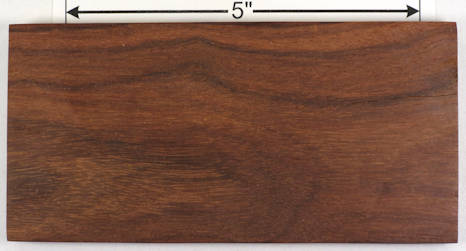
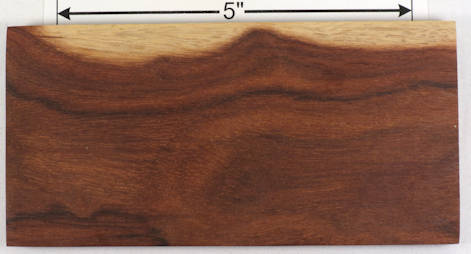
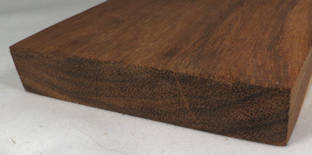
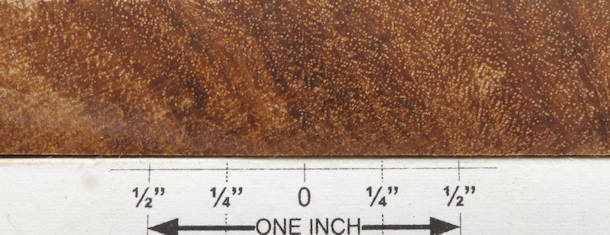
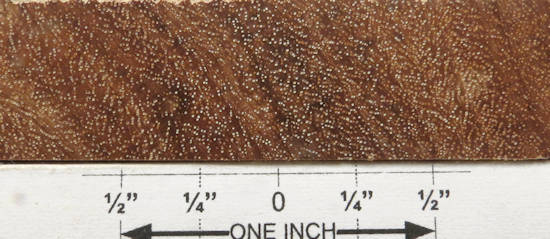
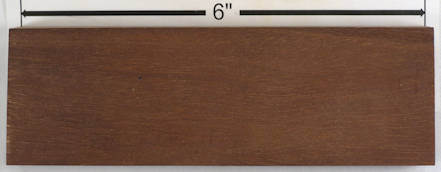
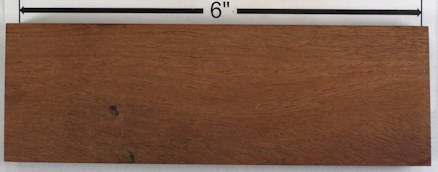
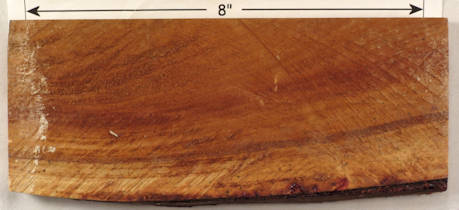
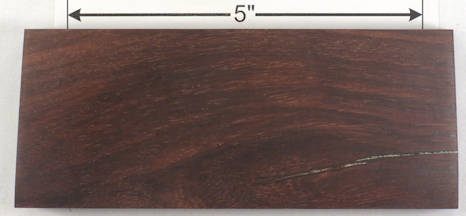
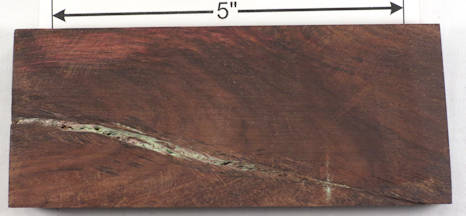
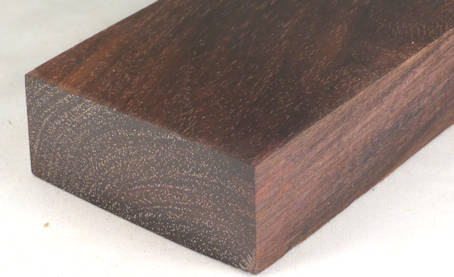
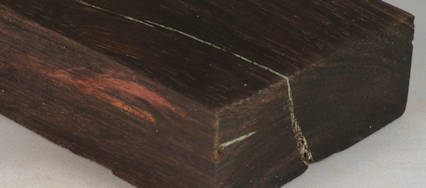
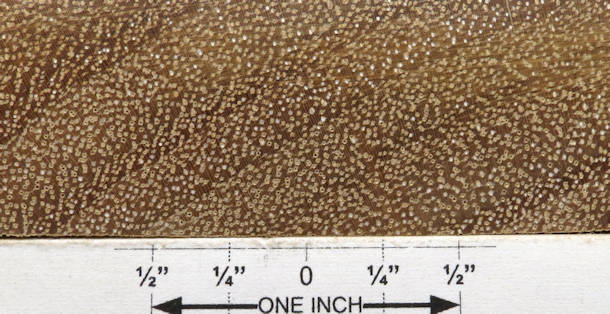
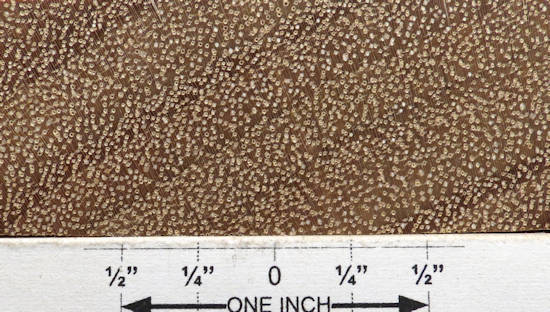
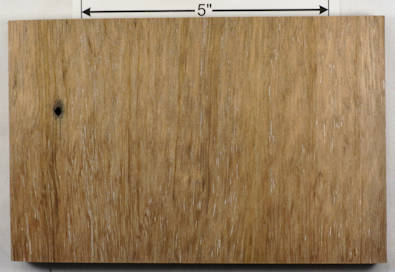
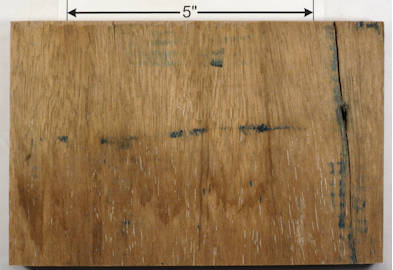
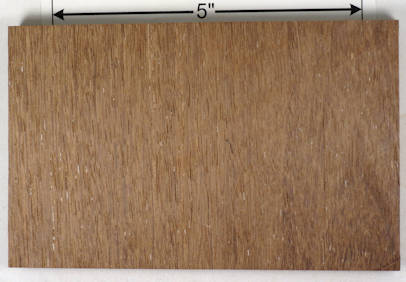
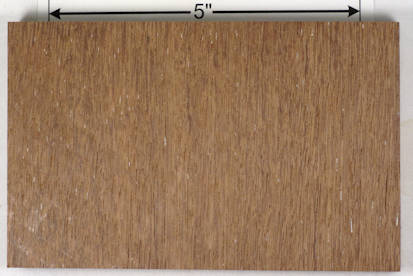
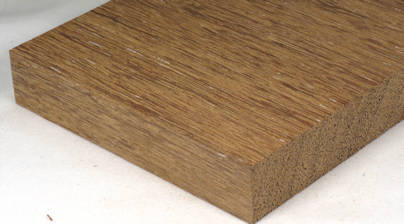
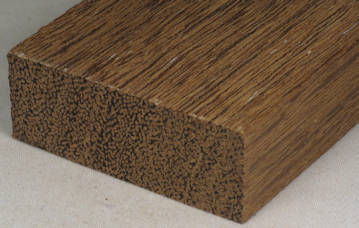
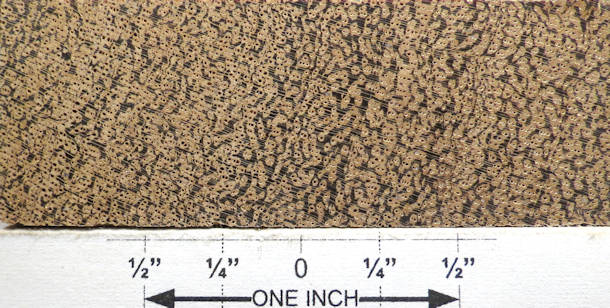
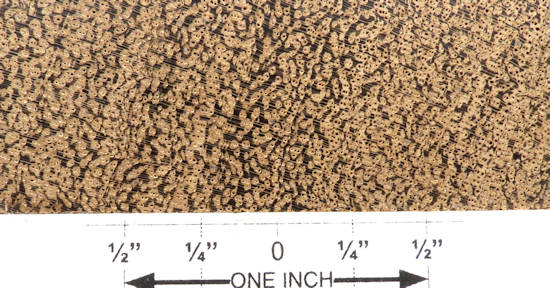
mystery wood 123 --- a wood from the Rio Grande Valley region of Texas. Both sides and the end grain are shown and you can tell pretty clearly that I sanded one side with a finer grit than the other, both because it reflects the flashbulb more and because the color is slightly richer. This is a hard, dense wood and clearly will take a high gloss when fine sanded (the sanding here is only to 100 grit).

One correspondant suggests it might be goncalo alves, and I find that a reasonable possibility, particularly since that wood grows in mexico. However, the wood seems to me to be noticibly more dense than any goncalo alves I've ever handled and the end grain closeup (see discussion below) suggests it is NOT goncalo alves. The same person suggested granadillo as another possibility, but I do not believe that to be likely. Yet another correspondant suggests either bulletwood or sapote but I'm not familiar with either of those, so can't say. Yet another correspondant suggested Texas ebony, saying that he is very familiar with Texas ebony and this appears to be it.


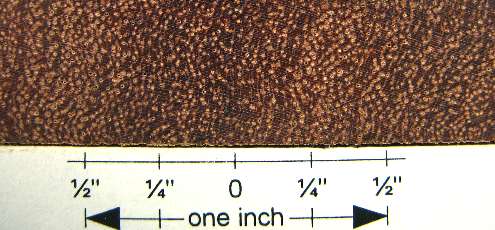
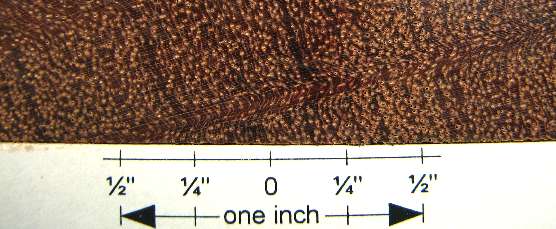
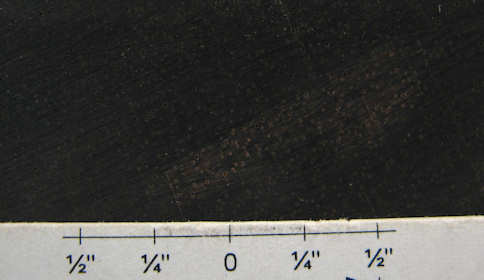
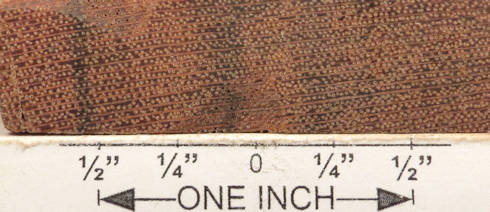
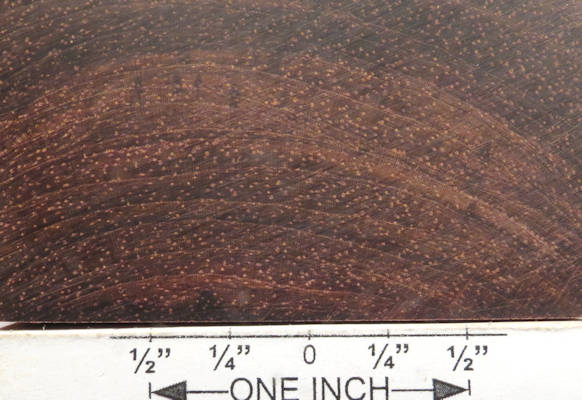
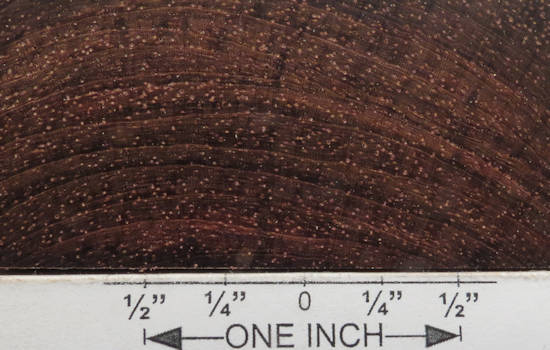
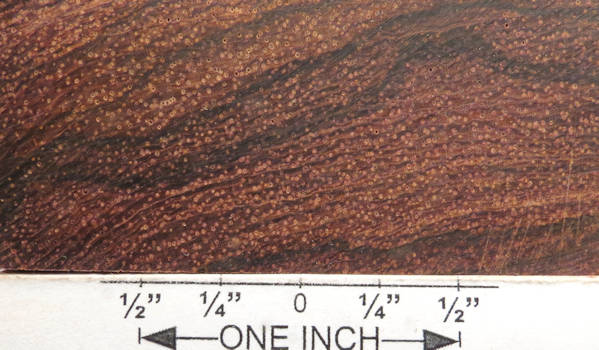
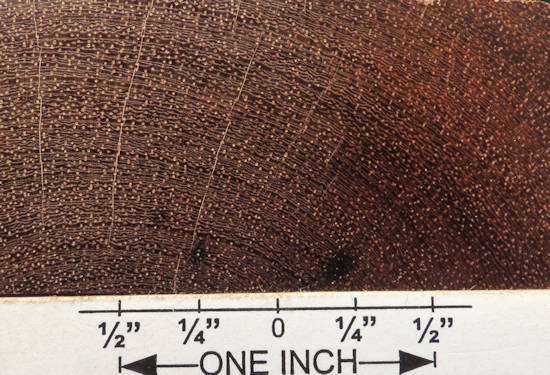
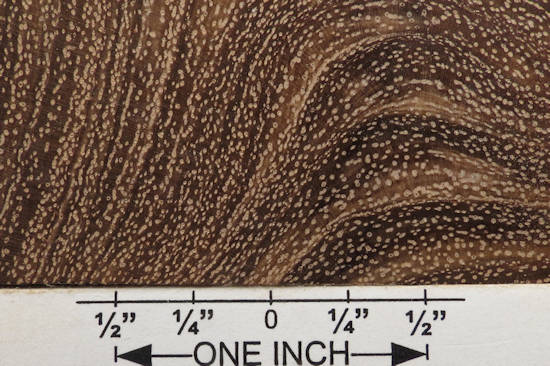
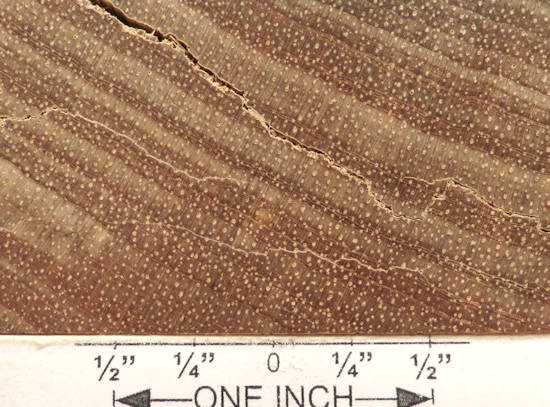
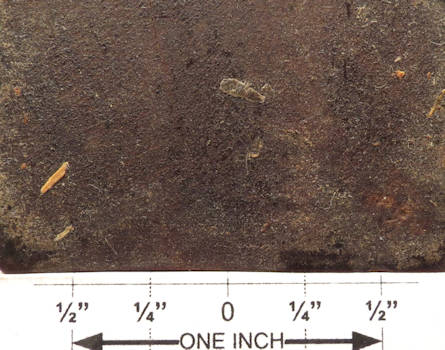
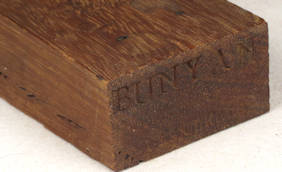
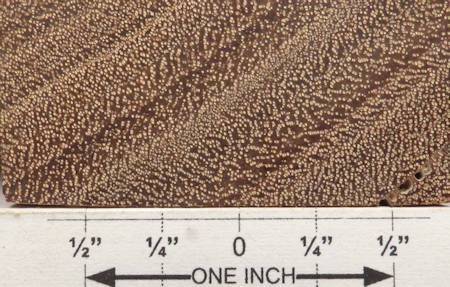
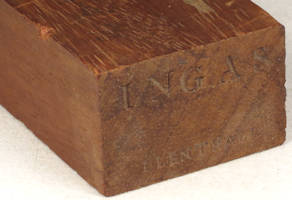
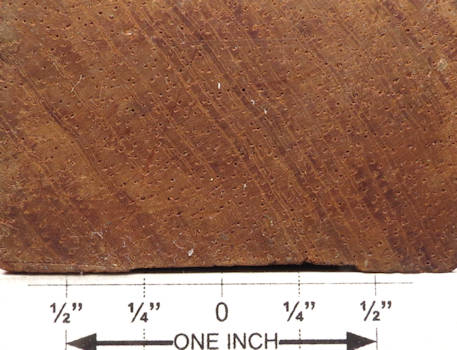
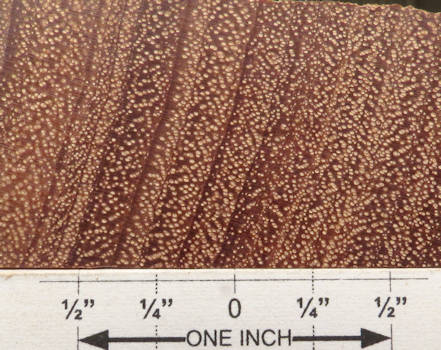
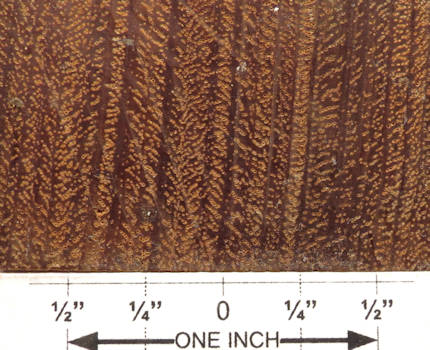
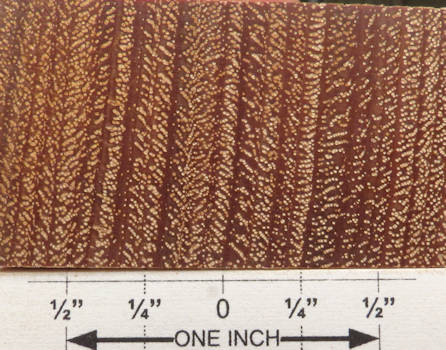
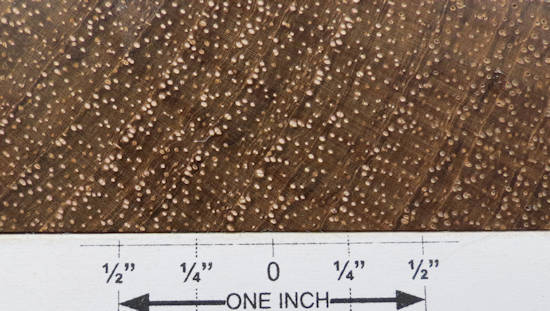
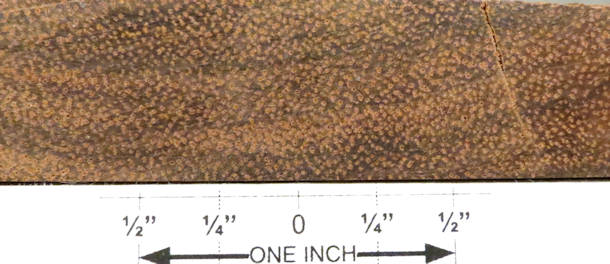
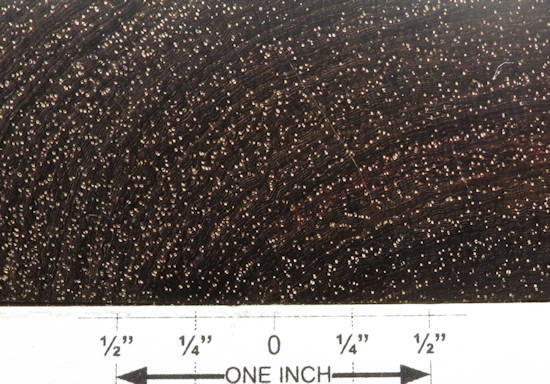
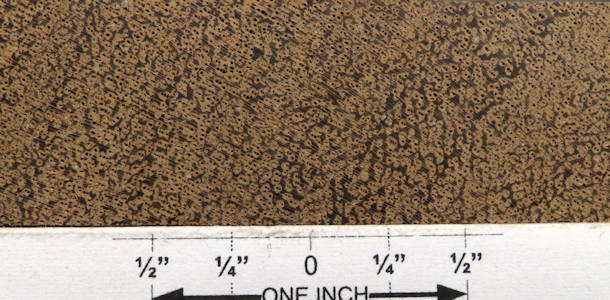
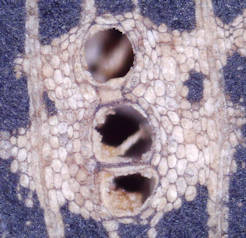
end grain closeup of #123, which I took in an attempt to help determine whether or not this is ipe, as Charlie Plesums strongly believed it to be, until he sent me some ipe samples and I took end grain closeups for comparison and now he and I both agree that it is not ipe, although he says that the side-grain and face-grain are remarkably close to some ipe pieces he has seen (although not the samples he sent me --- see my ipe page).

This end grain has the color of goncalo alves, but gonacalo, like ipe, shows noticible pores in the end grain and this wood does not.

This sample was sent to the USDA lab, which identified it as belonging to the genus Rhamnus and there is a wood in that genus, Rhamnus ferreus, that looks something like this wood and that does grow in Mexico. Further, Rhamnus ferreus is an extremely dense, hard wood (two of its common names are "axe-master" and "ironwood"), which is very consistent with this sample, so I'm going with that as the correct identification of the wood, even though that is extrapolating beyond what the USDA was willing to commit to.

I now believe that this Rhamnus ferreus and is one of those woods sold by dealers in the Southwest as "desert ironwood". I seem to recall that at least one correspondant has told me that there actually is only one species that is sold as desert ironwood, but I have no confirmation of that.


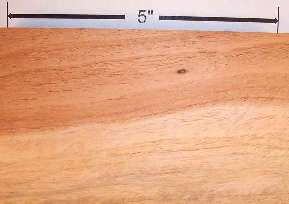
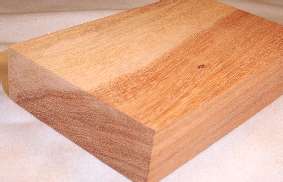
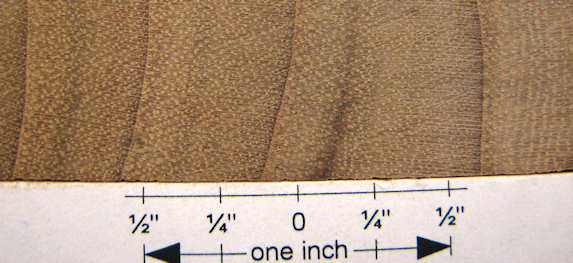
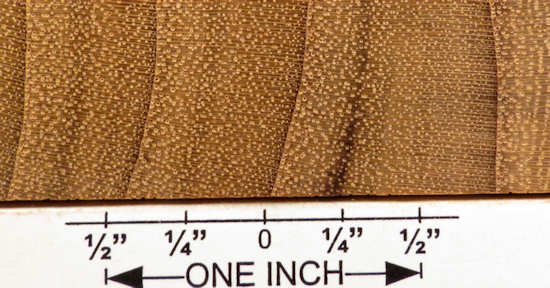
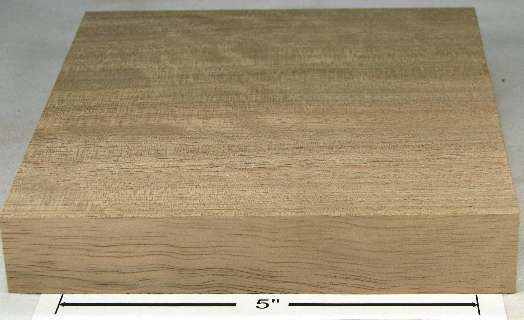
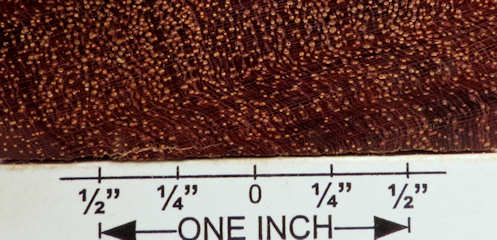
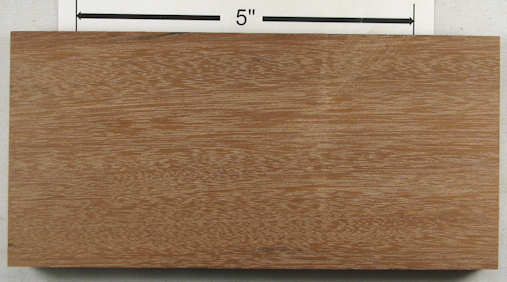
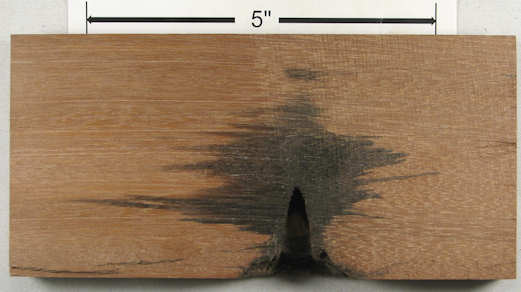
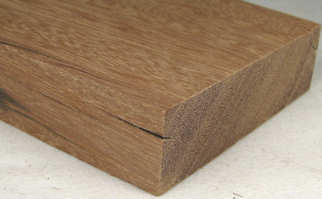
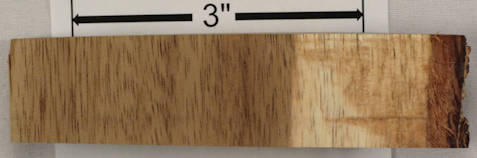
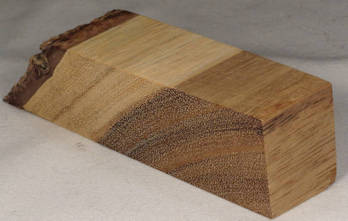
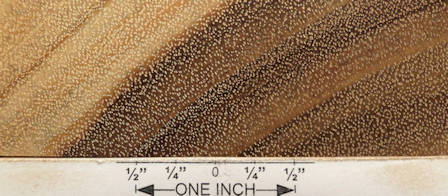
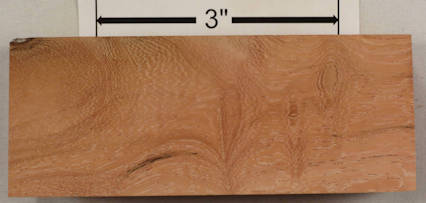
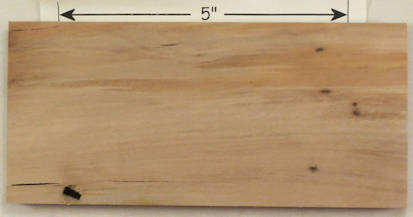
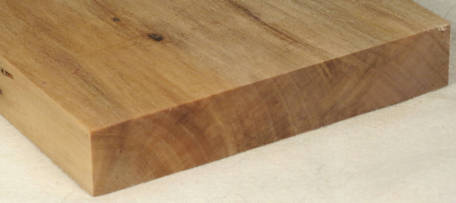
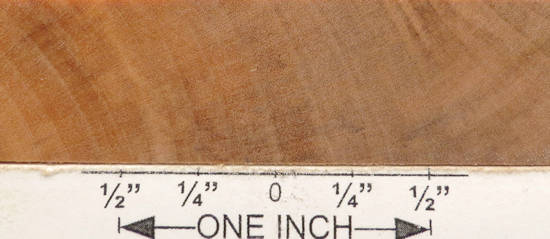
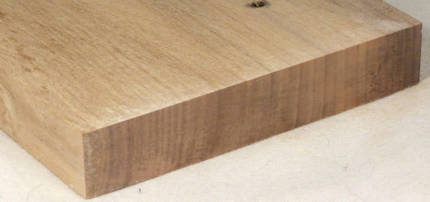
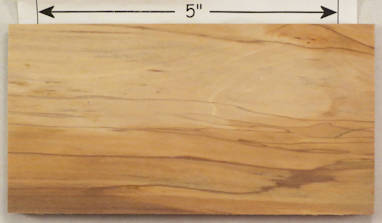
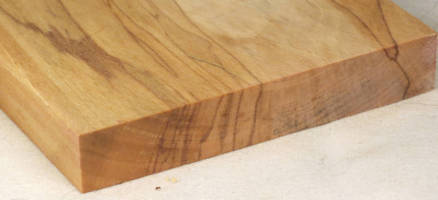
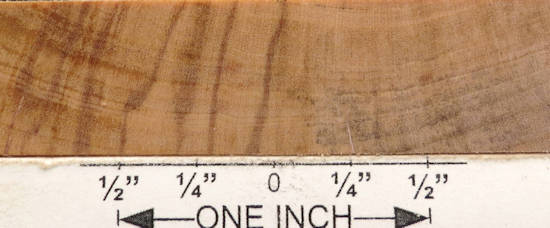
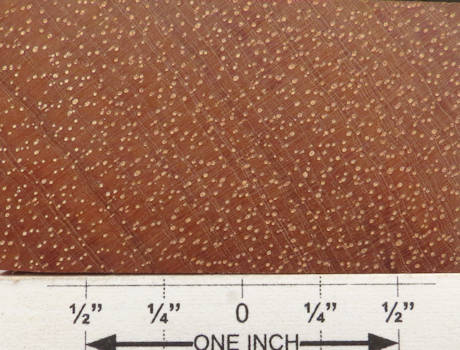
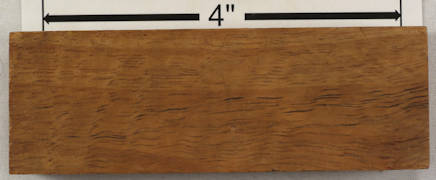
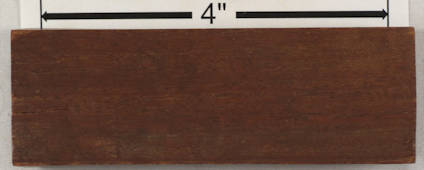
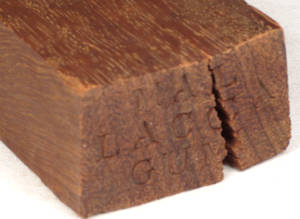
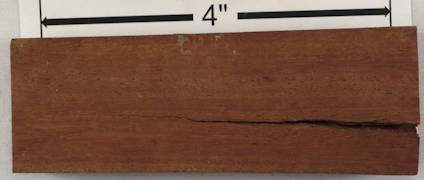
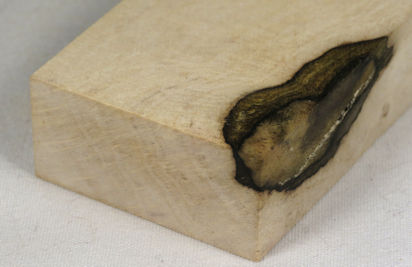
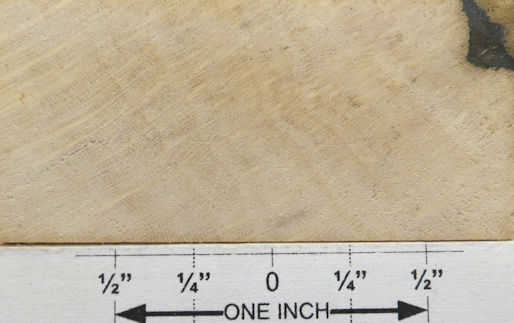
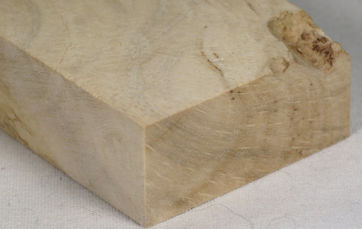
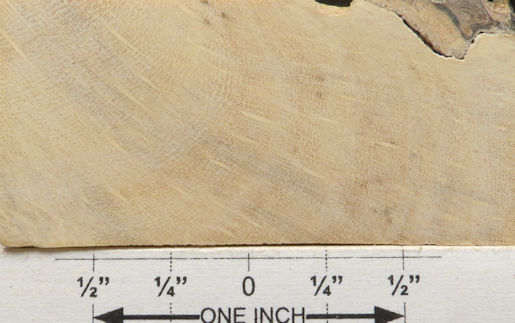
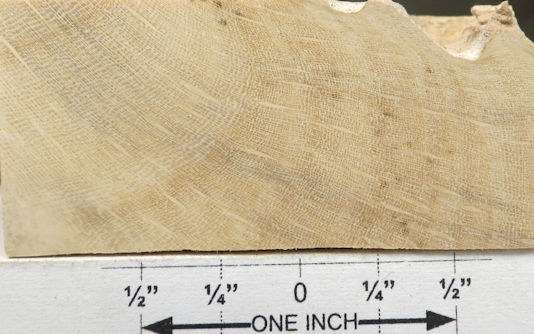
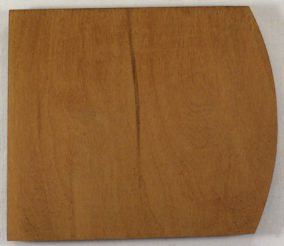
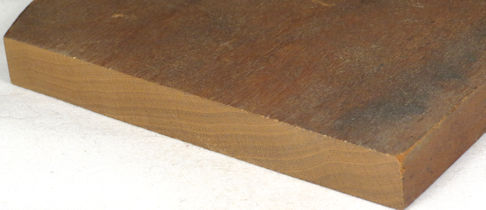
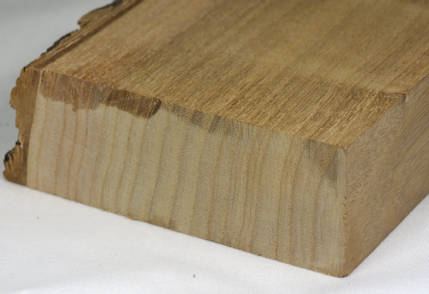
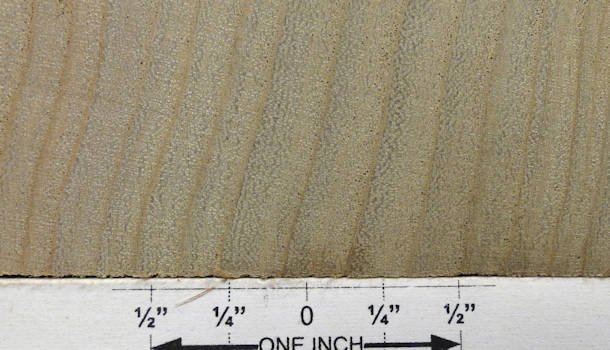
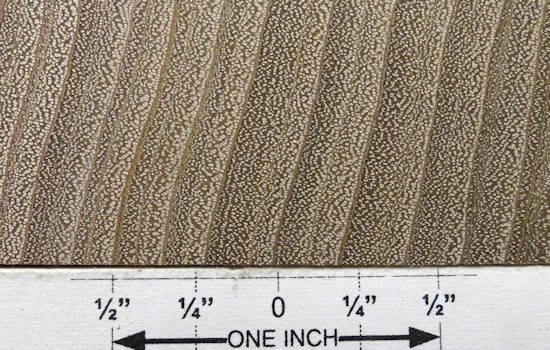
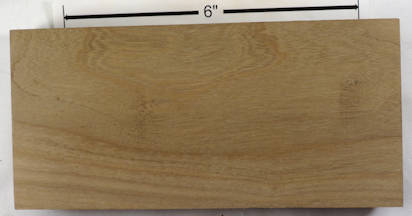
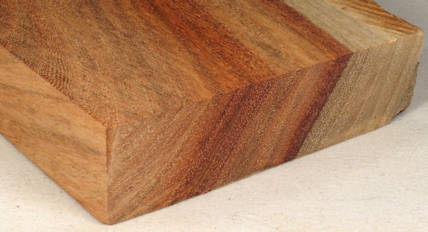
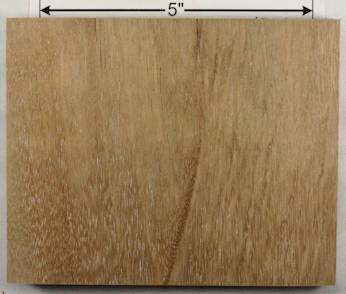
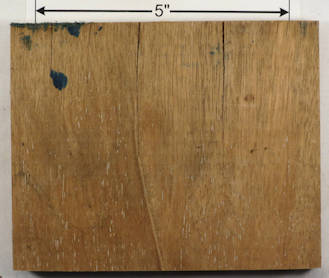
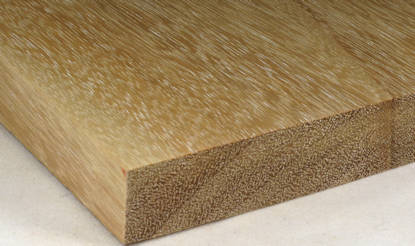
mystery wood 124 --- a wood from the Rio Grande Vally region of Texas. I have a 3rd hand statement that the name includes the word "boa". This is a very light wood, although moderately strong, wood that in many respects is similar to butternut but I don't have enough experience with butternut to know whether or not this might actually BE some variant of butternut. In my limited experience, that seems unlikely. Both sides and the end grain are shown

One correspondant suggests mesquite, but the person who gave me this sample is familiar with mesquite, so I find that somewhat unlikely although it does look like mesquite to me.

Another correspondant has suggested avacado, with the statement that it's rare because the tree grows a fruit that makes it (the tree) more valuable for the fruit than for the wood and therefore isn't often seen in lumber form. I've never seen avacado wood, so can't comment, but the correspondant seems pretty sure of it. Has anyone else had experience with avacado lumber ?

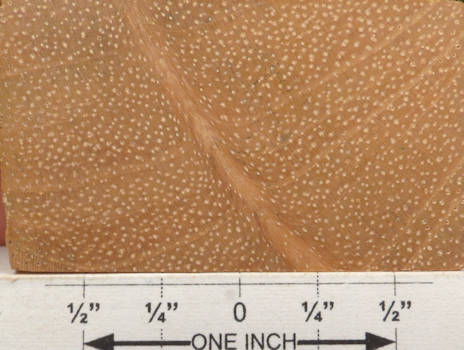
This sample was sent to the USDA lab, which identified it as belonging to the genus Lagerstroemia, which includes a large number of species that grow in Oceania and South East Asia and none of which are indiginous to the USA (as far as I am aware) but some of which could possibly have been transplanted. I've seen representative pics of a group of woods, not separately identified, that all belong to this genus, and one of them does in fact look a lot like this wood (not surprizing, since the USDA lab is knowledgeable).


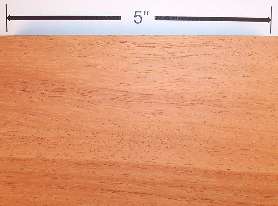
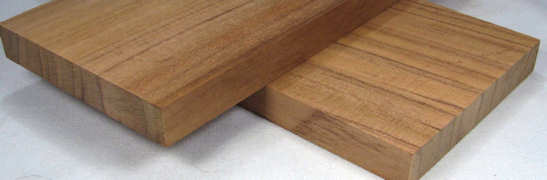
mystery wood 125 --- This was purchased by a correspondent of mine from a dealer who said it is "New Zealand Canarywood" but that identification is doubtful (but could be correct). I though at first that it is what I know as "morado" (which has a page on this site) because it looks quite similar, but on closer examination, I'm now convince that I was mistaken in that. Before I sanded it, it had something of a patina and looked considerably richer than what you see here, which is sanded only down to 100 grit. It is a moderately dense wood and the 100 grit sanding brought it to a very smooth surface, although I think it is not dense enough to become really glass-like with even a much finer sanding.

One correspondant suggests jarrah or other eucalyptus variety, both of which are reasonable possibilities.

Another correspondant says he's just about positive that it's jarrah, and he has a lot of experience w/ jarrah.

Bruce Hanna from New Zealand assures me that "New Zealand Canarywood" is NOT a name known to woodworkers in NZ, so I now consider that designation to be irrelevant.


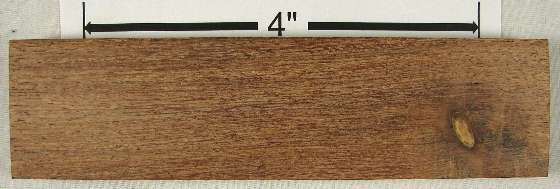
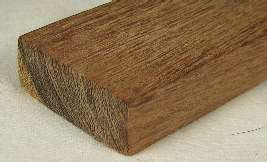
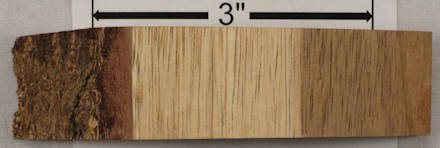
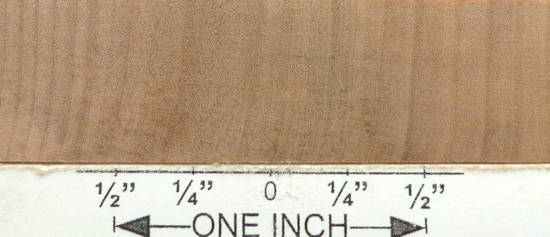
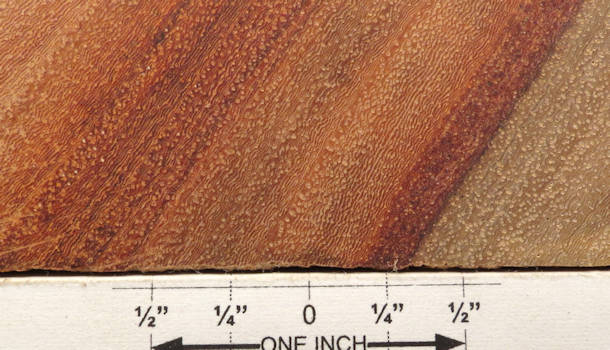
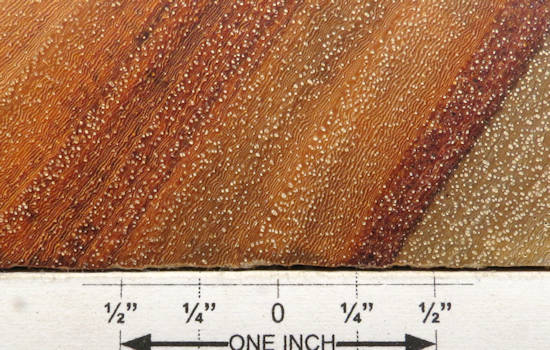
mystery wood 126 --- I have it 3rd hand that this piece came from a lumber dealer in Kerrville, Texas, and that dealer said the name is "Fhedon" and that it is from Mexico. I have not been able to find that name anywhere, nor have I been able to identify the wood as being from Mexico or anywhere else. I'm confident that it is from Earth, mainly because I don't believe in woods from outer space, but that's about all I can say. It is a moderately light wood and as you can see it has a clear demarcation between light orangish-tan heartwood and very light tan sapwood. For some reason, the color in the end grain pic is a little too golden and not quite dark enough and I just couldn't get it to come out quite right. The color in both of the side pics is quite accurate.

This sample was sent to the USDA lab, which identified it as belonging to the Leguminosae family, which is only slightly more specific than saying it is wood, as that is a HUGE family with many dozens of genera and probably thousands of species.

mystery wood 127 --- a veneer identified by Jim Johnson as oregon myrtle

mystery wood 128 --- a curly veneer that I eventually identified as paldao

mystery wood 129 --- a veneer that I identified as olive

mystery wood 130 --- a veneer that several correspondants and I all finally identified as butternut

mystery wood 131 --- a veneer that a correspondant identified as yellowheart (pau amerello). I have to dig back through my emails to get the persons name, and I will do so. I had not recognized this as yellowheart because I had not seen yellowheart with such ray flakes but just before the correspondant emailed me about this one, I got in some yellowheart veneer with ray flakes just like this (now posted on the pau amerello page), but had not looked at the mystery wood section for so long that I didn't make the connection.

mystery wood 132 --- a veneer identified by Brian Harrington as Alaskan yellow cedar

mystery wood 133 --- a plank positively identified by the USDA as honey locust

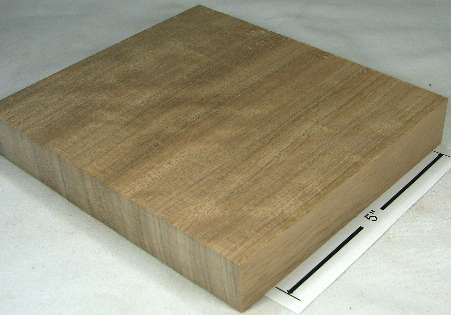
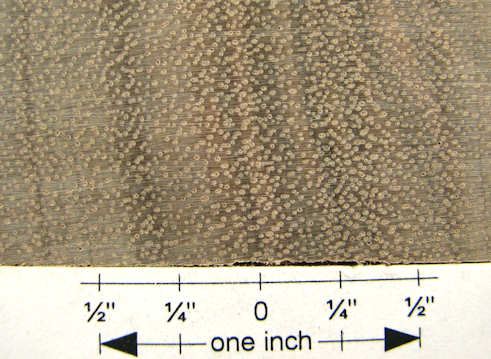
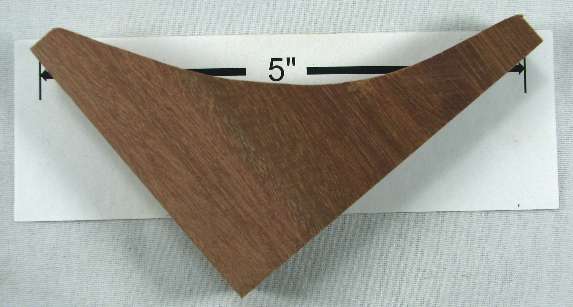
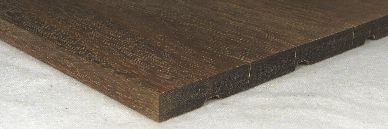
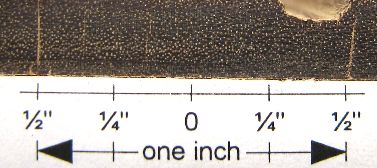
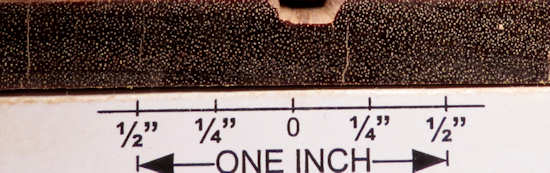
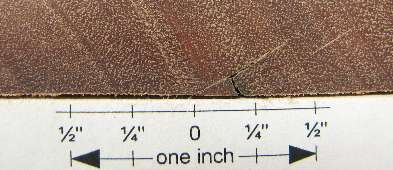
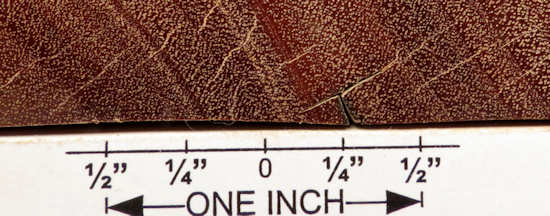
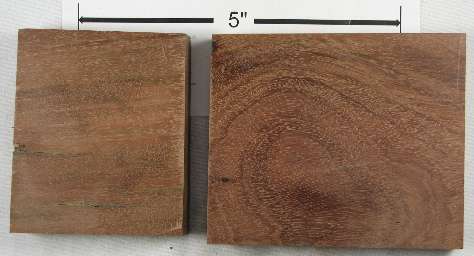
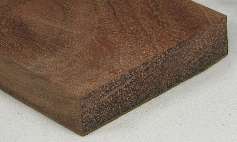
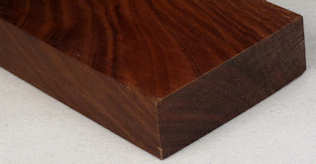
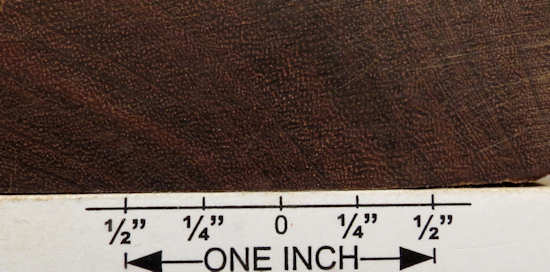
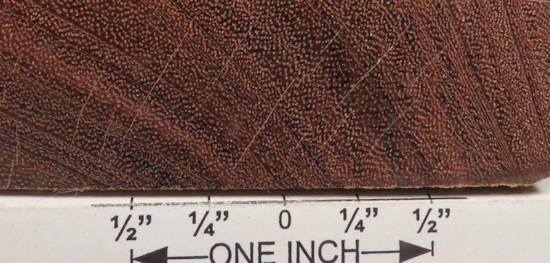
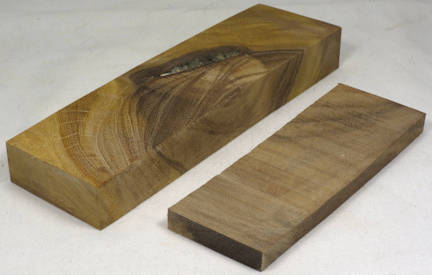
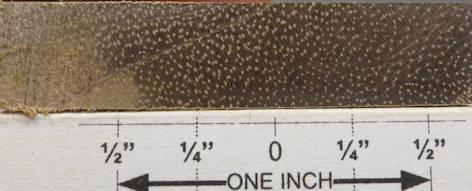
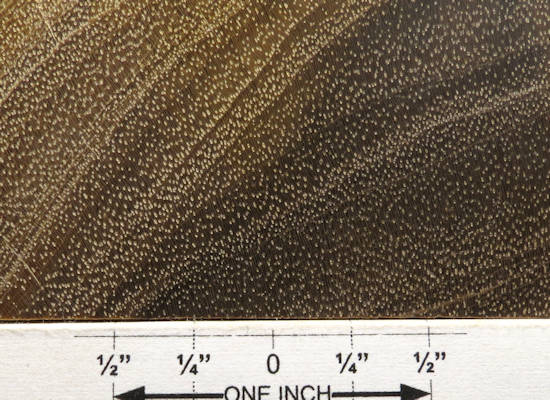
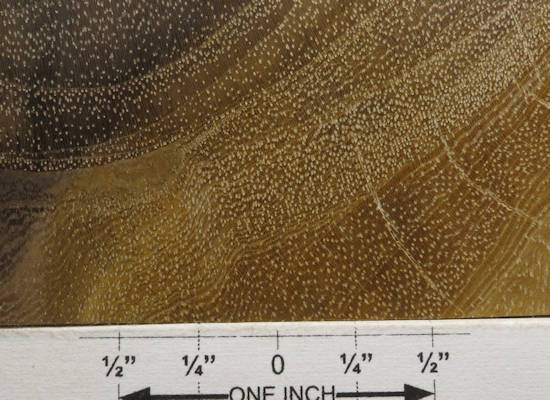
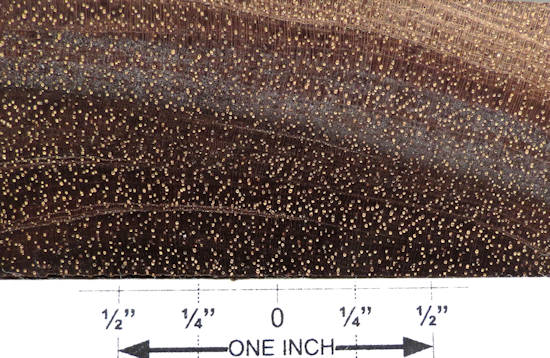
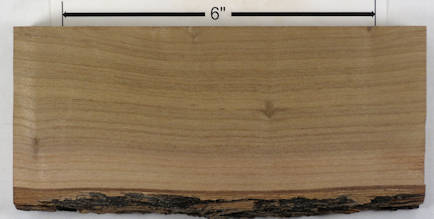
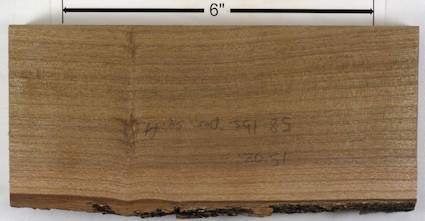
mystery wood 134 --- identified by the USDA and it is American black walnut


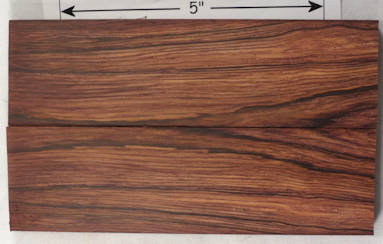
two planks (enlargements available)


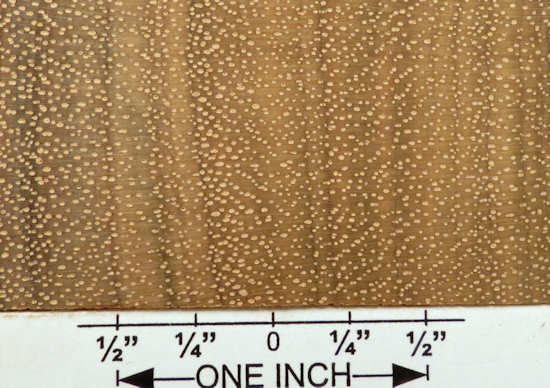
closeup of one section

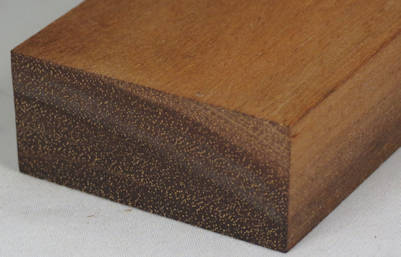
mystery wood 135 --- submitted by Jack Morefield, who bought it from a Myrtle wood dealer on the Oregon coast who called it "Squirrel oak". Jack and I have never seen anything like it before. The color is affected by the application of a clear finish and the wood is very heavy. Jack also reports that it has oak-like rays and he is confident that it IS a form of oak. Brian Harrington has positively identified this as California black oak.


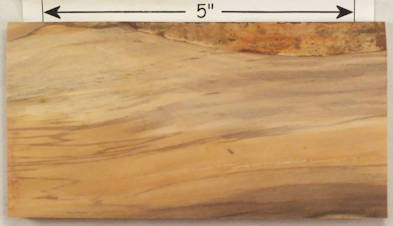
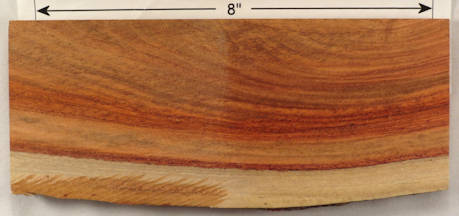
mystery wood 136 --- This remarkable wood was submitted by Richard Furrer who assures me that while it LOOKS like a painted design, it is in fact the grain of the wood. Must be a burl of some sort, but I haven't a clue what it might be.

Thanks to Al Brown from NZ, I now know that this isn't quite a "wood", it's a VINE, which explains how it has such a strange figure. Al says "... a vine that grows on the China Myamar border area only found where it is hottest and wet wet wet.KNOWN as CHICKEN BLOOD WOOD.The huge vines are cut into section [as seen in your photo] then boiled to get the redness out [ie the sap] dried and made into teapot stands; small serving trays;bowls etc.I was given a teapot stand last time i was in CHINA.I had my friend look in the library in CHINA for the botanical name he said to me last night that he didn't have any luck with that so;;;CHICKEN BLOOD WOOD IT IS!!"


plank and end grain


side grain closeup


end grain closeup of both ends

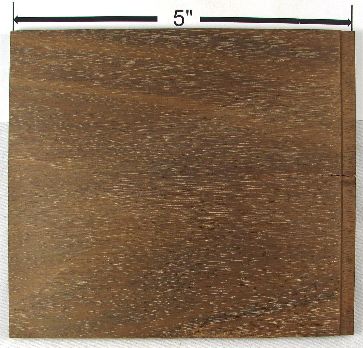
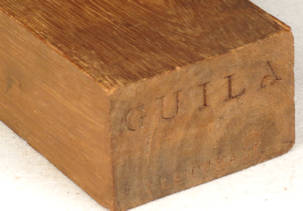
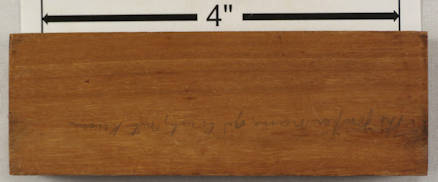
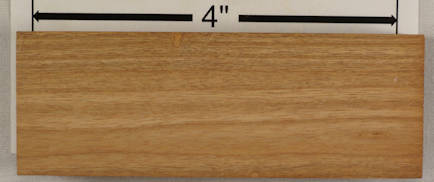
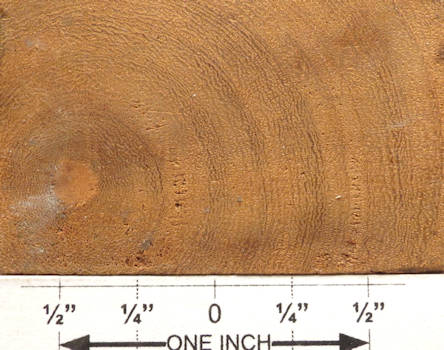
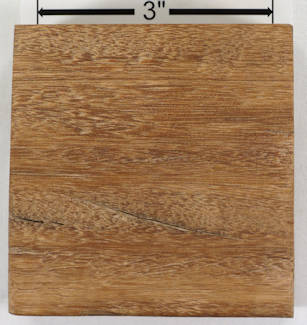
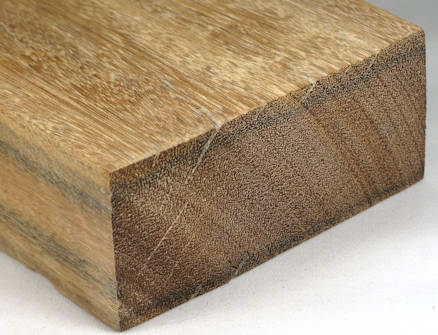
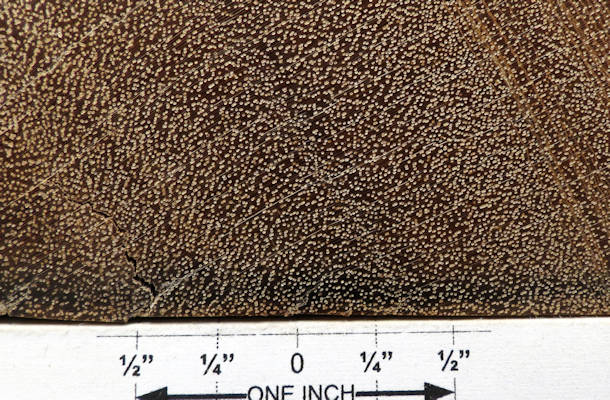
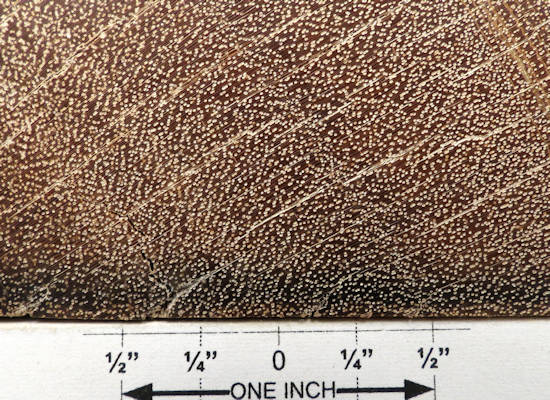
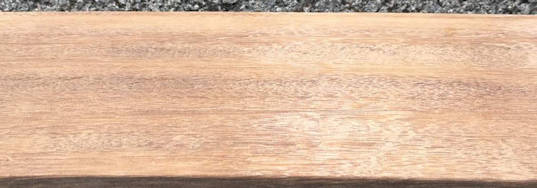
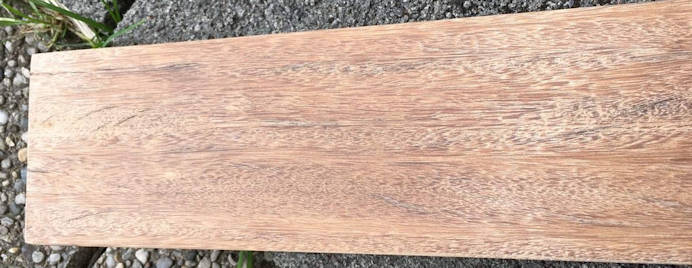
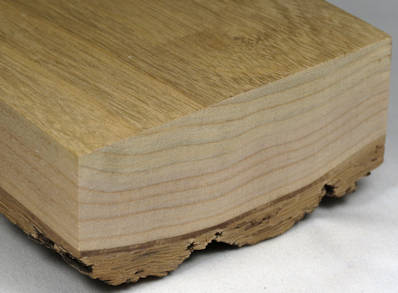
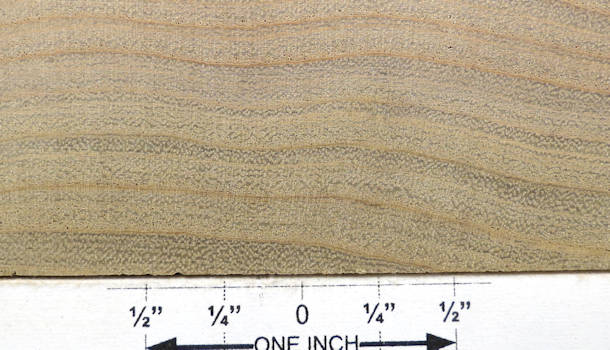
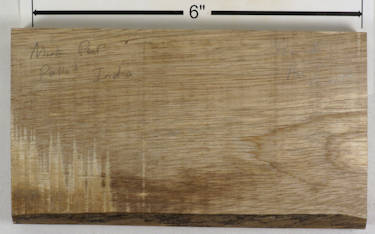
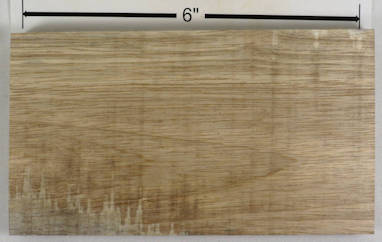
mystery wood #137 --- this was cut a very heavy pallet shipped from India. My first thought was ipe, but an examination of the end grain leads me away from that idea. The sapwood is the yellow-tan seen in the lower left corner of the 2nd end grain closeup.

I sent this sample to the USDA and their response was "probably Acacia spp." and it does look somewhat like Australian blackwood (Acacia melanoxylon) which grows in India. It also looks like some of the other Acacia species, so I'm still not sure what it is and their "probably" doesn't pin it down much.


mystery wood #138 --- sent from the Bahamas by a man who got it as salvage from a recent vintage freighter deck and eventually identified by Brian Harrington as weathered mahogany. After Brian identified it, I examined it and agree with him readily.

mystery wood #139 --- identified by the USDA as eucalyptus


light pieces and closeup


heavy pieces and closeup


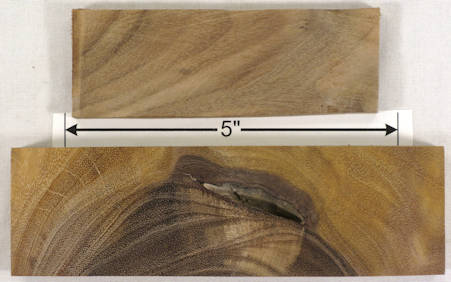
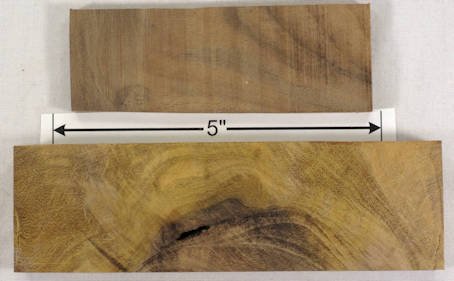
end grain of both (one light piece on top, two heavy below)


face grain (and end grain) of a sanded piece


side grain of the same piece as directly above


end grain closeup of the piece directly above

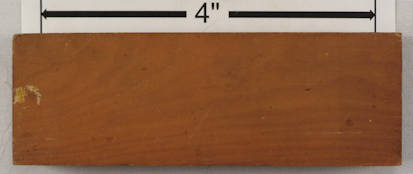
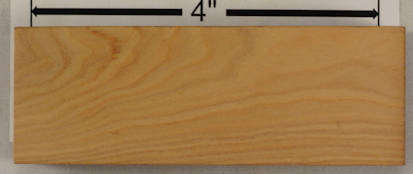
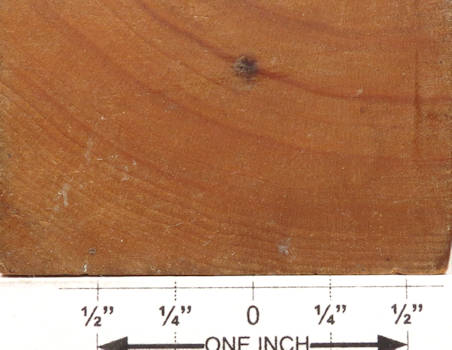
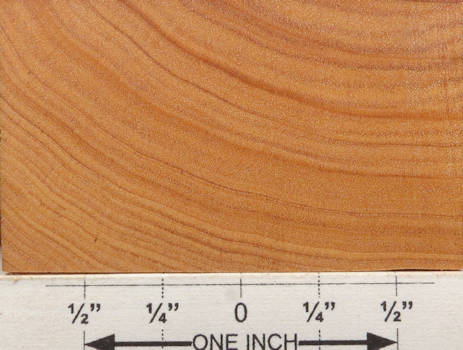
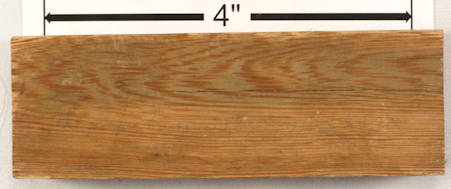
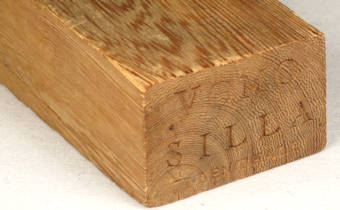
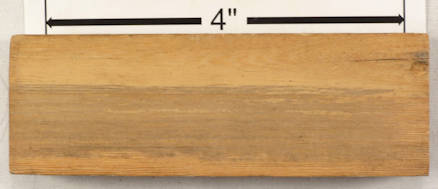
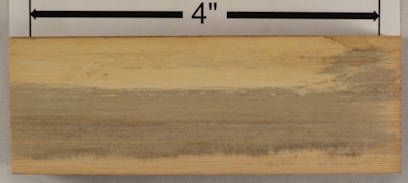
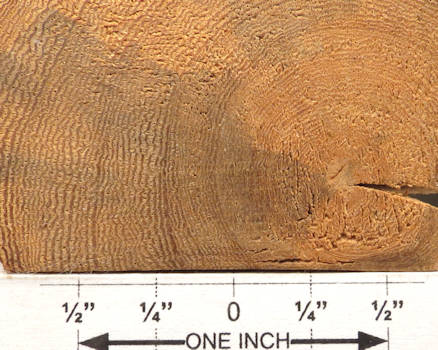
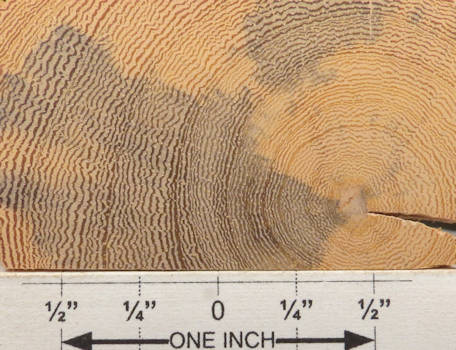
mystery wood 140 --- I bought a batch of this as a mystery wood. It definitely looks to me to be some form of fir, but I'm not 100% positive about that. The wood had two distinct varieties, that I refer to as light and heavy because the difference was in color (very slight difference) and weight (noticible difference). The color difference is, as you can see from the pics, quite minor, but the weight was noticible enough when handling the boards that I calculated the density. Both types are quite light, the "light" being about 23 lbs/cubic foot and the "heavy" being 30lbs/cubic foot.

The grainy nature of the face surface is consistent with some fir that I've seen (and also with some cedar) and the end grain looks exactly like a couple of types of fir.


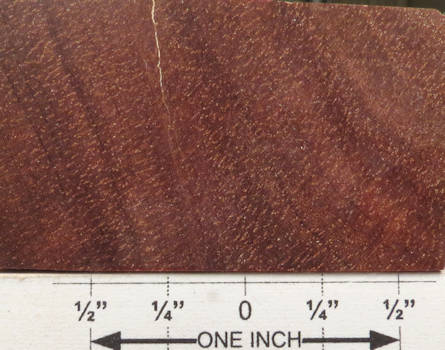
mystery wood 141 --- a veneer sheet and closeup. The sheet was submitted by Alfredo Nava. This is a very attractive red with interlocked grain. Looks a little like some sheets of kingwood I've seen, but the interlocked grain suggests it is not kingwood, although I could be wrong about that.


planks and end grain


end grain closeup of the piece directly above

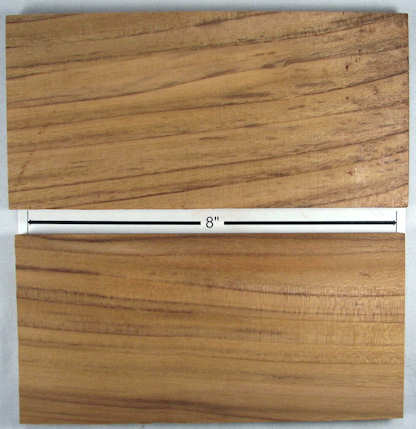
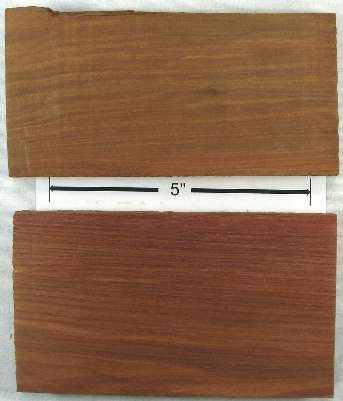
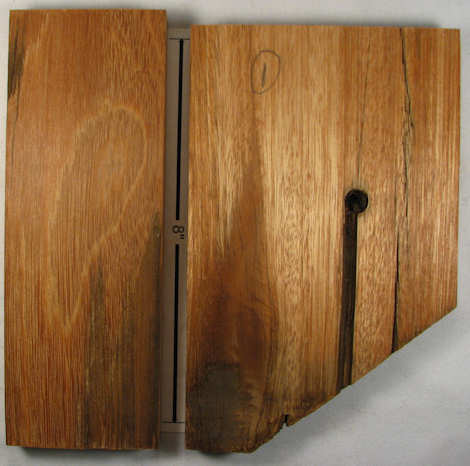
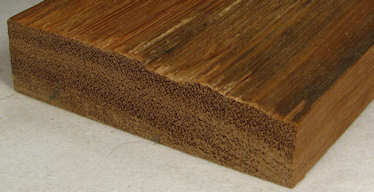
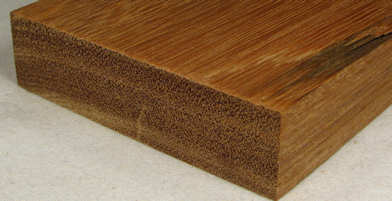
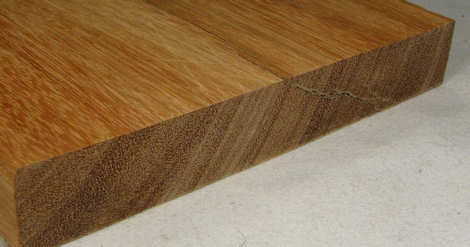
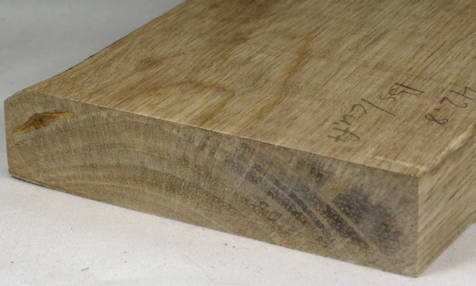
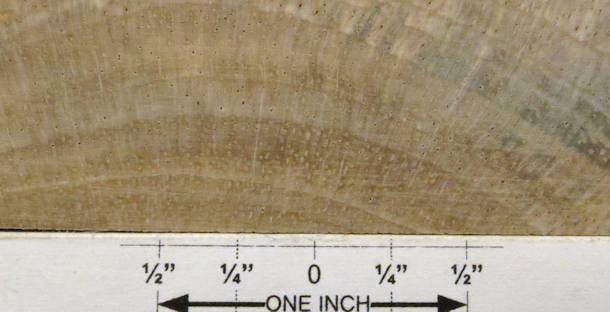
mystery wood 142 --- These pieces showed up in a mixed lot I bought and I have no idea what they are. The color is a very nice honey tan. The lower piece is sanded, the upper piece is not, and as you can see from the end grain shot, these pieces are quartersawn. There are lots of small ray flakes that show more clearly in the enlargements.

The wood is fairly soft and light-weight.


plank (emphasizing side grain) and end grain


end grain closeup of the piece directly above

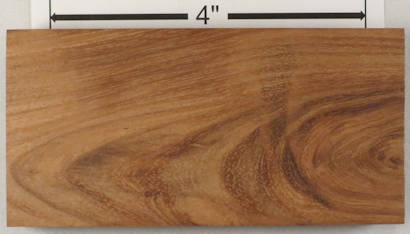
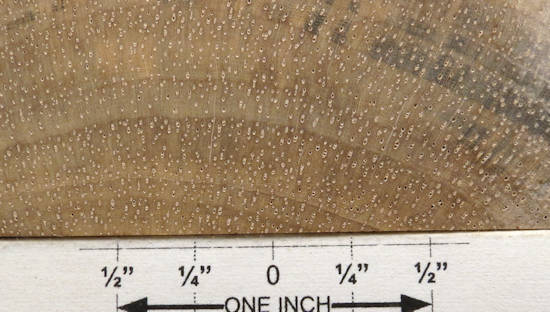
mystery wood 143 --- Chit Clayton (of Chitswood on eBay) sent me this in the hopes that I might be able to identify it. He's quite experienced with wood but has no idea what it might be. Sad to say, neither do I. It has a very chaytoyant surface. As you can see from the end grain shot, the face grain is perfectly quartersawn and, as you can see in the enlargements, it has lots of small ray flakes and the appearance of a light mottle and/or ribbon stripe. It's a uniform tan color, as accurately shown in the pics.

The side grain reminds me of a walnut piece that was once on this page as mystery wood 134 but the color is clearly not walnut, so I'm thinking that maybe it's a butternut relative (butternut and walnut are related) but that's a long shot.

The wood is fairly soft and light-weight.


face grain


end grain


end grain closeup


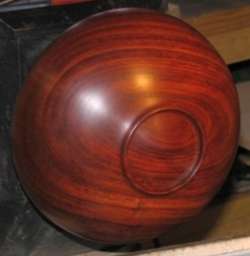
bowl from same wood --- correspondant says this pic makes it look more red than it really is. It has a coat of walnut oil that brings out the color and grain.

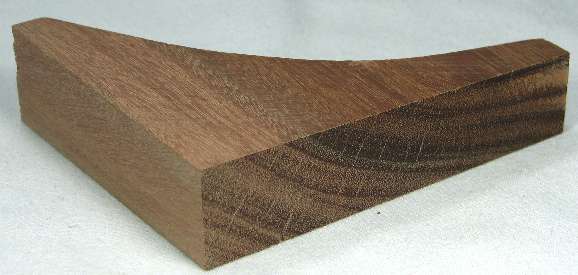
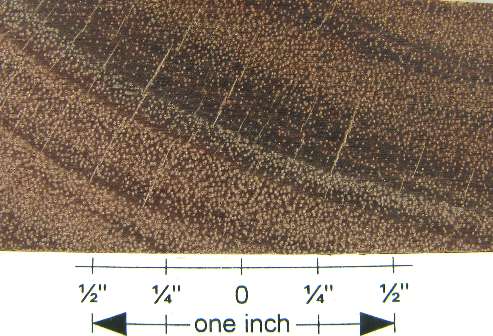
mystery wood 144 --- correspondant says this is a very hard, dense, brittle wood that turn turns red (although NOT as red as in the bowl pic, which he says is too red) with finishing agent (walnut oil in this case). It was identified to him as zapotillo from Peru. I suggested sapodilla, which is similar in mechanical characteristics and fairly similar in appearance, and he agrees that it could well be that, but we're not positive. The face grain looks to me to be quite similar to some eucalyptus I have seen, but the end grain is not similar to my eucalyptus samples (but given the HUGE variety of species of eucalyptus, that is hardly conclusive).


plank


closeup of one section


small plank and end grain --- this was cut from the plank directly above


end grain closeup of the piece directly above

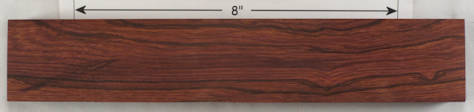
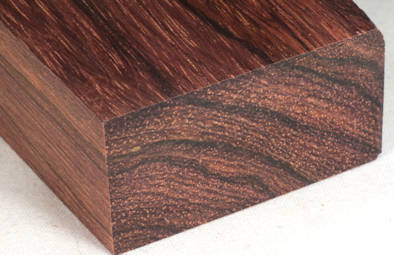
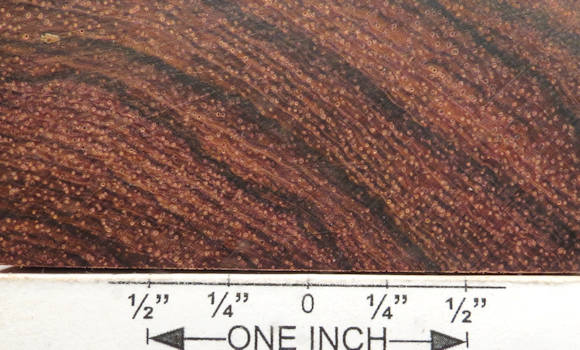
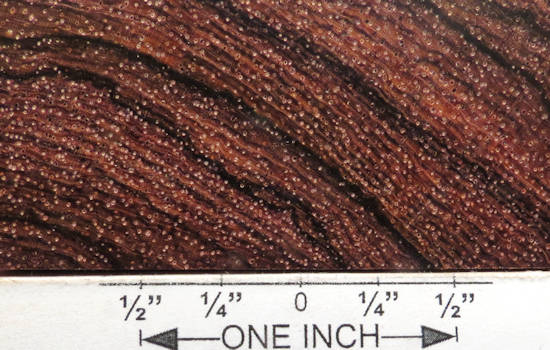
mystery wood 145 --- Send to me by Savvy Lin in Sierra Leone. This is an amazingly beautiful wood that looks exactly like some kingwood I've seen, BUT it doesn't have any the "standard" purple color of kingwood and it seems to be somewhat more open-pore than kingwood. Also, he cut it down in Sierra Leone and every reference I've ever seen says that kingwood ONLY grows in a small area of Brazil (there's a "Mexican kingwood" but that's a different species). Further, it's about 55 to 60 lbs per cubic foot, which is slightly lighter than kingwood. SO ... I hesitate to call it kingwood; anyone have any idea what it is???


sample and end grain


end grain closeup of the piece directly above

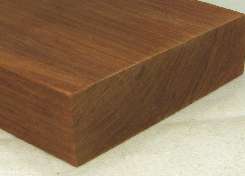
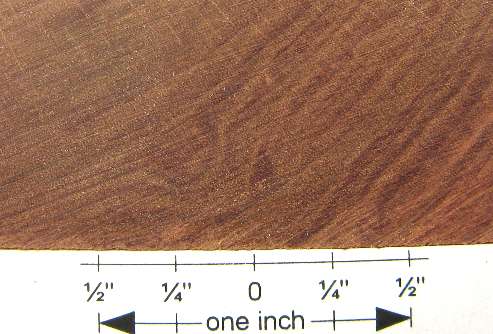
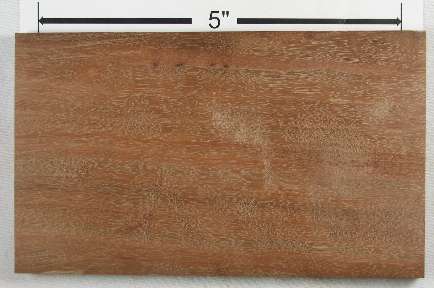
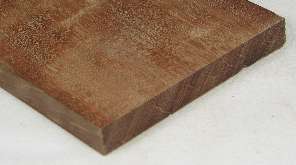
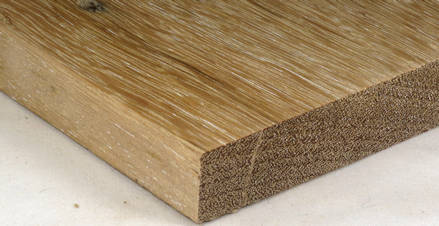
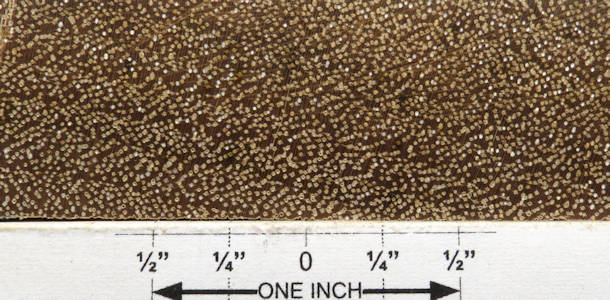
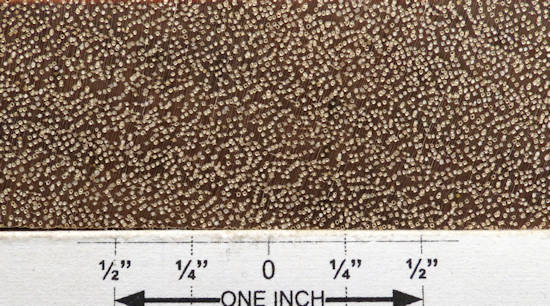
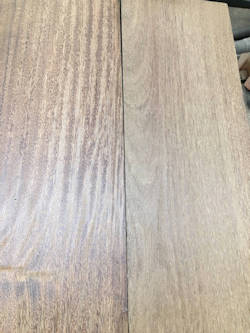
mystery wood 146 --- sent to me by Terry O'Hearn who believes it is an extinct variety of mahogany but I do not think it is mahogany. I believe to about a 90% certainty that it belongs to the genus Shorea and is a wood that would be lumped into the common name group "dark red meranti". I base this on the grain pattern, particularly the end-grain which does not look like mahogany but does look like meranti, but also the surface grain which also looks like meranti but not like mahogany. Also, it is too heavy to float and I'm not aware of any mahogany that is even close to being that dense.


mystery wood 147 --- a very hard, dense, brown wood sent in by Mike the puzzlemaker. I thought it might be one of the shorea species, but it was identified, correctly I'm quite sure, by Calos as bongossi (which I have listed on this site under the more common name of ekki, where you can now see the pics that Mike send in)


If you have a wood that you'd like to have identified, send me either (1) a sample or (2) a good quality digital image and a statement of the wood's characteristics