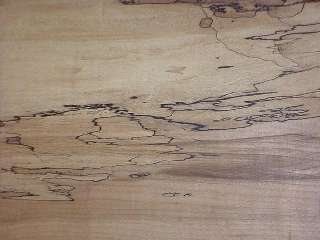
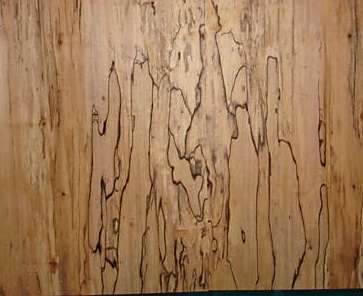
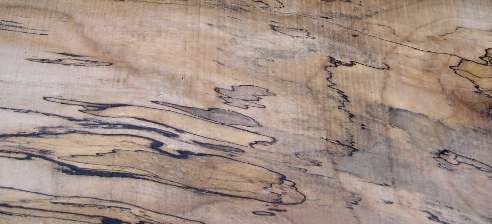
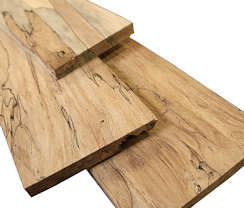
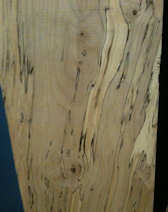
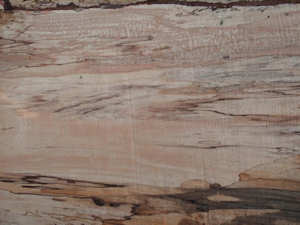
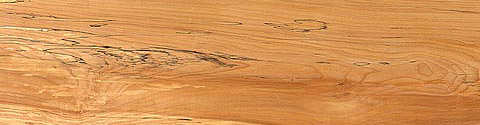
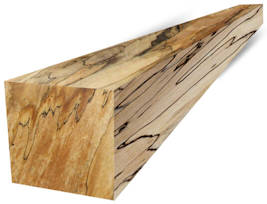
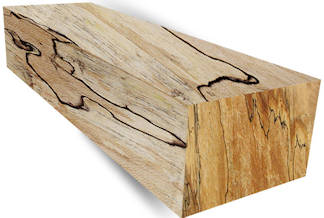
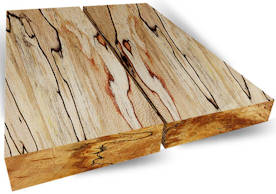
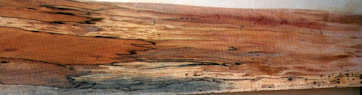
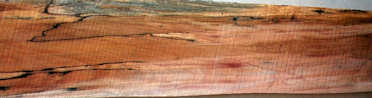
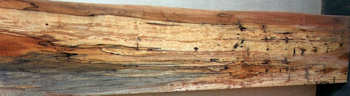
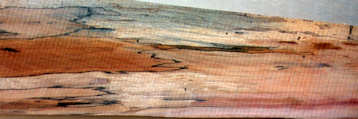
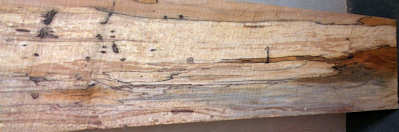
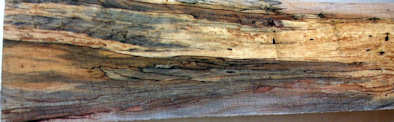
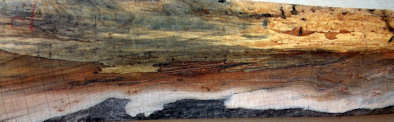
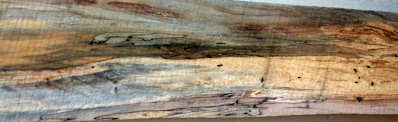
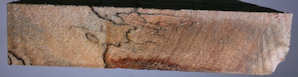
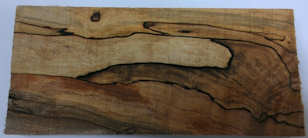
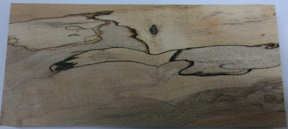
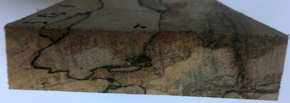
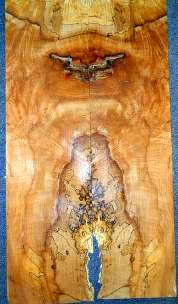
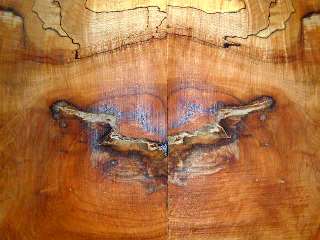
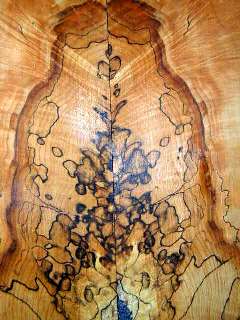
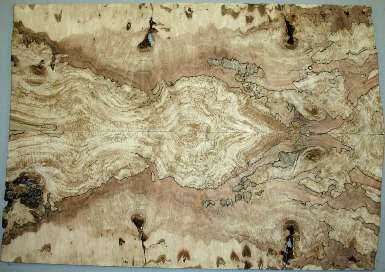
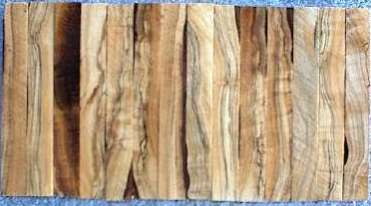
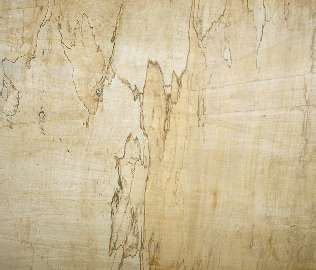
Acer spp. of the family Aceraceae. This is not a particular species of maple, but rather a FIGURE of maple. Spalted maple typically has the "classic black-line" spalting that is exactly what most people think of when they think of spalting. Other woods sometimes have very diffuse dispersion of the fungus. Oak spalting, for example, if often a releatively ugly spread of black stain.
my samples: NOTE: these pics were all taken in very bright incandescent lighting ("soft white" at 2700K) colors will vary under other lighting conditions
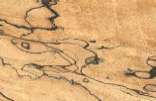
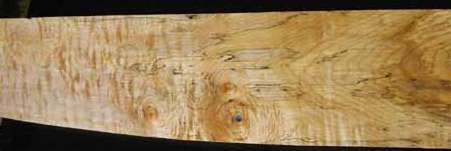
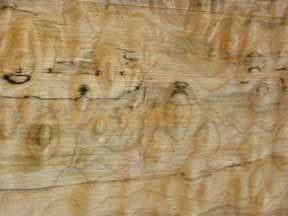
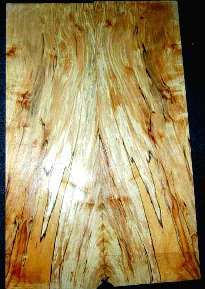
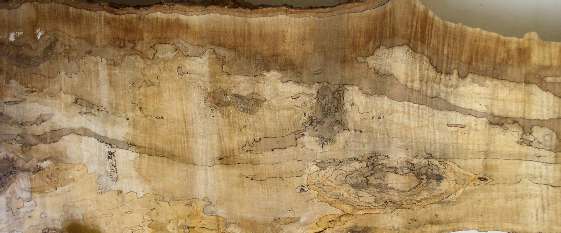
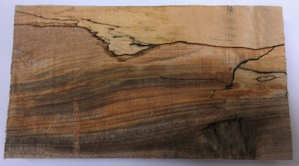
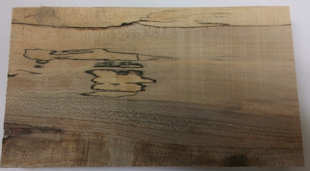
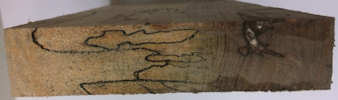
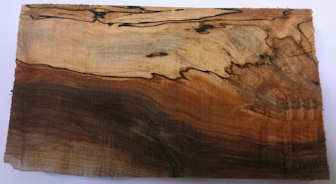
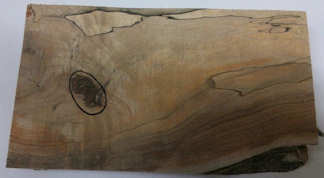
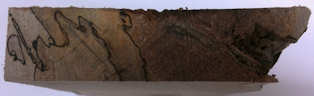
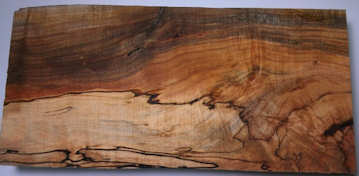
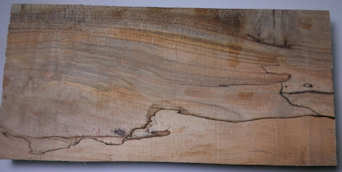
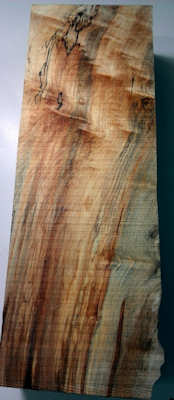
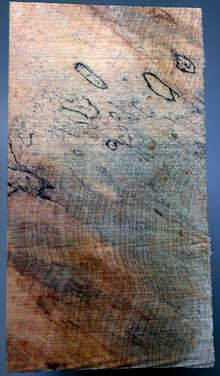
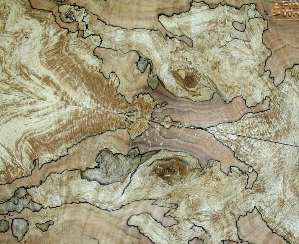
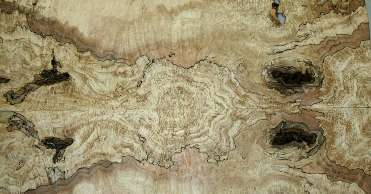
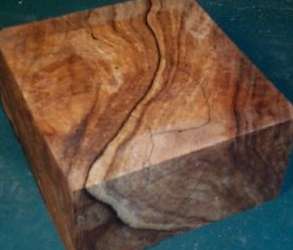
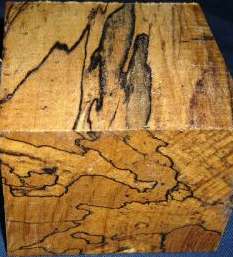
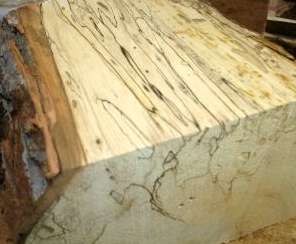
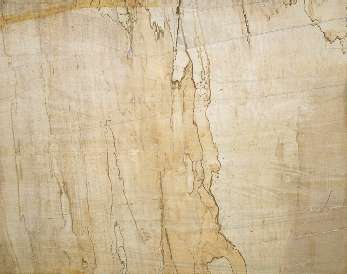
both sides of a humongous slab of spalted maple that is over two feet by two feet and almost 3 inches thick. This was donated to the site by by Jim Glynn, whom I thank profusely. The pics don't quite do justice to the piece. The color is a little better than what shows up here, but at least the enlargements show the spalting lines very nicely. Jim rough-cut this with a chain saw, so it's very rough. I have now made a couple of bowl blanks from this piece and they show the color better. See directly below.
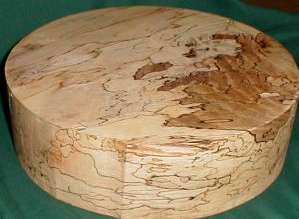
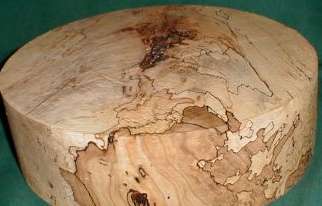
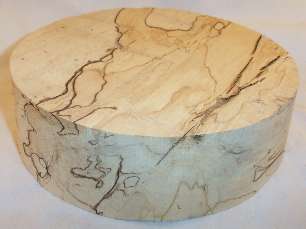
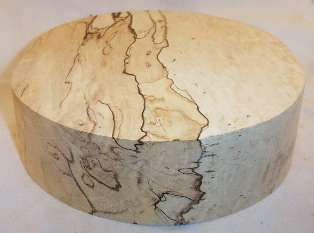
two views of the first bowl blank made from the big piece above. This is 9" across. As you can see if you look at all carefully, there are a couple of cracks in this blank, so I don't know how the bowl will turn out.
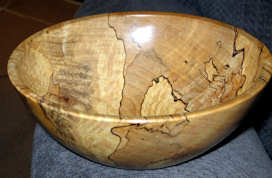
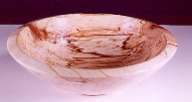
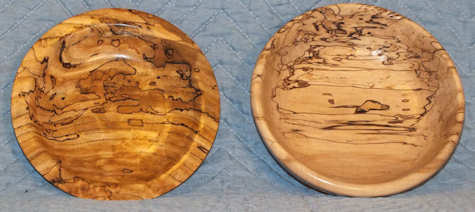
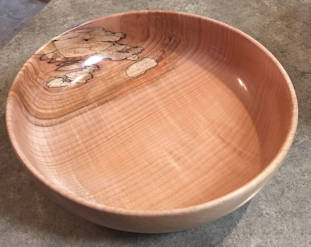
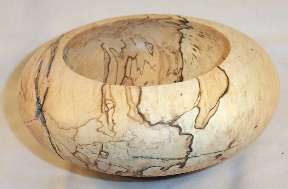
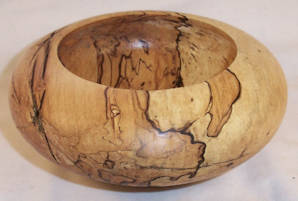
well, OK, now I've done the bowl and this is how it turned out. Pretty neat, I think. The flaw is very obvious (it's on the lower right of the second pic in the raw series and on the middle left of the bowl pics) but if you're optimistic like me you can look at it as just adding character to the piece. The second pic is after a coat of natural stain. As you can see, I stabilized the flaw with glue before putting on the stain. Once the piece is covered with polyurethane, the glue will be far less obvious. I hope. :-)
This was easy to turn in that the wood is quite soft, but it was hard to turn in that as the end grain came around into the gouge, it tended to crush sideways if the tool wasn't razor sharp.
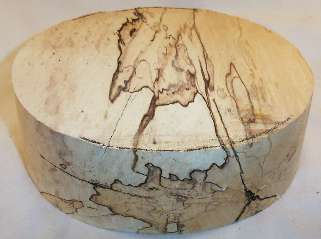
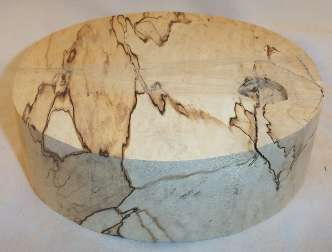
two views of the second bowl blank made from the big piece above. This is 9" across. The gouge on the right side of the 2nd pic is where I had to dig out a nail that was embedded in the piece. Also, that side is not yet fully sanded flat and you can still see some of the chain saw gouges.
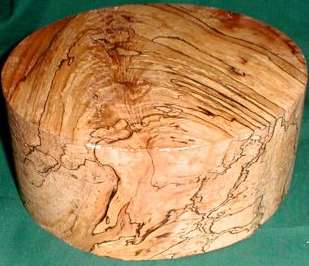
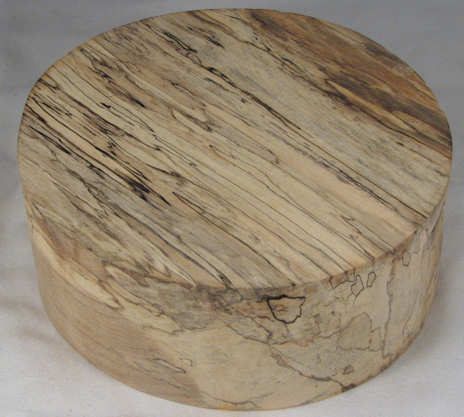
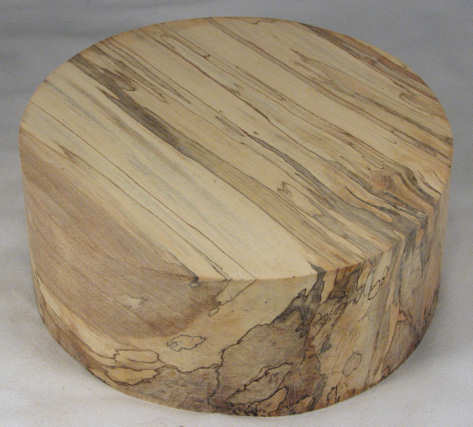
two views of a spalted maple bowl blank that is 6 1/2" in diameter and about 2 1/2" thick
end grain and end grain closeup of the piece directly above
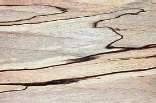
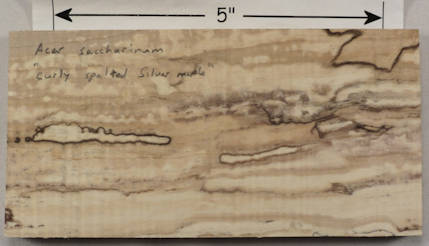
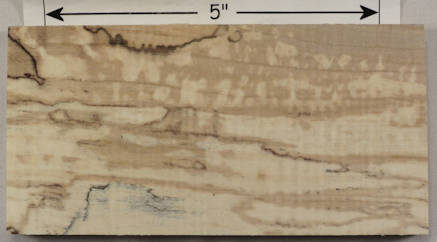
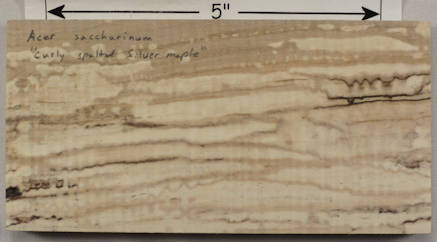
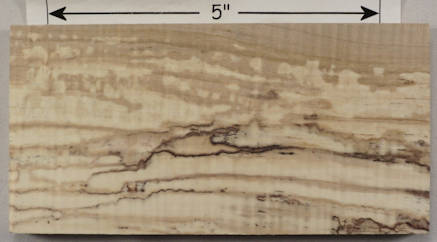
both sides of a sample plank of spalted silver maple / Acer saccharinum --- HUGE enlargements are present. This sample was loaned to me by David Clark whom I thank for this and other contributions to the site.
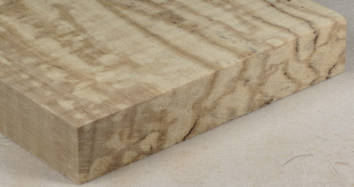
end grain and end grain closeup of the piece directly above
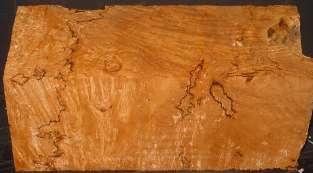
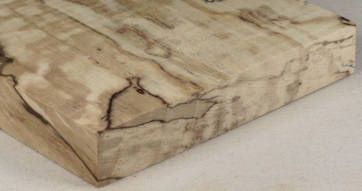
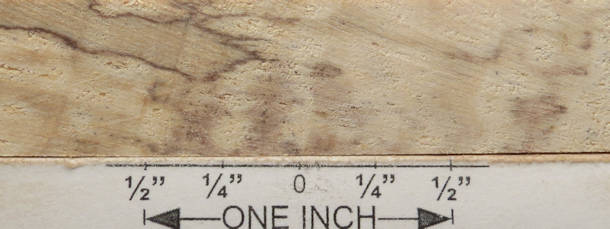
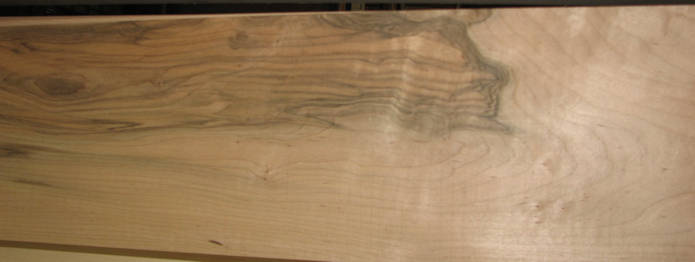
plank shot at Lowes, chosen because it has some nifty spalting in it. Unfortunately my focus was not the best on this one.
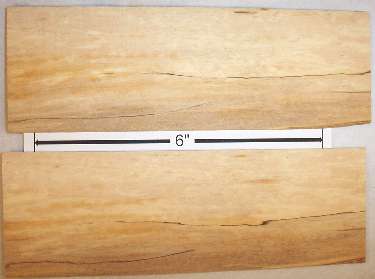
both sides of a bookmatched pair of spalted red maple pieces sent to me for identification. Extreme enlargements are present for all of the pics of these pieces, here and directly below
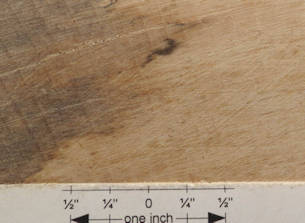
closeups of flat cut and quartersawn surfaces from the pieces directly above
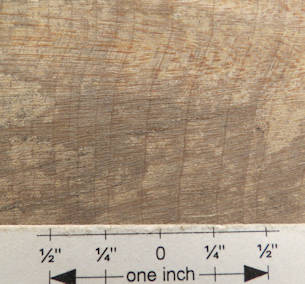
extreme closeups of a couple of quartersawn areas (from the pieces directly above) that have both excellent spalting and excellent ray flakes
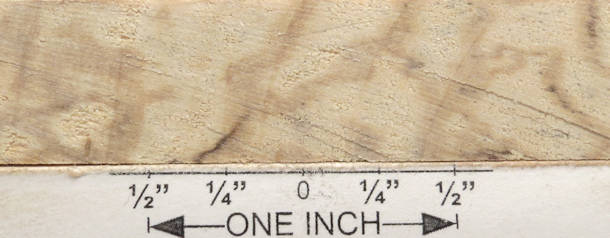
end grain closeups of both ends of one of the pieces directly above
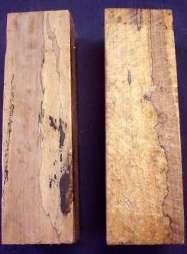
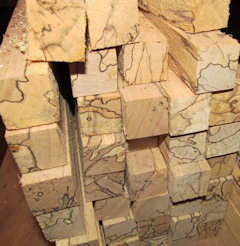
both sides and the end grains of some little pieces. These are very rough sanded as you can see in the enlargements. There are no punky areas.
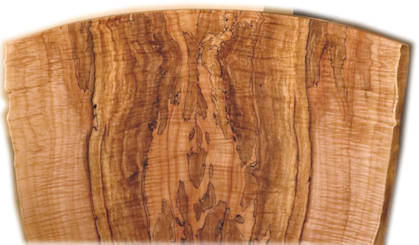
NOT a raw wood color bookmatched pair of spalted curly maple planks in a finished chair back shot at a furniture store. HUGE enlargements are present.
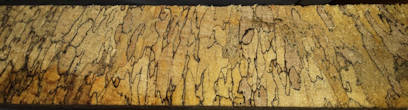
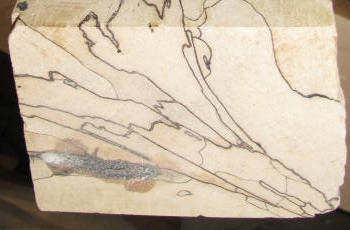
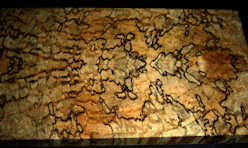
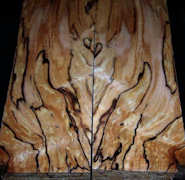
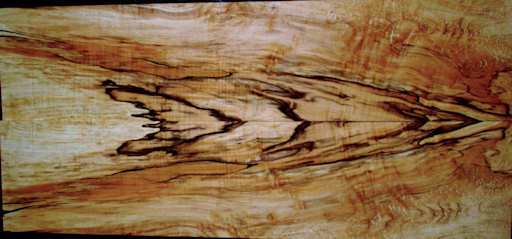
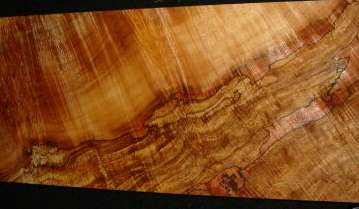
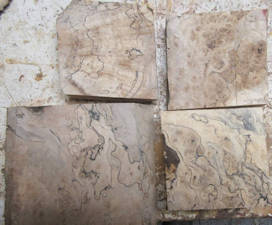
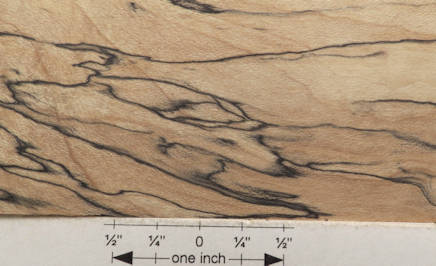
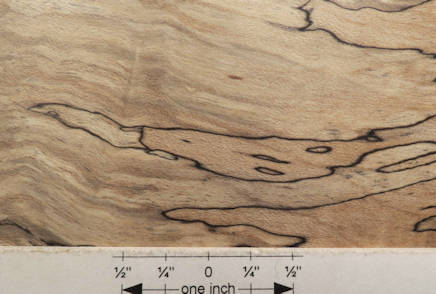
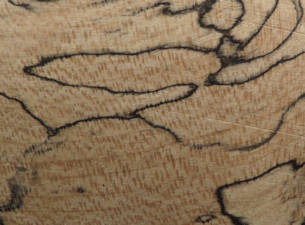
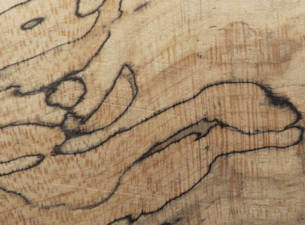
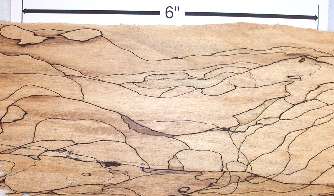
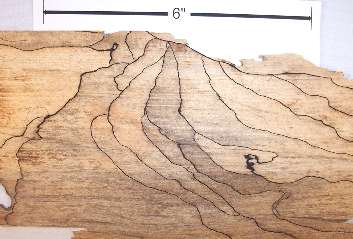
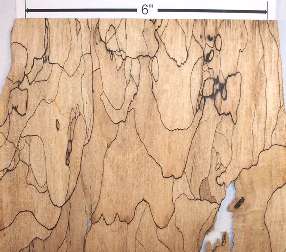
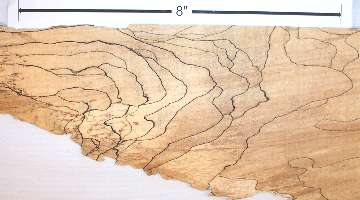
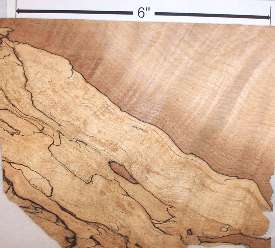
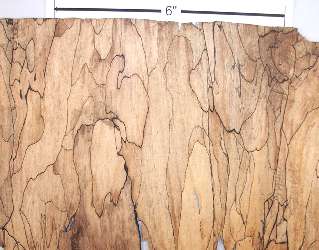
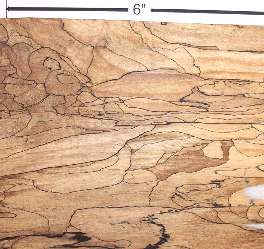
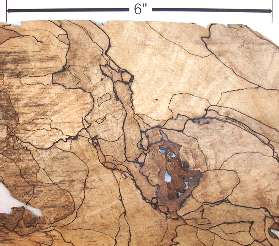
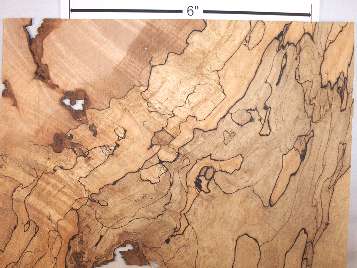
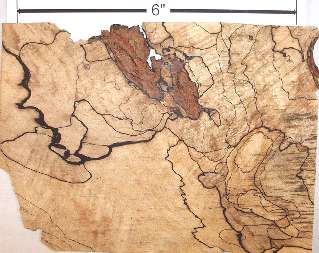
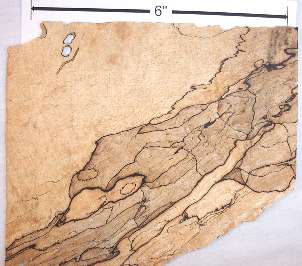
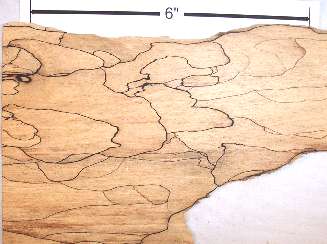
all of the pics below are of some thick veneer that I got in an odds and ends lot from a jewlery box maker who makes his own veneer. As far as either of us know, this kind of veneer is simply not available commercially. I put in so many pictures because this is just an outstanding set of examples of the variety of what really good spalted maple can look like. The spalting lines appear somewhat ragged in these pics but that is an effect of the image reduction. If you go to the "enlargement" (which is actually the original image), the you will see the lines as they really look. These are among the best examples of complex black-line spalting that I've ever seen. Interestingly (well, to me anyway) a band in England called Rainy asked for (and I gave) permission to use a couple of these on the cover and liner of their album Hold On To the Rythm. They changed the aspect ratio a bit but all of the pics on the front, back, liner, and the CD itself are recognizably from these shots.
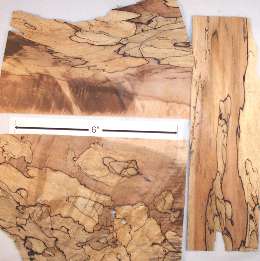
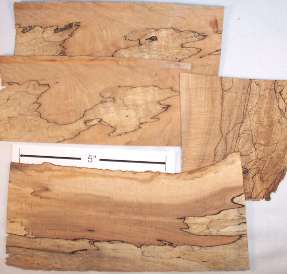
a couple of thins donated by Jim Glynn --- thanks Jim.
web pics:
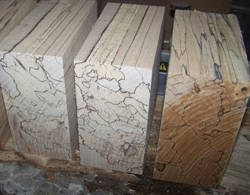
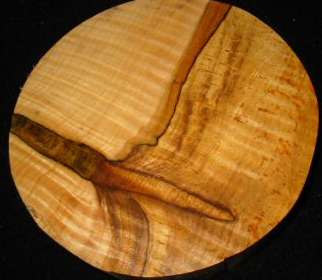
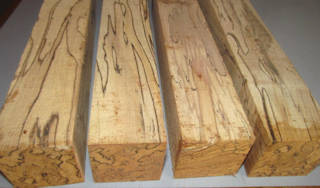
end grain of a spalted hard maple cookie and of a pair of spalted hard maple planks --- the originals of these were a ridiculous purple color and I have corrected them as much as I could to make them look more like real wood, but they are still not color correct, I am sure. That cookie is a spectacular piece of spalted wood.
end grain of spalted maple pieces
bookmatched end grain scales --- these are going to make a REALLY beautiful pair of knife handles or pistol grips.
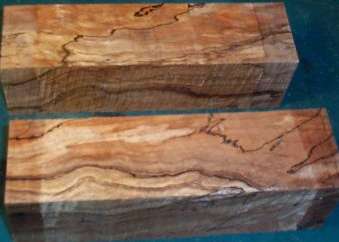
planks
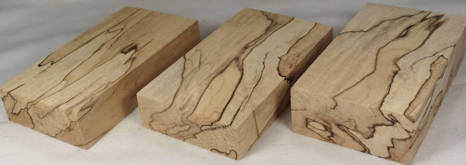
misc spalted maple pieces, all from the same vendor. Color in the pics is likely just a tad too orange
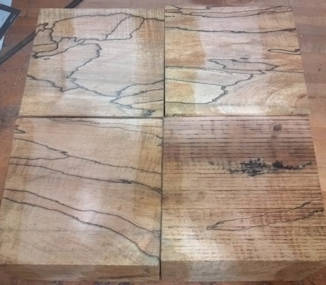
set of planks showing both sides of each; because of the color, I'm thinking this is likely red maple
sets of planks showing (for each) both sides and the end grain; because of the color, I'm thinking this is likely red maple
plank and end grain
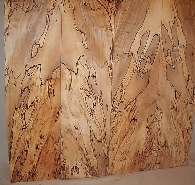
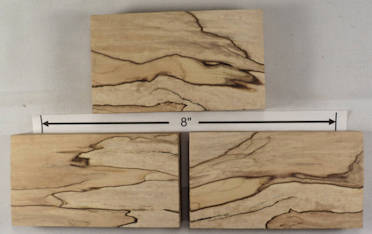
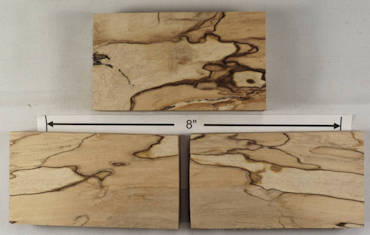
bookmatched planks
spalted planks from a vendor whom I know puts too much red in her pics. The spalt lines, which are terrific, show up much better in the enlargement
bookmatched planks with two closeups. I'm confident this has been moistened and the dark reddish color is not likely to be correct
bookmatched spalted pair and closeup --- color looks to me to probably be very accurate
bookmatched spalted pair --- color looks to me to probably be very accurate
curly plank, almost certainly moistened for the pic
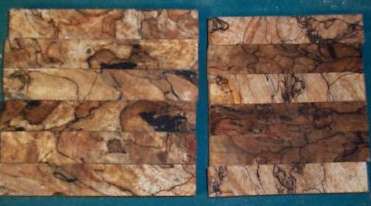
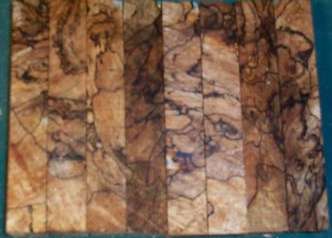
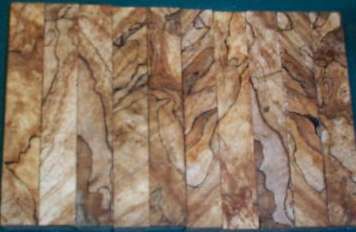
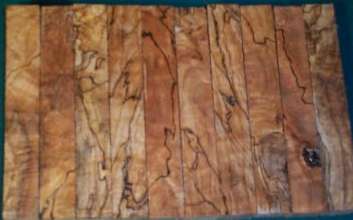
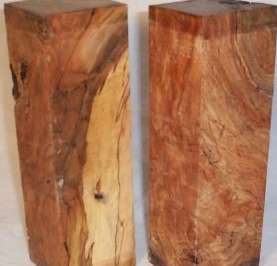
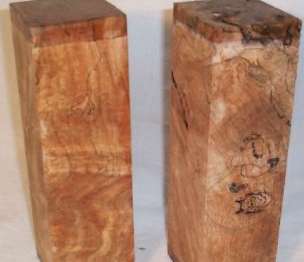
pen blanks
pen blanks --- it appears to me that all of these has been moistened (or possibly waxed)
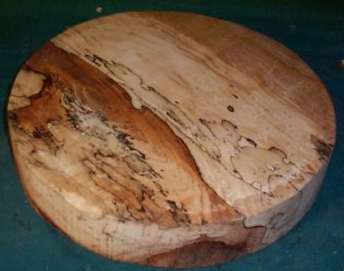
bowl blanks with edges dipped in wax
turning sticks with ends dipped in wax
turning stock
both sides of a turning round
turning round
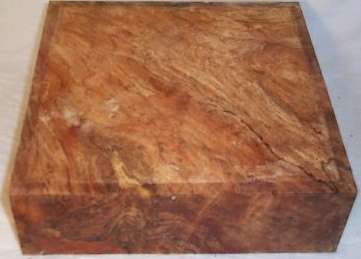
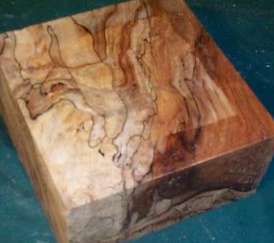
spalted bowl blanks
spalted curly turning round
spalted turning stock
spalted burl
"turkey pot", raw and finished
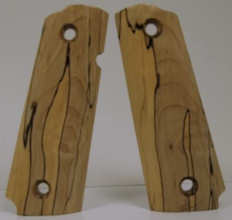
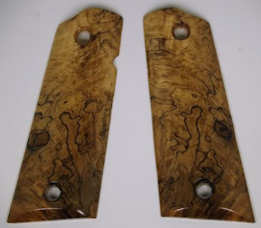
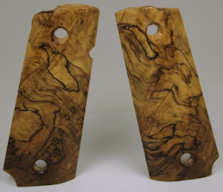
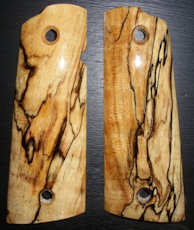
spalted maple pistol grips
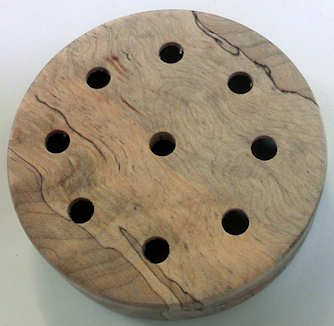
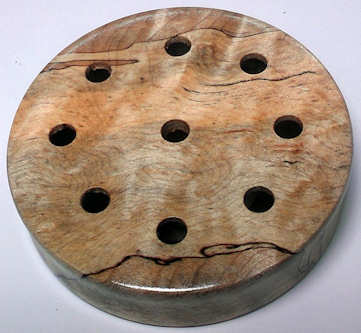
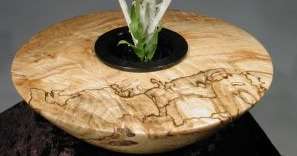
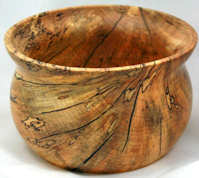
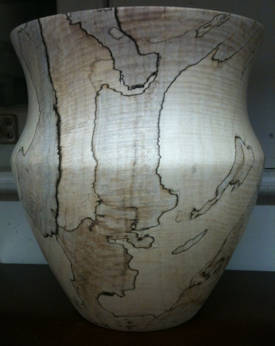
spalted maple flower vase and bowl
two views of a bowl by Mike Hawkins
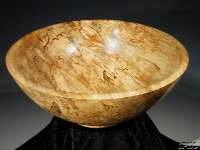
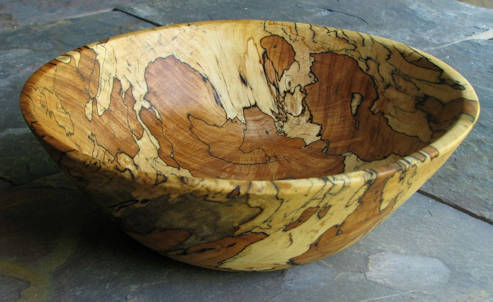
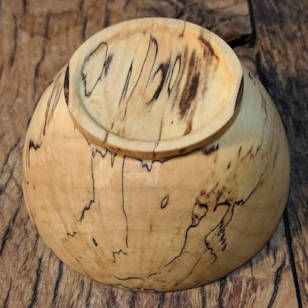
bowl made from spalted sugar maple
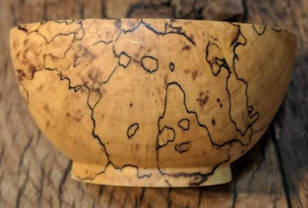
bowls
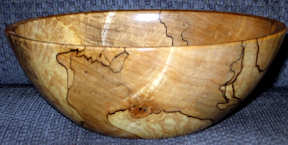
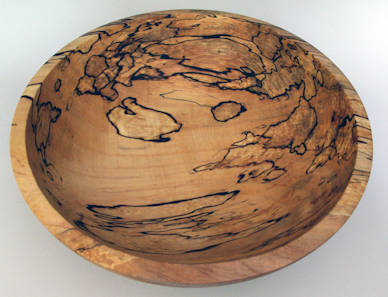
two views of a spalted maple bowl
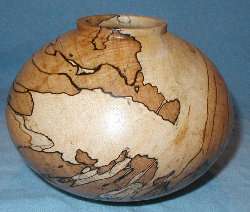
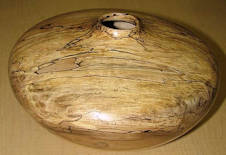
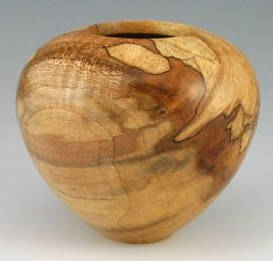
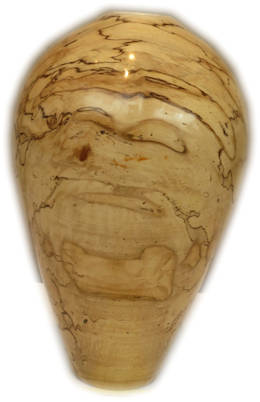
hollow forms
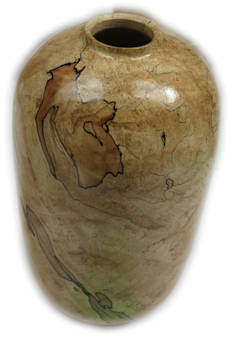
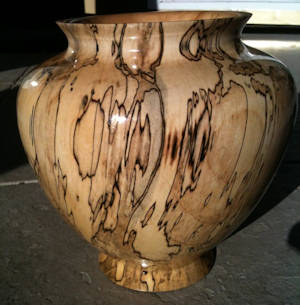
spalted maple hollow form shot at a woodworking show. The finish was listed as wood turners finish (a specialty finish product). HUGE enlargements are present.
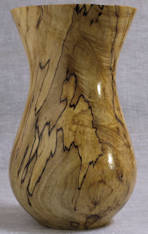
spalted maple vase shot at a wood show. The finish was listed as lacquer. HUGE enlargements are present.
a vase and 2 urns
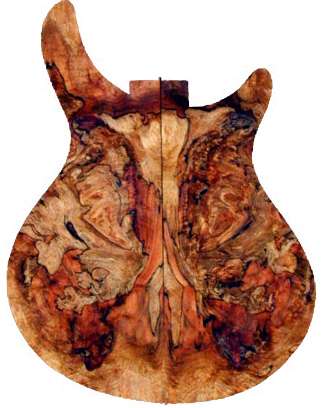
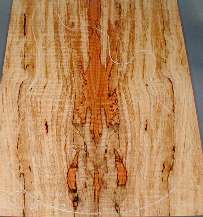
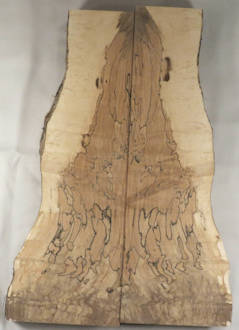
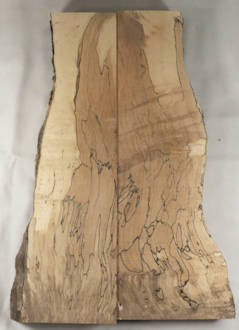
guitar back (undoubtedly moistened, but even so, quite stunning in color and variety) and a thin-wood pair ready to make into a guitar back
%20end%20grain%20s50%20web.jpg)
%20s50%20web.jpg)