Magnolia spp. of the family Magnoliaceae, including at least the following (this list is not comprehensive but is extensive enough to give a good idea of the range of species and the overlap of common names among them):
I have no idea of the extent of variability of the wood characteristics among the species, but it would be quite surprising if there were not some significant differences, given the large number of species that are all generally called "magnolia" of one kind or another.
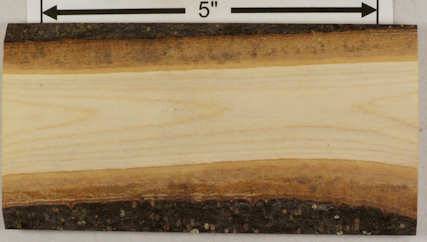
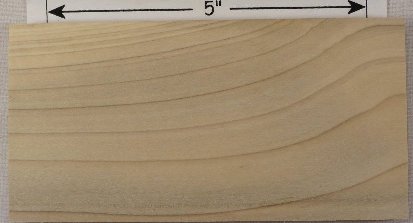
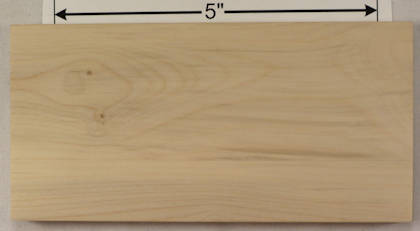
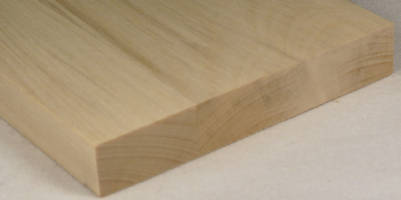
my samples: NOTE: these pics were all taken in very bright incandescent lighting ("soft white" at 2700K) colors will vary under other lighting conditions
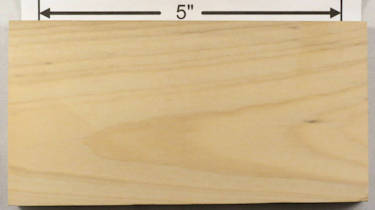
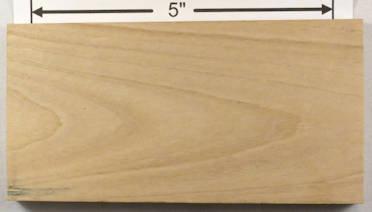
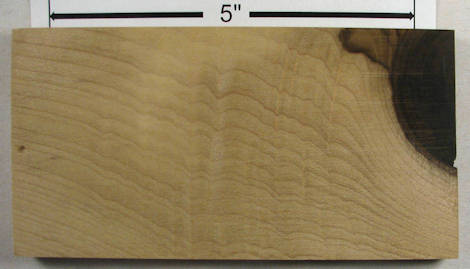
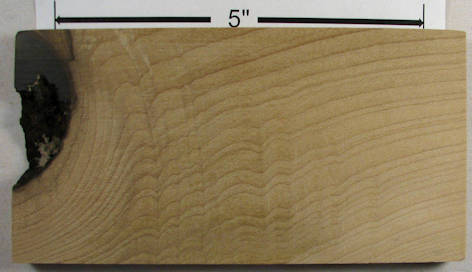
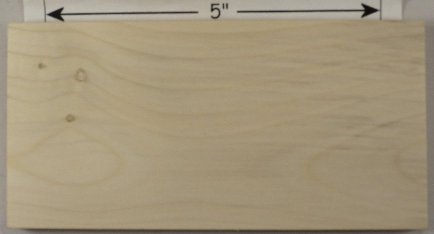
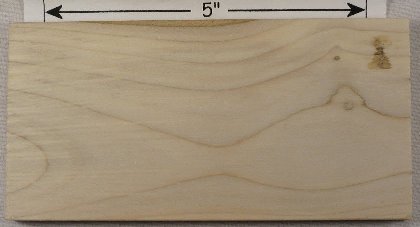
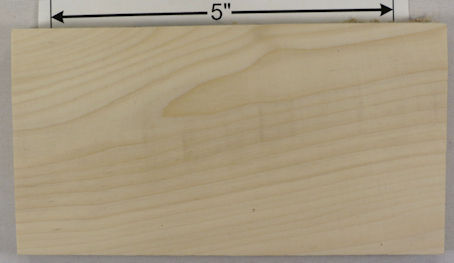
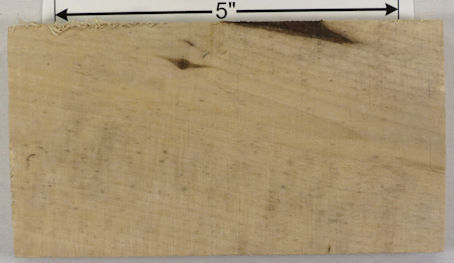
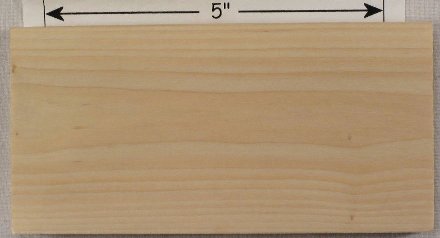
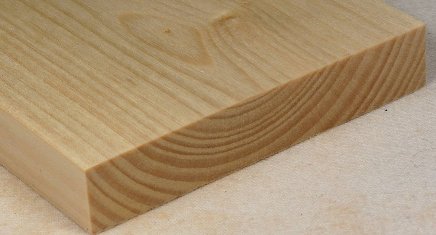
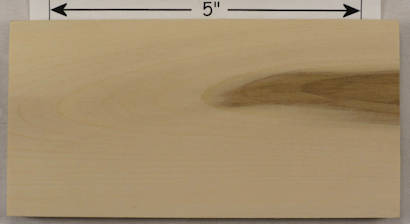
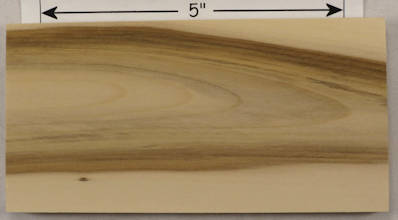
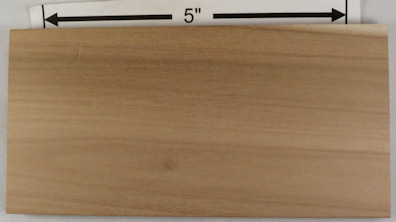
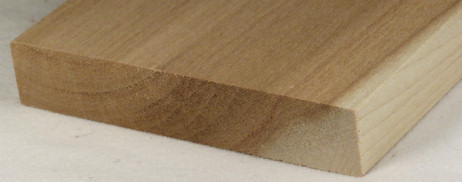
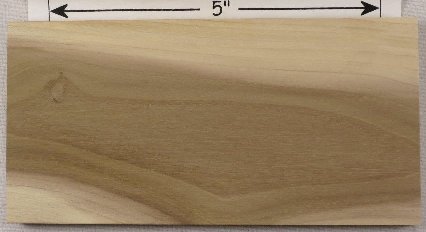
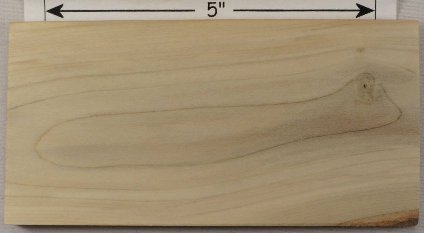
both sides of a sample plank listed as cucumbertree / Magnolia acuminata
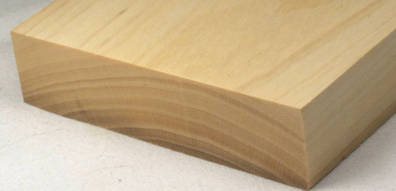
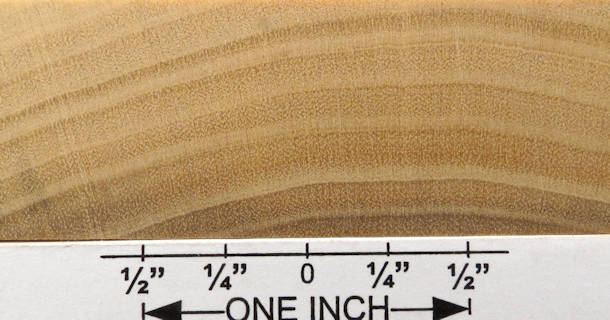
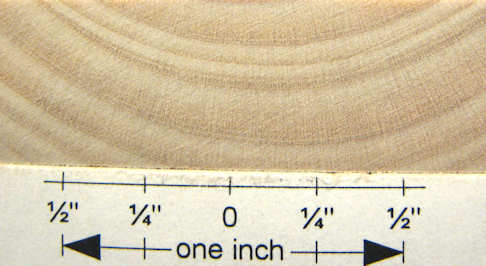
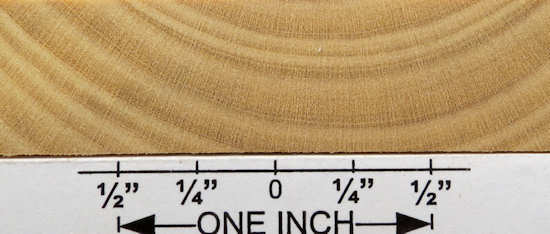
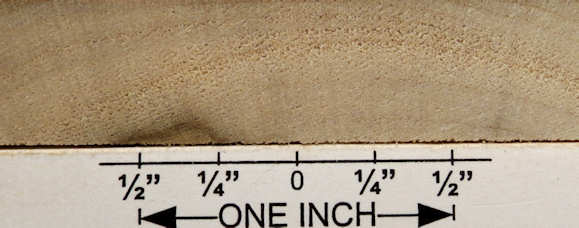
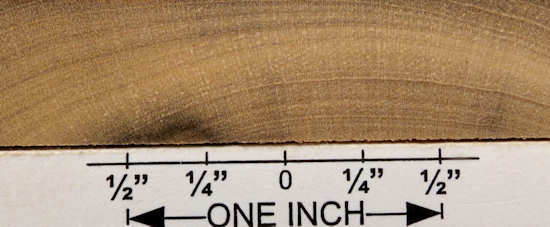
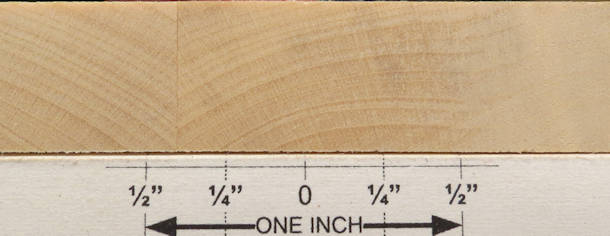
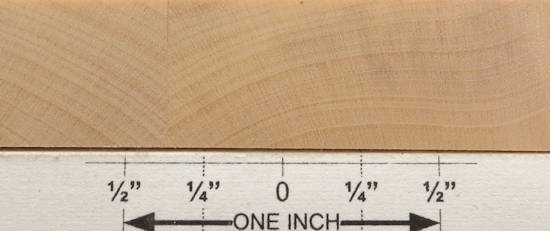
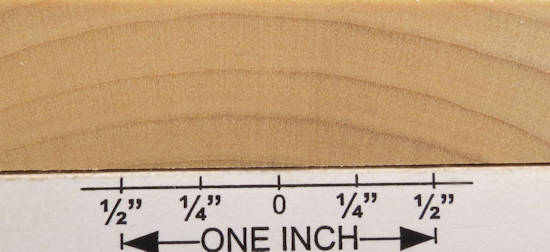
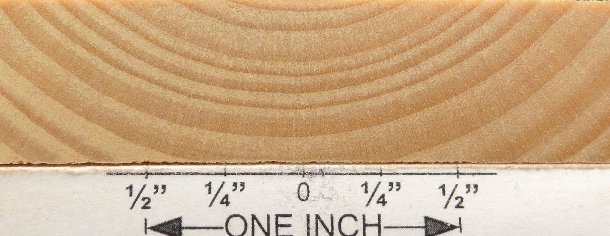
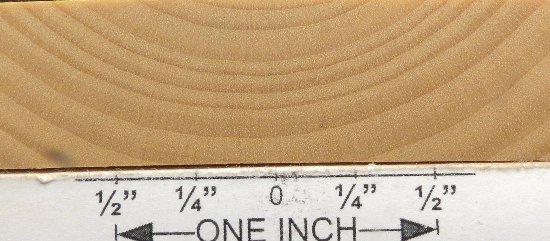
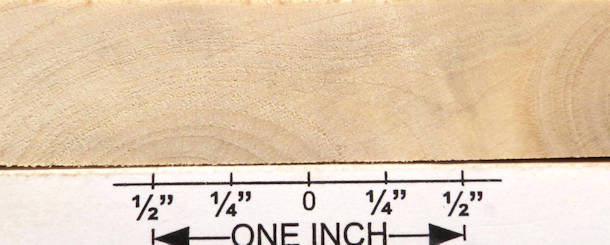
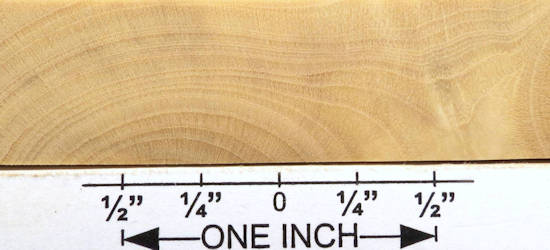
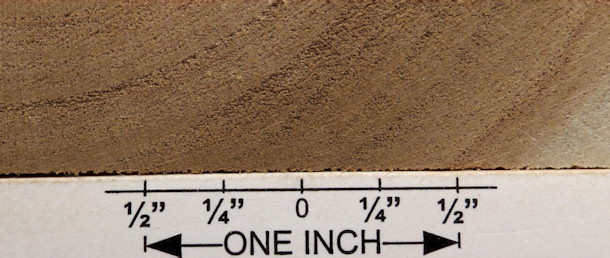
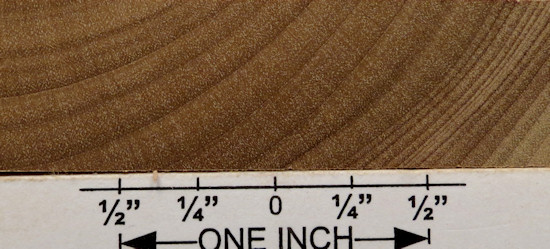
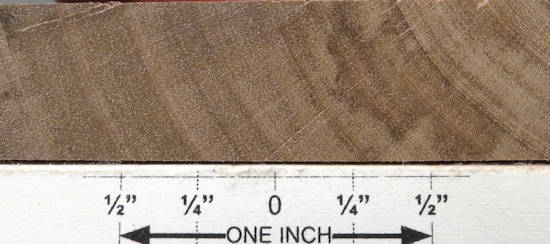
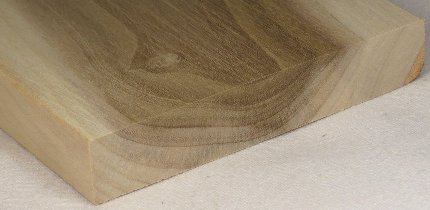
end grain and end grain closeup of the piece directly above
both sides of a sample plank of cucumbertree / Magnolia acuminata --- HUGE enlargements are present. This sample was loaned to me by David Clark whom I thank for this and other contributions to the site.
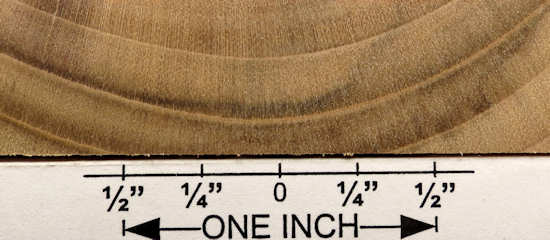
end grain and end grain closeup of the piece directly above
END GRAIN UPDATE from directly above --- as you can see from the end grain shot directly above, this piece had some very deep rough spots and this update did not get rid of them so it looks a bit "spotty" but the fine grain detail is otherwise clearly visible.
both sides of a sample plank of cucumbertree / Magnolia acuminata --- HUGE enlargements are present. This sample was loaned to me by David Clark whom I thank for this and other contributions to the site.
end grain and end grain closeup of the piece directly above
both sides of a sample plank of cucumbertree / Magnolia acuminata --- HUGE enlargements are present. This sample was loaned to me by David Clark whom I thank for this and other contributions to the site.
end grain and end grain closeup of the piece directly above
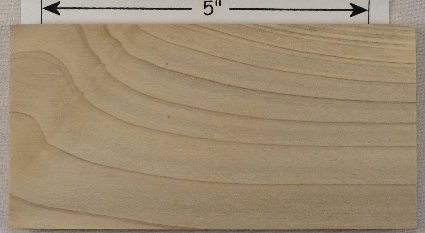
both sides of a sample plank of sweetbay / Magnolia virginiana --- HUGE enlargements are present. This sample was loaned to me by David Clark whom I thank for this and other contributions to the site.
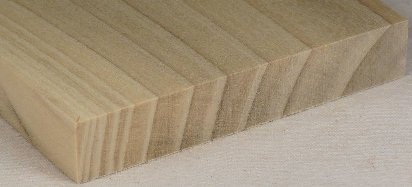
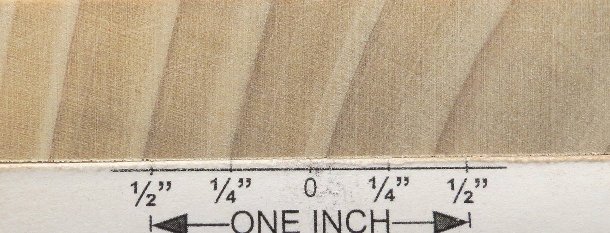
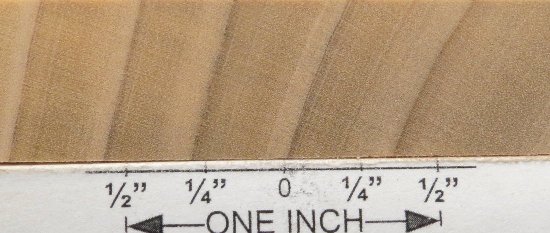
end grain and end grain closeup of the piece directly above
both sides of a sample plank of sweetbay / Magnolia virginiana --- HUGE enlargements are present. This sample was loaned to me by David Clark whom I thank for this and other contributions to the site.
end grain and end grain closeup of the piece directly above
both sides of a sample plank of sweetbay magnolia / Magnolia virginiana --- HUGE enlargements are present. This sample was loaned to me by David Clark whom I thank for this and other contributions to the site.
end grain and end grain closeup of the piece directly above
both sides of a sample plank of sweetbay magnolia / Magnolia virginiana --- HUGE enlargements are present. This sample was loaned to me by David Clark whom I thank for this and other contributions to the site.
end grain and end grain closeup of the piece directly above
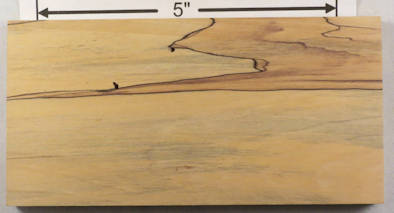
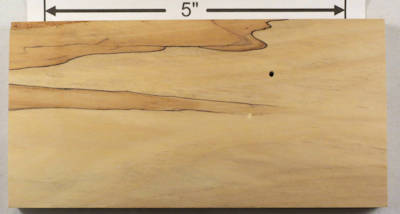
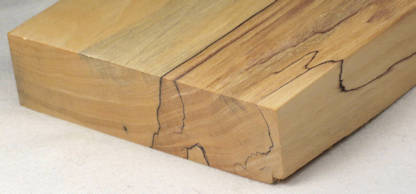
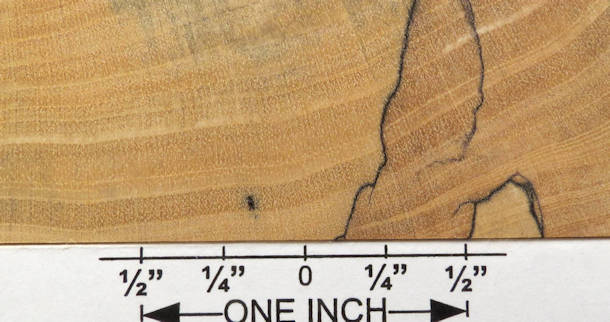
both sides of a sample piece of spalted sweet bay magnolia. The spalting lines are much clearer in the enlargements. You can also see a little blue stain on this piece.
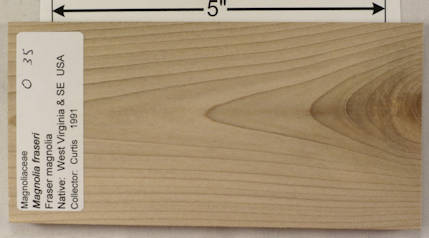
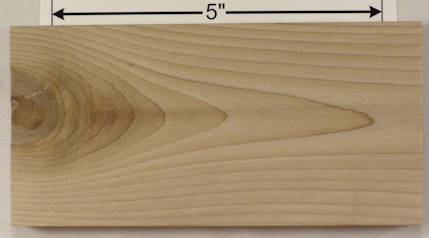
both sides of a sample plank of Fraser magnolia / Magnolia fraseri --- HUGE enlargements are present. This sample was loaned to me by Mark Peet whom I thank for this and other contributions to the site.
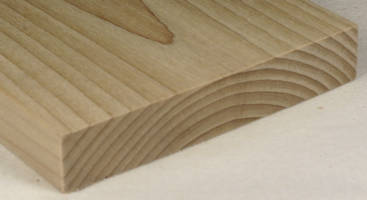
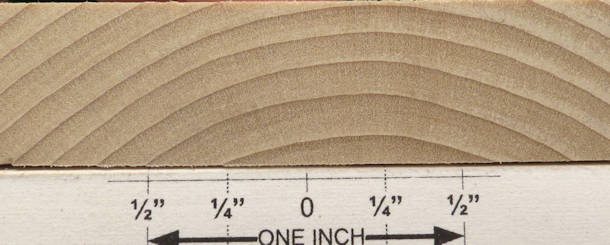
end grain and end grain closeup of the piece directly above
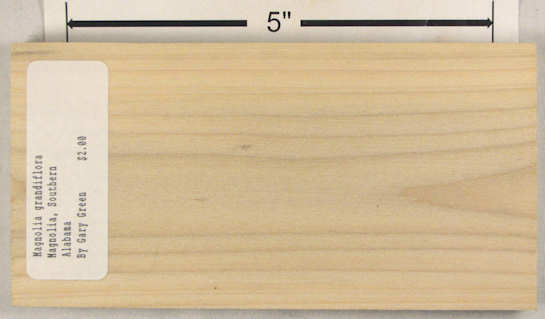
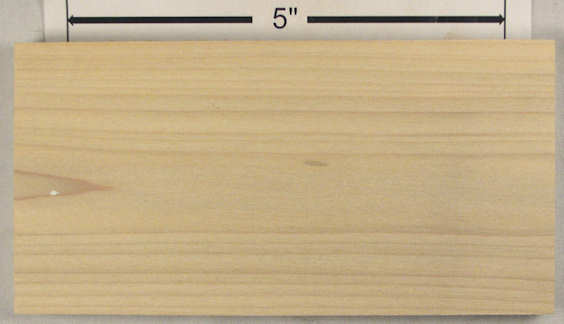
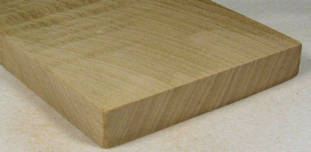
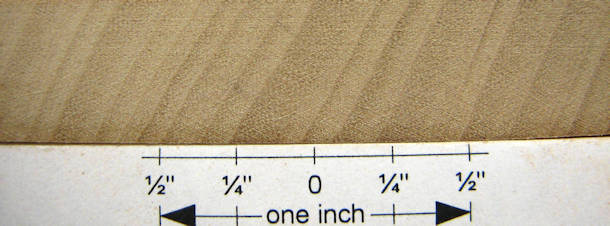
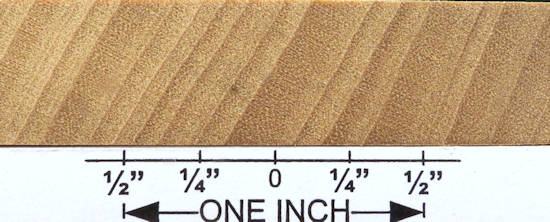
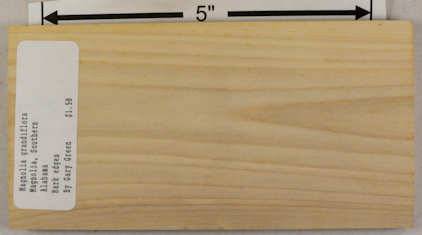
both sides of a sample plank listed as Southern magnolia / Magnolia grandiflora --- the crappy quality is because it is from the IWCS (not ALL of their samples were crappy, just a great many of them). The slight greenish tinge is correct.
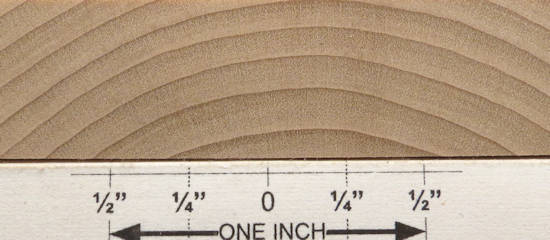
end grain and end grain closeup of the sample plank directly above
both sides of a sample plank of Southern magnolia / Magnolia grandiflora --- HUGE enlargements are present. This sample was loaned to me by David Clark whom I thank for this and other contributions to the site.
end grain and end grain closeup of the piece directly above
both sides of a sample plank of Southern magnolia / Magnolia grandiflora --- HUGE enlargements are present. This sample was loaned to me by David Clark whom I thank for this and other contributions to the site.
end grain and end grain closeup of the piece directly above
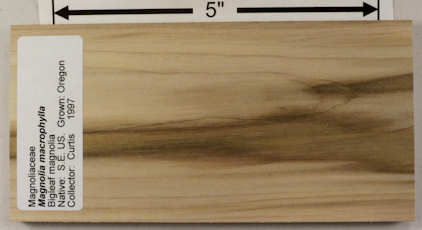
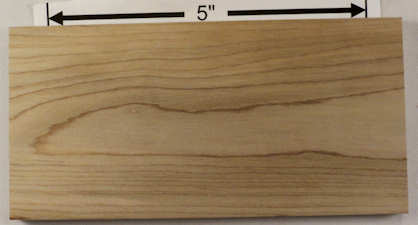
both sides of a sample plank of bigleaf magnolia / Magnolia macrophylla --- HUGE enlargements are present. This sample was loaned to me by David Clark whom I thank for this and other contributions to the site.
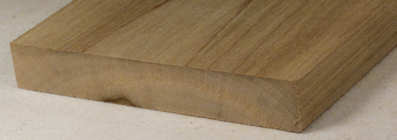
end grain and end grain closeup of the piece directly above
both sides of a sample plank of bigleaf magnolia / Magnolia macrophylla --- HUGE enlargements are present. This sample was loaned to me by David Clark whom I thank for this and other contributions to the site.
end grain and end grain closeup of the piece directly above
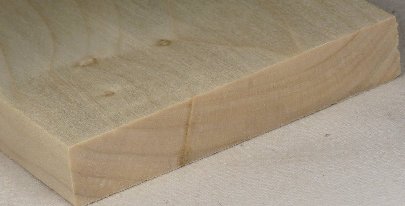
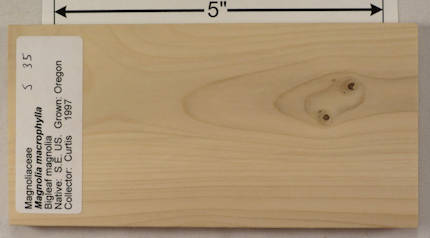
both sides of a sample plank of bigleaf magnolia / Magnolia macrophylla --- HUGE enlargements are present. This sample was loaned to me by Mark Peet whom I thank for this and other contributions to the site.
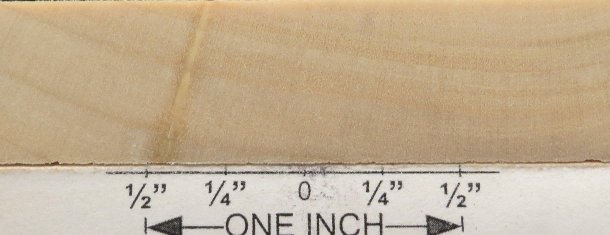
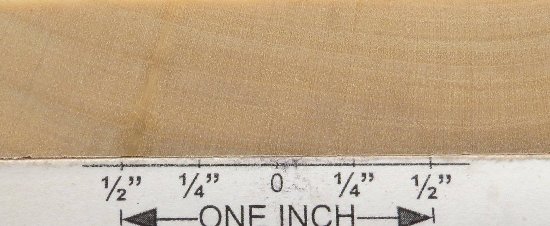
end grain and end grain closeup of the piece directly above
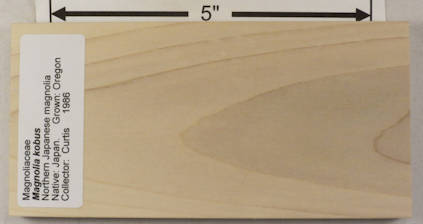
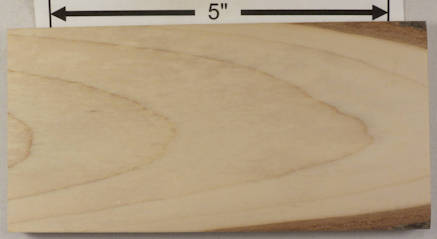
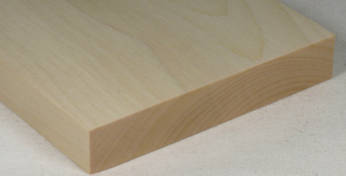
both sides of a sample plank of Northern Japanese magnolia / Magnolia kobus --- HUGE enlargements are present. This sample was loaned to me by David Clark whom I thank for this and other contributions to the site.
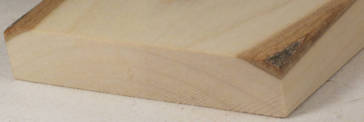
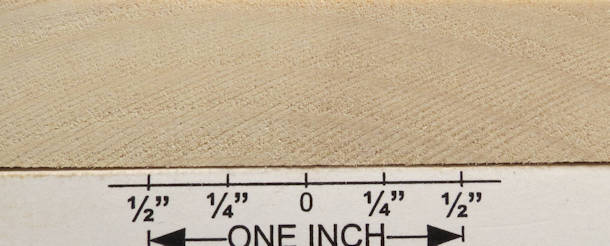
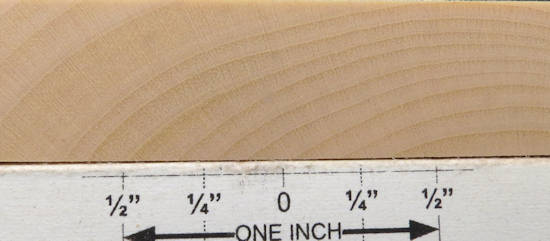
end grain and end grain closeup of the piece directly above
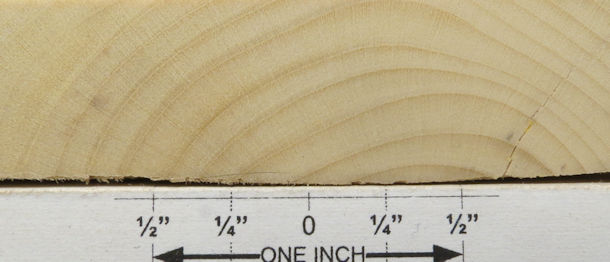
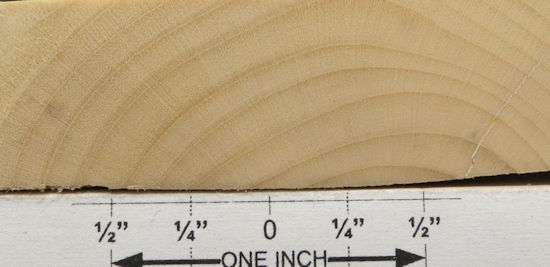
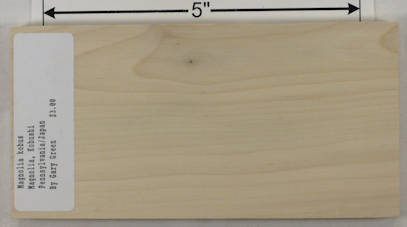
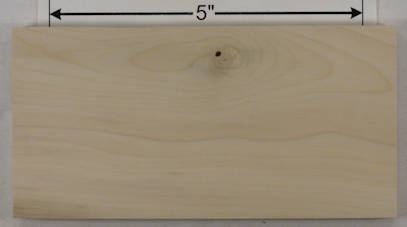
both sides of a sample plank of Japanese magnolia / Magnolia kobus --- HUGE enlargements are present. This sample was loaned to me by David Clark whom I thank for this and other contributions to the site. The first side has been sanded and the second side is raw
end grain and end grain closeup of the piece directly above
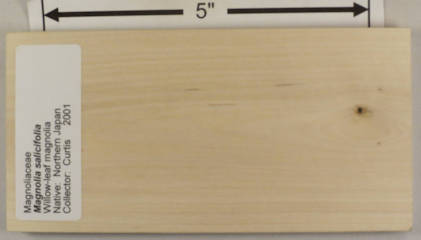
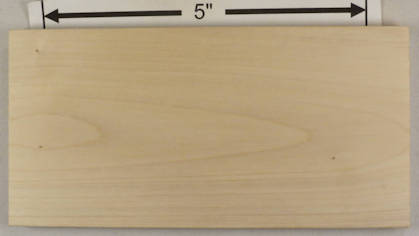
both sides of a sample plank of willow leaf magnolia / Magnolia salicifolia --- HUGE enlargements are present. This sample was loaned to me by David Clark whom I thank for this and other contributions to the site.
end grain and end grain closeup of the piece directly above
both sides of a sample plank of willow leaf magnolica / Magnolia salicifolia --- HUGE enlargements are present. This sample was loaned to me by David Clark whom I thank for this and other contributions to the site.
end grain and end grain closeup of the piece directly above
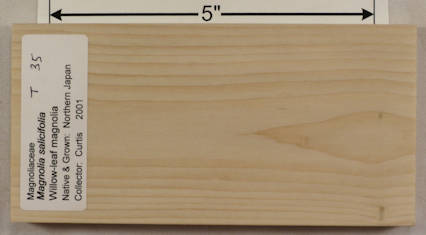
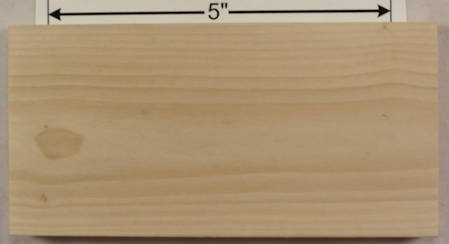
both sides of a sample plank of willow leaf magnolica / Magnolia salicifolia --- HUGE enlargements are present. This sample was loaned to me by Mark Peet whom I thank for this and other contributions to the site.
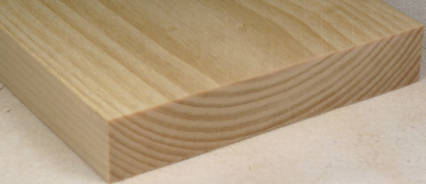
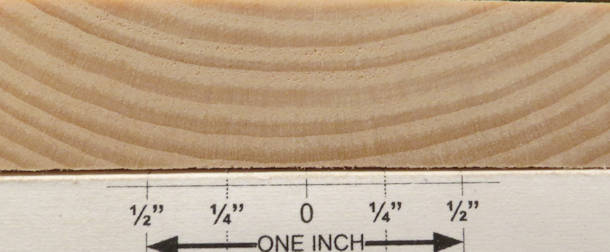
end grain and end grain closeup of the piece directly above
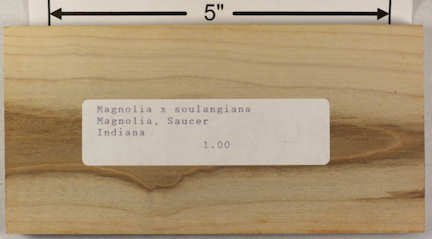
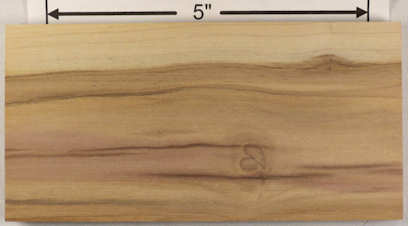
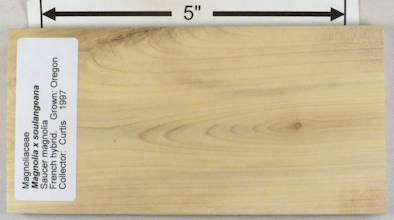
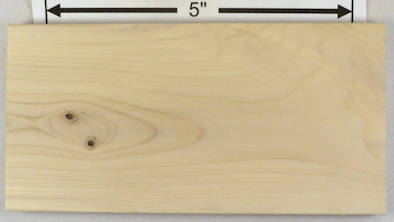
both sides of a sample plank of saucer magnolia / Magnolia x soulangeana --- HUGE enlargements are present. This sample was loaned to me by David Clark whom I thank for this and other contributions to the site.
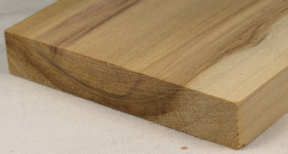
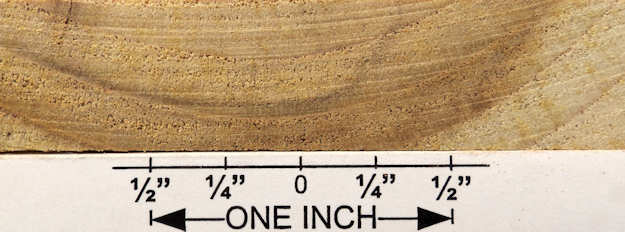
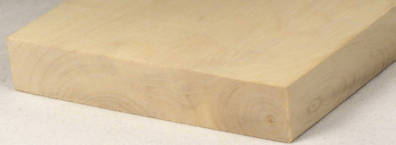
end grain and end grain closeup of the piece directly above
both sides of a sample plank of saucer magnolia / Magnolia x soulangeana --- HUGE enlargements are present. This sample was loaned to me by David Clark whom I thank for this and other contributions to the site.
end grain and end grain closeup of the piece directly above
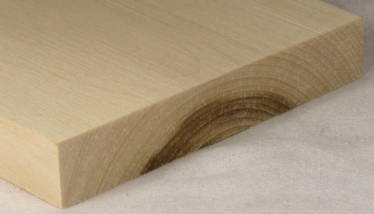
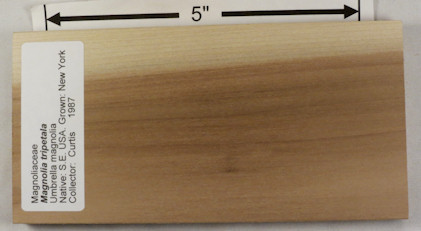
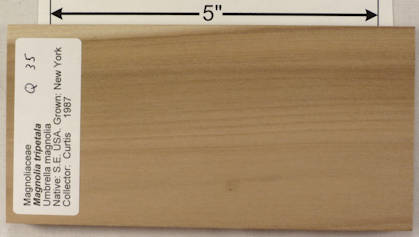
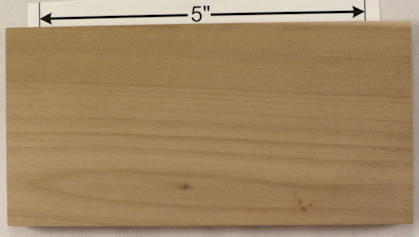
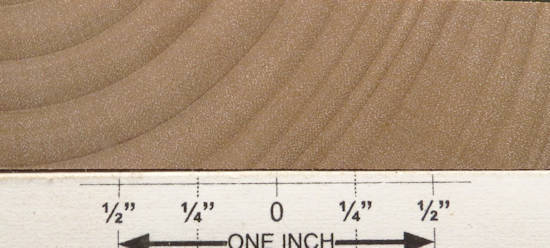
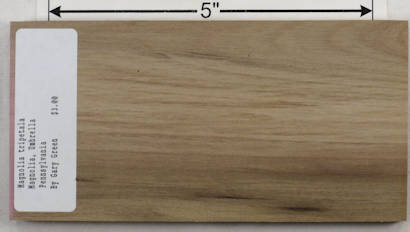
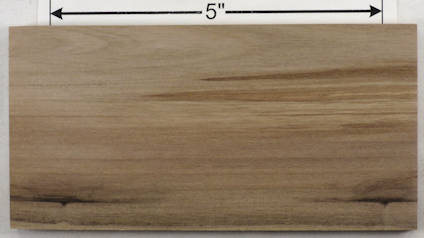
both sides of a sample plank of umbrella magnolia / Magnolia tripetala --- HUGE enlargements are present. This sample was loaned to me by David Clark whom I thank for this and other contributions to the site.
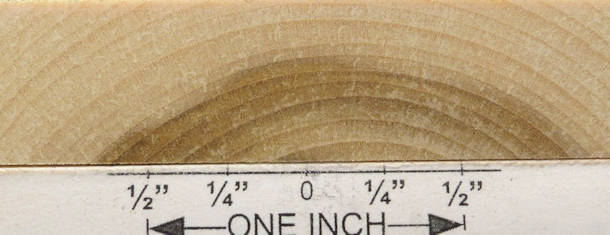
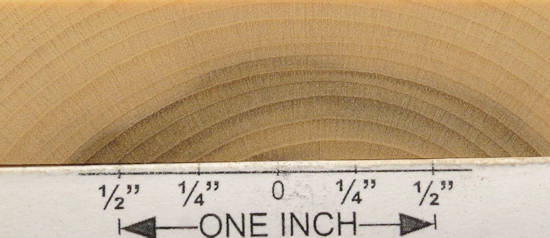
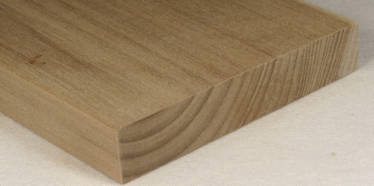
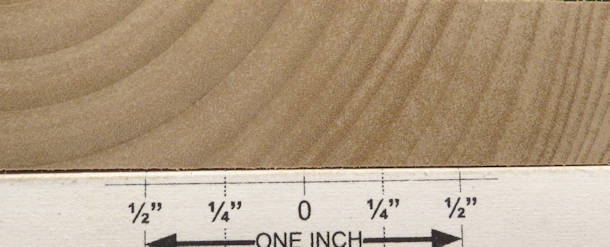
end grain and end grain closeup of the piece directly above
both sides of a sample plank of umbrella magnolia / Magnolia tripetala --- HUGE enlargements are present. This sample was loaned to me by Mark Peet whom I thank for this and other contributions to the site.
end grain and end grain closeup of the piece directly above
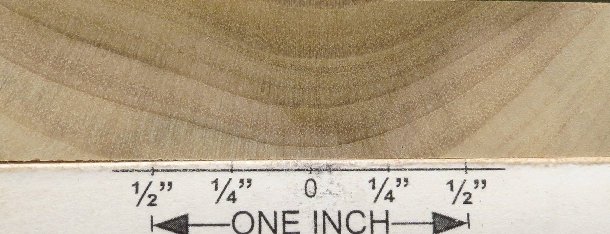
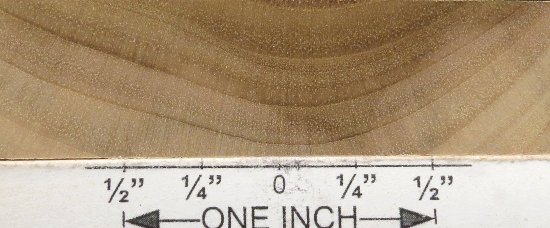
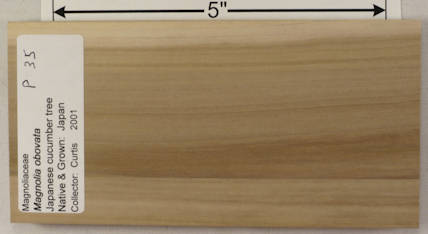
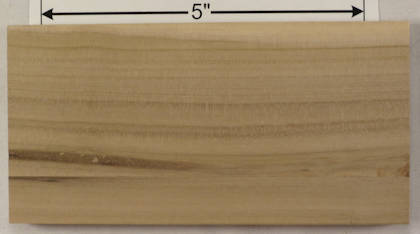
both sides of a sample plank of Japanese cucumbertree / Magnolia obovata --- HUGE enlargements are present. This sample was loaned to me by David Clark whom I thank for this and other contributions to the site.
end grain and end grain closeup of the piece directly above
both sides of a sample plank of Japanese cucumbertree / Magnolia obovata --- HUGE enlargements are present. This sample was loaned to me by Mark Peet whom I thank for this and other contributions to the site.
end grain and end grain closeup of the piece directly above
both sides of a sample plank of yellow lilly tree / Magnolia ernestii --- HUGE enlargements are present. This sample was loaned to me by David Clark whom I thank for this and other contributions to the site.
end grain and end grain closeup of the piece directly above
both sides of a sample plank of yellow lilly tree / Magnolia ernestii --- HUGE enlargements are present. This sample was loaned to me by David Clark whom I thank for this and other contributions to the site.
end grain and end grain closeup of the piece directly above
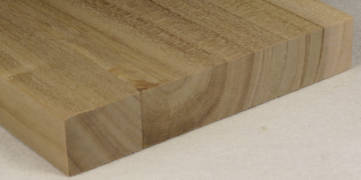
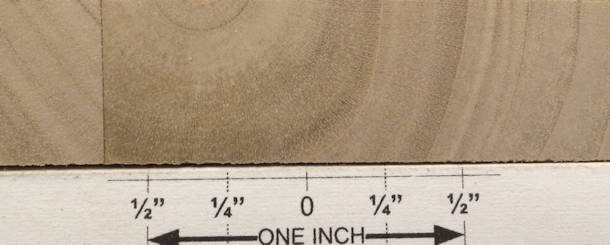
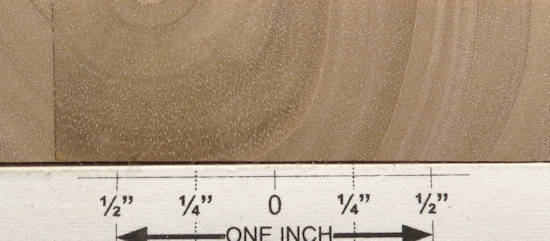
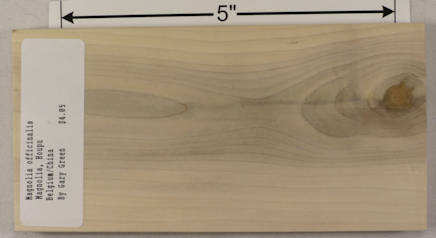
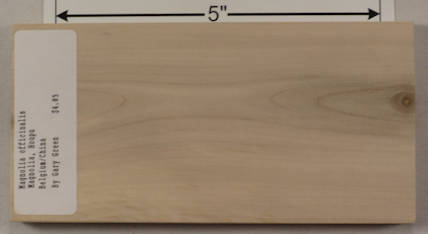
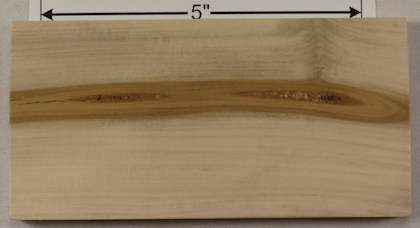
both sides of a sample plank of houpu magnolia / Magnolia officinalis --- HUGE enlargements are present. This sample was loaned to me by Mark Peet whom I thank for this and other contributions to the site.
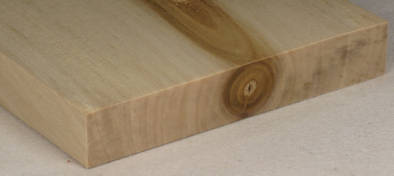
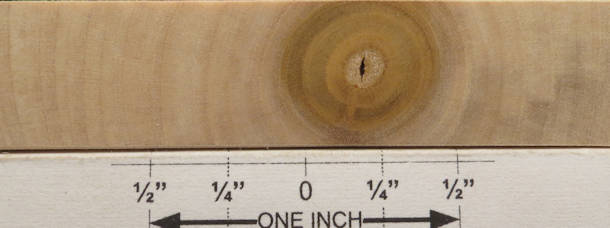
end grain and end grain closeup of the piece directly above
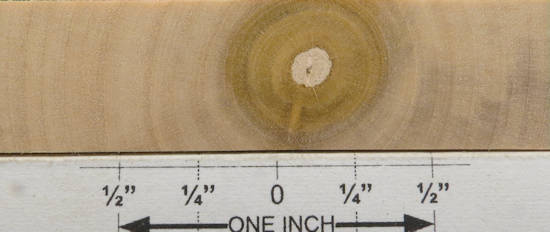
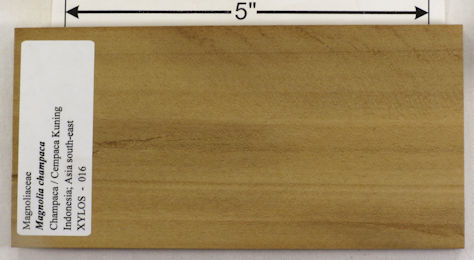
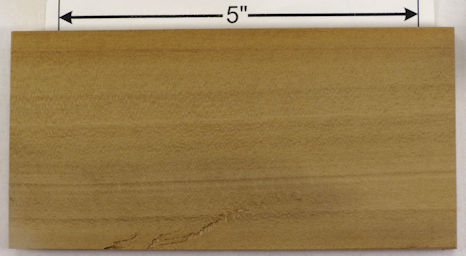
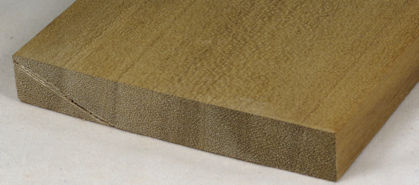
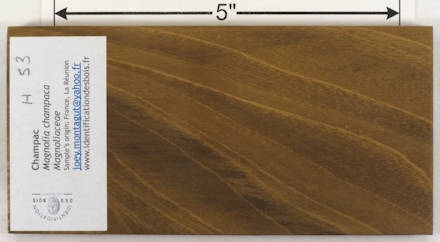
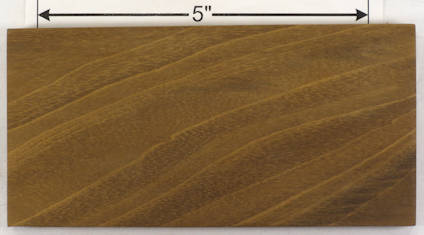
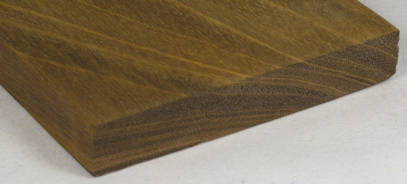
both sides of a sample plank of chempaka magnolia / Magnolia chempaka --- HUGE enlargements are present. This sample was loaned to me by Mark Peet whom I thank for this and other contributions to the site. NOTE: this species does not look much like other magnolias (in particular the pore density is much lower) and I believe that to be because it used to be categorized differently (as Michelia champaca) and changing it to a Magnolia species was based on external (tree) characteristics and had nothing to do with the characteristics of the wood itself. I also note that as of this writing (mid-2022) most reference works still call this Michelia champaca
both sides of a sample plank of chempaka magnolia / Magnolia chempaka --- HUGE enlargements are present. This sample was loaned to me by Mark Peet whom I thank for this and other contributions to the site. NOTE: this species does not look much like other magnolias (in particular the pore density is much lower) and I believe that to be because it used to be categorized differently (as Michelia champaca) and changing it to a Magnolia species was based on external (tree) characteristics and had nothing to do with the characteristics of the wood itself. I also note that as of this writing (mid-2022) most reference works still call this Michelia champaca
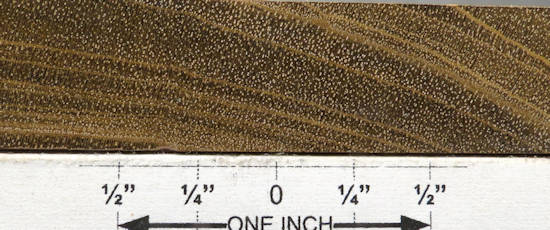
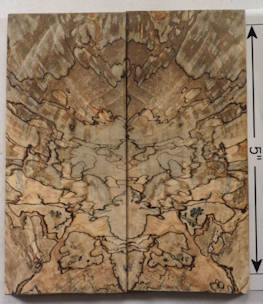
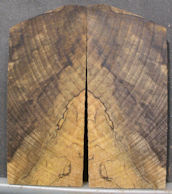
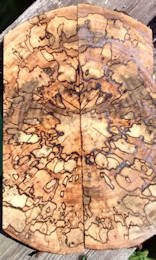
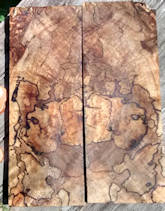
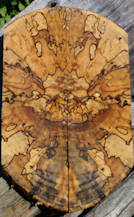
spalted end grain magnolia scales David Clark whom I thank for this and other contributions to the site.
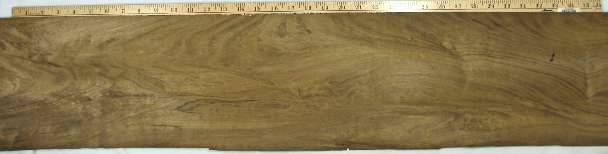
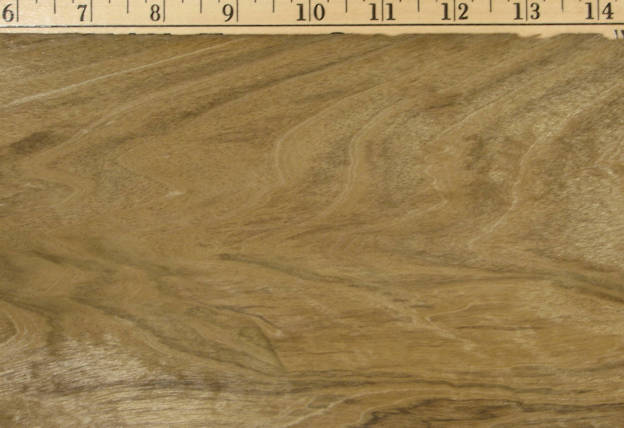
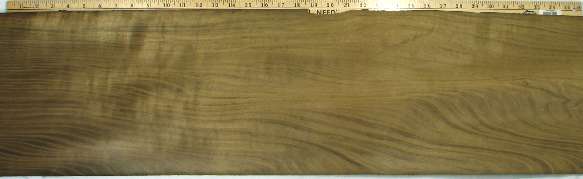
two sections of the same long veneer piece, and a closeup. This piece and the one directly below were contributed to the site by Daniel Deulen, whom I thank for this and other contributions. The green color is correct.
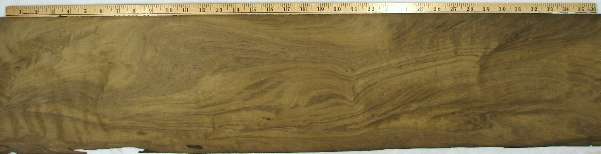
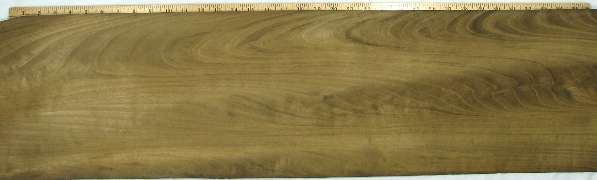
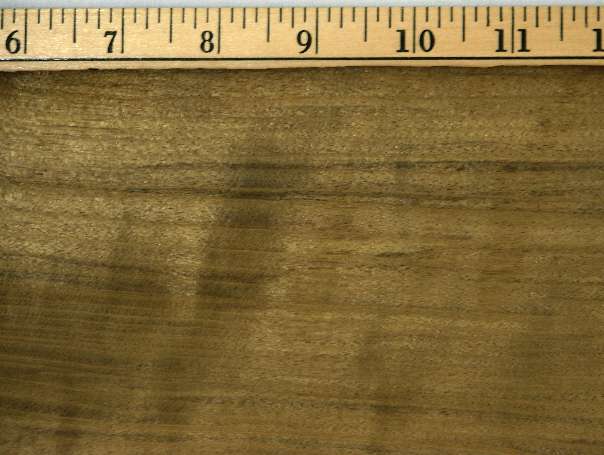
two sections of the same long veneer piece, and a closeup. The green color is correct.
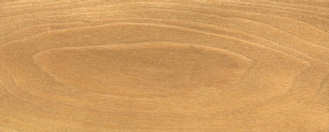
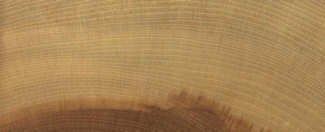
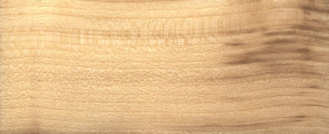
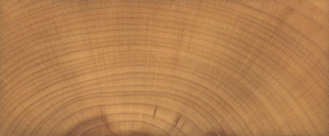
flat cut, quartersawn, end grain
mountain magnolia (Magnolia acuminata aka cucumbertree) from The Wood Book --- both levels of enlargement are present for all 3 views
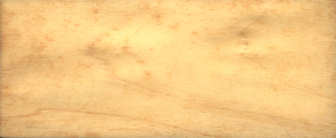
flat cut, quartersawn, end grain
small magnolia (Magnolia glauca aka sweet bay, white laurel, swamp laurel, and beaver-tree) from The Wood Book --- both levels of enlargement are present for all 3 views
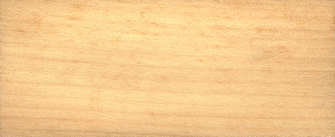
flat cut, quartersawn, end grain
magnolia (Magnolia grandiflora, aka big laurel and bull bay) from The Wood Book --- both levels of enlargement are present for all 3 views
flat cut, quartersawn, end grain
Fraser magnolia (Magnolia fraseri, aka ear-leaf cucumbertree and long-leaf cucumbertree) from The Wood Book --- both levels of enlargement are present for all 3 views
web pics:
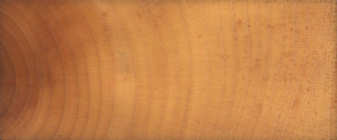
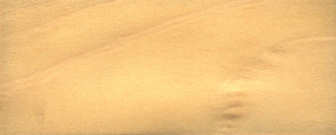
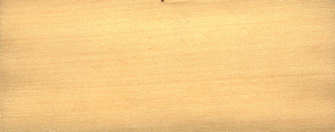
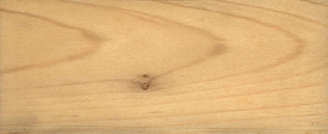
flat cut, quartersawn, and end grain
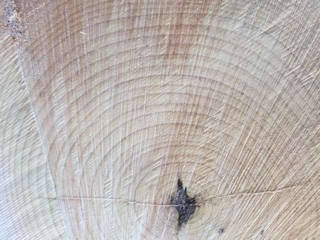
log end
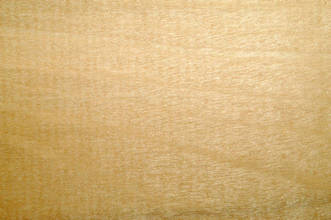
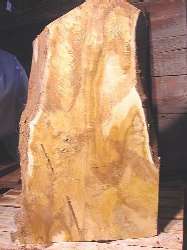
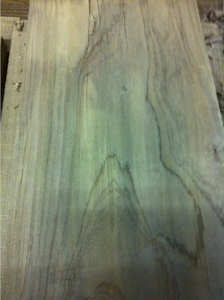
planks listed as just "magnolia"
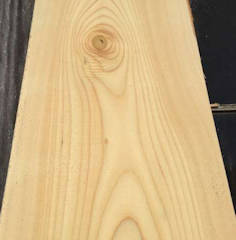
plank listed as magnolia / Magnolia acuminata
listed as "cucumber" magnolia --- I had no idea whether that is a common designation or the whimsy of a particular vendor but have now been told by Leamon Hinkle from Kentucky that the designation "cucumber" is used by older men in his region for a very broad-leaved tree, possibly because it has a seed pod that looks somewhat like a cucumber. Inspired by that information I did some further digging and found that there are varieties of magnolia that are in fact commonly called "cucumbertree". Botanical designations for such trees are Magnolia acuminat and Magnolia grandifoli. Thanks, Leamon.
listed as "southern" magnolia, this exact same pic was seen on another site where it was listed as "sweet bay" magnolia
southern magnolia
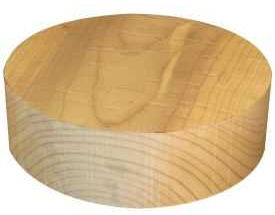
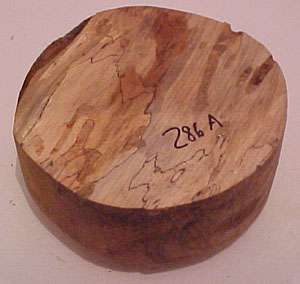
bowl blank and spalted bowl blank
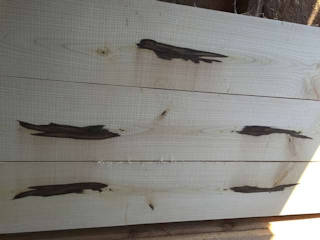
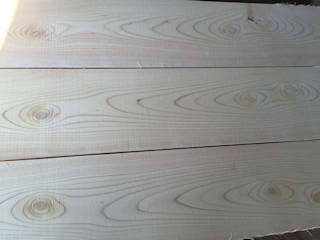
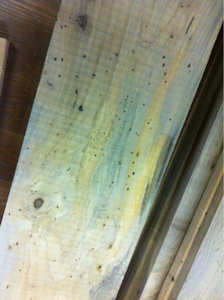
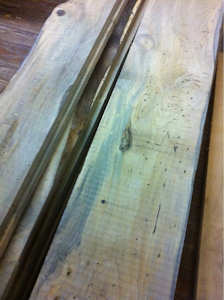
two planks listed as "tropical green" magnolia --- I suspect that the "green" in this case refers to "unseasoned" as opposed to a variety of the species, but I don't know that for sure.
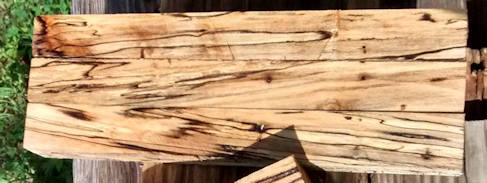
spalted magnolia planks
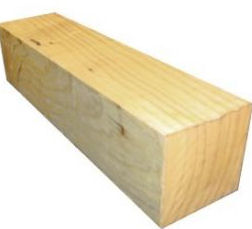
turning stock
spalted plank
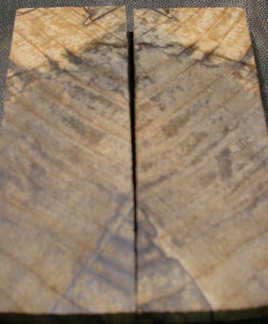
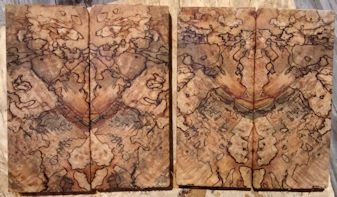
spalted scales
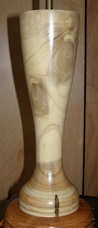
turned and polished lamp shaft and a rolling pin
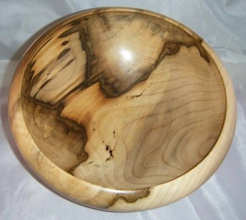
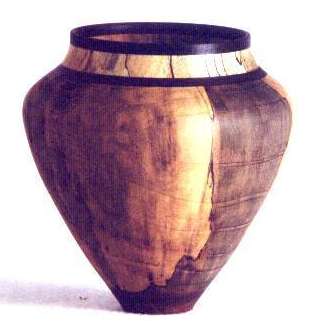
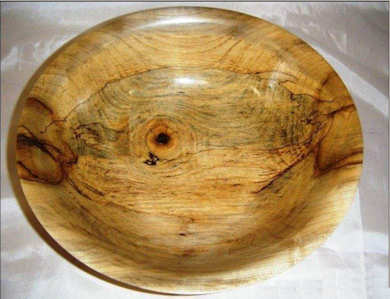
bowl made from spalted magnolia
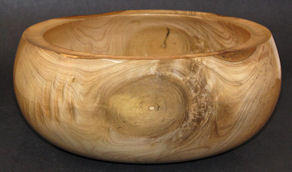
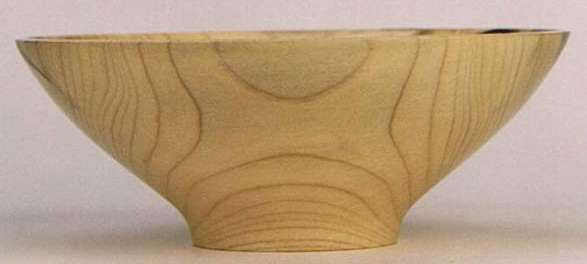
bowl --- the grain pattern is stronger than in the few samples I've seen, but that could be due to a finish or it could just be a tree with a more pronounced grain.
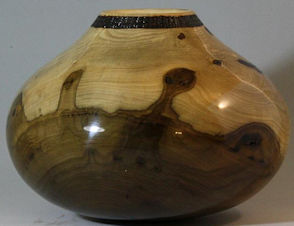
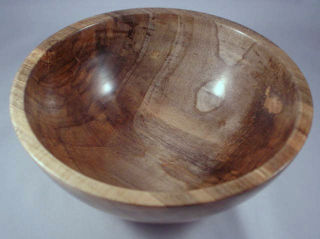
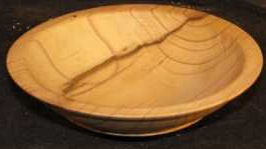
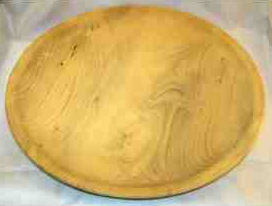
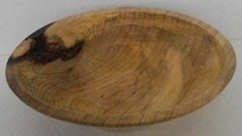
bowls
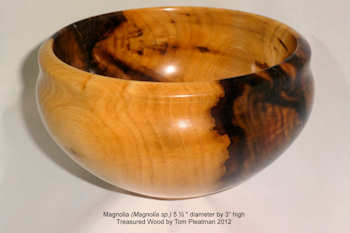
magnolia bowl turned and photographed by Tom Pleatman, whom I thank for this pic and other contributions to the site. Big enlargements are present.
%201a%20s25%20plh.jpg)
%201b%20s25%20plh.jpg)
%201%20end%20grain%20s25%20plh.jpg)
%201%20end%20grain%20closeup%20s25%20plh.jpg)
%201%20end%20grain%20closeup%202%20s25%20plh.jpg)
%202a%20s25%20plh.jpg)
%202b%20s25%20plh.jpg)
%202%20end%20grain%20s25%20plh.jpg)
%202%20end%20grain%20closeup%20s25%20plh.jpg)
%202%20end%20grain%20closeup%202%20s25%20plh.jpg)
%203a%20s25%20plh.jpg)
%203b%20s25%20plh.jpg)
%203%20end%20grain%20s25%20plh.jpg)
%203%20end%20grain%20closeup%20s25%20plh.jpg)
%204a%20s25%20plh.jpg)
%204b%20s25%20plh.jpg)
%204%20end%20grain%20s25%20plh.jpg)
%204%20end%20grain%20closeup%20s25%20plh.jpg)
%204%20end%20grain%20closeup%202%20s25%20plh.jpg)
%201a%20s25%20plh.jpg)
%201b%20s25%20plh.jpg)
%201%20end%20grain%20s25%20plh.jpg)
%201%20end%20grain%20closeup%20s25%20plh.jpg)
%201%20end%20grain%20closeup%202%20s25%20plh.jpg)
%202a%20s25%20plh.jpg)
%202b%20s25%20plh.jpg)
%202%20end%20grain%20s25%20plh.jpg)
%202%20end%20grain%20closeup%20s25%20plh.jpg)
%202%20end%20grain%20closeup%202%20s25%20plh.jpg)
%203a%20s25%20plh.jpg)
%203b%20s25%20plh.jpg)
%203%20end%20grain%20s25%20plh.jpg)
%203%20end%20grain%20closeup%20s25%20plh.jpg)
%204a%20s25%20plh.jpg)
%204b%20s25%20plh.jpg)
%204%20end%20grain%20s25%20plh.jpg)
%204%20end%20grain%20closeup%20s25%20plh.jpg)
%204%20end%20grain%20closeup%202%20s25%20plh.jpg)
%205a%20s25%20plh.jpg)
%205b%20s25%20plh.jpg)
%205%20end%20grain%20s25%20plh.jpg)
%205%20end%20grain%20closeup%20s25%20plh.jpg)
%205%20end%20grain%20closeup%202%20s25%20plh.jpg)
%201a%20s25%20plh.jpg)
%201b%20s25%20plh.jpg)
%201%20end%20grain%20s25%20plh.jpg)
%201%20end%20grain%20closeup%20s25%20plh.jpg)
%201%20end%20grain%20closeup%202%20s25%20plh.jpg)
%202a%20s25%20plh.jpg)
%202b%20s25%20plh.jpg)
%202%20end%20grain%20s25%20plh.jpg)
%202%20end%20grain%20closeup%20s25%20plh.jpg)
%202%20end%20grain%20closeup%202%20s25%20plh.jpg)
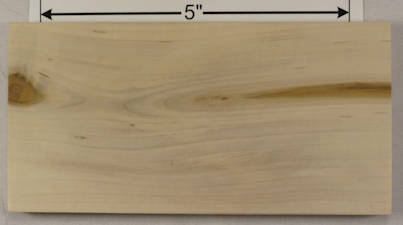
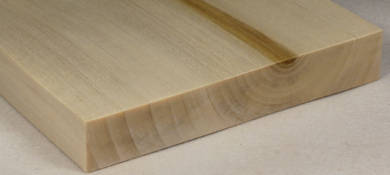
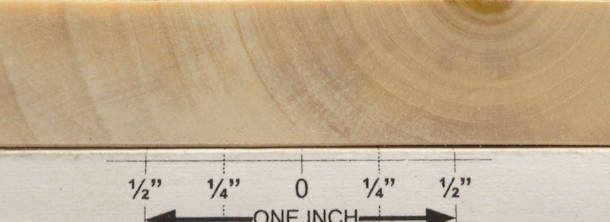
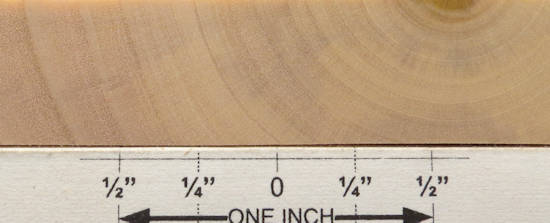



%201%20web.jpg)
%202%20s50%20web.jpg)

%20bowl%201%20s50%20web.jpg)