open main page here with limited thumbnails            open main page here with ALL thumbnails


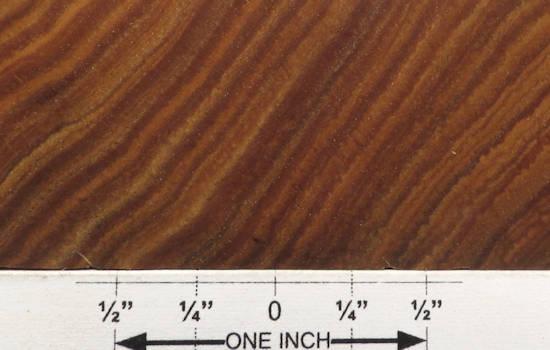
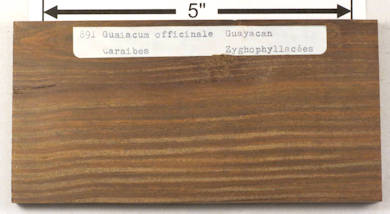
LIGNUM VITAE

Guaiacum spp.

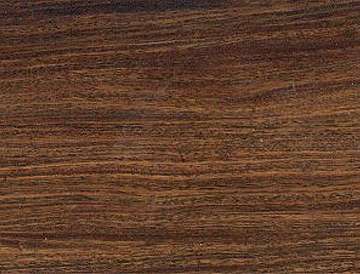
The wood is primarily from G. officinale and G. sanctum, but may also be from G. coulteri, G. angustifolium, and G. guatemalense

The name means "tree of life" which given for its medicinal properties.

Other common names include palo santo, greenheart, ironwood, and verawood, but ALL of these names are also used by several other, unrelated, species. True verawood (as opposed to Guaiacum spp. CALLED verawood) is a very similar wood from the same family (but a different genus) and is often confused with lignum vitae.

This wood is one of the world's most dense and will readily sink in water. It is quite hard and takes a high natural gloss. Because of a pervasive oily substance in the wood that reportedly does not dry out over VERY long periods of time, it has been widely for propeller shafts in boats (including submarines) and power generator shafts.

In woodworking, it is widely used as a mallet wood because of its weight, strength, and durability. It is fairly readily available, but expensive.


my samples:


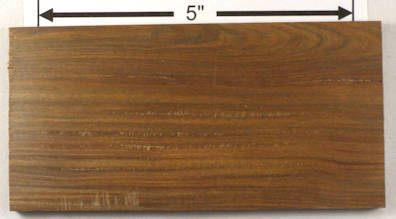
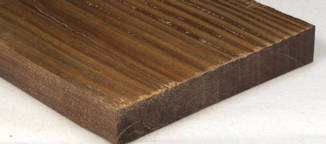
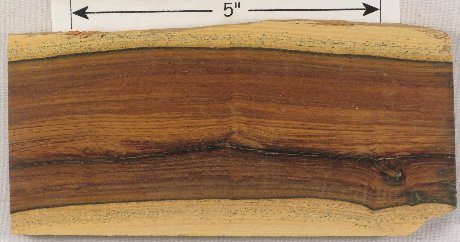
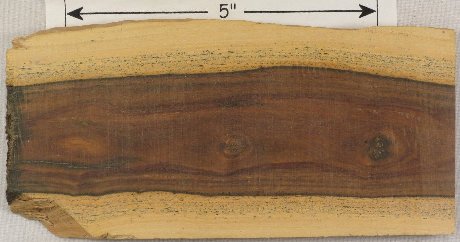
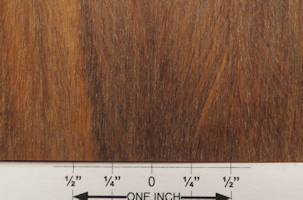
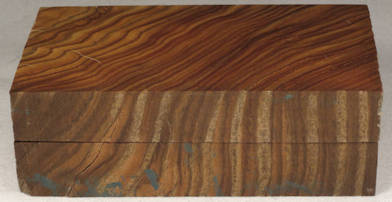
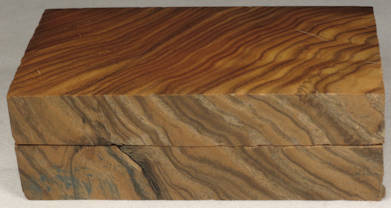
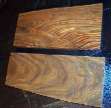
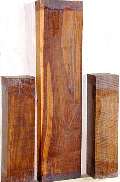
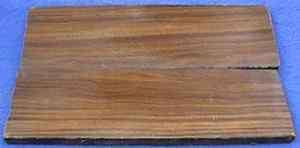
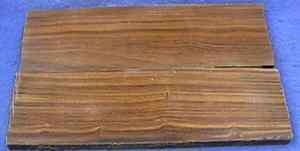
a set of small cutoffs. The first pic shows the unsanded side of each and the second pic shows each piece after I sanded it down to 100-grit. The piece in the lower left is cut from one of the pieces that looked exactly like the top piece, but this is a side grain (flat cut) and freshly cut and sanded. The other edges that are sanded were not fresh-cut prior to sanding so still retain much of the patina.


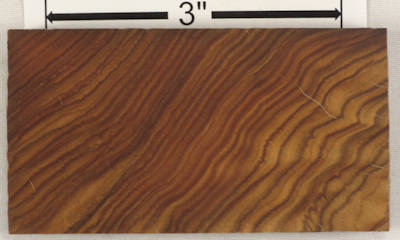
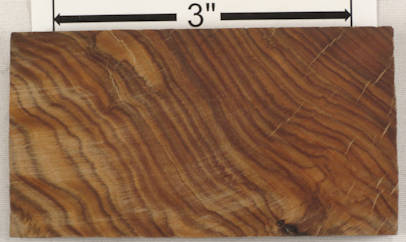
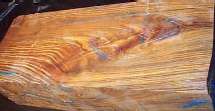
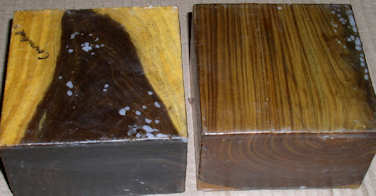
the two lower pieces from the set above, but this time face-on and up close. The one on the left is a flat cut face freshly cut and sanded and the one on the right is a butt-end face freshly sanded but not freshly cut. As I was rough sanding the butt-end face, there was a fairly bright green dust and the piece was more green than it became as I sanded it down with a 100-grit belt.


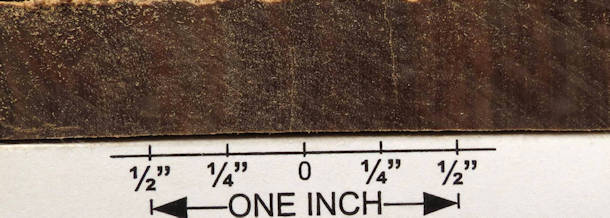
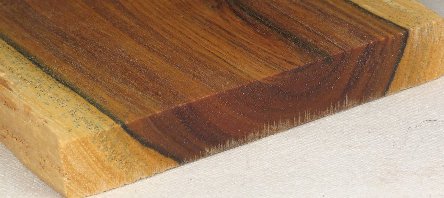
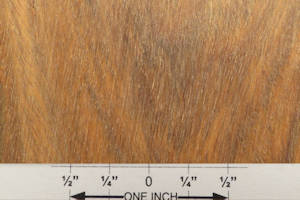
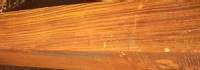
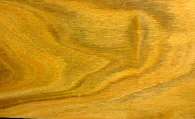
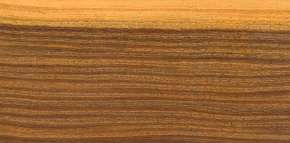
side grain closeups of the same pices. The one on the left shows a closeup of the top edge of the one that is show face-on directly above and the one on the right shows a side grain face of the one that is show butt-end-on directly above.


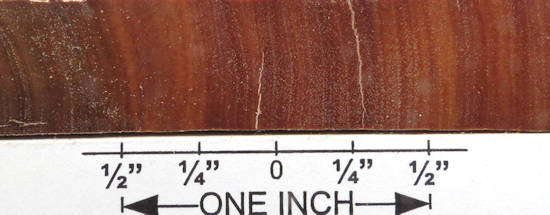
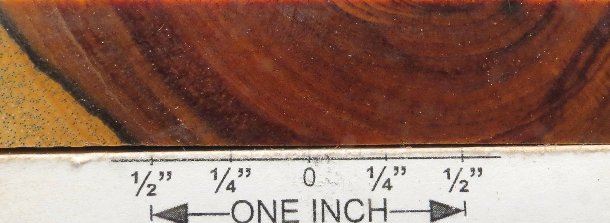
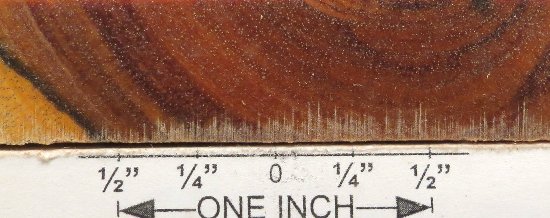
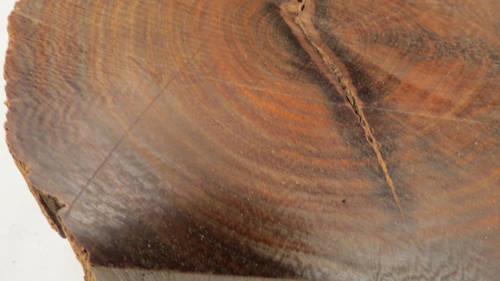
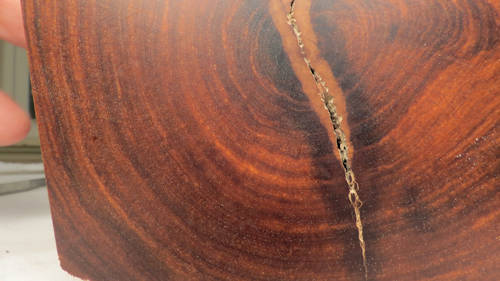
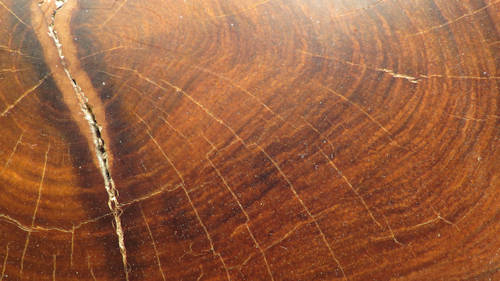
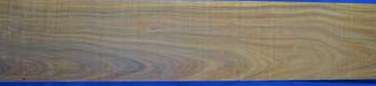
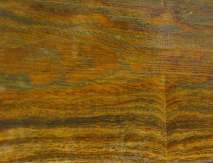
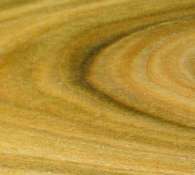
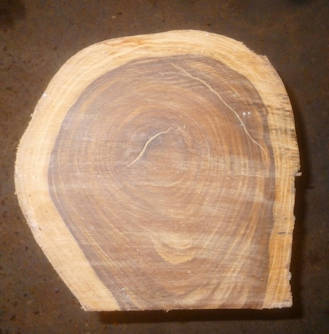
end grain closeups of the same pieces. The one on the left is the end grain of the piece that is shown face-on in the first set of pics and the one on the right is the end grain (the same butt-on view) of the one that is shown butt-on in the first set of pics.


web pics:


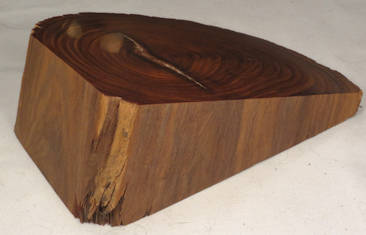
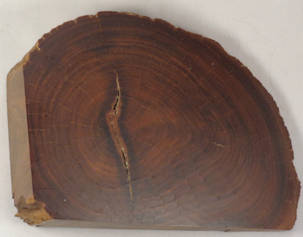
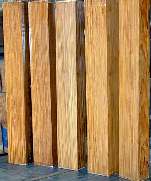
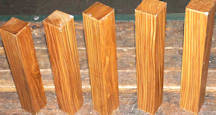
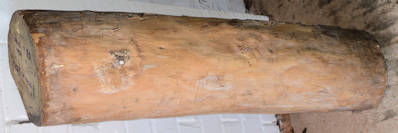
web pic of the set from which several of my own samples above came


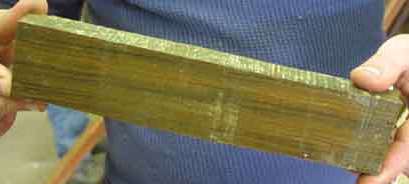
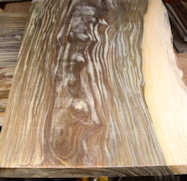
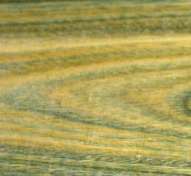
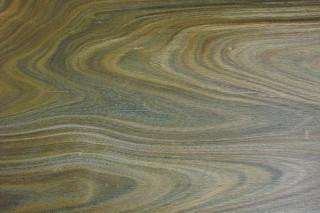
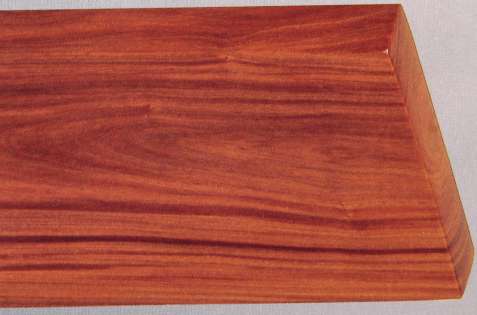
this pic said the piece was green (as in "recently cut off a live tree") and that's why it's colored green, but personally, I think it might be verawood mistakenly identified as lignum vitae.


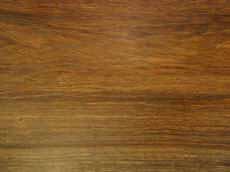
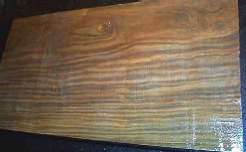
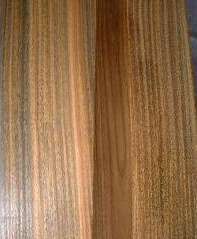
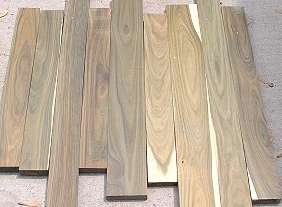
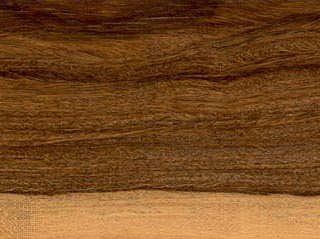
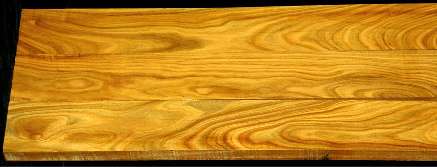
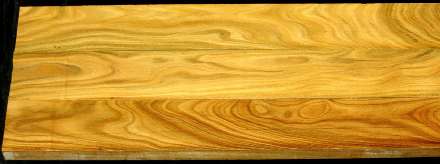
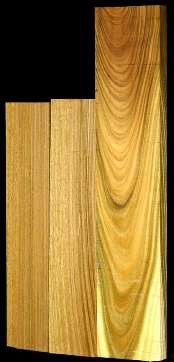
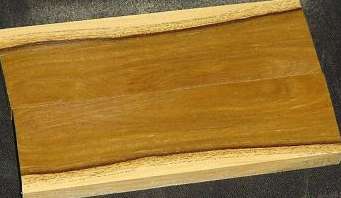
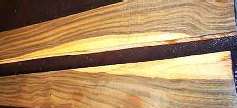
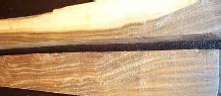
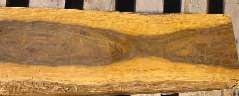
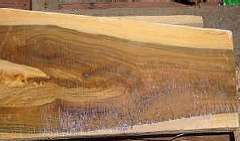
planks --- the colors are all over the map here and I don't know which one's might be correct or not


both sides of a set of planks


planks listed as Argentine lignum vitae


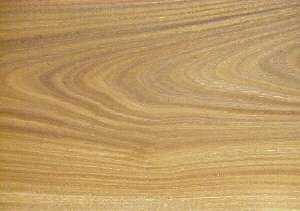
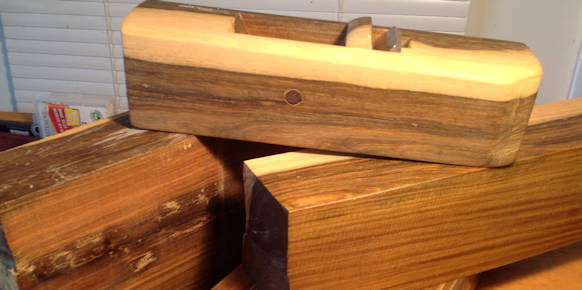
plank and closeup


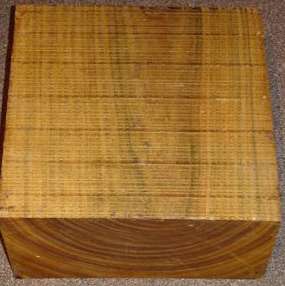
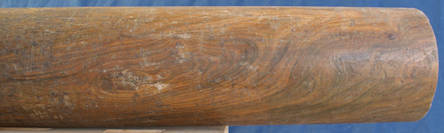
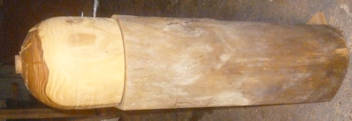
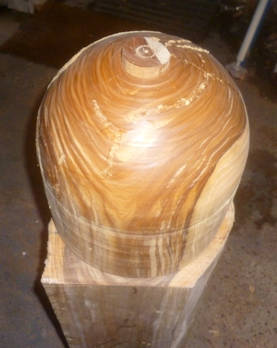
turning stock


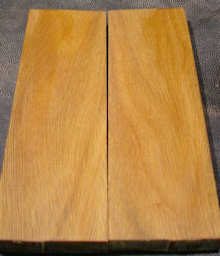
knife handle scales


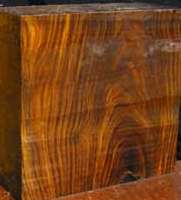
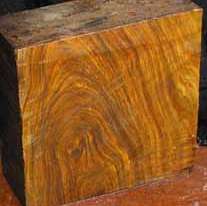
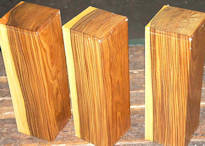
turning blocks


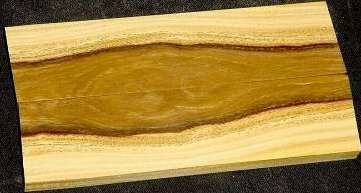
planks with sapwood


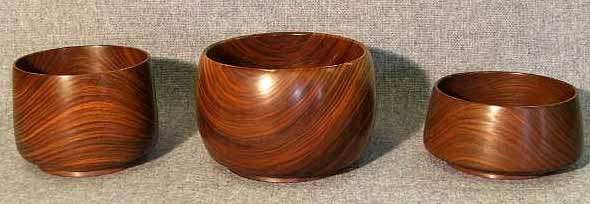
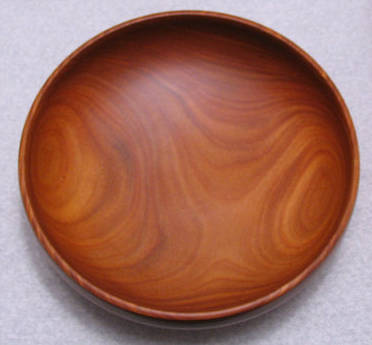
bowls