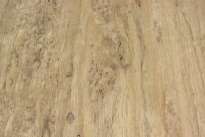
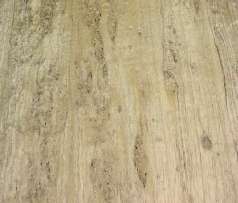
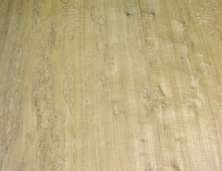
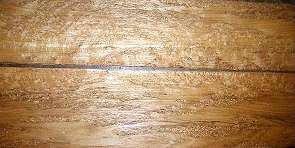
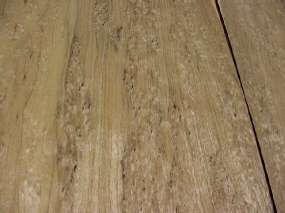
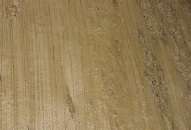
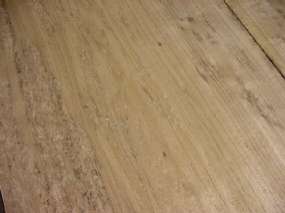
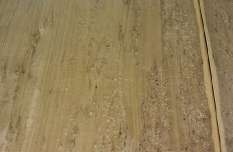
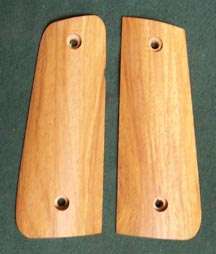
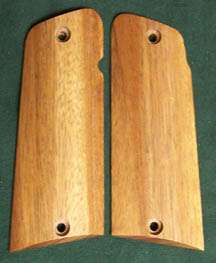
Piptadenia spp. of the family Fabaceae (syn. Leguminosae) the legume, pea, or bean family. I found numerous species names that have timborana (or "timbo rana" with a space) as one of their common names. The most prevalent seems to be the genus Piptadenia, but I have no idea which species, if any of these listed here, represent the woods pictured on this page unless specifically noted. I suspect that the pics are from several of these.
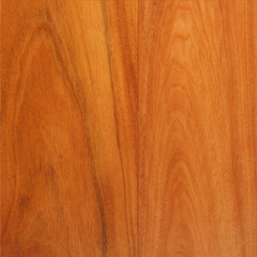
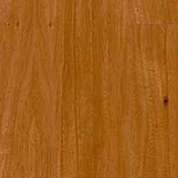
A very hard, slightly grainy, South American wood used primarily for flooring.
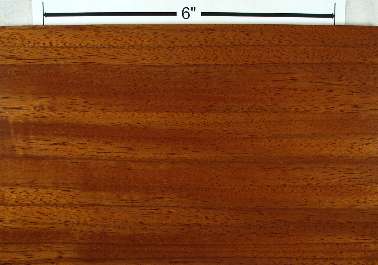
my samples: NOTE: these pics were all taken in very bright incandescent lighting ("soft white" at 2700K) colors will vary under other lighting conditions
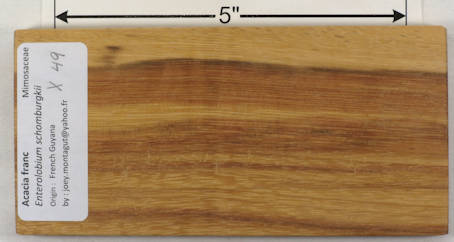
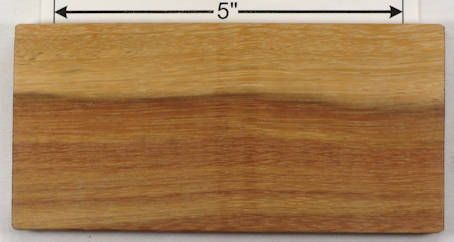
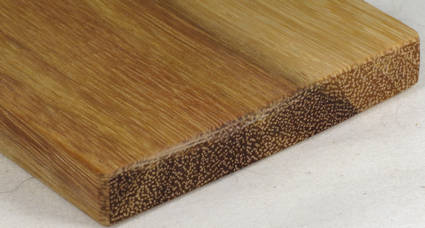
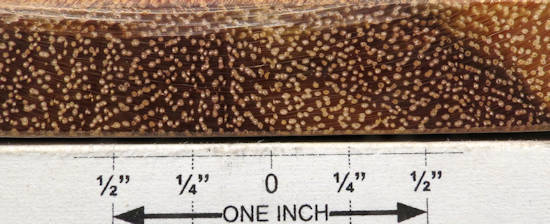
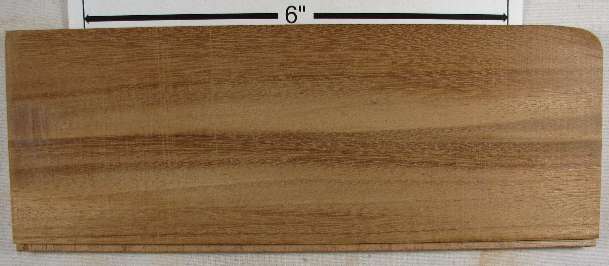
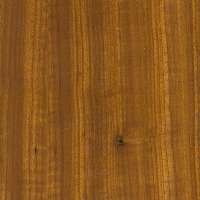
both sides of a sample plank of quartersawn timborana / Enterolobium schomburgkii --- HUGE enlargements are present. This sample was loaned to me by Mark Peet whom I thank for this and other contributions to the site.
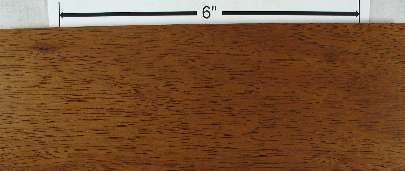
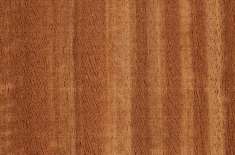
All these are thin-top veneered panels used for flooring and none were thick enough to get an end grain or side grain shot. In fact, the 2nd one down was so thin that when I sanded off the finish, there wasn't any timborana left, just cheap plywood backing.
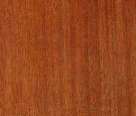
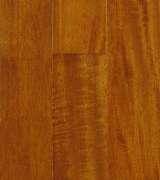
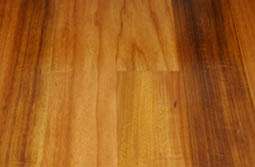
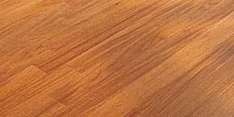
NOT raw wood color flooring sample that has been finished with a hard, shiny finishing agent that clearly has deepened and enriched the color.
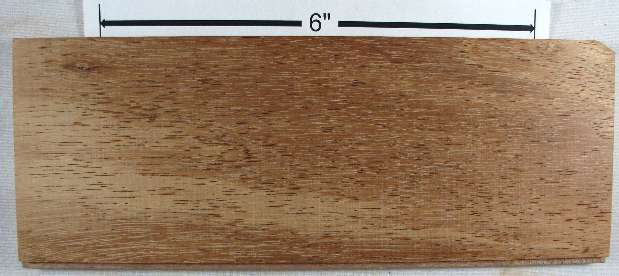
the piece directly above, after I sanded off the finish --- this was a thin plywood layer, so I could not get an end grain pic
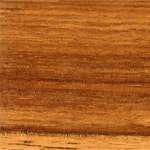
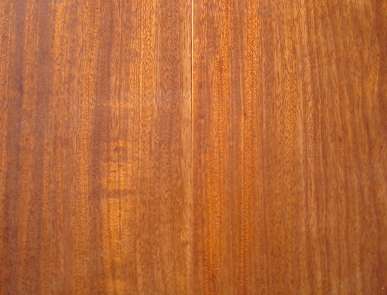
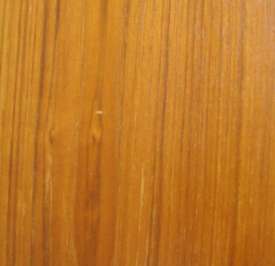
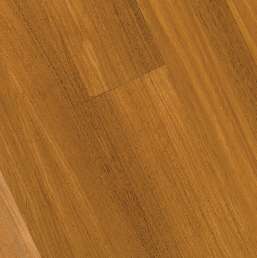
NOT raw wood color flooring sample that has been finished with a hard, shiny finishing agent that clearly has deepened and enriched the color.
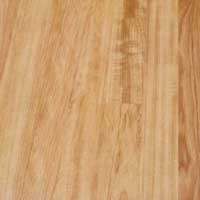
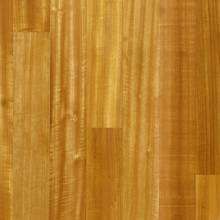
NOT raw wood color flooring sample that has been finished with a hard, shiny finishing agent that clearly has deepened and enriched the color. Directly below is the same piece with the finish sanded off
same as above but without the finish
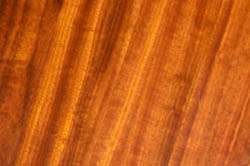
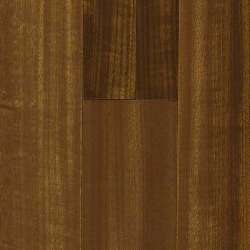
NOT raw wood color flooring sample that has been finished with a hard, shiny finishing agent that clearly has deepened and enriched the color. Directly below is the piece with the finish sanded off.
same as above but without the finish
web pics:
the range of colors seems unlikely for a single species so as suggested at the top of the page,
these probably represent multiple species and possibly even unrelated species
as you can see from the various botanical names shown.
planks
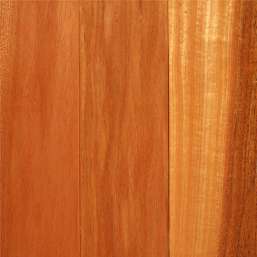
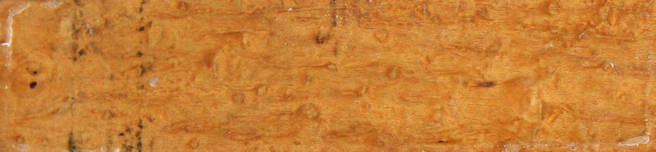
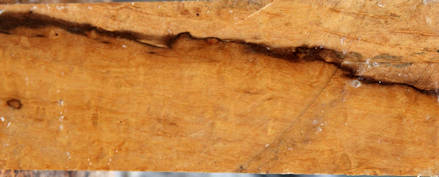
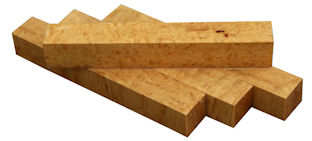
misc timborana, all from the same vendor, all waxed and all with various figure including some birds eye, pomelle, curly, etc.
figured pen blanks
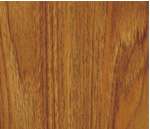
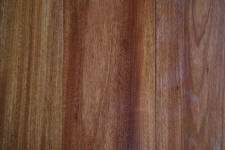
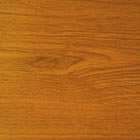
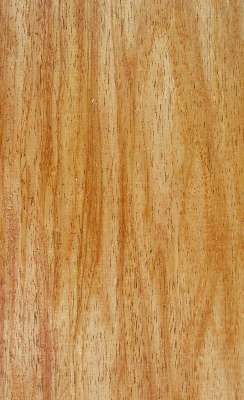
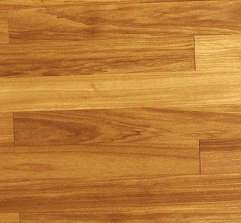
flooring
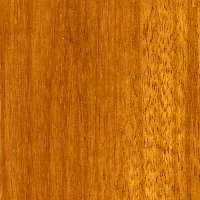
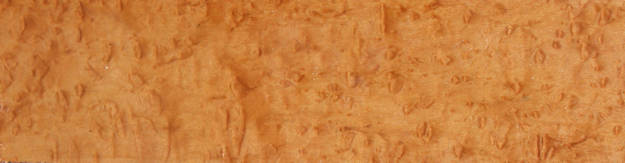
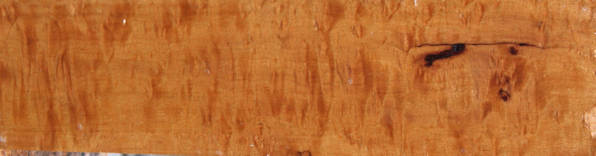
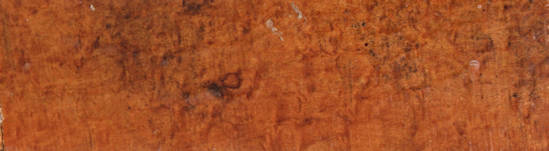
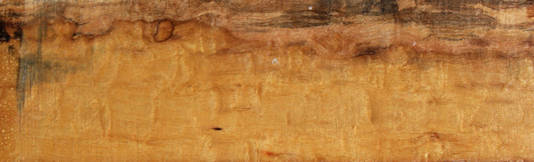
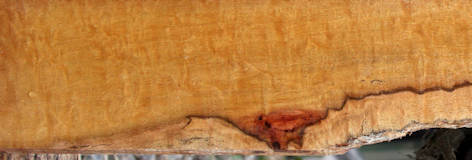
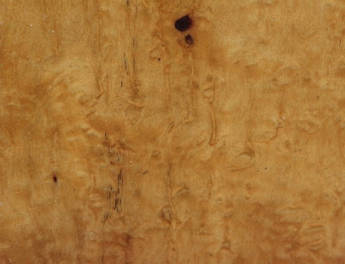
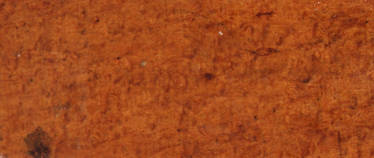
figured veneer specifically listed as Cordia goeldiana
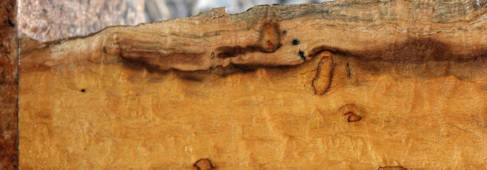
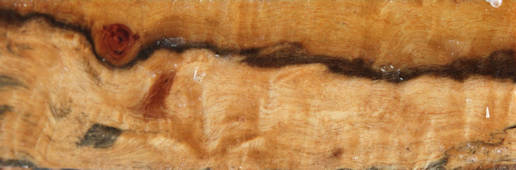
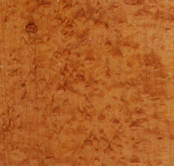
burl veneer
more burl veneer --- these shots are from a vendor who frequently has too much green in his pics
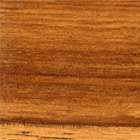
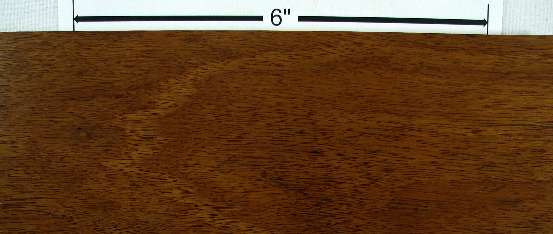 NOT raw wood color
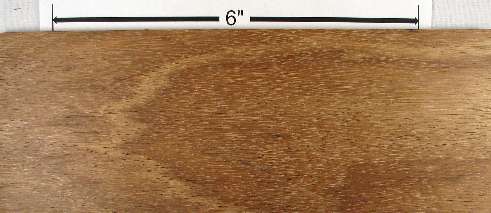
 NOT raw wood color
 NOT raw wood color
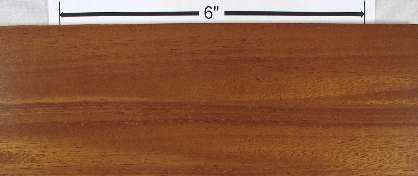 NOT raw wood color

%20figured%20veneer%201%20s50%20web.jpg)
%20figured%20veneer%202%20s50%20web.jpg)